
에프티티엠 모호한 업계 약어입니다. 다양한 출판물에서 이를 다음과 같은 의미로 사용합니다. 기계까지의 광섬유 또는 모바일까지의 광섬유; 멀티미디어 프로젝트는 자체적인 설명적 의미를 활용할 수 있습니다. 장비나 경로 구성 요소를 선택하기 전에, 최종 목표와 제공될 서비스를 명확히 기술하십시오. 약어만으로는 토폴로지, 접속 기술 또는 수용 기준을 정의할 수 없습니다.
FTTM은 기계까지의 광섬유 및 모바일까지의 광섬유와 같은 문맥에 따라 다양한 의미를 가집니다. 이 글에서는 멀티미디어 전달을 명시적으로 정의된 프로젝트 범위로 다루고 있으며, 이를 FTTM의 보편적인 확장으로 간주해서는 안 됩니다. ITU-T G.984는 GPON 권고안을, ITU-T G.9807.1는 XGS-PON 권고안을 다루므로, 부품을 구매하기 전에 실제 PON 또는 이더넷 설계, 서비스 인수인계, 광섬유 유형, 경로 및 인수검사를 명확히 명명하는 것이 권장됩니다. FTTM을 토폴리지나 자재 명세서의 대체물이 아닌 서비스 목표로 취급하십시오.
FTTM은 무엇을 의미하며, 왜 이 용어가 모호한가요?
프로젝트에서 FTTM을 ‘멀티미디어까지의 광섬유’로 명시적으로 정의하는 경우, 이는 데이터, 방송 서비스, 음성 등 여러 서비스를 전달하기 위해 광섬유 기반 액세스 네트워크를 활용하겠다는 의도를 나타냅니다. 이러한 용어는 프로젝트 개요에서 유용하게 사용될 수 있지만, 그 자체만으로는 광섬유가 어디에서 종단되는지, 어떤 액세스 프로토콜이 사용되는지, 서비스들이 어떻게 분리되는지, 또는 어떤 고객용 장비가 필요한지를 명시하지는 않습니다.
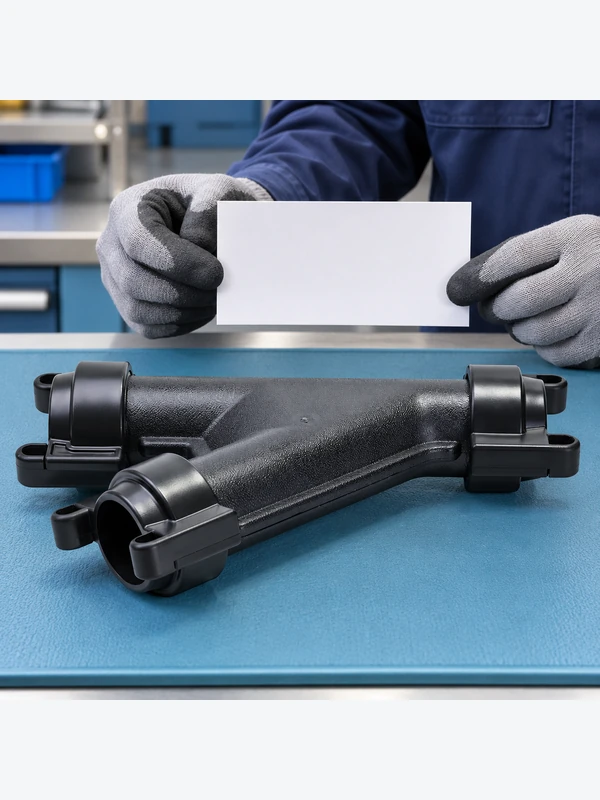
이러한 구분은 FTTx가 위치 기반 표기법의 한 계열이라는 점에서 중요합니다. 마지막 글자는 최종 접속 지점을 나타내며, 예를 들어 가정(Fiber To The Home, FTTH), 건물, 캐비닛 또는 기타 정의된 지점과 같은 형태로 사용됩니다. FTTM은 하나의 보편적인 최종 접속 지점이나 서비스 아키텍처를 지칭한다고 전제하기보다는, 해당 산업 및 프로젝트의 맥락 속에서 해석되어야 합니다. 따라서 조달 문서에서는 이 두문자를 네트워크 다이어그램, 인터페이스 일정표, 서비스 맵으로 대체해야 합니다.
물리적 경로에 대한 실제적인 설명은 다음을 참조하십시오. FTTH 네트워크의 마이크로덕트 커넥터. 이 부속품은 덕트 경로를 지지할 뿐, 광접속 프로토콜을 정의하거나 어떠한 멀티미디어 서비스도 보장하지 않습니다.
FTTM이 기기, 모바일 또는 지역 서비스 용어를 의미하는지 명시하십시오.
5월 2025 Omdia의 스티븐 윌슨이 작성한 화웨이 주최 기사 제조 연결성을 위해 기계까지 광섬유를 사용합니다. A 2014의 ZTE 기사 LTE 구축 맥락에서 ‘fiber-to-the-mobile’ 용어를 명시적으로 사용하고 있습니다. 이러한 사례들은 해당 약어가 하나 이상의 문서화된 용도를 가짐을 보여주지만, 두 아키텍처 중 어느 것이 모든 프로젝트에 적합한지를 입증하지는 않습니다.
모바일 사례는 과거의 LTE 자료일 뿐, 현재의 배치 규모나 보편적인 5G 설계를 입증하는 것은 아닙니다. 제조 관련 기사는 해당 벤더가 게시한 것이므로, 플랫폼 특정 성능 및 비용 절감 주장은 관련 없는 제품에 그대로 적용해서는 안 됩니다. 유용한 결론은 더 구체적입니다: 솔루션을 비교하기 전에 의도된 엔드포인트를 명확히 기술하고, 실제 장비 및 네트워크 요구 사항을 명시하십시오.
주거용 또는 건물 내부 프로젝트의 경우, FTTR과 FTTH 비교 보다 명확한 엔드포인트 용어를 제공합니다. 팩토리 또는 모바일 사이트의 경우, 대신 기기, 캐비닛 또는 라디오 사이트 간의 핸드오프를 문서화하십시오. 해당 경계가 확정되면, 모호한 표기를 사용하지 않고도 경로, 광학 구성, 서비스 인수 및 유지보수 계획을 명시할 수 있습니다.
광접속망은 어떻게 다중 서비스를 전달하나요?
광섬유 액세스 네트워크는 액세스 노드와 고객 측 장비 간에 인코딩된 광신호를 전달합니다. 서비스 조합은 운영자의 옵티컬 라인 터미널, 옵티컬 네트워크 유닛 또는 터미널, 이더넷 장비, 서비스 게이트웨이, 그리고 관련 비디오 및 음성 플랫폼에서 처리됩니다. 광섬유는 전송 매체일 뿐이며, 모든 설치 환경에서 모든 서비스가 제공될 것이라는 보장은 아닙니다.
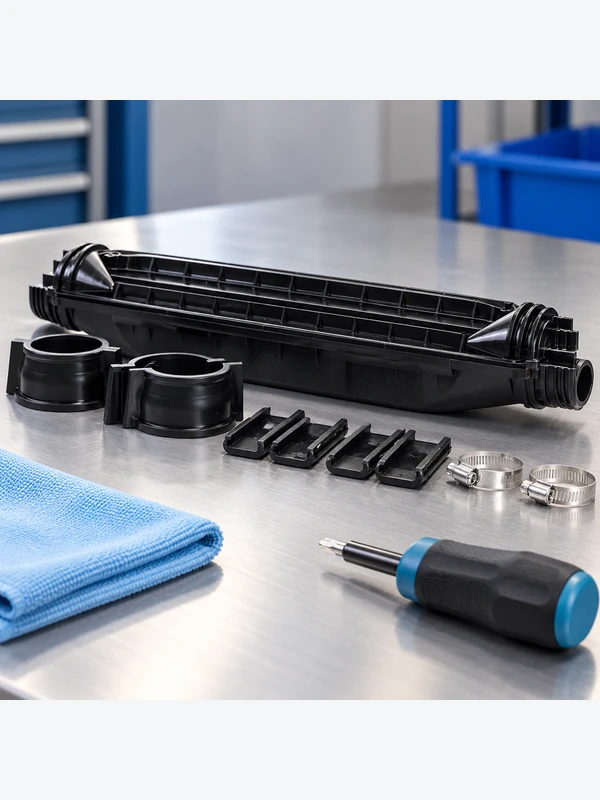
GPON과 XGS-PON은 왜 근본 기술에 이름을 붙여야 하는지를 보여줍니다. ITU-T G.984는 기가비트 지원 패시브 광통신망에 대한 권고안의 집합이며, ITU-T G.9807.1는 대칭형 10-Gigabit-capable 패시브 광통신망 시스템을 규정합니다. 이러한 참고 자료들은 서로 다른 액세스 시스템의 기능과 인터페이스를 설명할 뿐, 비공식적인 FTTM 용어를 표준 아키텍처로 바꾸지는 않습니다. 선택된 광통신 장비와 운영자의 서비스 프로필이 여전히 결정적인 증거로 남습니다.
서비스 통합을 위해서는 올바른 분리와 서비스 제공도 필요합니다. 인터넷, 음성, 비디오 서비스는 각각 별도의 논리적 서비스, VLAN, QoS 규칙, 멀티캐스트 처리 방식 또는 고객사 설비를 사용할 수 있습니다. 이러한 세부 사항은 운영자의 설계 및 검수 기준에 포함되어야 합니다. “멀티미디어까지의 광섬유”라는 표현이나 커넥터 사진, 또는 미래 액세스 네트워크에 관한 헤드라인만으로 이를 추론해서는 안 됩니다.
더 넓은 FTTx 논의 엔드포인트 개념을 비교하는 데 도움이 될 수 있지만, 이를 하나의 FTTM 아키텍처가 상업적으로 보편적임을 입증하는 근거로 사용해서는 안 됩니다.
FTTM 견적을 제시하기 전에 어떤 물리적 인터페이스가 중요한가요?
서비스와 접속 기술이 정의되면, 물리적 경로는 피더 또는 분배 광섬유, 씰링함 및 캐비닛, 마이크로덕트 또는 도관, 커넥터, 굴곡 지점, 그리고 고객 측 단자에 이르는 인터페이스의 순서로 구성됩니다. 경로 도면에는 각 인터페이스의 시작점과 종료점, 보호 방식, 그리고 유지보수를 위해 어떻게 개방될지가 표시되어야 합니다.
마이크로덕트 경로의 경우, 실제 덕트 재질, 내·외부 치수, 케이블 또는 광섬유 유닛 치수, 굽힘 계획, 이음매 배치 및 환경 노출 조건을 확인하십시오. 한 덕트 외경에 맞는 커넥터가 다른 덕트에는 맞지 않을 수 있으며, 물리적으로 호환되는 피팅이라도 기밀성, 방수 성능 또는 특정 설치 방법에 적합하다는 것을 보장하지 않습니다. 공급업체의 치수 도면과 설치 지침을 요청한 다음, 이를 경로 기록과 비교하여 일치시켜 주십시오.
광섬유는 서비스 신호를 전달하고, 마이크로덕트 커넥터는 경로 접합부를 유지합니다. 이러한 역할 분담을 명세서에서 명확히 구분하십시오. 공기압 주입식 광섬유를 위한 경로 설계에는 덕트의 연속성, 허용 굴곡 반경, 단말부 처리 방식, 밀봉 방법 및 주입 전 수행해야 할 검사 사항도 반드시 기재해야 합니다. 전송 매체 자체에 대한 배경 정보는 다음을 참고하십시오. 광섬유 통신의 작동 원리.
구매자는 FTTM, FTTH 및 기타 FTTx 옵션을 어떻게 비교해야 할까요?
유용한 비교는 “어떤 약어가 가장 좋은가?”가 아닙니다. 중요한 것은 제안된 종단점, 접속 기술, 서비스 핸드오프, 경로 및 유지보수 계획이 실제 프로젝트에 적합한지 여부입니다. 아래 표에서는 FTTM 행에 대해 명시적으로 정의된 멀티미디어 범위를 사용하고 있으며, 머신 및 모바일 사용 사례에는 각각 고유한 종단점 정의가 필요합니다.
| 레이블 또는 디자인 선택 | 전달하는 내용 | 남겨둔 여지 | 요청할 증거 |
|---|---|---|---|
| FTTM(멀티미디어까지의 광섬유) | 광섬유 기반 액세스 네트워크를 통해 여러 서비스를 제공하겠다는 명시된 의도. | 엔드포인트, 프로토콜, 서비스 분리, 장비 및 허용 한계. | 네트워크 다이어그램, 서비스 맵, 액세스 시스템 이름, 종단 장비 및 테스트 계획. |
| FTTH | 정의된 프로젝트 범위 내에서 광섬유가 가정 또는 거주지의 최종 지점까지 도달합니다. | 액세스 시스템이 GPON, XGS-PON, 이더넷 또는 다른 설계 방식인지 여부. | 종단 위치, 광 예산, 고객 장비 및 운영자 인터페이스 요구 사항. |
| 기타 FTTx 종단점 | 파이버 엔드포인트는 마지막 문자와 프로젝트 정의에 의해 식별됩니다. | 남은 세그먼트가 어떻게 구성되고, 어떤 서비스가 활성화되는지. | 엔드포인트 도면, 해당되는 경우 구리 또는 라디오 세그먼트, 그리고 서비스 인수인계 요건. |
| 접근 기술 | 서비스 전송에 사용되는 광 또는 이더넷 시스템을 정의합니다. | 물리적 경로 품질 및 덕트, 피팅, 단말부의 호환성. | 적용 가능한 ITU-T 또는 장비 사양, 파장, 광학 및 손실 한계. |
| 경로 및 부속품 | Provides the protected physical route for the cable or fiber unit. | Service availability, bandwidth, and protocol behavior. | Dimensional drawings, material and environment requirements, installation method, and records. |
| Scope item | Confirm before quoting | Evidence or condition |
|---|---|---|
| Access endpoint | Home, building, cabinet, or another project-defined termination point. | Approved topology drawing and service handoff; the FTTM label alone is insufficient. |
| Pathway | Duct or conduit dimensions, route geometry, access points, joints, and environment. | As-built or survey records, dimensional drawings, and the selected installation method. |
| Passive components | Splitters, closures, connectors, couplers, and terminations where the design uses them. | Manufacturer data sheets, compatibility checks, and a route-specific optical budget. |
| Active electronics | OLT, ONU/ONT, Ethernet equipment, gateways, and service interfaces in the operator design. | Equipment documentation and the applicable access-system reference, such as ITU-T G.984 or G.9807.1. |
| 인수 증빙 | Physical inspection, optical loss measurement, event location, and required service tests. | Contract method, wavelengths, limits, fiber identifiers, test records, and as-built route. |
What should the design and acceptance plan measure?
Start with the access equipment’s published optical parameters and the route length. Build a project-specific loss budget that accounts for fiber attenuation, splices, connector pairs, splitters where used, and an agreed engineering reserve. The component values must come from the selected equipment and route; there is no universal FTTM loss limit.
At acceptance, use the method named in the contract. An optical loss test set can measure end-to-end insertion loss at specified wavelengths; an optical time-domain reflectometer can help locate events and characterize the route. These methods answer different questions, so an OTDR trace should not silently replace an agreed end-to-end measurement. Record fiber identifiers, reference method, wavelengths, limits, results, and the as-built route.
Service acceptance may need additional checks for the operator’s provisioning, voice registration, video or multicast behavior, latency, and failover design. Those are service and system tests, not properties that can be inferred from the fiber or a microduct connector alone. Document who supplies each test, which equipment is in scope, and what happens when a result falls outside the agreed limit.
Keep pathway, optical and service handovers separate
A useful acceptance file has three distinct layers. Pathway evidence identifies the duct route, dimensions, joints, access points and installation checks. Optical evidence identifies the fiber, terminations, loss budget and measured results. Service evidence records the required connectivity and application behavior at the operator-defined handoff. A pass in one layer does not automatically establish the other two.
For optical acceptance, Fluke Networks distinguishes OTDR characterization from end-to-end loss measurement. Specify which methods are required, the test boundary, wavelengths and limits. For service acceptance, name the actual equipment ports and required functions; voice, video, industrial traffic or mobile transport can require different checks. Avoid importing a generic service checklist into an unrelated application.
Where the pathway uses HDPE 마이크로덕트, keep duct identifiers and actual dimensions with the selected cable or fiber-unit record. If installation uses blowing equipment, verify the route and component limits before scheduling the crew. Neither an optical bandwidth claim nor a multimedia service description establishes that a duct joint will suit the planned installation.
그 air-blown and conventional cabling comparison can support the pathway decision. Retain the as-built route and separate test records after handover. If an upgrade changes optics, service equipment or cable construction, review the affected layer and its interfaces rather than assuming that the original FTTM label preserves compatibility.
Which standards and claims should appear in the procurement file?
ITU-T G.984 and ITU-T G.9807.1 are named access-system recommendations with different scopes. They are not product certificates for a duct fitting, nor do they certify a completed route or a service provider. The procurement file should identify the exact recommendation or equipment specification that applies, its edition where relevant, and the interface requirements that must be demonstrated.
FTTH Council Europe provides public resources about fiber deployment and market context, but a market resource does not establish a technical requirement for an individual project. Likewise, a supplier’s “FTTM-ready” phrase should be treated as a claim to verify, not as a recognized compliance category. Unsupported claims can lead to rejected submittals, incompatible optics, or rework at the access cabinet.
How can a buyer turn an FTTM brief into a buildable specification?
- Define each service, customer endpoint, handoff, availability expectation, and ownership boundary; replace FTTM with the actual topology in the drawing.
- Name the access technology and equipment family, including optics, wavelengths, splitters or Ethernet devices, and the published loss budget.
- Survey the pathway: duct dimensions, route geometry, access points, environmental exposure, joints, and the cable or fiber-unit installation method.
- Request dimensional drawings, material data, installation instructions, and test evidence for every connector and closure in the route.
- Write the acceptance plan before purchase, separating optical loss, physical inspection, and service-level tests with named records and limits.
Microduct Connector can help review the pathway and fitting portion of that package against the documented duct dimensions and application. Browse the microduct connectors range and send the route drawing, duct data, and installation method for a specification discussion; the access protocol and service platform should still be confirmed by the network operator.
자주 묻는 질문
Is FTTM an official fiber access standard?
The acronym alone is not a technical standard. Machine and mobile are documented industry uses, while a multimedia project needs its own explicit definition. Formal access recommendations such as ITU-T G.984 and G.9807.1 define specific PON systems. Ask the project owner to state the topology and access technology rather than accepting the acronym alone.
How is FTTM related to FTTH?
FTTH describes the fiber endpoint at the home or dwelling. FTTM must first be expanded in context; when a project explicitly uses it for multimedia delivery, it describes that service intent. An FTTH network may carry multimedia services, but the terms answer different questions. Confirm both the endpoint and the service architecture.
Does FTTM mean internet, television, and telephone always share one fiber?
They may be transported over one fiber access network, but the exact logical services, equipment, and provisioning depend on the operator design. Voice, video, and data can have separate service profiles even when they share a physical route. Require the service map and customer equipment specification.
Does a microduct connector determine FTTM performance?
No. A connector supports the physical duct pathway and its joint; it does not set the PON protocol, 광 예산, or service quality. Verify dimensions, sealing, environmental requirements, and installation records separately from the optical and service tests.
Which PON technology should an FTTM project use?
There is no universal answer. GPON under ITU-T G.984, XGS-PON under ITU-T G.9807.1, Ethernet, and other designs may fit different equipment, capacity, migration, and service requirements. Select from the operator’s endpoint, optics, capacity plan, and acceptance criteria.
What should be tested before a multimedia fiber service goes live?
Test the physical route and optical loss using the agreed method and wavelengths, then perform the operator’s service tests for provisioning and the required voice, video, or data behavior. Keep results tied to fiber IDs and the as-built route. A connector inspection alone cannot prove end-to-end service readiness.
Does FTTM always mean fiber to the multimedia?
No. Industry publications also use FTTM for fiber to the machine and fiber to the mobile. Expand the acronym in the project brief and specify the endpoint, topology and access equipment. A multimedia interpretation should be presented as an explicit project definition rather than a universal industry meaning.
Does an FTTM article about LTE establish requirements for a new mobile network?
No. A historical deployment article can establish how the author used the term, but it cannot replace the current operator’s transport, equipment and acceptance specification. Check the publication date and application before reusing technical or performance statements.
참고문헌
- ITU-T G.984, Gigabit-capable passive optical networks (GPON).
- ITU-T G.9807.1, 10-Gigabit-capable symmetric passive optical network (XGS-PON).
- FTTH Council Europe, public fiber deployment resources.
- Huawei / Omdia: Fibre to the Machine for Innovative Manufacturing Companies (2025)
- ZTE: FTTM Enables Rapid and Flexible LTE Deployment (2014; historical context)
- Fluke Networks: OTDR and Optical Link Testing
요약
Define FTTM before designing the network: machine, mobile and a locally defined multimedia scope imply different endpoints and requirements. Name the actual topology, access equipment and service handoff, then specify the pathway and optical budget against that design. Keep pathway checks, optical measurements and service acceptance as distinct records. This makes the project buildable and maintainable without treating an ambiguous acronym or a vendor’s application example as a universal architecture.



