
អេហ្វធីធីអឹម គឺជាការបិទលេខឧស្សាហកម្មដែលមិនច្បាស់លាស់។ ការបោះពុម្ពផ្សាយផ្សេងៗប្រើវាសម្រាប់ សរសៃអុបទិកដល់ម៉ាស៊ីន ឬ សរសេរជាភាសាអង់គ្លេស: fiber to the mobile សរសេរជាភាសាខ្មែរ: សរសេរជាភាសាអង់គ្លេស; គម្រោងពហុប្រព័ន្ធផ្សព្វផ្សាយអាចប្រើអត្ថន័យរៀបរាប់របស់វាផ្ទាល់។ មុនពេលជ្រើសរើសឧបករណ៍ ឬសមាសភាគនៃដំណើរការ ត្រូវបញ្ជាក់ពីចំណុចបញ្ចប់ និងសេវាកម្មដែលបានគ្រោងទុកឱ្យច្បាស់។ អក្សរកាត់តែមួយមុខមិនអាចកំណត់រូបរាងបណ្ដាញ, បច្ចេកវិទ្យាការចូលប្រើ ឬតម្រូវការទទួលយកបានឡើយ។.
FTTM មានអត្ថន័យអាស្រ័យលើបរិបទ ដែលរួមមានទាំង fiber to the machine និង fiber to the mobile។ អត្ថបទនេះក៏ពិភាក្សាអំពីការផ្ដល់សេវាមេឌៀចម្រុះ ជាបរិមាណគម្រោងដែលបានកំណត់យ៉ាងច្បាស់ផងដែរ; វាមិនគួរត្រូវបានចាត់ទុកថាជាការពង្រីក FTTM ជាសកលឡើយ។ ITU-T G.984 គ្របដណ្ដប់លើអនុសាសន៍ GPON ខណៈ ITU-T G.9807.1 គ្របដណ្ដប់លើ XGS-PON ដូច្នេះ សកម្មភាពដែលត្រូវបានណែនាំគឺត្រូវដាក់ឈ្មោះដល់រចនាសម្ព័ន្ធ PON ឬ Ethernet ជាក់ស្ដែង ការផ្ទេរសេវា ប្រភេទសរសៃអុបទិក ផ្លូវឆ្លងកាត់ និងការធ្វើតេស្តទទួលយក មុនពេលទិញគ្រឿងបន្លាស់។ ចាត់ទុក FTTM ជាគោលដៅសេវា មិនមែនជាការជំនួសសម្រាប់រចនាសម្ព័ន្ធទីតាំង និងបញ្ជីសម្ភារៈឡើយ។.
FTTM មានន័យដូចម្តេច ហើយហេតុអ្វីបានជាពាក្យនេះមានភាពមិនច្បាស់លាស់?
ប្រសិនបើគម្រោងមួយកំណត់យ៉ាងច្បាស់ថា FTTM មានន័យថា ជាលិកាដល់ប្រព័ន្ធផ្សព្វផ្សាយពហុមេឌៀ វាពិពណ៌នាអំពីចេតនាក្នុងការប្រើប្រាស់បណ្តាញចូលដែលផ្អែកលើជាលិកាដើម្បីដឹកជញ្ជូនសេវាកម្មច្រើនជាងមួយ ដូចជាទិន្នន័យ ការចែកចាយទូរទស្សន៍ និងសំឡេង។ ពាក្យនេះអាចមានប្រយោជន៍ក្នុងសេចក្តីសង្ខេបគម្រោង ប៉ុន្តែវាមិនបានបញ្ជាក់ដោយខ្លួនឯងថាតើជាលិកាបញ្ចប់នៅឯណា ប្រើពិធីការចូលណា សេវាកម្មត្រូវបានបែងចែកយ៉ាងដូចម្តេច ឬឧបករណ៍អតិថិជនណាដែលត្រូវការនោះទេ។.
ភាពខុសប្លែកគ្នានោះមានសារៈសំខាន់ ព្រោះ FTTx គឺជាគ្រួសារនៃស្លាកសញ្ញាដែលផ្អែកលើទីតាំង៖ អក្សរចុងក្រោយបង្ហាញពីចំណុចបញ្ចប់ ដូចជា សរសៃអុបទិកដល់ផ្ទះ (FTTH), អគារ, ប្រអប់ចែកចាយ ឬចំណុចកំណត់ផ្សេងទៀត។ FTTM ត្រូវតែត្រូវបានអានក្នុងបរិបទឧស្សាហកម្ម និងគម្រោងដែលបានកំណត់ ជាជាងសន្មតថាវាបង្ហាញពីចំណុចបញ្ចប់ ឬរចនាសម្ព័ន្ធសេវាកម្មតែមួយ។ ដូច្នេះ ឯកសារទិញ-លក់គួរតែជំនួសអក្សរកាត់នេះ ដោយរូបភាពបង្ហាញបណ្តាញ តារាងចំណុចប្រសព្វ និងផែនទីសេវាកម្ម។.
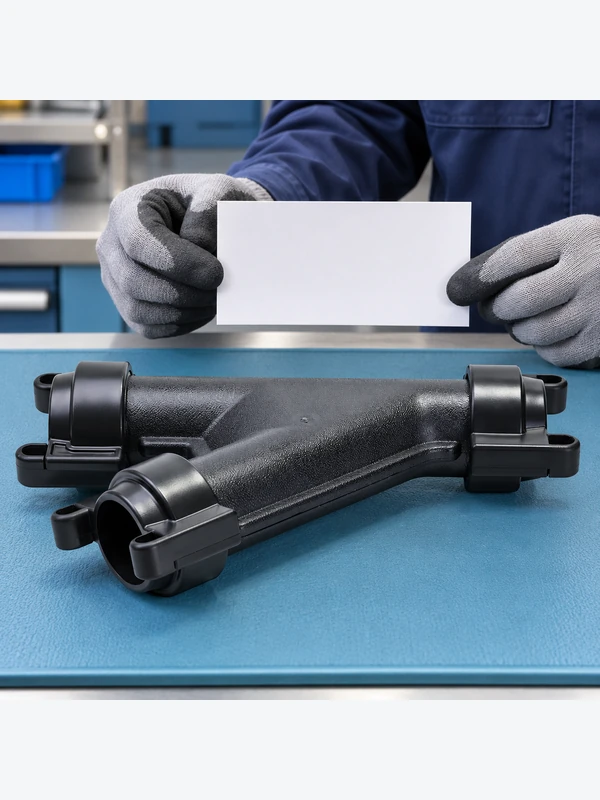
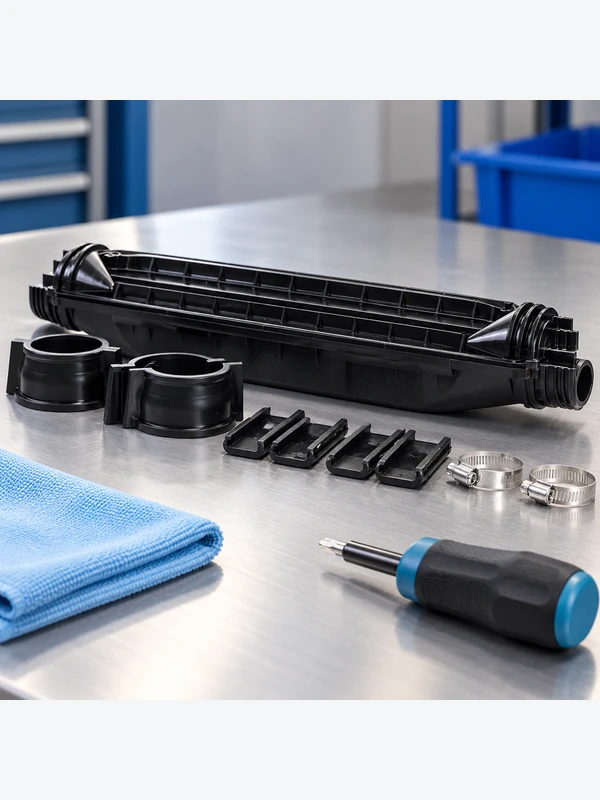
សម្រាប់ការពិនិត្យជាក់ស្តែងលើផ្លូវរាងកាយ សូមមើល ឧបករណ៍ភ្ជាប់មីក្រូឌាក់ត៍នៅក្នុងបណ្តាញ FTTH. ឧបករណ៍ភ្ជាប់នេះគាំទ្រដល់ផ្លូវបំពង់; វាមិនកំណត់ពីពិធីការចូលប្រើប្រាស់អុបទិក ឬធានាអំពីសេវាកម្មម៉ុលទីមេឌៀណាមួយឡើយ។.
សម្គាល់ថា FTTM សំដៅលើម៉ាស៊ីន ទូរស័ព្ទចល័ត ឬជាពាក្យបច្ចេកទេសសម្រាប់សេវាកម្មក្នុងស្រុក។
ខែឧសភា 2025 អត្ថបទដែលបានចុះផ្សាយដោយ Huawei របស់លោក Stephen Wilson មកពី Omdia ប្រើសរសៃអុបទិកដល់ម៉ាស៊ីនសម្រាប់ការផលិតការតភ្ជាប់។ A អត្ថបទ ZTE ពី 2014 បានប្រើពាក្យ fiber-to-the-mobile យ៉ាងច្បាស់លាស់ក្នុងបរិបទនៃការដាក់ពង្រាយ LTE។ ឧទាហរណ៍ទាំងនេះបញ្ជាក់ថា ពាក្យអក្សរកាត់នេះមានការប្រើប្រាស់ដែលត្រូវបានចុះបញ្ជីជាច្រើន; ប៉ុន្តែពួកគេមិនបានបង្ហាញថាអាណាឡូជីណាមួយសមស្របសម្រាប់គម្រោងគ្រប់គ្រាន់ឡើយ។.
ឧទាហរណ៍ចល័តគឺជាវត្ថុធាតុ LTE ប្រវត្តិសាស្ត្រ មិនមែនជាភស្តុតាងនៃបរិមាណដាក់ឱ្យដំណើរការបច្ចុប្បន្ន ឬការរចនាជាសកល 5G ឡើយ។ អត្ថបទផលិតកម្មត្រូវបានបង្ហោះដោយអ្នកលក់ ដូច្នេះការបញ្ជាក់ពីការអនុវត្ត និងការសន្សំសំចៃដែលពាក់ព័ន្ធនឹងវេទិការបស់វា មិនគួរត្រូវបានផ្ទេរទៅផលិតផលដែលមិនទាក់ទងនោះទេ។ សេចក្តីសន្និដ្ឋានដែលមានប្រយោជន៍គឺតូចជាងនេះ៖ សរសេរចេញពីចំណុចបញ្ចប់ដែលបានគ្រោងទុក ហើយដាក់ឈ្មោះឧបករណ៍ជាក់ស្តែង និងតម្រូវការបណ្តាញ មុនពេលធ្វើការប្រៀបធៀបដំណោះស្រាយ។.
សម្រាប់គម្រោងលំនៅដ្ឋាន ឬគម្រោងក្នុងអគារ, នោះ ការប្រៀបធៀបរវាង FTTR និង FTTH ផ្តល់នូវពាក្យបច្ចេកទេសដែលបានបង្កើតឡើងសម្រាប់ចំណុចបញ្ចប់កាន់តែច្បាស់។ សម្រាប់រោងចក្រ ឬគេហទំព័រចល័ត សូមធ្វើឯកសារអំពីការប្រគល់-ទទួលឧបករណ៍ ឬប្រអប់ឧបករណ៍ ឬទីតាំងវិទ្យុជំនួសវិញ។ នៅពេលដែលព្រំដែននោះត្រូវបានយល់ព្រម ផ្លូវតភ្ជាប់ អុបទិក ការទទួលសេវា និងផែនការថែទាំអាចត្រូវបានកំណត់ដោយមិនពឹងផ្អែកលើស្លាកសញ្ញាដែលមិនច្បាស់លាស់។.
តើបណ្តាញចូលដំណើរការជាមួយសរសៃអុបទិកដឹកនាំសេវាកម្មច្រើនយ៉ាងដូចម្តេច?
បណ្តាញចូលដោយសរសៃអុបទិកផ្ទេរសញ្ញាអុបទិកដែលបានបម្លែងជាកូដ រវាងចំណុចចូលនិងឧបករណ៍នៅខាងភ្ញៀវ។ ការផ្សំសេវាកម្មត្រូវបានគ្រប់គ្រងដោយឧបករណ៍ចុងខ្សែអុបទិករបស់ប្រតិបត្តិករ, អង្គភាពឬឧបករណ៍ចុងបញ្ចប់បណ្តាញអុបទិក, ឧបករណ៍ Ethernet, ច្រកចូលសេវាកម្ម និងវេទិកាវីដេអូ ឬសំឡេងដែលពាក់ព័ន្ធ។ សរសៃអុបទិកគឺជាប្រព័ន្ធផ្ទេរទិន្នន័យ; វាមិនមែនជាការធានាដោយខ្លួនឯងថា គ្រប់សេវាកម្មទាំងអស់នឹងអាចប្រើបាននៅគ្រប់ការតំឡើងនោះទេ។.
GPON និង XGS-PON បង្ហាញពីមូលហេតុដែលបច្ចេកវិទ្យាគ្រឹះត្រូវតែមានឈ្មោះ។ ITU-T G.984 គឺជាគ្រួសារនៃអនុសាសន៍សម្រាប់បណ្តាញអុបទិកអកម្មដែលមានសមត្ថភាពជីហ្គាប៊ីត ខណៈពេលដែល ITU-T G.9807.1 កំណត់ប្រព័ន្ធបណ្តាញអុបទិកអកម្មស៊ីមេទ្រី 10-Gigabit-capable។ យោងទាំងនេះពិពណ៌នាអំពីសមត្ថភាព និងចំណុចប្រទាក់នៃប្រព័ន្ធបញ្ជូនទិន្នន័យផ្សេងៗគ្នា; ពួកវាមិនបានប្រែក្លាយស្លាក FTTM មិនជាផ្លូវការទៅជាស្ថាបត្យកម្មស្តង់ដារឡើយ។ ឧបករណ៍បណ្តាញអុបទិកដែលបានជ្រើសរើស និងប្រភពសេវាកម្មរបស់ប្រតិបត្តិករនៅតែជាភស្តុតាងគ្រប់គ្រង។.
ការបង្រួមសេវាកម្មក៏ត្រូវការការបែងចែក និងការផ្គត់ផ្គង់ដែលត្រឹមត្រូវផងដែរ។ អ៊ីនធឺណិត សំឡេង និងវីដេអូ អាចប្រើប្រាស់សេវាកម្មតាមលក្ខណៈទ្រឹស្តី ដោយឡែកពីគ្នា, VLANs, ច្បាប់គុណភាពសេវា, ការដំណើរការ multicast ឬឧបករណ៍នៅកន្លែងរបស់អតិថិជន។ ព័ត៌មានលម្អិតទាំងនោះស្ថិតនៅក្នុងការរចនា និងលក្ខខណ្ឌទទួលយករបស់ប្រតិបត្តិករ។ កុំសន្មតពួកវាដោយផ្អែកលើពាក្យ “fiber to the multimedia,” រូបថតក្បាលភ្ជាប់, ឬចំណងជើងអត្ថបទស្តីពីបណ្តាញចូលដំណើរការនាពេលអនាគត។.
ធំជាង ការពិភាក្សា FTTx អាចជួយប្រៀបធៀបគំនិតពាក់ព័ន្ធនឹងចំណុចបញ្ចប់ ប៉ុន្តែមិនគួរប្រើវាជាភស្តុតាងថា ស្ថាបត្យកម្ម FTTM មួយមានលក្ខណៈជាសកលផ្នែកពាណិជ្ជកម្មឡើយ។.
តើចំណុចប្រទាក់រូបវន្តណាខ្លះដែលសំខាន់មុនពេលផ្តល់តម្លៃ FTTM?
នៅពេលដែលសេវាកម្ម និងបច្ចេកវិទ្យាអាទិភាពត្រូវបានកំណត់រួចហើយ ផ្លូវរូបវន្តនឹងក្លាយជាស៊េរីនៃចំណុចប្រសព្វ៖ ខ្សែអុបទិកបញ្ជូន ឬខ្សែអុបទិកចែកចាយ, ប្រអប់ភ្ជាប់ និងប្រអប់ឧបករណ៍, បំពង់មីក្រូ ឬបំពង់ដឹក, ឧបករណ៍ភ្ជាប់, ទីតាំងបត់, និងចំណុចបញ្ចប់នៅខាងអតិថិជន។ គំនូរផ្លូវគួរបង្ហាញថាតើចំណុចប្រសព្វនីមួយៗចាប់ផ្តើម និងបញ្ចប់នៅកន្លែងណា, តើវាត្រូវបានការពារដោយរបៀបណា, និងតើវានឹងត្រូវបើកសម្រាប់ការថែទាំយ៉ាងដូចម្តេច។.
សម្រាប់ផ្លូវខ្សែបំពង់មីក្រូ ត្រូវផ្ទៀងផ្ទាត់សម្ភារៈបំពង់ជាក់ស្តែង ទំហំខាងក្នុងនិងខាងក្រៅ ទំហំខ្សែ ឬអង្គភាពសរសៃ ប្លង់ការបត់ ការរៀបចំចំណុចប្រសព្វ និងការប៉ះពាល់បរិស្ថាន។ ឧបករណ៍ភ្ជាប់ដែលសមនឹងអង្កត់ផ្ចិតខាងក្រៅនៃបំពង់មួយ អាចមិនសមនឹងបំពង់ផ្សេងទៀតឡើយ ហើយឧបករណ៍ភ្ជាប់ដែលសមនឹងរូបរាងមិនបញ្ជាក់ថាមានភាពស្អិតជាប់ខ្យល់ ការរារាំងទឹក ឬសមស្របសម្រាប់វិធីសាស្រ្តតំឡើងជាក់លាក់នោះទេ។ សូមស្នើសុំគំនូរវាស់វែង និងសេចក្តីណែនាំការតំឡើងពីអ្នកផ្គត់ផ្គង់ រួចប្រៀបធៀបវាទៅនឹងកំណត់ត្រាផ្លូវខ្សែ។.
សរសេរដោយប្រើពាក្យនិងឈ្មោះជាក់លាក់ក្នុងភាសាគោលដៅសម្រាប់ផលិតផល និងគំនិតបច្ចេកទេស។ សរសេរជាភាសាដែលរលូន និងប្រើចំណងជើង និងប៊ូតុងខ្លីៗ។ រក្សាទុកនូវព័ត៌មានពិតប្រាកដ លក្ខខណ្ឌ ម៉ាក កូដ អង្គធាតុវាស់វែង HTML និងកន្លែងទំនេរ។ កុំពង្រីកផ្នែកខ្លីៗ ឬបន្ថែមការអះអាងណាមួយឡើយ។ របៀបដំណើរការនៃការបញ្ជូនទិន្នន័យតាមរយៈសរសៃអុបទិក.
តើអ្នកទិញគួរធ្វើការប្រៀបធៀប FTTM, FTTH និងជម្រើស FTTx ផ្សេងទៀតដោយរបៀបណា?
ការប្រៀបធៀបដែលមានប្រយោជន៍ មិនមែនគឺថា “ពាក្យកាត់ណាល្អបំផុត?” ទេ តែគឺថាតើចំណុចបញ្ចប់ដែលបានស្នើឡើង បច្ចេកវិទ្យាការចូលប្រើ ការផ្ទេរសេវា ផ្លូវ និងផែនការថែទាំ សមស្របនឹងគម្រោងជាក់ស្តែងដែរឬទេ។ តារាងខាងក្រោមប្រើវិសាលភាពមេឌៀចម្រុះដែលបានកំណត់យ៉ាងច្បាស់សម្រាប់ជួរ FTTM របស់វា; ការប្រើប្រាស់ម៉ាស៊ីន និងទូរស័ព្ទចល័ត ត្រូវការការកំណត់ចំណុចបញ្ចប់រៀងៗខ្លួន។.
| ជម្រើសនៃការដាក់ស្លាក ឬការរចនា | អ្វីដែលវាបញ្ជូន | អ្វីដែលវាបន្សល់ទុក | ភស្តុតាងដែលត្រូវស្នើសុំ |
|---|---|---|---|
| FTTM (សរសៃអុបទិកដល់មេឌៀចម្រុះ) | ចេតនាដែលបានបញ្ជាក់ ក្នុងការផ្តល់សេវាកម្មជាច្រើន តាមរយៈបណ្តាញចូលដោយប្រើសរសៃអុបទិក។. | ចំណុចបញ្ចប់, ពិធីការ, ការបែងចែកសេវា, ឧបករណ៍, និងដែនកំណត់នៃការទទួលយក។. | Network diagram, service map, access-system name, endpoint equipment, and test plan. |
| FTTH | Fiber reaches the home or dwelling endpoint in the defined project scope. | Whether the access system is GPON, XGS-PON, Ethernet, or another design. | Termination location, optical budget, customer equipment, and operator interface requirements. |
| Other FTTx endpoint | Fiber endpoint is identified by the final letter and project definition. | How the remaining segment is built and which services are activated. | Endpoint drawing, copper or radio segment where applicable, and service handoff requirements. |
| Access technology | Defines the optical or Ethernet system used to transport the services. | Physical route quality and compatibility of ducts, fittings, and terminations. | Applicable ITU-T or equipment specification, wavelengths, optics, and loss limits. |
| Pathway and fittings | Provides the protected physical route for the cable or fiber unit. | Service availability, bandwidth, and protocol behavior. | Dimensional drawings, material and environment requirements, installation method, and records. |
| Scope item | Confirm before quoting | Evidence or condition |
|---|---|---|
| Access endpoint | Home, building, cabinet, or another project-defined termination point. | Approved topology drawing and service handoff; the FTTM label alone is insufficient. |
| Pathway | Duct or conduit dimensions, route geometry, access points, joints, and environment. | As-built or survey records, dimensional drawings, and the selected installation method. |
| Passive components | Splitters, closures, connectors, couplers, and terminations where the design uses them. | Manufacturer data sheets, compatibility checks, and a route-specific optical budget. |
| Active electronics | OLT, ONU/ONT, Ethernet equipment, gateways, and service interfaces in the operator design. | Equipment documentation and the applicable access-system reference, such as ITU-T G.984 or G.9807.1. |
| ភស្តុតាងនៃការទទួលយក | Physical inspection, optical loss measurement, event location, and required service tests. | Contract method, wavelengths, limits, fiber identifiers, test records, and as-built route. |
What should the design and acceptance plan measure?
Start with the access equipment’s published optical parameters and the route length. Build a project-specific loss budget that accounts for fiber attenuation, splices, connector pairs, splitters where used, and an agreed engineering reserve. The component values must come from the selected equipment and route; there is no universal FTTM loss limit.
At acceptance, use the method named in the contract. An optical loss test set can measure end-to-end insertion loss at specified wavelengths; an optical time-domain reflectometer can help locate events and characterize the route. These methods answer different questions, so an OTDR trace should not silently replace an agreed end-to-end measurement. Record fiber identifiers, reference method, wavelengths, limits, results, and the as-built route.
Service acceptance may need additional checks for the operator’s provisioning, voice registration, video or multicast behavior, latency, and failover design. Those are service and system tests, not properties that can be inferred from the fiber or a microduct connector alone. Document who supplies each test, which equipment is in scope, and what happens when a result falls outside the agreed limit.
Keep pathway, optical and service handovers separate
A useful acceptance file has three distinct layers. Pathway evidence identifies the duct route, dimensions, joints, access points and installation checks. Optical evidence identifies the fiber, terminations, loss budget and measured results. Service evidence records the required connectivity and application behavior at the operator-defined handoff. A pass in one layer does not automatically establish the other two.
For optical acceptance, Fluke Networks distinguishes OTDR characterization from end-to-end loss measurement. Specify which methods are required, the test boundary, wavelengths and limits. For service acceptance, name the actual equipment ports and required functions; voice, video, industrial traffic or mobile transport can require different checks. Avoid importing a generic service checklist into an unrelated application.
Where the pathway uses បំពង់មីក្រូ HDPE, keep duct identifiers and actual dimensions with the selected cable or fiber-unit record. If installation uses blowing equipment, verify the route and component limits before scheduling the crew. Neither an optical bandwidth claim nor a multimedia service description establishes that a duct joint will suit the planned installation.
ទី air-blown and conventional cabling comparison can support the pathway decision. Retain the as-built route and separate test records after handover. If an upgrade changes optics, service equipment or cable construction, review the affected layer and its interfaces rather than assuming that the original FTTM label preserves compatibility.
Which standards and claims should appear in the procurement file?
ITU-T G.984 and ITU-T G.9807.1 are named access-system recommendations with different scopes. They are not product certificates for a duct fitting, nor do they certify a completed route or a service provider. The procurement file should identify the exact recommendation or equipment specification that applies, its edition where relevant, and the interface requirements that must be demonstrated.
FTTH Council Europe provides public resources about fiber deployment and market context, but a market resource does not establish a technical requirement for an individual project. Likewise, a supplier’s “FTTM-ready” phrase should be treated as a claim to verify, not as a recognized compliance category. Unsupported claims can lead to rejected submittals, incompatible optics, or rework at the access cabinet.
How can a buyer turn an FTTM brief into a buildable specification?
- Define each service, customer endpoint, handoff, availability expectation, and ownership boundary; replace FTTM with the actual topology in the drawing.
- Name the access technology and equipment family, including optics, wavelengths, splitters or Ethernet devices, and the published loss budget.
- Survey the pathway: duct dimensions, route geometry, access points, environmental exposure, joints, and the cable or fiber-unit installation method.
- Request dimensional drawings, material data, installation instructions, and test evidence for every connector and closure in the route.
- Write the acceptance plan before purchase, separating optical loss, physical inspection, and service-level tests with named records and limits.
Microduct Connector can help review the pathway and fitting portion of that package against the documented duct dimensions and application. Browse the microduct connectors range and send the route drawing, duct data, and installation method for a specification discussion; the access protocol and service platform should still be confirmed by the network operator.
សំណួរដែលសួរញឹកញាប់
Is FTTM an official fiber access standard?
The acronym alone is not a technical standard. Machine and mobile are documented industry uses, while a multimedia project needs its own explicit definition. Formal access recommendations such as ITU-T G.984 and G.9807.1 define specific PON systems. Ask the project owner to state the topology and access technology rather than accepting the acronym alone.
How is FTTM related to FTTH?
FTTH describes the fiber endpoint at the home or dwelling. FTTM must first be expanded in context; when a project explicitly uses it for multimedia delivery, it describes that service intent. An FTTH network may carry multimedia services, but the terms answer different questions. Confirm both the endpoint and the service architecture.
Does FTTM mean internet, television, and telephone always share one fiber?
They may be transported over one fiber access network, but the exact logical services, equipment, and provisioning depend on the operator design. Voice, video, and data can have separate service profiles even when they share a physical route. Require the service map and customer equipment specification.
Does a microduct connector determine FTTM performance?
No. A connector supports the physical duct pathway and its joint; it does not set the PON protocol, ថវិកាអុបទិក, or service quality. Verify dimensions, sealing, environmental requirements, and installation records separately from the optical and service tests.
Which PON technology should an FTTM project use?
There is no universal answer. GPON under ITU-T G.984, XGS-PON under ITU-T G.9807.1, Ethernet, and other designs may fit different equipment, capacity, migration, and service requirements. Select from the operator’s endpoint, optics, capacity plan, and acceptance criteria.
What should be tested before a multimedia fiber service goes live?
Test the physical route and optical loss using the agreed method and wavelengths, then perform the operator’s service tests for provisioning and the required voice, video, or data behavior. Keep results tied to fiber IDs and the as-built route. A connector inspection alone cannot prove end-to-end service readiness.
Does FTTM always mean fiber to the multimedia?
No. Industry publications also use FTTM for fiber to the machine and fiber to the mobile. Expand the acronym in the project brief and specify the endpoint, topology and access equipment. A multimedia interpretation should be presented as an explicit project definition rather than a universal industry meaning.
Does an FTTM article about LTE establish requirements for a new mobile network?
No. A historical deployment article can establish how the author used the term, but it cannot replace the current operator’s transport, equipment and acceptance specification. Check the publication date and application before reusing technical or performance statements.
ឯកសារយោង
- ITU-T G.984, Gigabit-capable passive optical networks (GPON).
- ITU-T G.9807.1, 10-Gigabit-capable symmetric passive optical network (XGS-PON).
- FTTH Council Europe, public fiber deployment resources.
- Huawei / Omdia: Fibre to the Machine for Innovative Manufacturing Companies (2025)
- ZTE: FTTM Enables Rapid and Flexible LTE Deployment (2014; historical context)
- Fluke Networks: OTDR and Optical Link Testing
សេចក្តីសង្ខេប
Define FTTM before designing the network: machine, mobile and a locally defined multimedia scope imply different endpoints and requirements. Name the actual topology, access equipment and service handoff, then specify the pathway and optical budget against that design. Keep pathway checks, optical measurements and service acceptance as distinct records. This makes the project buildable and maintainable without treating an ambiguous acronym or a vendor’s application example as a universal architecture.



