ការយល់ដឹងអំពីឧស្សាហកម្ម

ព័ត៌មាន និងប្លក់

ព័ត៌មានឧស្សាហកម្ម ការណែនាំបច្ចេកទេស និងការយល់ដឹងអំពីគម្រោងជាក់ស្តែងសម្រាប់អ្នកជំនាញផ្នែកមីក្រូឌុយទ័រ ការដំឡើងសរសៃ និងការតភ្ជាប់ខ្យល់។.

អត្ថបទថ្មីៗបំផុត

អត្ថបទ

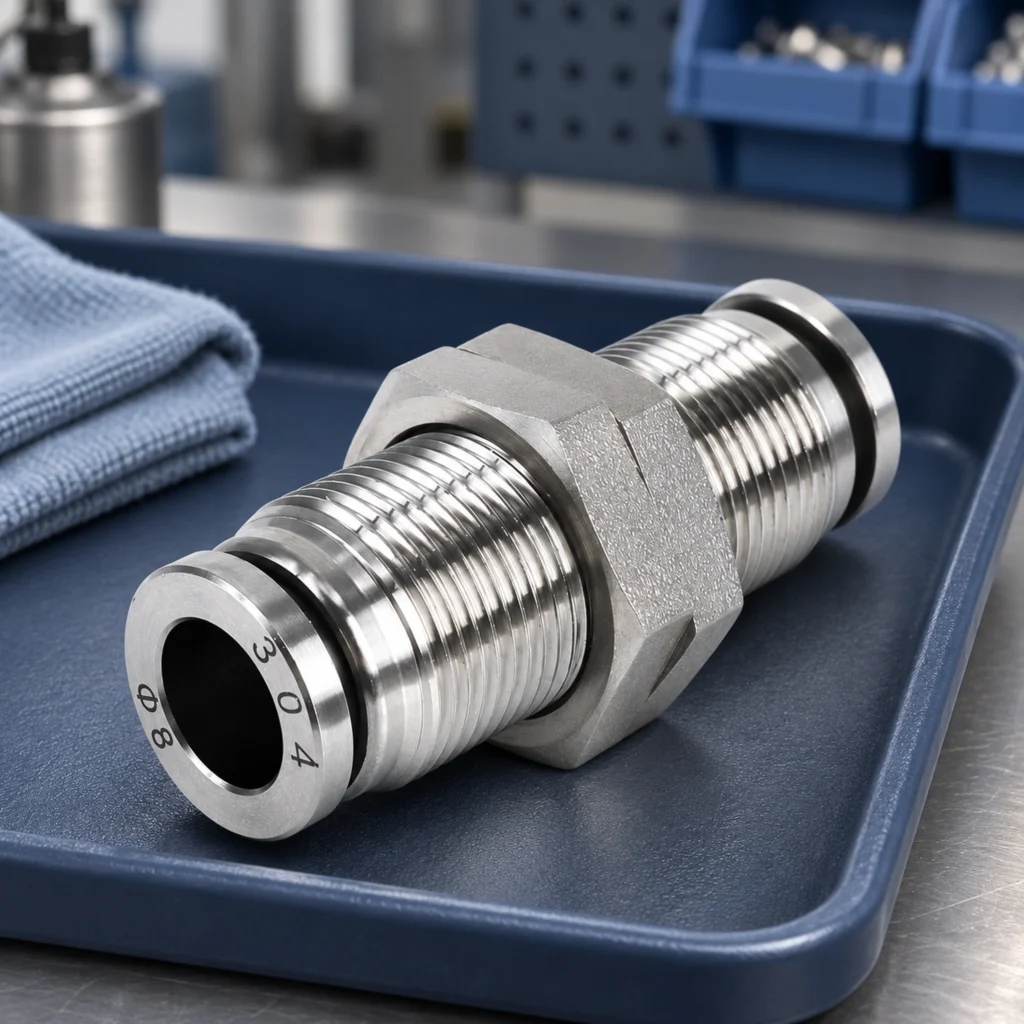
Metric Push-to-Connect Fittings: Choosing 4, 5, 6 and 8 mm Sizes

Metric Push-to-Connect Fittings: Choosing 4, 5, 6 and 8 mm Sizes

A metric push-to-connect fitting is selected by the actual outside diameter of its approved tube. A 6 mm socket is not a general-purpose connector for anything close to 6 mm, and a larger outside diameter does not by itself establish a particular flow capacity. Correct sizing combines tube OD, wall or bore, material, route and operating conditions. This guide covers metric push-to-connect fittings for…
មើលព័ត៌មានលម្អិត
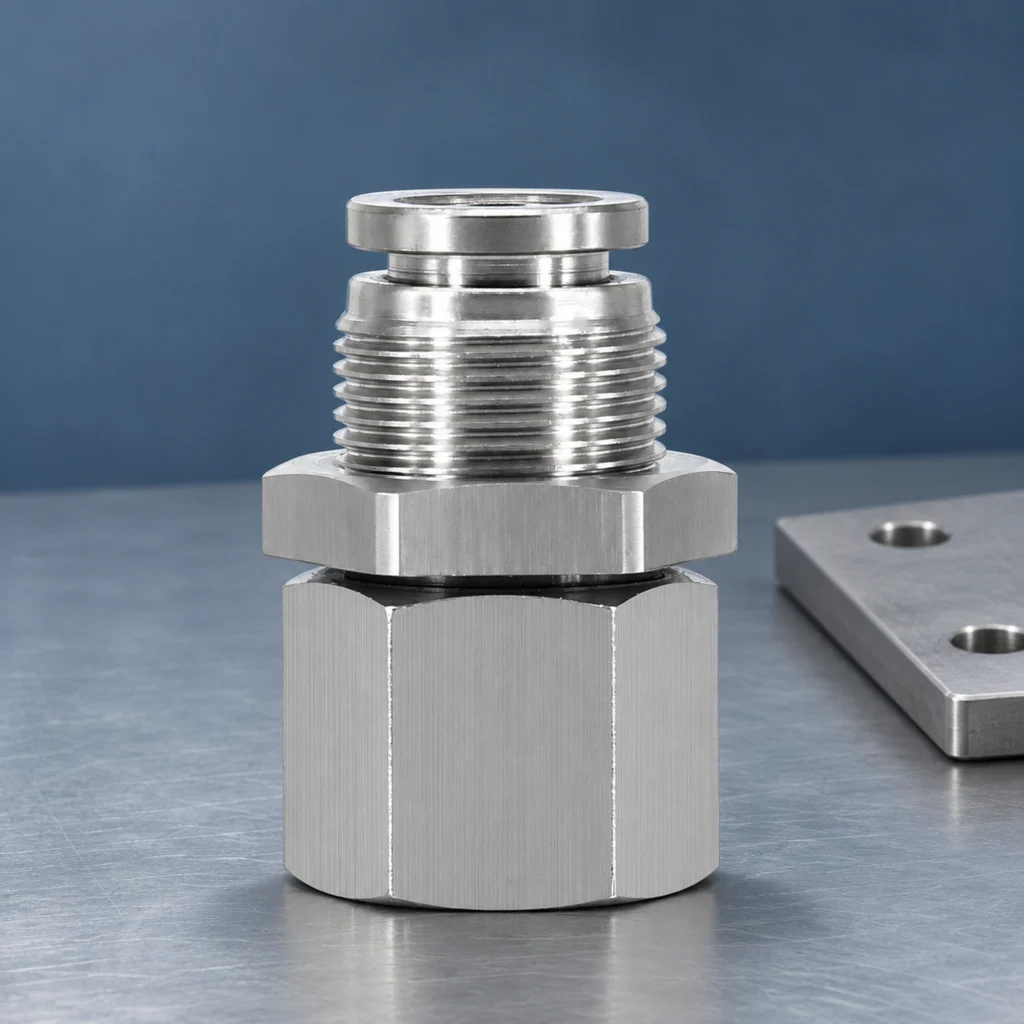
1/4-Inch Push-to-Connect Fittings: Tube and Thread Buying Guide

1/4-Inch Push-to-Connect Fittings: Tube and Thread Buying Guide

“1/4-inch fitting” can mean a fitting for 1/4-inch outside-diameter tubing, a fitting with a nominal 1/4-inch pipe thread, or a component that has both. These are different specifications. Before ordering, identify which end the size describes and whether the application uses air, water or another fluid. A familiar-looking connector is not enough to establish compatibility. This buying guide explains 1/4-inch push-to-connect fittings for pneumatic…

មើលព័ត៌មានលម្អិត
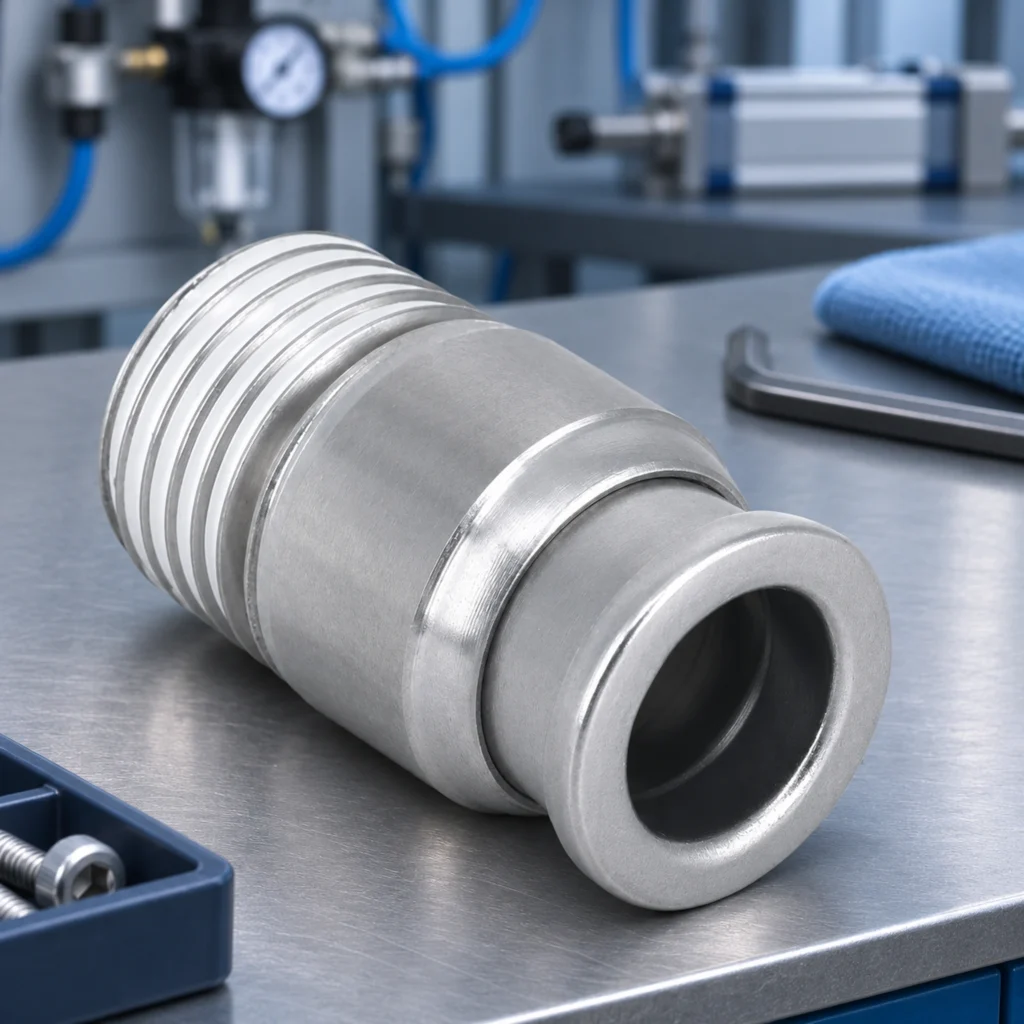
Push-In Tube Fittings: Tube OD, Pipe Threads and Compatibility

Push-In Tube Fittings: Tube OD, Pipe Threads and Compatibility

A push-in fitting is compatible with a tube only when the connection size, material, dimensional tolerance and operating conditions agree. A tube that enters the socket is not necessarily approved for it. Likewise, a threaded end that starts into a port is not proof of the correct thread. These are separate interfaces and should be specified separately. Buyers searching for push-to-connect tube fittings often…

មើលព័ត៌មានលម្អិត
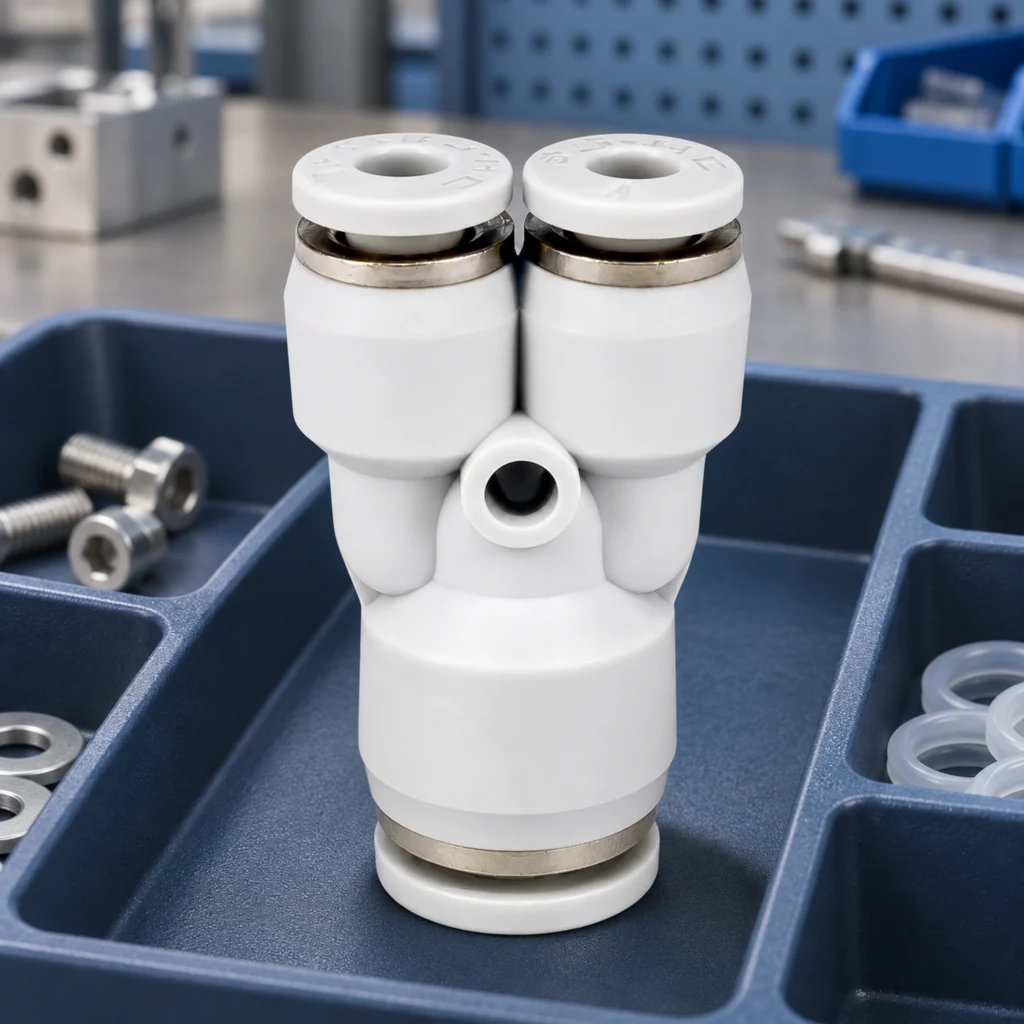
Push-to-Connect Air Fittings: Choosing the Right Shape

Push-to-Connect Air Fittings: Choosing the Right Shape

Choose an air fitting by the connection it must make and the direction the tube needs to leave. A straight union joins tube to tube; a male straight fitting connects tube to a threaded port. Elbows change direction, tees and Y fittings create branches, reducers change tube size, and bulkhead fittings provide a defined connection through a panel. Similar-looking parts can perform different jobs.…

មើលព័ត៌មានលម្អិត
How Do Pneumatic Push-to-Connect Fittings Work?

How Do Pneumatic Push-to-Connect Fittings Work?

A pneumatic push-to-connect fitting performs two separate jobs: it retains the tube and seals around its outside surface. The gripping parts resist withdrawal, while the sealing element limits leakage. The tube must be the correct size and material, with an undamaged surface and full insertion. Feeling a tube catch in the socket is not enough to establish that it is correctly installed. Understanding how…

មើលព័ត៌មានលម្អិត
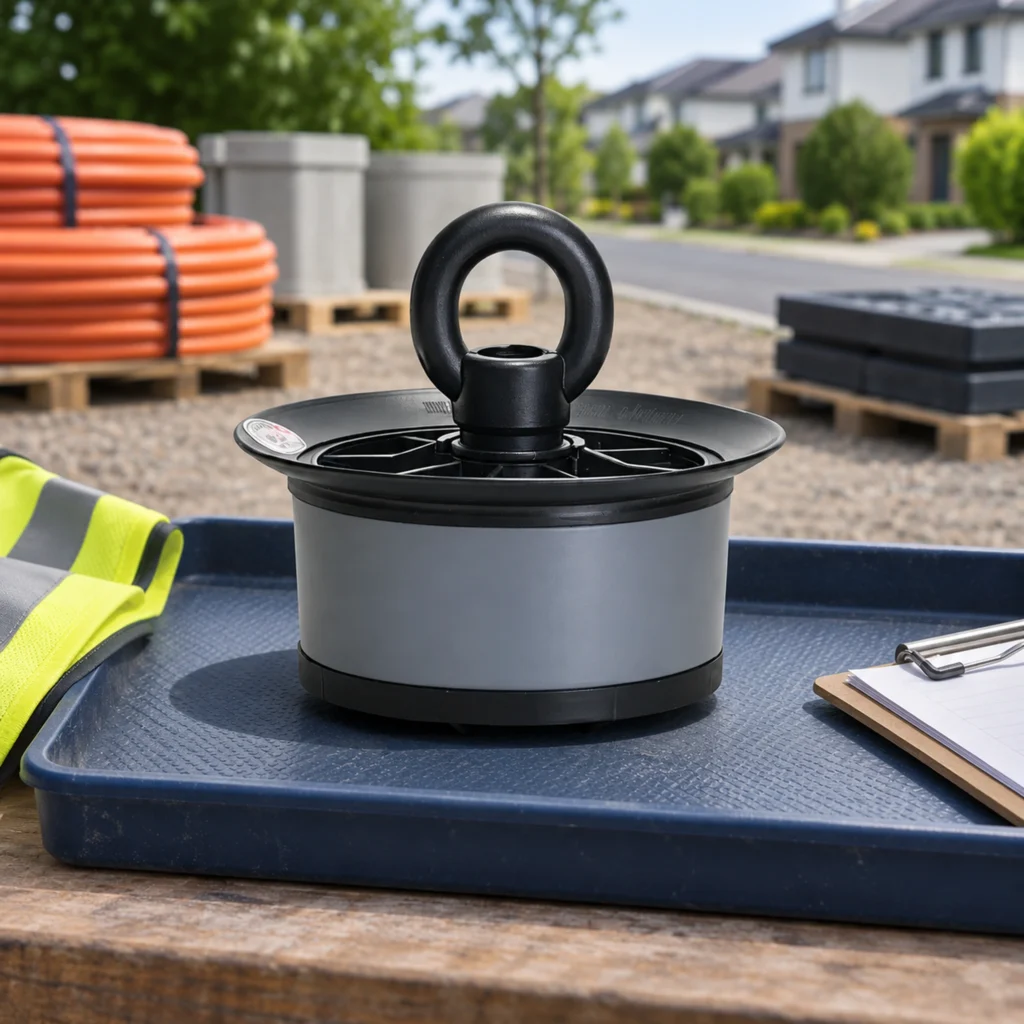
Underground Fiber Optic Cable Installation: A Planning Checklist

Underground Fiber Optic Cable Installation: A Planning Checklist

Underground fiber installation involves two different decisions: how to construct the route and how to place the cable in it. Trenching, plowing, microtrenching and horizontal directional drilling address civil construction. Pulling or blowing cable into an accepted duct is a later operation. Mixing these decisions too early can produce a route that is easy to build but difficult to cable, maintain or expand. This…

មើលព័ត៌មានលម្អិត
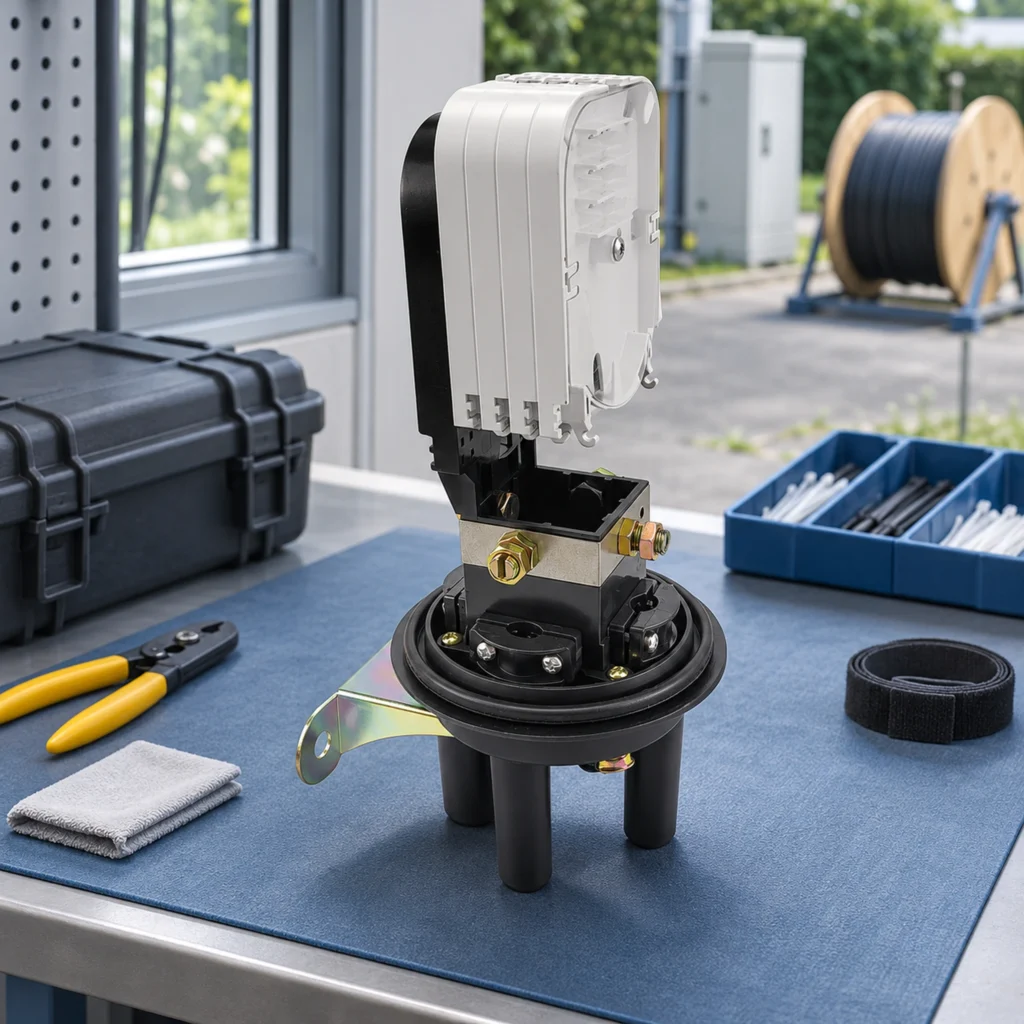
FTTH vs FTTx: Planning Duct Routes for Fiber Access Networks

FTTH vs FTTx: Planning Duct Routes for Fiber Access Networks

FTTH describes a fiber connection that reaches an individual home. FTTx is the broader family of access networks in which fiber ends at different locations, such as a building, street cabinet or premises. For a contractor or procurement team, that endpoint changes the civil route, distribution equipment, property access and final connection work. Buying the same duct package for every architecture can leave the…

មើលព័ត៌មានលម្អិត
ខ្សែកាបអុបទិក: វាដំណើរការយ៉ាងដូចម្តេច និងអ្វីដែលការពារវា

ខ្សែកាបអុបទិក: វាដំណើរការយ៉ាងដូចម្តេច និងអ្វីដែលការពារវា

នៅក្នុងការធ្វើបច្ចុប្បន្នភាពបណ្តាញរោងចក្រមួយដែលជាសេណារីយ៉ូស្មាន, ខ្សែកាបអុបទិកថ្មីដែលត្រូវបានដំឡើង ដំណើរការបានក្នុងពេលធ្វើតេស្តលើកដំបូង ប៉ុន្តែក្លាយជាមិនអាចជឿទុកចិត្តបានបន្ទាប់ពីបានបិទគ្រឿងបន្ទាប់។ ឧបករណ៍បញ្ជូន-ទទួល (transceivers) មានភាពឆបគ្នា ហើយចំនួនខ្សែកាបអុបទិកគឺត្រឹមត្រូវ។ យ៉ាងណាក៏ដោយ, ខ្សែកាបត្រូវបានបង្ខំឱ្យបត់ជាដុំតូចខ្លាំងនៅពីក្រោយផ្ទាំង។ ការយល់ដឹងពីរបៀបដែលខ្សែកាបអុបទិកបញ្ជូនពន្លឺគឺមានប្រយោជន៍, ប៉ុន្តែការយល់ដឹងពីអ្វីដែលការពារខ្សែកាបគឺ…

មើលព័ត៌មានលម្អិត
ការវាស់វែងទំហំបំពង់ខ្សែកាបអុបទិក៖ 1-Inch ប្រឆាំងនឹងបំពង់ 1-1/4-Inch

ការវាស់វែងទំហំបំពង់ខ្សែកាបអុបទិក៖ 1-Inch ប្រឆាំងនឹងបំពង់ 1-1/4-Inch

ស្រមៃមើលអ្នកជាប់កិច្ចសន្យាផ្នែកបណ្តាញកំពុងប្រៀបធៀបទុយោខាងក្នុងទំហំ 1-inch និង 1 ចំនួន ¼ អ៊ីញ សម្រាប់បរិវេណឃ្លាំងមួយនៅទីក្រុង Leeds។ ជម្រើសដែលតូចជាងមើលទៅថោកជាង ហើយខ្សែកាប់ក៏អាចស៊ីបចូលទៅក្នុងគំរូបានដែរ។ ទោះយ៉ាងណា ការផ្តល់តម្លៃនោះមិនបានរាប់បញ្ចូលប្រព័ន្ធវិមាត្រ កម្រាស់ជញ្ជាំង និងចន្លោះទំនេរនៅតាមចំណុចភ្ជាប់ដែលបានស្នើឡើងឡើយ។ ការជ្រើសរើសដោយផ្អែកលើឈ្មោះប្រើប្រាស់តែមួយមុខអាចធ្វើឱ្យមានចន្លោះប្រើប្រាស់តិចពេកនៅចំណុចដែលសំខាន់។ ការកំណត់ទំហំទុយោខាងក្នុងសម្រាប់ខ្សែកាបអុបទិកចាប់ផ្តើម…

មើលព័ត៌មានលម្អិត