APPROFONDIMENTI SUL SETTORE

Notizie e Blog

Notizie del settore, guide tecniche e approfondimenti pratici sui progetti per i professionisti dei microdotti, dell'installazione di fibre e delle connessioni pneumatiche.

Ultimi Articoli

Articoli

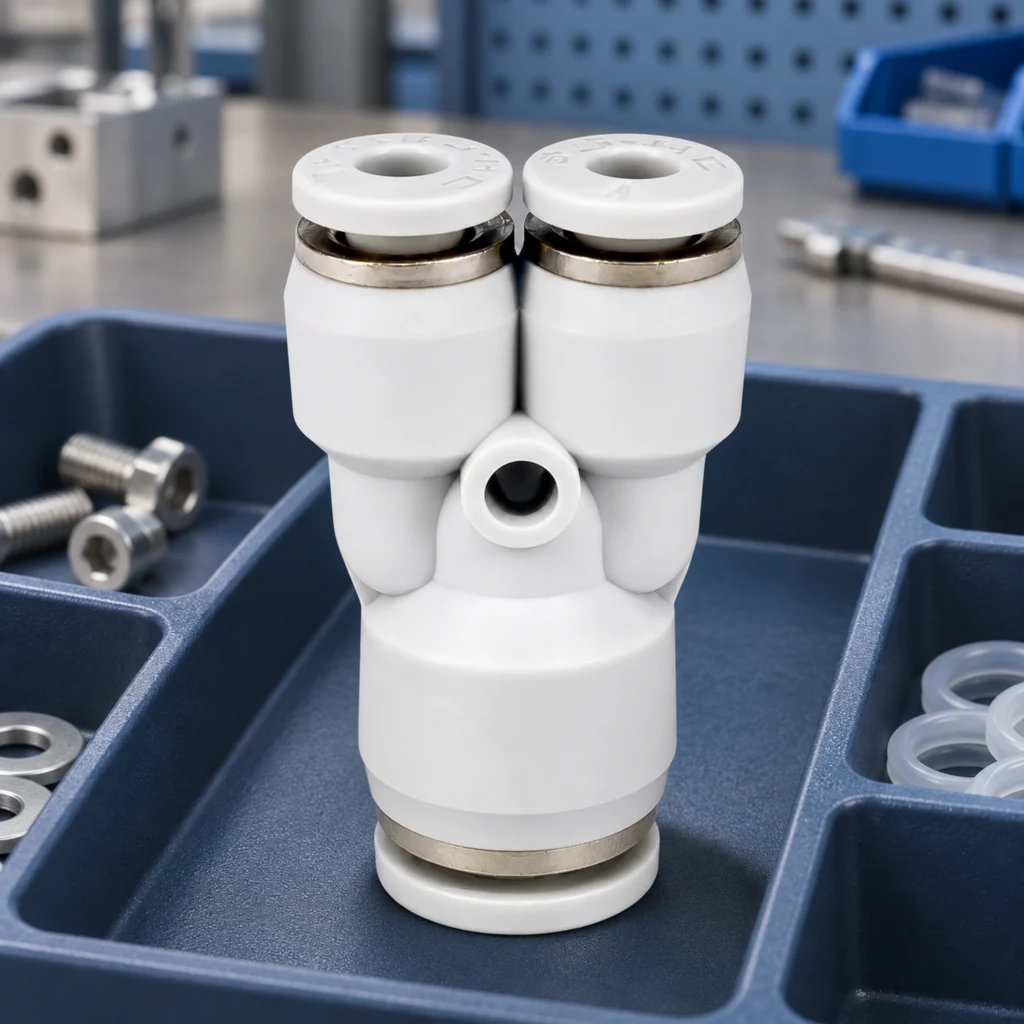
Metric Push-to-Connect Fittings: Choosing 4, 5, 6 and 8 mm Sizes

Metric Push-to-Connect Fittings: Choosing 4, 5, 6 and 8 mm Sizes

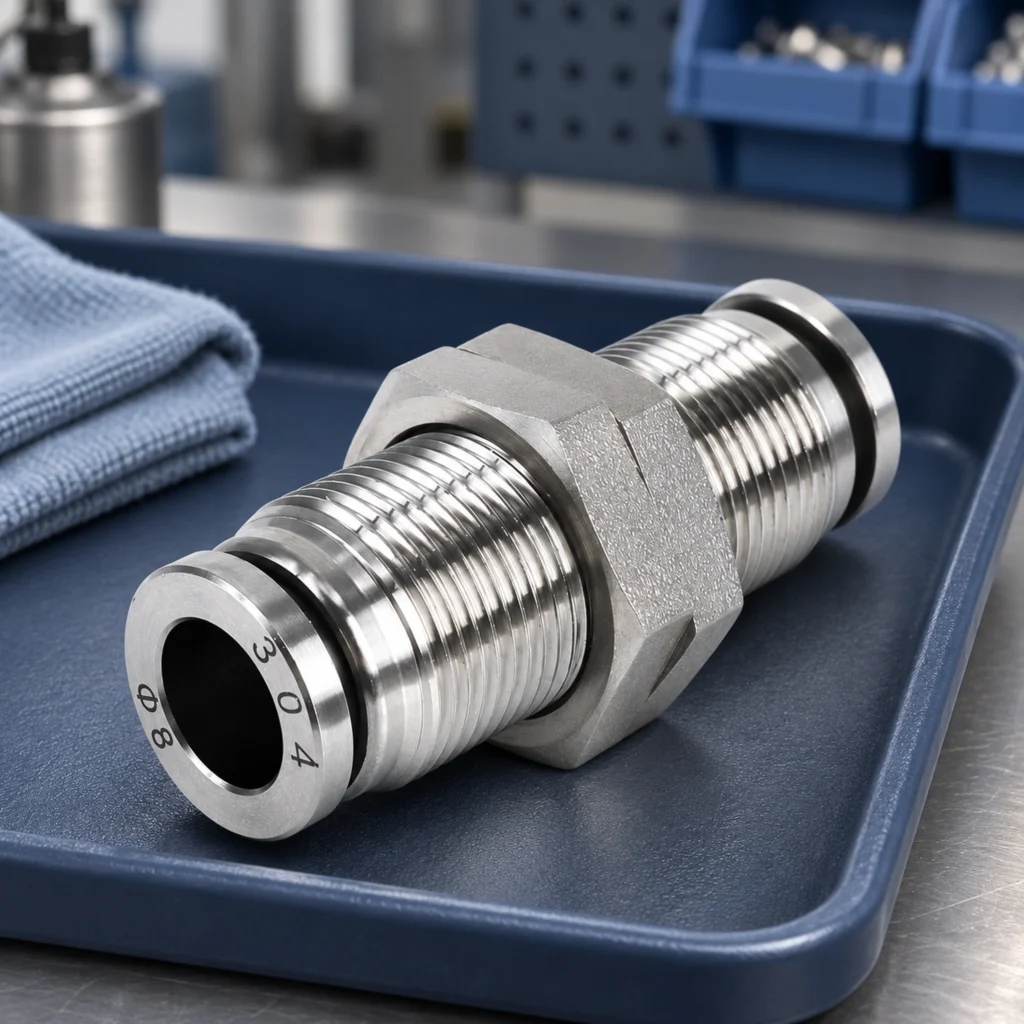
A metric push-to-connect fitting is selected by the actual outside diameter of its approved tube. A 6 mm socket is not a general-purpose connector for anything close to 6 mm, and a larger outside diameter does not by itself establish a particular flow capacity. Correct sizing combines tube OD, wall or bore, material, route and operating conditions. This guide covers metric push-to-connect fittings for…
Visualizza Dettaglio
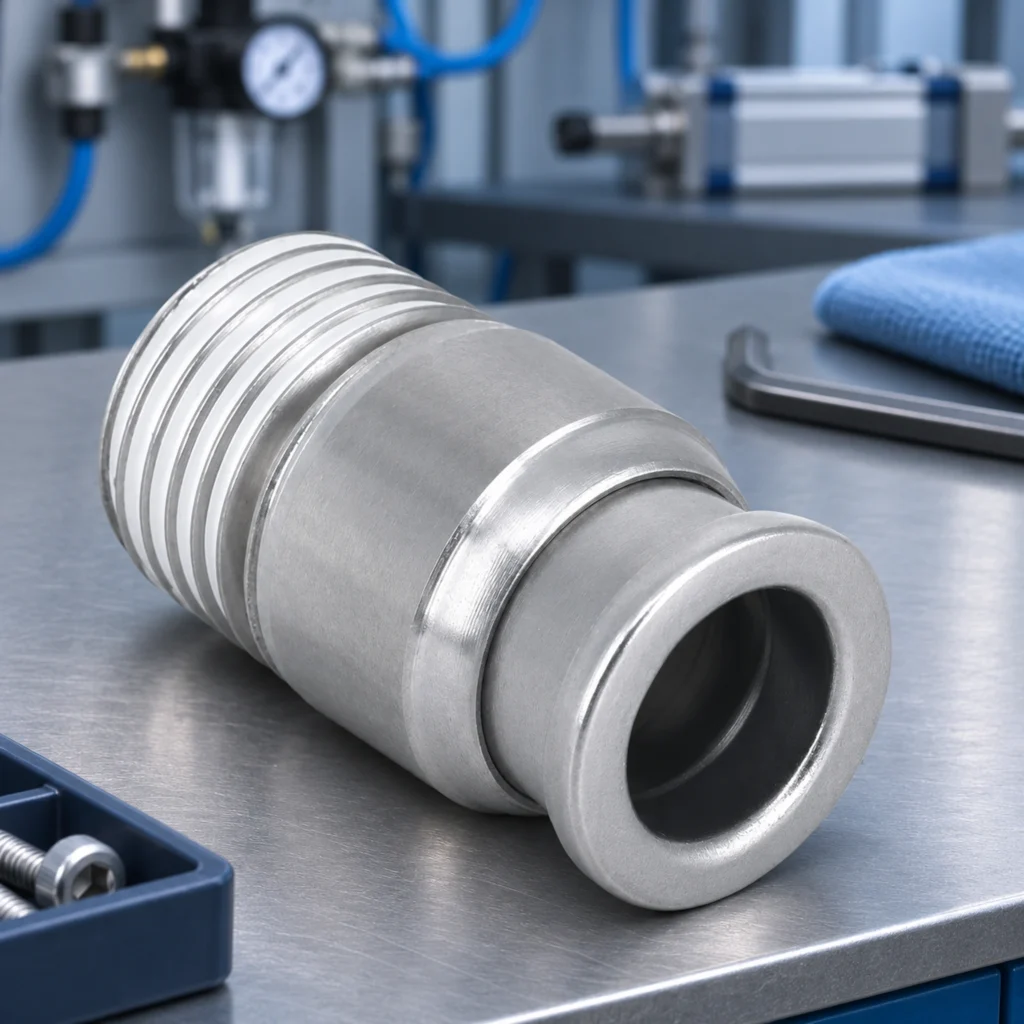
1/4-Inch Push-to-Connect Fittings: Tube and Thread Buying Guide

1/4-Inch Push-to-Connect Fittings: Tube and Thread Buying Guide

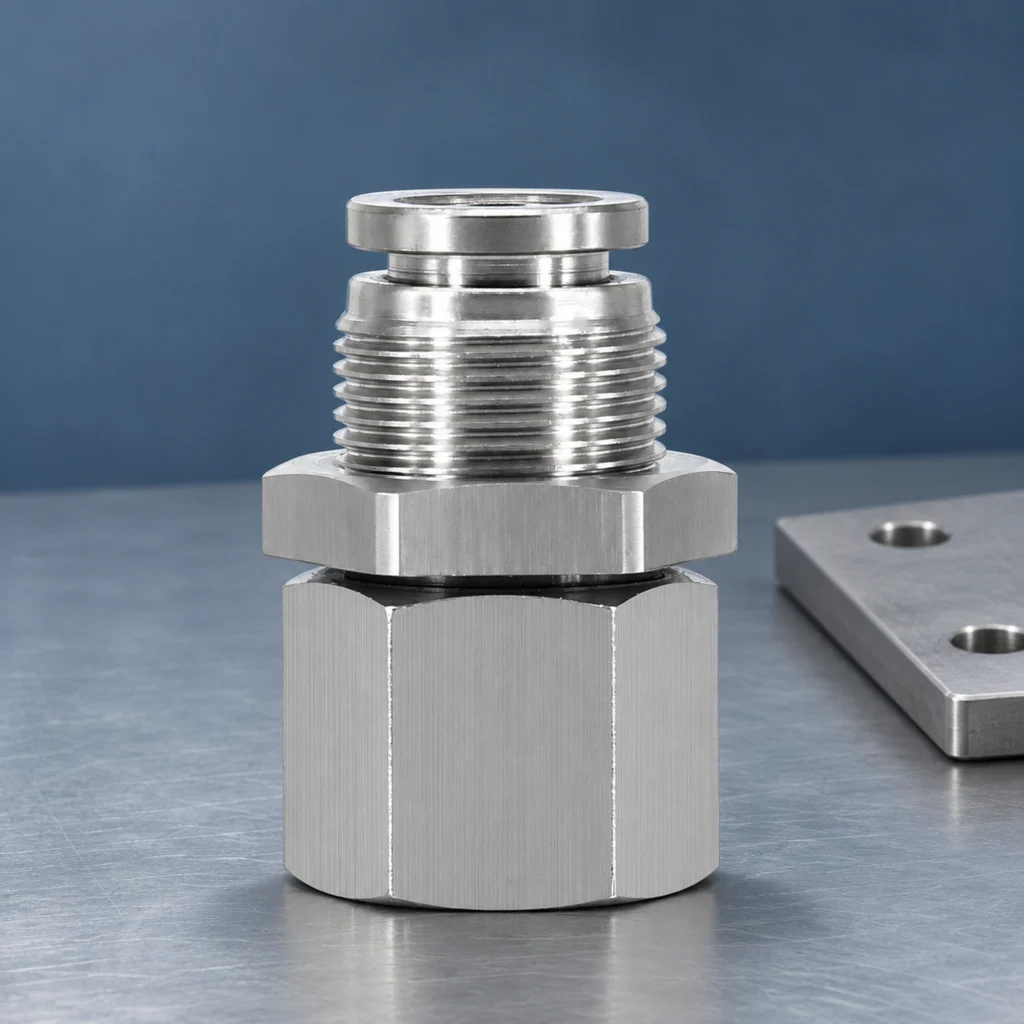
“1/4-inch fitting” can mean a fitting for 1/4-inch outside-diameter tubing, a fitting with a nominal 1/4-inch pipe thread, or a component that has both. These are different specifications. Before ordering, identify which end the size describes and whether the application uses air, water or another fluid. A familiar-looking connector is not enough to establish compatibility. This buying guide explains 1/4-inch push-to-connect fittings for pneumatic…

Visualizza Dettaglio
Push-In Tube Fittings: Tube OD, Pipe Threads and Compatibility

Push-In Tube Fittings: Tube OD, Pipe Threads and Compatibility

A push-in fitting is compatible with a tube only when the connection size, material, dimensional tolerance and operating conditions agree. A tube that enters the socket is not necessarily approved for it. Likewise, a threaded end that starts into a port is not proof of the correct thread. These are separate interfaces and should be specified separately. Buyers searching for push-to-connect tube fittings often…

Visualizza Dettaglio
Push-to-Connect Air Fittings: Choosing the Right Shape

Push-to-Connect Air Fittings: Choosing the Right Shape

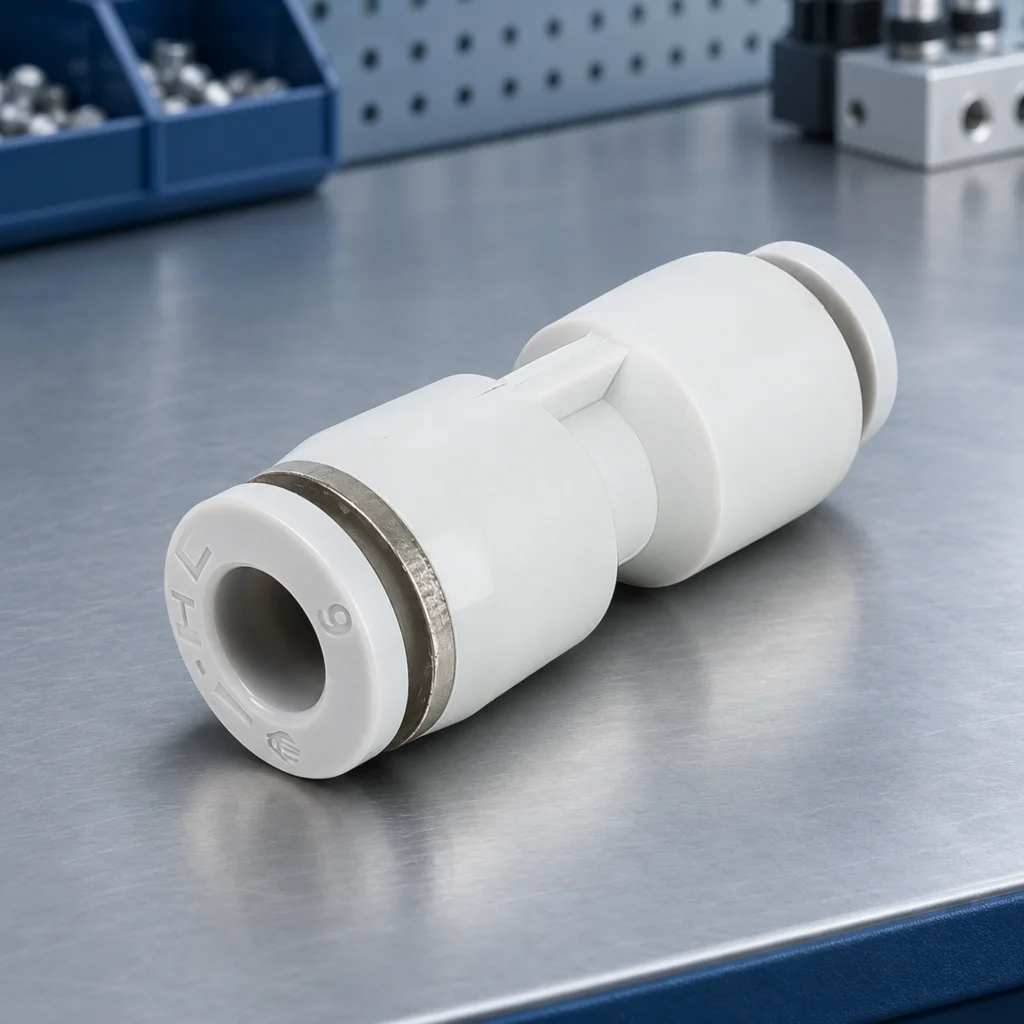
Choose an air fitting by the connection it must make and the direction the tube needs to leave. A straight union joins tube to tube; a male straight fitting connects tube to a threaded port. Elbows change direction, tees and Y fittings create branches, reducers change tube size, and bulkhead fittings provide a defined connection through a panel. Similar-looking parts can perform different jobs.…

Visualizza Dettaglio
How Do Pneumatic Push-to-Connect Fittings Work?

How Do Pneumatic Push-to-Connect Fittings Work?

A pneumatic push-to-connect fitting performs two separate jobs: it retains the tube and seals around its outside surface. The gripping parts resist withdrawal, while the sealing element limits leakage. The tube must be the correct size and material, with an undamaged surface and full insertion. Feeling a tube catch in the socket is not enough to establish that it is correctly installed. Understanding how…

Visualizza Dettaglio
Underground Fiber Optic Cable Installation: A Planning Checklist

Underground Fiber Optic Cable Installation: A Planning Checklist

Underground fiber installation involves two different decisions: how to construct the route and how to place the cable in it. Trenching, plowing, microtrenching and horizontal directional drilling address civil construction. Pulling or blowing cable into an accepted duct is a later operation. Mixing these decisions too early can produce a route that is easy to build but difficult to cable, maintain or expand. This…

Visualizza Dettaglio
FTTH vs FTTx: Planning Duct Routes for Fiber Access Networks

FTTH vs FTTx: Planning Duct Routes for Fiber Access Networks

FTTH describes a fiber connection that reaches an individual home. FTTx is the broader family of access networks in which fiber ends at different locations, such as a building, street cabinet or premises. For a contractor or procurement team, that endpoint changes the civil route, distribution equipment, property access and final connection work. Buying the same duct package for every architecture can leave the…

Visualizza Dettaglio
Cavo in fibra ottica: come funziona e cosa lo protegge

Cavo in fibra ottica: come funziona e cosa lo protegge

In un ipotetico aggiornamento della rete di una fabbrica a Birmingham, un collegamento in fibra ottica appena installato funziona durante il primo test, ma diventa poco affidabile dopo la chiusura dell’armadio. I ricetrasmettitori sono compatibili e il numero di fibre è corretto. Tuttavia, il cavo è stato piegato in una curva stretta dietro il pannello. Comprendere come la fibra ottica trasmette la luce è utile, ma ancor più importante è capire cosa protegge il cavo…

Visualizza Dettaglio
Dimensionamento dei cavidotti in fibra ottica: cavidotto 1-Inch rispetto a 1-1/4-Inch

Dimensionamento dei cavidotti in fibra ottica: cavidotto 1-Inch rispetto a 1-1/4-Inch

Immagina un appaltatore di reti che confronta l’innerduct da 1-inch e quello da 1 da un quarto di pollice per un campus di magazzini a Leeds. L’opzione più piccola sembra più economica e il cavo entra in un campione. Tuttavia, il preventivo omette il sistema dimensionale, lo spessore della parete e il gioco necessario per passare attraverso il raccordo proposto. Scegliere basandosi esclusivamente sul nome nominale potrebbe lasciare troppo poco spazio utile nel punto che conta. La dimensione degli innerduct per fibre ottiche inizia…

Visualizza Dettaglio