
នៅពេលដែលអ្នកគ្រប់គ្រងការសាងសង់បណ្តាញនៅទីក្រុង Bristol បានជួបប្រទះនូវការព្រមានអំពីការបាត់បង់ខ្យល់អាកាសអំឡុងពេលការត្រួតពិនិត្យមុនពេលផ្លុំខ្យល់ ក្រុមការងារបានជំនួសឧបករណ៍ភ្ជាប់ដែលអាចមើលឃើញបាន ប៉ុន្តែការធ្វើតេស្តនៅតែបរាជ័យម្តងទៀត។ នៅក្នុងស្ថានការណ៍ដែលបានបង្ហាញនេះ មិនមានការបញ្ជាក់ថាមានកំហុសឆ្គងលើផលិតផលនោះទេ៖ បញ្ជីសម្ភារៈបានចាត់ទុកចំណុចតភ្ជាប់តាមបន្ទាត់ សាខាដែលមិនបានប្រើ និងការផ្លាស់ប្តូរទំហំ ជាឧបករណ៍ភ្ជាប់ដែលអាចជំនួសគ្នាបាន។ ក្រុមការងារបានកែតម្រូវសេចក្តីពិពណ៌នាបច្ចេកទេស ដោយកំណត់មុខងារ និងចំណុចប្រសព្វបំពង់ខ្យល់ច្បាស់លាស់សម្រាប់គ្រប់ទីតាំង។.
សេចក្តីសង្ខេប៖ ពាក្យសម្ដីនេះ គ្រឿងបន្លាស់ទុយោ FTTH ពិពណ៌នាអំពីប្រភេទដ៏ទូលំទូលាយមួយ; ឧបករណ៍ភ្ជាប់ត្រង់គឺជាប្រភេទមួយដែលត្រូវបានប្រើដើម្បីភ្ជាប់បំពង់ពីរដែលស៊ីគ្នានៅក្នុងខ្សែ។ មុនពេលជ្រើសរើសម៉ូដែល សូមបញ្ជាក់អំពីអង្កត់ផ្ចិតខាងក្រៅ រចនាសម្ព័ន្ធជញ្ជាំង ការបញ្ចូល បរិស្ថាន និងការធ្វើតេស្តទទួលយក។ ស៊េរី ITU-T L.79 និង IEC 60794 ផ្តល់នូវបរិបទប្រព័ន្ធ និងការធ្វើតេស្ត មិនមែនជាភស្តុតាងថាឧបករណ៍ភ្ជាប់សមស្របសម្រាប់គម្រោងរបស់អ្នកឡើយ។.
ជ្រើសរើសផលិតផលតាមមុខងារ មិនមែនតាមឈ្មោះក្នុងបញ្ជី
ខ្សែ FTTH ប្រើបំពង់ដើម្បីតម្រង់ទិស និងការពារខ្សែកាបអុបទិក ឬផ្នែកខ្សែកាបដែលអាចបញ្ចូលបាន។ សូមមើល តួនាទីរបស់ឧបករណ៍ភ្ជាប់មីក្រូឌាក់ត៍ក្នុងបណ្តាញ FTTH សម្រាប់បរិបទនៃប្រព័ន្ធ។ ការបញ្ចប់, ការបែងចែក, ការផ្លាស់ប្តូរ, និងការជួសជុល សុទ្ធតែបង្ហាញពីភារកិច្ចនៃការតភ្ជាប់ដែលខុសៗគ្នា។.
“Duct fitting” គឺជាការពិពណ៌នាប្រភេទមួយដែលរួមបញ្ចូលការតភ្ជាប់ត្រង់, ឧបករណ៍បន្ថយ, គម្របបញ្ចប់, ការតភ្ជាប់សាខា, និងចំណុចប្រសព្វផ្សេងទៀត។ “Coupler” មានន័យតូចជាងនេះ នៅពេលវាមានន័យថាជាភ្ជាប់ត្រង់ដែលមានពីរខ្លឹម, ទោះបីជាពាក្យបច្ចេកទេសប្រែប្រួលទៅតាមអ្នកផ្គត់ផ្គង់ក៏ដោយ។ ឃ្លាស្វែងរកដូចជា គ្រឿងតភ្ជាប់មីក្រូឌាក់ទិកផ្នែកទូរគមនាគមន៍ មិនបានកំណត់អត្តសញ្ញាណរូបវិទ្យា ទំហំលំហូរខ្យល់ ការប៉ះពាល់ ឬតម្រូវការនៃការទទួលយកឡើយ; គំនូរដែលបានគ្រប់គ្រង និងទិន្នន័យផលិតផលជាក់លាក់ត្រូវធ្វើការកំណត់ចំណុចទាំងនេះ។.
អត្ថបទនេះធ្វើការប្រៀបធៀបប្រភេទជាទូទៅ មិនមែនគំរូដែលមានឈ្មោះជាក់លាក់ឡើយ។ ទំព័រផលិតផលដែលភ្ជាប់មកជាមួយបង្ហាញពីទម្រង់សមាសធាតុ; ពួកវាមិនបានបញ្ជាក់ពីភាពឆបគ្នាជាមួយបំពង់ខ្យល់ សម្ពាធផ្លូវ អាកាសធាតុ ឬលក្ខណៈវិនិច្ឆ័យរបស់អតិថិជនជាក់លាក់ណាមួយឡើយ។.
នៅពេលដែលត្រូវការឧបករណ៍ផ្សាភ្ជាប់បំពង់ខ្យល់ពេញលេញ ជំនួសឱ្យឧបករណ៍ផ្សាភ្ជាប់ត្រង់
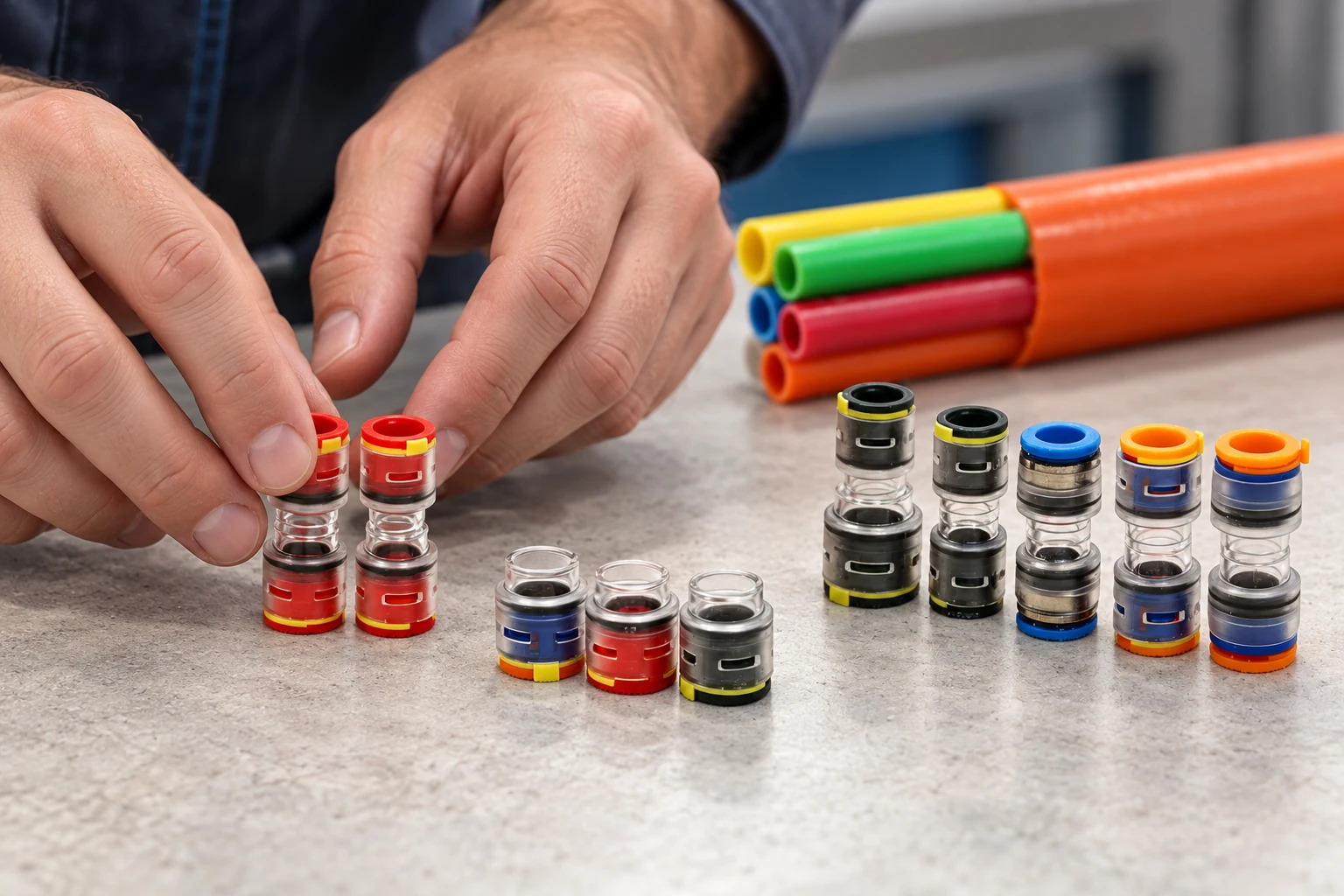
ឧបករណ៍ភ្ជាប់ត្រង់មួយគ្រឿងភ្ជាប់ចុងទុយោពីរដែលស៊ូ៉មិនគ្នាទៅលើអ័ក្សតែមួយ។ វាអាចពង្រីក ឬជួសជុលខ្សែទុយោបាន នៅពេលដែលឯកសារបញ្ជាក់ជាក់លាក់អនុញ្ញាតឱ្យប្រើប្រាស់បែបនេះ។ លក្ខណៈអាចបញ្ចូលបានតែមួយមុខមិនអាចធានាបាននូវភាពស្អិត ការរក្សាទុក ភាពជាប់លាប់នៃផ្នែកខាងក្នុង ឬភាពសមស្របទៅនឹងបរិស្ថានឡើយ។.
ប្រភេទផ្សេងទៀតឆ្លើយតបនឹងសំណួរផ្សេងៗគ្នា៖ ឧបករណ៍បន្ថយធ្វើការជាមួយការផ្លាស់ប្តូរទំហំដែលបានកំណត់ ខណៈដែលឧបករណ៍បញ្ចប់បិទបំពង់ដែលមិនត្រូវបានប្រើ។ មុខងារទប់ស្កាត់ឧស្ម័ន ឬទឹកមិនត្រូវបានសន្មតឡើយពីឧបករណ៍ភ្ជាប់ធម្មតា។ នេះ ឧទាហរណ៍ផលិតផលចុងក្រោយ បង្ហាញពីមូលហេតុដែលពាក្យថា “fitting,” “cap,” “joint,” និង “coupler” មិនមែនជាពាក្យសមរម្យដែលអាចជំនួសគ្នាបានឡើយ។.
ពាក្យសម្ដីនេះ ខ្សែកាបអុបទិកមីក្រូឌាក់ត៍ ក៏ជាការស្វែងរកដោយប្រើពាក្យកាត់ផងដែរ មិនមែនជាលក្ខណៈបច្ចេកទេសឡើយ។ ការពិពណ៌នាអំពីការទិញគួរតែបញ្ជាក់ពីមុខងារ ទិន្នន័យលំហូរខ្យល់សម្រាប់ភាគីទាំងពីរ ទីតាំងនៃខ្សែផ្លូវ វិធីសាស្ត្រដំឡើង និងឯកសារអនុម័ត។ នេះជួយបញ្ចៀសការប្រើប្រាស់ឧបករណ៍តភ្ជាប់ដោយផ្ទាល់ (straight union) ជំនួសឱ្យឧបករណ៍បិទ ឬបន្ទាប់បន្សំដែលត្រូវការ។.
ឧបករណ៍ភ្ជាប់ត្រង់មួយ ត្រូវការចំហៀងទុយោដែលសមនឹងគ្នា។
ចាប់ផ្តើមដោយអង្កត់ផ្ចិតខាងក្រៅ និងភាពបត់បែនរបស់ក្រុមហ៊ុនផលិតទុយោ បន្ទាប់មកកត់ត្រាអង្កត់ផ្ចិតខាងក្នុង ឬរចនាសម្ព័ន្ធជញ្ជាំង។ ទុយោដែលមានស្លាកសញ្ញាជាមធ្យមដូចគ្នា អាចមានភាពខុសគ្នាខាងលើភាពបត់បែន, ភាពរឹង, ស្ថានភាពផ្ទៃ, ឬជួរនៃឧបករណ៍ភ្ជាប់ដែលត្រូវបានអនុម័ត។ សូមទទួលបានការបញ្ជាក់ជាលាយលក្ខណ៍អក្សរសម្រាប់ចំណុចប្រសព្វដែលច្បាស់លាស់។.
បន្ទាប់មក ត្រូវពិនិត្យរូបរាងសន្លាក់។ អ្នកដំឡើងត្រូវការចុងដែលជ្រុងស្មើ និងមិនខូច, ជម្រៅនៃការបញ្ចូលដែលបានកំណត់, និងវិធីមួយដើម្បីបញ្ជាក់ថាវាត្រូវបានដាក់ចូលគ្រប់គ្រាន់។ ផ្នែកខាងក្រៅដែលមើលឃើញ ឬលក្ខណៈពិសេសសម្រាប់ទស្សនា អាចជួយក្នុងការត្រួតពិនិត្យ ប៉ុន្តែមិនអាចបញ្ជាក់ពីភាពរឹងមាំនៃសម្ពាធបានឡើយ; សេចក្តីណែនាំ និងនីតិវិធីសាកល្បងរបស់គម្រោងនៅតែជាអ្នកកំណត់។.
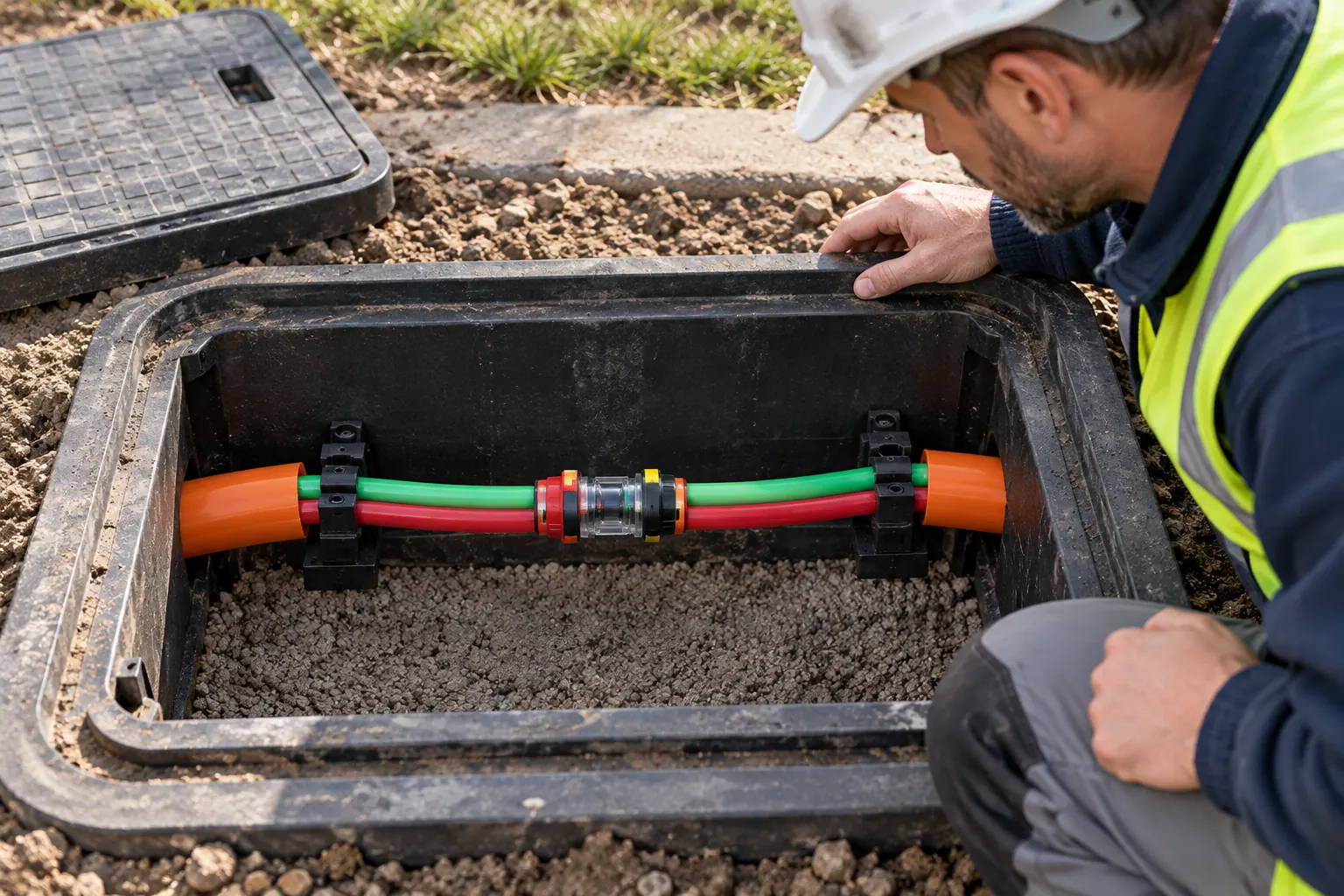
ជាចុងក្រោយ ត្រូវកំណត់ពីបរិស្ថាននៃការដំឡើង៖ លក្ខខណ្ឌនៃការបញ្ចុះ, រន្ធដៃ, ច្រកចូលអគារ, និងការដាក់នៅក្នុងកែបដែលបើកចំហ អាចមានភាពខុសប្លែកពីគ្នា។ សូមផ្ទៀងផ្ទាត់ពីភាពសមស្របពីឯកសារផលិតផលជាក់លាក់។ នេះ ឧទាហរណ៍ផលិតផលមីក្រូឌុក HDPE អាចចាប់ផ្តើមការពិភាក្សាអំពីប្រព័ន្ធ ប៉ុន្តែវាមិនបញ្ជាក់ថា គ្រឿងតភ្ជាប់ដែលបានជ្រើសរើស និងទុយោខ្យល់ បង្កើតបានជាដៃគូដែលត្រូវបានអនុម័តឡើយ។.
ប្រៀបធៀបគ្រឿងតភ្ជាប់ដោយផ្អែកលើមុខងារ ការសមស្រប និងភស្តុតាង
| កត្តាសម្រេចចិត្ត | ប្រភេទឧបករណ៍តភ្ជាប់ខ្សែ FTTH ជាទូទៅ | ប្រភេទឧបករណ៍ភ្ជាប់ត្រង់ |
|---|---|---|
| គោលបំណងចម្បង | គ្របដណ្តប់លើមុខងារនៃការភ្ជាប់, ការបន្ថយ, ការបិទ, ការបែកចេញ, ការដាក់ឱ្យនៅដាច់ពីគ្នា, ឬការផ្លាស់ប្តូរ | ភ្ជាប់បំពង់ខ្យល់ពីរដែលសមនឹងគ្នាទៅតាមលំដាប់ |
| ចំណុចចាប់ផ្តើមនៃការជ្រើសរើស | មុខងារបណ្តាញដែលត្រូវការនៅទីតាំង | ទិន្នន័យចំណុចប្រសព្វសម្រាប់ចុងទាំងពីរនៃលំហូរខ្យល់ |
| សំណួរអំពីភាពឆបគ្នា | តើការតំរូវចំណុចប្រទាក់ដ៏ច្បាស់លាស់អាចបំពេញមុខងារដែលត្រូវការ ក្រោមលក្ខខណ្ឌដែលបានកំណត់នោះដែរឬទេ? | តើម៉ូដែលពិតប្រាកដនេះទទួលយកទាំងធ្មេញខ្យល់ និងរក្សាបាននូវផ្លូវដែលត្រូវការដែរឬទេ? |
| ការត្រួតពិនិត្យការដំឡើង | អាស្រ័យលើប្រភេទនៃការតភ្ជាប់ និងការណែនាំរបស់ក្រុមហ៊ុនផលិត | គុណភាពនៃការកាត់, ភាពស្អាត, ការបញ្ចូល, ការរក្សាទុក, និងការត្រួតពិនិត្យការលេចធ្លាយ ឬសម្ពាធដែលបានកំណត់ |
| និន្នាការថ្លៃដើមឯកតា | ប្រែប្រួលទៅតាមមុខងារ និងឯកសារណែនាំ; គ្មានការសន្មត់ណាមួយដែលអាចជឿទុកចិត្តបានសម្រាប់គ្រប់ប្រភេទទេ។ | ជាញឹកញាប់មានមុខងារសាមញ្ញ ប៉ុន្តែតម្លៃទិញតែមួយគត់អាចការពារហានិភ័យនៃការធ្វើការឡើងវិញបាន |
| ការថែទាំ និង TCO | ដោយផ្អែកលើការចូលប្រើ ការត្រួតពិនិត្យ ដំណើរការជំនួស និងផលវិបាកនៃការខូចខាត | ដោយផ្អែកលើចំនួនចំណុចភ្ជាប់, ភាពងាយស្រួលក្នុងការចូលប្រើ, ការគ្រប់គ្រងការតំឡើង, និងការបញ្ជាក់ពីភាពសមស្រប |
បញ្ហានៃតម្លៃសរុបគឺជាបញ្ហាប្រាកដនិយម៖ ការតភ្ជាប់ដែលមានតម្លៃថោក ប៉ុន្តែត្រូវបានកំណត់លក្ខណៈមិនត្រឹមត្រូវ អាចប្រើពេលវេលារបស់ក្រុមការងារក្នុងការរកកន្លែងខូច និងធ្វើឱ្យយឺតយ៉ាវដល់ដំណាក់កាលដំឡើងបន្ទាប់។ ការថ្លែងនេះគឺជាគោលការណ៍ទិញទំនិញ មិនមែនជាការអះអាងអំពីដំណើរការនៅទីតាំងជាក់លាក់នៃម៉ូដែលណាមួយឡើយ។ ត្រូវប្រៀបធៀបកញ្ចប់ភ័ស្តុតាង និងតម្លៃនៃការចូលប្រើ ឬការកែសម្រួលឡើងវិញ មិនមែនគ្រាន់តែប្រៀបធៀបតម្លៃក្នុងមួយគ្រឿងនោះទេ។.
ប្រើលក្ខខណ្ឌនៃផ្លូវដើម្បីបង្កើតម៉ាទ្រីសជម្រើស
| ស្ថានភាពគម្រោង | ប្រភេទដែលទំនងជាសមស្របក្នុងការពិនិត្យ | ភស្តុតាងដែលត្រូវទទួលបានមុនពេលអនុម័ត |
|---|---|---|
| បំពង់ចុងពីរដូចគ្នាសម្រាប់ការតភ្ជាប់មួយ | ឧបករណ៍ភ្ជាប់ត្រង់ | Accepted duct dimensions, insertion instruction, environmental limits, and test conditions |
| Ducts with different outside diameters | Purpose-designed reducer or transition fitting | Approved size mapping for both sides and pathway geometry |
| Same outside diameter but different wall construction | Model confirmed by both duct and fitting documentation | Written compatibility confirmation; do not infer it from outside diameter alone |
| Unused duct awaiting future service | End closure specified for that duty | Closure instructions, environment limits, and reopening or replacement guidance |
| Building entry or another defined boundary | Boundary-control fitting identified by the network design | Project requirements and exact, substantiated product function |
មួយ HDPE telecom coupler should therefore be treated as procurement shorthand until the supplier identifies the exact model and its documented application. If a row in the matrix cannot be completed from controlled documents, pause the substitution rather than filling the gap with a generic claim.
What the Standards Cover—and What They Do Not Approve
ITU-T L.79 describes optical fiber cable elements for microduct blowing-installation applications. IEC 60794-5-20 addresses outdoor microduct fiber units, microducts, and protected microducts for blown installation. These publications define system context; citing them does not certify a fitting or create a rating.
IEC 60794-1-21 covers mechanical test methods for optical fiber cables; IEC 60794-1-22 covers environmental methods. They are not blanket approvals for surrounding components. Ask which edition, method, specimen, conditioning, and acceptance criterion apply, then request evidence for the offered model. Market rules and network-owner specifications may add requirements.
Unsupported claims can cause submittal rejection, delay, or substitution disputes. Use “tested according to” only with a traceable report, and “compliant” only after reviewing the applicable scope and evidence.
Confirm the Model and Documents Before Substitution
- Mark every fitting location on the route and name its required function before requesting prices.
- Provide the controlled duct datasheet for each side of every joint, including tolerances rather than only nominal size.
- Request the proposed model’s current datasheet, installation instructions, environmental limits, and applicable test evidence.
- Define the site inspection and acceptance record before installation begins; do not invent a pressure or temperature limit when the project documents are silent.
- Control substitutions by exact model and revision, because a generic category name cannot demonstrate equivalence.
Microduct Connector can support this review by matching a request to available product categories and documentation, while the buyer and network owner retain responsibility for project approval. The company’s guide on how to choose the right connector provides additional questions to use during supplier discussions.
សំណួរដែលសួរញឹកញាប់
Why does the FTTH duct fittings leak during or after fiber blowing
Possible causes include an incompletely seated duct, a damaged or contaminated duct end, a seal problem, dimensional mismatch, or damage introduced during handling. Isolate the joint and follow the project’s safe test procedure, then compare the exact duct and fitting data instead of assuming higher blowing pressure will solve the fault.
Do you need tools or lubricant to fit the FTTH duct fittings correctly
Use only the preparation tools and installation method named by the fitting manufacturer. Do not apply lubricant unless both the fitting and duct instructions permit the specific product, because an unapproved substance can affect grip, sealing, cleanliness, or later fiber work.
How can the FTTH duct fittings join ducts with different wall thicknesses
Matching outside diameter does not establish compatibility when wall construction differs. Obtain written confirmation for the exact duct pair and fitting model; if outside diameters differ, investigate a purpose-designed reducer rather than forcing a straight coupler to serve as a transition.
What temperature range should the FTTH duct fittings withstand
The required range comes from the route’s storage, installation, and service conditions, plus the network-owner specification. Use the exact model’s documented limits and test conditions; this article does not assign a generic temperature range because products and projects differ.
How can installers visually check that the FTTH duct fittings is fully seated
Follow the stated insertion depth and use a witness mark, transparent body, or inspection feature only when the exact model provides one. A visual check should be backed by the specified retention and leak or pressure acceptance process, because appearance alone does not prove joint integrity.
When should the seals or body of the FTTH duct fittings be replaced?
Replace parts when the manufacturer’s inspection criteria require it, when damage or deformation is visible, or when the assembled joint cannot pass the specified acceptance check after correct preparation. Reuse only when the product documentation permits it; otherwise replace the fitting and investigate the duct condition that may have caused the problem.
How to Choose Between FTTH Fittings and Couplers
“Fitting” describes a broad group; a straight coupler is appropriate only for a defined, matching joint. Map every location to its actual function, confirm both duct interfaces and the route environment, then approve the exact model, revision, installation method and acceptance record together. The 12.7 mm sizing discussion illustrates why nominal labels need drawing-level checks, while the 12 mm guide shows how to document seating and leak-test decisions without assuming a generic rating.
ឯកសារយោង
- ITU-T L.79: Optical fibre cable elements for microduct blowing-installation application.
- IEC 60794-5-20: Outdoor microduct fibre units, microducts and protected microducts for installation by blowing.
- IEC 60794-1-21: Basic optical cable test procedures—Mechanical test methods.
- IEC 60794-1-22: Basic optical cable test procedures—Environmental test methods.
FTTH duct fittings are a category; a coupler is one defined solution within it. The right selection follows the job at each location: match both duct interfaces, choose the required function, check the route environment and approve the exact model with its installation and acceptance records. That process keeps a convenient catalogue label from deciding a connection that the duct system cannot support.



