
وقتی مدیر پروژهی شبکه در بریستول در طی یک بازرسی قبل از بادکشی با هشدار فقدان هوایی روبرو شد، تیم کارگری اتصالدهندهی ظاهری را تعویض کرد، اما آزمایش دوباره ناموفق بود. در این سناریوی توضیحی، هیچ عیبی در محصول ثابت نشد: فهرست مواد (BOM) یک اتصال داخل خط، یک شاخهی استفادهنشده و یک انتقال اندازه را بهعنوان “اتصالدهندههای” قابل جایگزین یکسان در نظر گرفته بود. تیم با اختصاص دادن یک عملکرد و یک اتصال دقیق لوله به هر موقعیت، مشخصات را اصلاح کرد.
خلاصه: عبارت لوازم لولهکشی FTTH یک دسته گسترده را توصیف میکند؛ اتصالدهنده مستقیم یک نوع است که برای وصل کردن دو لوله سازگار در یک خط استفاده میشود. پیش از انتخاب یک مدل، قطر بیرونی، ساختار دیواره، وارد کردن، محیط و آزمون پذیرش را تأیید کنید. سری ITU-T L.79 و IEC 60794 زمینه سیستم و آزمون را فراهم میکنند، نه اثبات اینکه یک اتصالدهنده مناسب پروژه شما باشد.
انتخاب بر اساس عملکرد، نه نام کاتالوگ آن
مسیرهای FTTH از لولهکشی برای هدایت و محافظت از کابل فیبر نوری یا واحدهای فیبر قابل باد کردن استفاده میکنند. ببینید نقش اتصالدهندههای میکروکانال در شبکههای FTTH برای زمینه سیستم. هر یک از پایاندهی، شاخهگیری، انتقال و تعمیر، یک وظیفه متصلکننده متفاوت را ارائه میدهد.
“اتصال لوله” یک توصیف کلی است که شامل اتصالهای مستقیم، کاهندهها، بستههای نهایی، توزیعهای شاخهای و سایر رابطها میشود. “جفتکننده” معنای محدودتری دارد و به اتصال مستقیم دوطرفه اشاره میکند، هرچند اصطلاحات بسته به تامینکننده متفاوت است. عبارت جستجویی مانند قطعه اتصال میکروکانال تلکام هندسه، اندازه لوله، در معرض قرار گرفتن یا الزامات پذیرش را مشخص نمیکند؛ این کار باید توسط طراحیهای کنترلشده و دادههای دقیق محصول انجام شود.
این مقاله دستهبندیهای کلی را مقایسه میکند، نه مدلهای خاص. صفحات پیوند شده محصولات، انواع اجزا را نشان میدهند؛ این صفحات به معنای سازگار بودن با یک لوله، فشار، مسیر، آب و هوای یا مشخصات سفارشی خاص نیستند.
زمانی که نیاز به یک اتصال دودک کامل است، جایگزین یک اتصال مستقیم
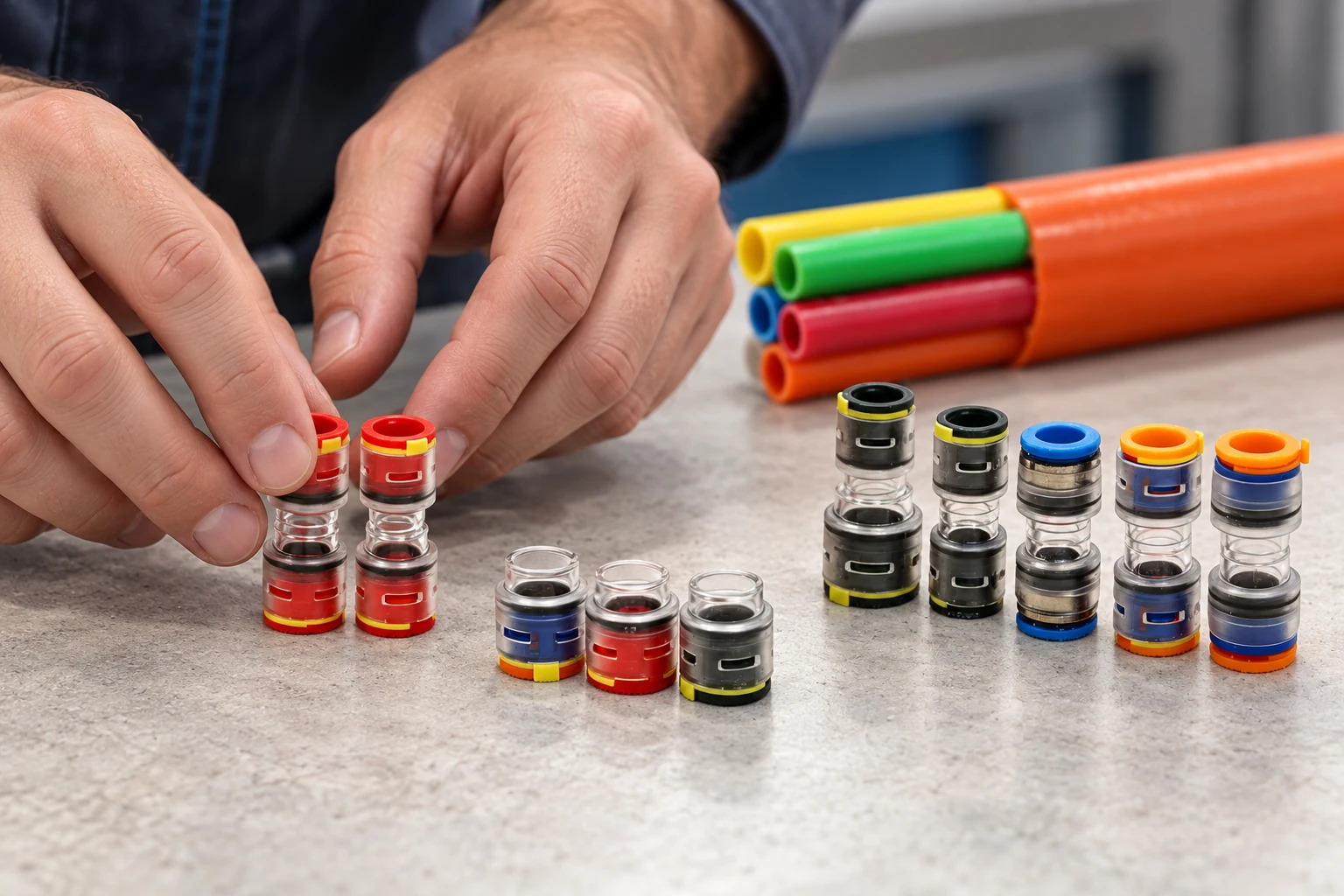
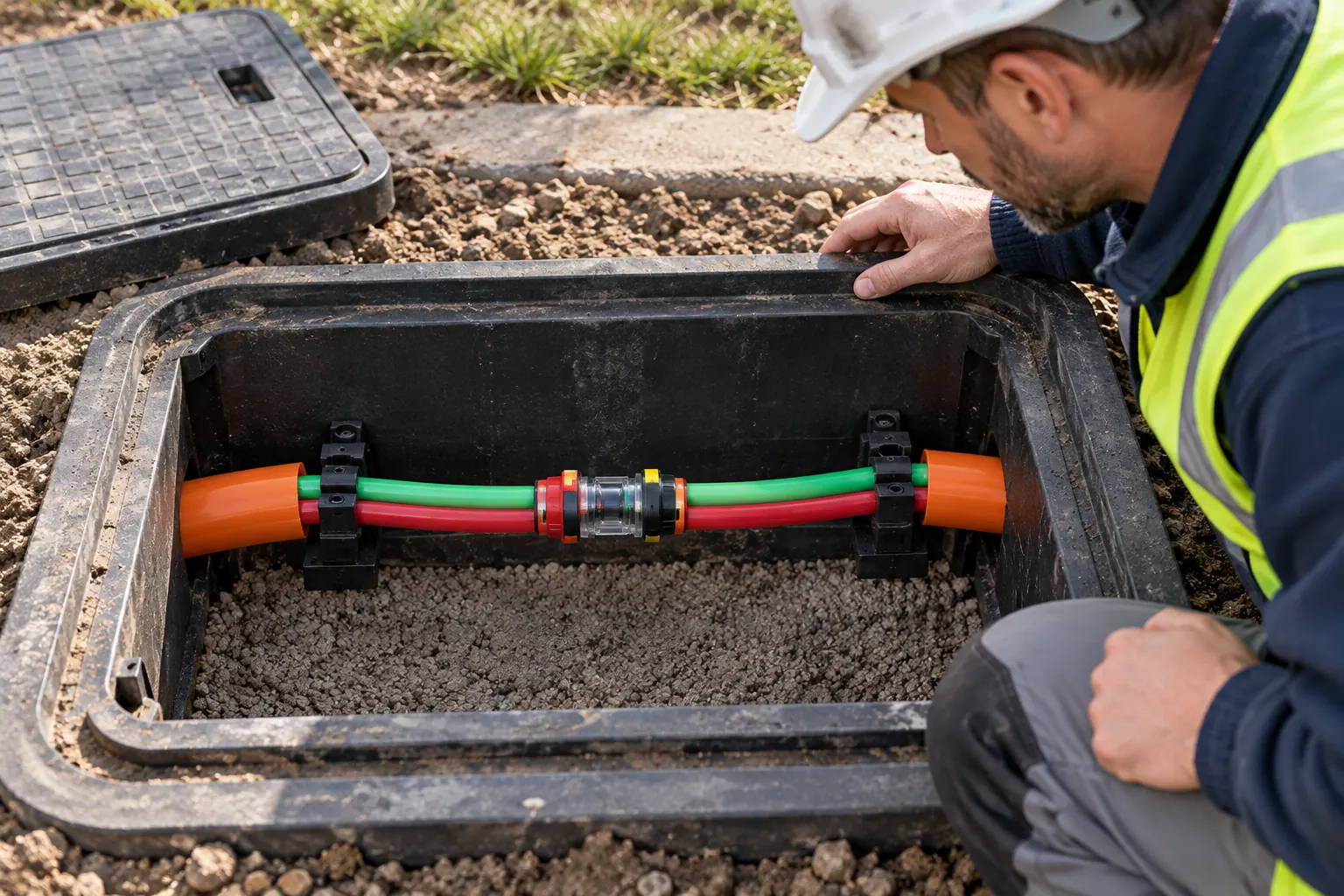
یک اتصالدهنده مستقیم دو سر لوله مطابق را در یک محور به هم متصل میکند. اگر مستندات دقیق این استفاده را اجازه دهند، میتواند یک خط را تمدید یا تعمیر کند. تنها قابلیت وارد شدن به خودی خود، نشاندهنده اطمینان از بستهبندی، نگهداری، تداوم قطر داخلی یا مناسب بودن برای شرایط محیطی نیست.
دیگر دستهبندیها پاسخگوی سؤالات متفاوتی هستند: یک کاهنده برای تغییر اندازه تعیینشده طراحی شدهاست، در حالی که یک انتهای بسته برای بستن یک لوله نامعزول استفاده میشود. وظایف جلوگیری از عبور گاز یا آب هرگز نباید از یک اتصالدهنده معمولی استنباط شود. این مثال محصول با قطعه انتهایی نشان میدهد که چرا “فیتینگ”، “کاپ”، “جوینت” و “کوپلر” مترادفهای قابل اعتمادی نیستند.
عبارت فیبر میکرودکت اتصالی همچنین، اصطلاحات مخفف جستجویی هستند و نه یک مشخصاتنامه. توصیف خرید باید شامل عملکرد، اطلاعات لولهکشی برای هر دو طرف، موقعیت مسیر، روش نصب و مستندات تأییدی باشد. این موضوع جلوگیری میکند که یک اتصال صاف جایگزین یک سرپوش یا انتقال الزامی شود.
یک اتصال مستقیم نیازمند سازگار بودن رابطهای لوله است.
ابتدا از قطر خارجی و محدودههای تفاوت سازنده لولهکشی شروع کنید، سپس قطر داخلی یا ساختار دیواره را ثبت کنید. لولهکشیهایی که برچسب نامی یکسانی دارند، ممکن است در محدودههای تفاوت، سختی، وضعیت سطح یا دامنه اتصالات مجاز متفاوت باشند. برای تعیین دقیق نحوه اتصال، تأییدیهای به صورت مکتوب دریافت کنید.
سپس هندسه اتصال را بررسی کنید. نصبکننده به یک سر مربع و بدون خرابی، عمق ورود مشخص شده، و روشی برای تأیید جایگیری نیاز دارد. بدنه شفاف یا ویژگی شاهد ممکن است به بازرسی کمک کند، اما نمیتواند سلامت فشار را ثابت کند؛ دستورالعملها و روش آزمون پروژه همچنان حاکم هستند.
schließlich، محیط نصب را تعریف کنید: شرایط مدفون، چاه دستی، ورود به ساختمان و کابینتِ در معرض قابل استفاده متفاوت هستند. از منابع دقیق مربوط به محصول، صلاحیت آن را تأیید کنید. این مثال محصول میکرودوک HDPE میتواند بحث سیستمی را آغاز کند، اما این مسئله تأیید نمیکند که یک اتصال و یک لوله به همراه هم جفتی مورد تأیید هستند.
سبکهای متصل را بر اساس عملکرد، مطابقت و شواهد مقایسه کنید
| عامل تصمیمگیری | دستهبندی فلنجات دکت FTTH کلی | دسته بندی اتصال مستقیم |
|---|---|---|
| هدف اصلی | پوششهایی که وظایف اتصال، کاهش، بستن، شاخکیسازی، عایقبندی یا انتقال را انجام میدهند. | دو لوله سازگار را در یک خط به هم متصل میکند. |
| نقطه شروع انتخاب | عملکرد شبکه مورد نیاز در موقعیت موردنظر | دادههای رابط برای هر دو انتهای لوله |
| سوال در مورد سازگاری | آیا سازگاری دقیق تحت شرایط تعیینشده، عملکرد مورد نیاز را انجام میدهد؟ | آیا مدل دقیق هر دو لوله را پذیرفته و مسیر مورد نیاز را حفظ میکند؟ |
| بررسی نصب | وابسته به نوع اتصال و دستورالعمل سازنده است. | کیفیت برش، تمیزی، ورود، نگهداری و بررسی تعیینشده سرریز یا فشار |
| تمایل هزینه واحد | بسته به عملکرد و مستندات متفاوت است؛ هیچ فرضی در سطح کل دستهبندی قابل اعتماد نیست. | اغلب از نظر عملکرد ساده است، اما تنها قیمت خرید خطر بازبینی را از بین میبرد. |
| نگهداری و TCO | تحت تأثیر دسترسی، بازرسی، فرآیند جایگزینی و عواقب خرابی | به دلیل تعداد اتصالات، قابلیت دسترسی، کنترل نصب و سازگاری تأییدشده |
مسالهی هزینت کلی کاربردی است: یک اتصال ارزان اما به درستی مشخص نشده میتواند زمان تیم عملیاتی را در جریان شناسایی خطاها مصرف کند و مرحله بعدی نصب را به تعویق بیندازد. این بیان منطق خرید است، نه یک ادعای عملکرد میدانی در مورد یک مدل خاص. بسته شواهد و هزینه دسترسی یا بازآفرینی را مقایسه کنید، نه فقط دو قیمت واحد.
از شرایط مسیر برای ساخت ماتریس انتخاب استفاده کنید
| شرایط پروژه | دستهبندی احتمالاً مناسب برای بررسی | مدارک مورد نیاز قبل از تأیید |
|---|---|---|
| دو انتهای لوله مشابه در یک خط اجرا | کوپلینگ مستقیم | ابعاد مقبول لوله، دستورالعمل ورود، محدودیتهای محیطی و شرایط آزمون |
| کانالهای با ابعاد خارجی مختلف | اداهای کاهنده یا انتقالی با طراحی اختصاصی | نقشهبرداری اندازه تأییدشده برای هر دو طرف و هندسه مسیر |
| قطر بیرونی یکسان اما ساختار دیواره متفاوت | Model confirmed by both duct and fitting documentation | Written compatibility confirmation; do not infer it from outside diameter alone |
| Unused duct awaiting future service | End closure specified for that duty | Closure instructions, environment limits, and reopening or replacement guidance |
| Building entry or another defined boundary | Boundary-control fitting identified by the network design | Project requirements and exact, substantiated product function |
یک HDPE telecom coupler should therefore be treated as procurement shorthand until the supplier identifies the exact model and its documented application. If a row in the matrix cannot be completed from controlled documents, pause the substitution rather than filling the gap with a generic claim.
What the Standards Cover—and What They Do Not Approve
ITU-T L.79 describes optical fiber cable elements for microduct blowing-installation applications. IEC 60794-5-20 addresses outdoor microduct fiber units, microducts, and protected microducts for blown installation. These publications define system context; citing them does not certify a fitting or create a rating.
IEC 60794-1-21 covers mechanical test methods for optical fiber cables; IEC 60794-1-22 covers environmental methods. They are not blanket approvals for surrounding components. Ask which edition, method, specimen, conditioning, and acceptance criterion apply, then request evidence for the offered model. Market rules and network-owner specifications may add requirements.
Unsupported claims can cause submittal rejection, delay, or substitution disputes. Use “tested according to” only with a traceable report, and “compliant” only after reviewing the applicable scope and evidence.
Confirm the Model and Documents Before Substitution
- Mark every fitting location on the route and name its required function before requesting prices.
- Provide the controlled duct datasheet for each side of every joint, including tolerances rather than only nominal size.
- Request the proposed model’s current datasheet, installation instructions, environmental limits, and applicable test evidence.
- Define the site inspection and acceptance record before installation begins; do not invent a pressure or temperature limit when the project documents are silent.
- Control substitutions by exact model and revision, because a generic category name cannot demonstrate equivalence.
Microduct Connector can support this review by matching a request to available product categories and documentation, while the buyer and network owner retain responsibility for project approval. The company’s guide on چگونه اتصالدهنده مناسب را انتخاب کنیم provides additional questions to use during supplier discussions.
سوالات متداول
Why does the FTTH duct fittings leak during or after fiber blowing
Possible causes include an incompletely seated duct, a damaged or contaminated duct end, a seal problem, dimensional mismatch, or damage introduced during handling. Isolate the joint and follow the project’s safe test procedure, then compare the exact duct and fitting data instead of assuming higher blowing pressure will solve the fault.
Do you need tools or lubricant to fit the FTTH duct fittings correctly
Use only the preparation tools and installation method named by the fitting manufacturer. Do not apply lubricant unless both the fitting and duct instructions permit the specific product, because an unapproved substance can affect grip, sealing, cleanliness, or later fiber work.
How can the FTTH duct fittings join ducts with different wall thicknesses
Matching outside diameter does not establish compatibility when wall construction differs. Obtain written confirmation for the exact duct pair and fitting model; if outside diameters differ, investigate a purpose-designed reducer rather than forcing a straight coupler to serve as a transition.
What temperature range should the FTTH duct fittings withstand
The required range comes from the route’s storage, installation, and service conditions, plus the network-owner specification. Use the exact model’s documented limits and test conditions; this article does not assign a generic temperature range because products and projects differ.
How can installers visually check that the FTTH duct fittings is fully seated
Follow the stated insertion depth and use a witness mark, transparent body, or inspection feature only when the exact model provides one. A visual check should be backed by the specified retention and leak or pressure acceptance process, because appearance alone does not prove joint integrity.
When should the seals or body of the FTTH duct fittings be replaced?
Replace parts when the manufacturer’s inspection criteria require it, when damage or deformation is visible, or when the assembled joint cannot pass the specified acceptance check after correct preparation. Reuse only when the product documentation permits it; otherwise replace the fitting and investigate the duct condition that may have caused the problem.
How to Choose Between FTTH Fittings and Couplers
“Fitting” describes a broad group; a straight coupler is appropriate only for a defined, matching joint. Map every location to its actual function, confirm both duct interfaces and the route environment, then approve the exact model, revision, installation method and acceptance record together. The 12.7 mm sizing discussion illustrates why nominal labels need drawing-level checks, while the 12 mm guide shows how to document seating and leak-test decisions without assuming a generic rating.
مراجع
- ITU-T L.79: Optical fibre cable elements for microduct blowing-installation application.
- IEC 60794-5-20: Outdoor microduct fibre units, microducts and protected microducts for installation by blowing.
- IEC 60794-1-21: Basic optical cable test procedures—Mechanical test methods.
- IEC 60794-1-22: Basic optical cable test procedures—Environmental test methods.
FTTH duct fittings are a category; a coupler is one defined solution within it. The right selection follows the job at each location: match both duct interfaces, choose the required function, check the route environment and approve the exact model with its installation and acceptance records. That process keeps a convenient catalogue label from deciding a connection that the duct system cannot support.



