
لوازم هوایی پلاستیکی میتواند در یک خط هوای صنعتی استفاده شود، زمانی که لوله، بدنه، پیچبندی و محیط عملیاتی به عنوان یک مجموعه منسجم تأیید شده باشند. مجوزهای بدنه و پیچبندی را برای لوله مورد نظر و شرایط خدماتی بررسی کنید. قبل از مقایسه گزینههای پلاستیکی و فلزی یا استانداردسازی جایگزین در چندین بخش ماشین، فشار واقعی، دما، حرکت، مواد شیمیایی و دسترسی برای نگهداری را تعیین کنید.
لوازم را بر اساس قطر خارجی واقعی لوله، فشار و دمای کاری، کیفیت هوا، تماس با مواد شیمیایی و کنترلهای ایمنی مورد نیاز انتخاب کنید. مشخصات رشته را از روی نقشه تأیید کنید. استاندارد ISO 4414 به موضوع ایمنی سیستمهای هوای فشرده پرداخته است، در حالی که استاندارد ISO 8573-1 آلودگیهای هوا را طبقهبندی میکند. با لوله و چرخه کاری شروع کنید، مقاومت فشار-دمایی سازنده را تأیید کنید و قبل از خدماترسانی، فشار سیستم را آزاد کنید.
این اتصالات پلاستیکی هوای فشرده برای وصل کردن لولهها، شیرها، رگولاتورها، سیلندرها و نقاط توزیع استفاده میشوند. آنها برای بسیاری از مدارهای تمیز و با بار کار متوسط مناسب هستند، اما پلیمرها در برابر گرما، مواد شوینده، ارتعاش و روغنها واکنشهای متفاوتی نشان میدهند. در مجوز سیستم هوای فشرده، علاوه بر نحوه کابلکشی، روشهای قفلبندی و دسترسی برای نگهداری، این اتصالات را نیز ذکر کنید.
با شرایط عملیاتی خط هوایی شروع کنید.
فشار عادی و حداکثر، دما در اتصال، سیال، چرخه کار و نیروی انسانی نزدیک را ثبت کنید. استاندارد ISO 4414:2010 طراحی و عملیات سیستمهای فشرده هوایی را شامل میشود، از جمله جدا کردن انرژی و خطرات ناشی از فشار باقیمانده؛ این استاندارد اعتبار یک اتصال خاص را تأیید نمیکند. مشخصات آزمایشگاهی ثابت ممکن است برای مقاومت در برابر حرارت، حرکت مکرر یا خطی که پس از رها شدن میتواند به صورت شلخته حرکت کند، مناسب نباشد.
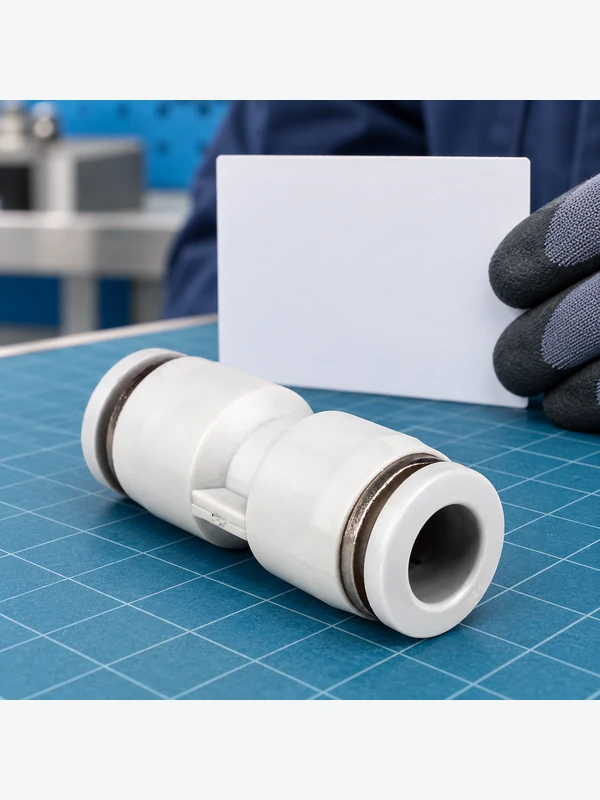
ISO 8573-1:2010 آلودگیهای هوا را بر اساس ذرات، آب و روغن طبقهبندی میکند؛ این یک تأیید محصول نیست. کلاس کیفیت هوای فرآیند پاییندست را مشخص کنید و بررسی کنید که آیا روغن، شیرابه یا مواد تمیزکاری میتوانند به اتصال برسند یا خیر. بستهبندی مواد غذایی و عملکرد کلی دستگاه ممکن است در یک فشار اسمی مشابه نیازمند ارزیابیهای مختلف خطر باشند.
لوله و اتصال باید به عنوان یک رابط مشخص شوند. کلت و مهره حول یک قطر خارجی لوله و تolerance تعیینشده طراحی شدهاند. قطرهای خارجی متداول شامل 4، 6، 8، 10 و 12 میلیمتر است، اما لولههای متریک و اینچی قابل عوض کردن نیستند. از دامنه لوله منتشرشده استفاده کنید، بریدن زاویهدار انجام دهید، برای وجود خراش معاینه کنید و قبل از استفاده از آن، فشار را بهطور کنترلشده کاهش دهید و از تست کشش استفاده کنید.
محیط را با مواد مورد نظر انتخاب کنید
پلی آمید (نایلون)، PBT، استال و پلیپروپیلن در سختی، پاسخ به رطوبت، مقاومت شیمیایی و توانمندی دما معادلات مختلفی ارائه میدهند. ترکیب پلاستیک و جلگیر را انتخاب کنید که رتبهبندی آنها تمام رسانهها و دماهای واقعی را پوشش دهد. ASTM D543 مقاومت پلاستیکها را در برابر عوامل شیمیایی ارزیابی میکند؛ این تست از مقایسه مواد حمایت میکند، اما فیتینگ نهایی را برای هر نوع مایع کارخانه تأیید نمیکند.
همچنین مهر و موم را ارزیابی کنید. NBR، FKM، EPDM و سایر الستومرها در برابر روغنها، حرارت و مواد شیمیایی تمیزکننده دارای سازگاری متفاوتی هستند. یک تامینکننده باید بتواند هم جسم و هم مواد سیل, زیرا، حتی یک بدنه پلاستیکی به ظاهر سازگار نیز ممکن است به دلیل وجود یک حلقه O ناسازگار زودتر از موعد خراب شود. برای نقاط در معرض دید، در حال حرکت یا در دماهای بالا، گزینههای جایگزین مستند و محدودههای کلی مجموعه را مقایسه کنید؛ تنها ساختار فلزی کفایت نمیکند تا مناسب بودن را تضمین کند.
| عامل | لوازم پلاستیکی مهندسی شده | جفتکننده فلزی | پیامد تدارکاتی |
|---|---|---|---|
| Weight and handling | Usually low mass | Depends on alloy and design | Plastic can simplify dense, supported routing. |
| Heat and mechanical abuse | Depends strongly on polymer and seal | Compare the exact body, seal and tube ratings | Compare published pressure-temperature curves, not a single pressure value. |
| Corrosion exposure | Some polymers resist many aqueous environments | Alloy and plating matter | Review the actual washdown or ambient chemistry. |
| Installation speed | Often supports tool-light tube connection | May require threaded assembly or ferrules | Measure installation and rework time in the TCO case. |
| Maintenance risk | Sensitive to tube condition and correct release procedure | Suitability still depends on the complete combination | Set inspection criteria for either option. |
When a metal fitting is a suitable replacement
Replacing a plastic body with a metal one is reasonable when the documented plastic assembly cannot accommodate the actual environment and a specified metal alternative can. First establish why the existing connection leaks. Identify whether the failed element is the tube surface, collet, thread, body or seal. A metal adapter with the same incompatible tube or unsupported bend can reproduce the original fault, while moving the damage into a more expensive port.
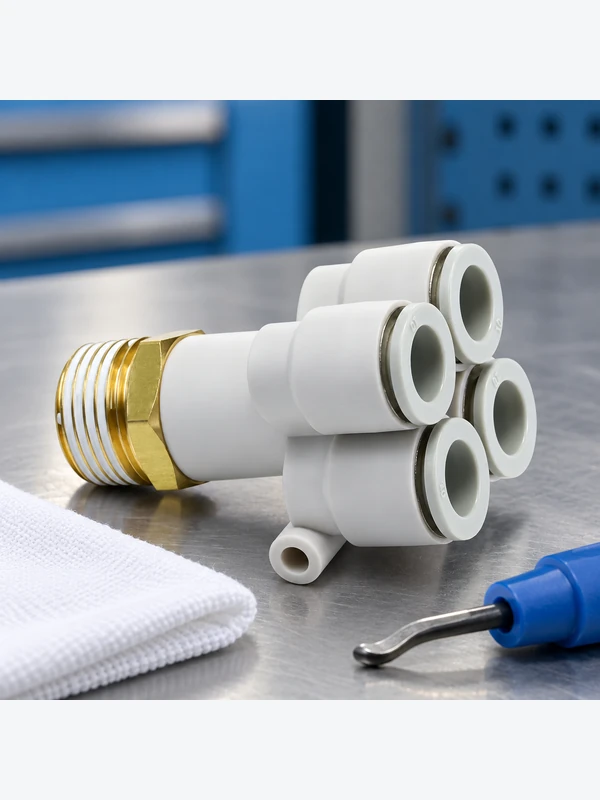
Separate a mechanical-location problem from a material problem. Impact exposure may require guarding; movement may require rerouting, support or a connection explicitly designed for that duty. Heat and cleaning chemicals require documented compatibility for the tube and elastomer as well as the body. A stainless outer shell does not automatically give the internal seal a higher temperature or chemical limit. Compare the complete rated configuration at the conditions measured at the connection.
Manufacturer catalogues illustrate why this must be model-specific. SMC’s KQ/KQ2 catalogue separately identifies permitted tubing, tube dimensions, operating fluids and component materials. Those are data for the named series, not ratings that can be transferred to an Oulu fitting or to a visually similar product. Use the same evidence categories in an enquiry for the proposed replacement and leave any undocumented field open for supplier confirmation.
For a production change, record the reason for substitution and the acceptance conditions before ordering. Keep the installed tube, mating port, operating cycle and maintenance access in the comparison. The straight-fitting fault guide can help identify the original interface problem. Approve the metal alternative only after it meets the actual requirement; do not use a successful static seal as proof that the entire moving assembly is qualified.
Include assembly, leak testing and repairs in the cost comparison
push-to-connect fittings can reduce assembly time and make panel maintenance more repeatable when technicians use compatible, undamaged tube. Unit price is only part of the cost: a leak can raise compressor run time, and an inaccessible connector extends interruption. The U.S. Department of Energy emphasizes leak management as a system-efficiency measure.
For example, 24 connections saving 6 installation minutes each reduce initial labor by 144 minutes. That benefit can disappear through repeat troubleshooting. Treat this as an example, not a performance claim; validate a representative assembly with an appropriate pressure-hold check and documented acceptance criteria.
| شرایط درخواست | چه چیزی را باید بررسی کرد | Typical selection direction | مدرک پذیرش |
|---|---|---|---|
| Clean, fixed automation line | Tube OD, pressure, temperature, air class | Plastic may be suitable | Supplier data and installed pull/pressure check |
| Frequent machine changeover | Release access, tube wear, training | Quick-connect design with controlled procedure | Repeatability trial over the changeover cycle |
| Washdown or chemical exposure | Body and seal compatibility | Material-specific evaluation required | Compatibility evidence, such as ASTM D543 data where relevant |
| Hot, vibrating, or exposed zone | Temperature, impact, restraint, fatigue | Consider metal and additional guarding | Assembly rating and machinery risk assessment |
Approve fittings separately for each machine environment
Standardisation can simplify stores and training, but one plant can contain several different fitting environments. Divide the application into identifiable zones: a fixed control cabinet, a moving actuator area, a warmer process section and a location exposed to washdown are different approval cases. Use measured or documented operating conditions for each. Do not inherit a cabinet approval for another zone simply because both lines use the same nominal supply pressure.
ساختن یک qualification matrix around the interfaces that matter: tube manufacturer and material, OD and tolerance, body and seal identification, port thread, installation method, temperature, maximum pressure and media exposure. Add support and release clearance. A purchase order that says only “8 mm plastic fitting” cannot communicate that complete requirement. The رنج قطعات پنوماتیک can help locate candidates, but the final approval should identify the exact code and documentation revision.
Use a representative assembly and the intended آماده سازی لوله procedure. Agree what will be inspected before the test, which authorised operating conditions will be reproduced and how leakage or retention will be assessed. Do not invent a common endurance cycle count or proof pressure for unlike models. Where movement is involved, perform the approved cycle with the normal safeguards, and never apply a manual side load to a pressurised fitting to see whether it leaks.
Retain the result with the zone approval and define what triggers review. A different cleaner, hotter process, replacement tube family, changed routing or new port design can invalidate the original comparison. Track repeat repairs and the actual time needed for access and retesting. These observations support a local total-cost comparison without claiming a universal percentage saving or service life. Review one-touch fitting operation when training technicians, while keeping installation limits tied to the supplied product.
Check safety rules alongside the supplier’s fitting ratings
For U.S. workplaces, OSHA 29 CFR 1910.147 governs hazardous-energy control and 29 CFR 1910.169 addresses air receivers; neither certifies every fitting. ISO 4414 defines pneumatic-system safety expectations, and ISO 8573-1 air-purity classes. These sources guide specification scope; the maker’s pressure-temperature limits, material declarations, and instructions establish item suitability.
Unsupported claims create practical commercial risk: an overstated pressure, food-contact, chemical-resistance, or “ISO certified” statement can lead to rejected submittals, unsafe substitution, warranty disputes, or rework. Apply the destination market’s rules and the equipment’s intended use before making claims in procurement documents. A standard test method demonstrates how a property was evaluated; it does not automatically approve a product or system.
What to confirm before ordering plastic fittings
- Map every connection: tube OD, thread standard, orientation, minimum bend clearance, and service access.
- Define normal and maximum pressure and temperature at the point of use, including compressor start-stop and ambient conditions.
- Specify air cleanliness using the process need, then review body and seal compatibility with oil, water, cleaners, and nearby chemicals.
- Request current drawings, pressure-temperature ratings, material information, and installation instructions; validate a representative assembly before rollout.
- Document lockout, depressurization, inspection, and replacement criteria in the maintenance plan.
ANMASPC / Microduct Connector can support buyers who need to align connector configuration with tubing, routing, and documentation requirements. Review the available دستهبندی محصولات alongside the machine specification, rather than approving substitutions from photographs alone.
سوالات متداول
What are plastic pneumatic fittings used for?
They connect tubes and pneumatic components in equipment such as control panels, automation cells, and air-preparation assemblies. Their suitability depends on the pressure-temperature rating, media, tube compatibility, and physical exposure at that location.
آرماتورهای فشاری-به-اتصال قابل اعتماد هستند؟
They can be reliable when the fitting, tube, and installation method are matched. Use the correct OD and tube material, make a square cut, fully insert the tube, and confirm the connection with the supplier’s recommended check before commissioning.
What is the best plastic for pneumatic fittings?
There is no universal best material. Choose the body and seal combination that the manufacturer rates for the temperature, pressure, lubricant, moisture, and chemicals in the real application; comparison data should identify the tested material and conditions.
How do you choose pneumatic tubing size?
Select pneumatic tubing OD to match the fitting and select bore based on required flow, allowable pressure drop, route length, and actuator demand. Confirm both metric versus inch sizing and the supplier’s tube-tolerance limits; do not force a near-match into a collet.
Can plastic fittings handle compressed air?
Yes, many are designed for it, but only within their published operating envelope. Check the compressed air quality, maximum pressure, temperature, and potential mechanical loading, then follow the system’s energy-isolation procedure during service.
When should metal fittings be used instead?
Consider metal where the assembly sees higher heat, mechanical impact, vibration, difficult chemical conditions, or a duty outside the plastic fitting’s documented limits. The decision should be based on complete-system risk and the manufacturer’s assembly data, not a general assumption that one material always outperforms another.
Is a plastic pneumatic fitting automatically unsuitable for a production machine?
No. Suitability depends on the exact body and seal, tube, pressure, temperature, medium, vibration and installation environment. Approve the complete combination from the supplier’s documented limits and a representative test.
How should a buyer compare two plastic fitting materials?
Compare the approved temperature and pressure range, chemical and media compatibility, UV or environmental exposure, tube retention, thread design, replacement policy and evidence supplied for the exact model. Do not choose from colour or body shape alone.
Will a stainless body fix a leak caused by the wrong tube OD?
No. The tube must match the fitting’s approved OD, tolerance, material and surface condition. Changing the body material does not correct an incompatible tube or damaged sealing zone. Identify the failed interface before selecting a replacement.
What changes should trigger a review of an approved plastic fitting?
Review the approval when the tube, seal, cleaner, medium, pressure, temperature, movement, routing or mating port changes. Check the exact assembly against the revised conditions and use the required qualification procedure. A prior approval for another machine zone is not automatic evidence of suitability.
مراجع
- SMC — KQ/KQ2 one-touch fittings catalogue (series-specific tube and assembly data)
- U.S. Department of Energy — Improving Compressed Air System Performance: Minimize Compressed Air Leaks
- ASME B1.20.1 — Pipe Threads, General Purpose (Inch), official scope
خلاصه
Identify the failure and operating conditions before choosing a plastic or metal replacement. Verify tube compatibility, thread and seal arrangement first, then compare the exact body-and-seal combinations for heat, chemicals, movement and exposure. Use metal where its documented assembly addresses the requirement, while correcting routing, support or preparation problems independently. For standardisation, qualify identifiable machine zones and retain the tube, part code, conditions and acceptance results. Review that approval after a material or process change. Keep the approval with the exact tube and fitting combination. A material change will not fix a damaged tube, incompatible thread or unsupported connection.



