
Eve Kadar Fiber Eve optik erişim bağlantısı getirir, ancak yakındaki bir fiber hattı, çalışır durumda bir hizmet sunmanın sadece bir aşamasıdır. Düşük hat güzergâhı, kablo montajı ve optik kabul işlemleri ile hizmet aktivasyonu her birinin kendi kanıtına ihtiyacı vardır. Mikrokanal bağlantı elemanları Boyutları, işlevi ve montaj yöntemi belirtilen kanal sistemiyle uyumlu olduğunda, o fiziksel rotayı destekler.
FTTH (fiber to the home), optik erişim ağını sokak kabininde veya binada durdurmak yerine abonenin konutuna kadar götürür. Kanallı bir yapı için, kanal dış çapını, kablo aralığını, basınç testi prosedürünü ve izlenebilirliği birlikte belirtin; IEC 60794-1-2 kablo test yöntemlerini sağlarken, kanal gereksinimlerinin kapsamı ayrıdır. Bu yaklaşım, planlamacılara montaj zaman aralıklarını korumalarında yardımcı olur ve yüklenicilere tekrarlanabilir kabul süreci sunar.
Bir FTTH ağı evle nasıl bağlanır
FTTH is one member of the wider FTTx family. Its final optical distribution point is the home, so the civil route, duct path, closures and in-building transition all influence service delivery. The ITU-T G.9807.1 recommendation defines 10-gigabit-capable symmetric passive optical network transmission requirements; it does not prescribe a particular duct or connector. Specify ducts and connectors separately when preparing the materials schedule for the access design.
Bir fiber optik ağ genellikle besleme, dağıtım ve bağlantı bölümlerini ayırır. Tasarımcılar, optik kayıp bütçesini dağıtıcılar, fiberler, birleşmeler ve konektörler arasında paylaştırır; ardından kurulumu ve gelecekteki müdahaleleri mümkün kılan fiziksel bir yol planlar. Bükülme hassasiyetine duyarlı konut bölgeleri için, ITU-T G.657 bükülme-insensitif tek modlu fiber kategorilerini belirler; seçilen kabloyla ve güzergâhla uyumluluk hala kablo üreticisi tarafından onaylanmalıdır.
Mikrokanallar, son kilometre kablo döşemesinin aşamalı olarak gerçekleştirilmesine nasıl destek olur?
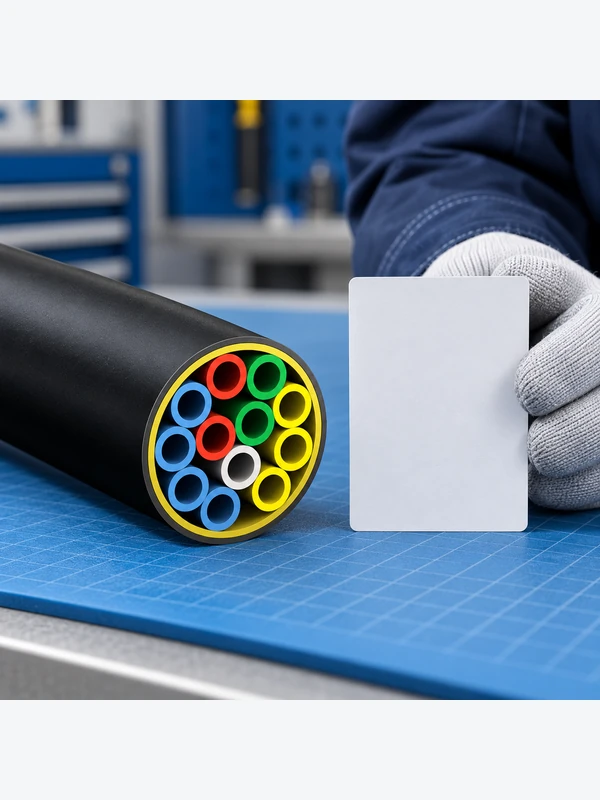
Mikrokanallama, daha geniş bir yolu ayrılmış küçük kanallara böler; böylece ekip, talep veya tasarım onayı olduğunda bir kablo döşeyebilir veya kabul etme bunu haklı çıkarır. HDPE mikrokanal Polietilen, düşük kütle ile kullanışlı bir dayanıklılığı bir araya getirdiği için yer altı ve dış mekân yaya yolu sistemleri için yaygın olarak tercih edilir; ilgili duvar yapısı, sürtünme özellikleri, gömme koşulları ve bağlantı yöntemi ise hâlâ projeye özgüdür.
İçin Hava ile üfleme yöntemiyle kurulum, kanal deliğinin iç çapı, kablo çapı, yol geometrisi ve kompresör kapasitesi birlikte etkileşim içinde çalışır. Örneğin, 10/8 mm’lik bir kanalın nominal iç çapı 8 mm’dir; ancak bu değer tek başına kabul edilebilir kablo aralığını veya üfleme mesafesini belirlemez. Kablo ve üfleme makinesi tedarikçisinin belgelemiş olduğu kurulum aralığını kullanın, ardından üretim miktarları öncesinde temsili rotayı doğrulayın. IEC 60794-1-2, optik fiber kablolar için gerilme, ezilme ve sıcaklık döngüleme test yöntemlerini içerir; bu, tamamlanmış bir kanal rotasının onaylanması anlamına gelmez.
Geçilen evler ve etkinleştirilen evler farklı kontroller gerektirir.
The European FTTH/B Market Panorama published on 17 March 2026 reports approximately 295 million homes passed across EU39, about 79% household coverage and approximately 54% take-up. Coverage and take-up describe different denominators and should not be used interchangeably. The regional report provides market context; it cannot show whether a particular address has a continuous drop duct, a permitted building entry or an activated optical terminal.
Bireysel bağlantı için, önce kullanılabilir adres ve fiziksel devir noktalarıyla başlayın. Planlanan dağıtım portunu, mevcut fiber veya ayırıcı tahsisini, indirme hattının güzergâhını, izinleri, erişim imkânlarını ve tesis içi sonlandırma noktasını teyit edin. Müşteri kurulumu tarihinden önce, çizimde belirtilen yedek mikrokanalın, kurulu güzergâhla aynı olup olmadığı ve durumu kontrol edilmelidir. Her geçen evin kablo üfleme işlemine hazır olduğunu varsaymak yerine, herhangi bir tıkanıklık veya bilinmeyen geçişi bir kurulum sorunu olarak kaydedin.
Ardından, inşaatın tamamlanmasını hizmetin devreye alınmasından ayırın. İnşaat ekibi, kablo veya aktif hizmet henüz tamamlanmamış olsa bile kabul edilmiş bir hat yolunu devredebilir. Buna karşılık, kablo mevcut olabilirken hasarlı bir uç yüzeyi, yanlış bağlantı haritalaması veya eksik hizmet ayarlaması nedeniyle hizmet sağlanamayabilir. Her aşamanın sorumlusunu ve kayda geçirilen sonucunu belirleyin; böylece sonraki ekip neyin gerçekten kabul edildiğini bilebilir. Devir teslim kaydında, her adres için hat yolu, kablo testleri ve hizmetin devreye alımının tamamlanıp tamamlanmadığı belirtilmelidir.
Kanal bileşenlerini bu sıraya uygun şekilde eşleştirin. Erişilebilir mikrokanal bağlantı elemanları, birleşim noktalarının denetlenmesini pratik hale getirir; ancak gerçek parça, kanal dış çapına, kullanım ortamına ve sızdırmazlık fonksiyonuna hâlâ uygun olmalıdır. Kapama, dağıtım ve bina girişine ilişkin sorumluluk alanlarını çizimde açıkça belirtin. Buna karşın, ev içi aktivasyon gecikmesi, otomatik olarak bağlantı elemanına veya erişim teknolojisine yüklenmek yerine, ilgili aşamada incelenmelidir.
Kablo itme işleminden önce kanallara katılın ve test edin.
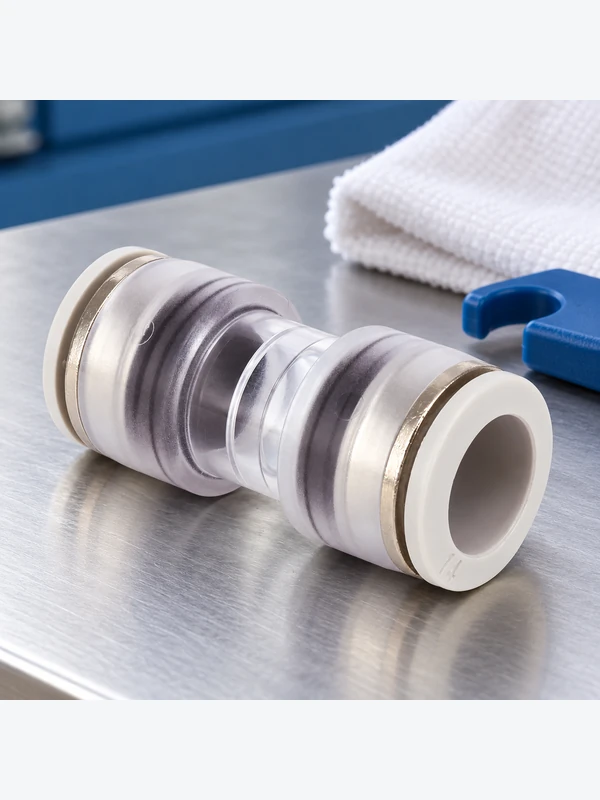
Mikrokanal bağlantı elemanları, uyumlu kanallar arasında genellikle itme bağlantılı bir tutucu ve bir sızdırmazlık elemanı kullanarak çıkarılabilir mekanik bir bağlantı oluşturur. Bunların görevi, montaj yönteminin gerektirdiği yeterince sıkı hava geçirmez bir yolun korunmasını sağlarken boruyu yerinde tutmaktır. Düz bir bağlantı elemanı planlanan bir uzatmaya uygun olabilir; bir daraltıcı, uç kapatıcısı veya gaz bloke edici eleman ise farklı bir arayüzü veya açıkta kalan bölümü ele alır. Doğru tip bile ovalleşmiş, çizilmiş veya yanlış kesilmiş bir kanal ucunu telafi edemez.
Kablo üfleme işleminden önce, yükleniciler kanalları düzgün bir şekilde kesmeli, kenar tırtıllarını temizlemeli, giriş derinliğini doğrulamalı, bağlantı noktasını gerilme kuvvetlerine karşı güvenli hale getirmeli ve belirlenen basınç veya sızıntı testini uygulamalıdır. Testten geçilememesi, kablo montajının gecikmesine yol açabilir ve diğer iş kolları sahada çalışmalarını tamamladıktan sonra ek bir ekip ziyaretine, kazıya veya erişim çalışmalarına ihtiyaç duyulmasına neden olabilir. Bağlantı elemanlarının maliyetlerini karşılaştırırken, bu erişim çalışmaları ile ekip çalışma süresini de dikkate alın.
Kurulum ve bakım açısından yol seçeneklerini karşılaştırın
| Yol yaklaşımı | İlk koordinasyon | Kapasite esnekliği | Kurulum etkisi | TCO değerlendirmesi |
|---|---|---|---|---|
| Doğrudan gömülü kablo | Bir kablo etrafında tasarlanmış rota ve koruma | Daha sonra gömüldüğünde daha düşük | Onarım veya yükseltme, sivil erişim gerektirebilir. | Maliyeti gelecekteki kazıya kaydırılabilir. |
| Tek geleneksel kanal | Yönetilebilecek daha büyük bir yol | Yedek delik ve erişime bağlıdır | Çekme veya üfleme kuralları kablo ve kanala bağlıdır. | Ortak yol ağında oluşan tıkanıklık sonraki iş süreçlerini etkileyebilir. |
| Çok yönlü mikrokanal sistemi | Net kanal ve bağlantı çizelgesi gerektirir | Özel delikler ayrılabilmektedir. | Doğrulanmış olan kablo kurulumunu destekler. | Daha fazla ön belirtim; potansiyel olarak daha az kesintiye neden olan yükseltmeler |
Çok yönlü mikrokanal sisteminin maliyeti, planlanan kurulum ve gelecekteki kullanım durumuna göre değişir. Fazlı olarak kullanıma alınması, birden fazla hizmet alanının bulunması veya gelecekteki ağ değişiklikleri nedeniyle korunmuş yedek hatların ticari açıdan faydalı hale gelmesi durumunda sistemin değeri artar. Herhangi bir tasarruf hesaplaması örnek niteliğinde olduğunu belirtmeli ve yalnızca malzemeleri değil, aynı zamanda inşaat izinlerini, testleri, eski haline getirmeyi ve faaliyete geçiş süresi riskini de içermelidir.
Kablo planından kanal ve bağlantı elemanı boyutlarını seçin.
| Karar noktası | Ne kaydedilecek | Why it changes the result |
|---|---|---|
| Kanal arayüzü | Nominal outside diameter and actual measured tolerance | Connector gripping and sealing depend on the outside surface |
| Usable bore | Internal diameter, route length, bends and access points | Determines the cable-installation window, not merely nominal size |
| Cable interface | Cable diameter, stiffness and supplier blowing guidance | Controls friction, air flow and safe installation settings |
| Çevre | Buried, direct-sunlight, chamber, building-entry or gas-blocking need | Changes material, sealing and protection requirements |
Test the passive link, active service and home Wi-Fi separately
An FTTH handover should answer three separate questions. First, does the installed passive optical path meet its design and contract limits? Second, do the provisioned OLT, ONT and service profile deliver the agreed service at the defined test point? Third, does the customer’s home network deliver suitable coverage to the device being used? A Wi-Fi speed test from a distant room cannot distinguish all three.
For passive acceptance, record fibre identifiers, endpoints, test wavelengths, reference method and the agreed loss limits. The Fiber Optic Association distinguishes insertion-loss measurement with a source and power meter from OTDR event analysis. An OTDR trace helps locate splices, reflective events and faults; it is not interchangeable with a direct insertion-loss test. Use the operator’s required combination of tests and retain the setup with the results rather than simply attaching a screenshot labelled “passed.”
For active service, verify the correct terminal identity, port assignment, provisioning and test endpoint. Record the conditions of a wired performance test where the operator requires one, including the client equipment, interface capability and time of measurement. A device or server bottleneck should not be treated as evidence that the outside-plant duct is inadequate. Keep any active-service remedy separate from repairs to the passive fibre route.
For in-home wireless performance, assess gateway placement, coverage, interference and client capability under the relevant service procedure. Explain which result is being delivered to the customer: optical acceptance, service performance at the agreed interface, or wireless coverage in a room. The splice-box planning article supports the passive-route and maintenance discussion; it does not establish a wireless guarantee. Separate test records help the team locate the fault before replacing cable or connectors.
Which standards cover FTTH cables, fibre and buried conduits
Standards should be written into procurement documents with their scope intact. IEC 60794-1-2 specifies optical-fibre cable measurement and test procedures; it does not certify a connector. IEC 60794-5-20 addresses outdoor microduct optical-fibre cables, whereas ITU-T G.657 concerns the attributes of bend-insensitive single-mode fibre. EN 61386-24 covers particular requirements for conduit systems intended to be buried underground. A project in Europe may use EN requirements and local utility rules; another destination may require different national codes or customer specifications.
Ask suppliers to state what was tested, to which revision and on which product configuration. Avoid marketing a component as “IEC certified” when the cited document is a test method or applies to cable rather than the connector. Unsupported claims can create tender risk, delay acceptance and complicate defect responsibility.
What to check before ordering FTTH duct components
- Issue a route schedule that pairs every duct outside diameter with its connector type and cable plan.
- Request dimensional tolerances, material information, installation instructions and declared test evidence for the exact configuration.
- Set a clear pressure-test and visual-inspection hold point before cable blowing; record route, date and result.
- Trial the longest or most complex representative route using the intended cable, lubricant and blowing parameters.
For buyers seeking configurable pathway components, ANMASPC / Microduct Connector can support the discussion with product-range and documentation questions. Start by reviewing the available HDPE microduct options, then match them to the route and installation plan rather than sourcing fittings in isolation.
Sıkça sorulan sorular
What is FTTH?
FTTH is an optical access architecture in which fibre reaches the subscriber’s residence. It describes the network endpoint, not a single cable, connector or installation method; the physical pathway must be specified separately.
How do microduct connectors work?
They grip and seal compatible duct ends so the route can be joined without a conventional fusion operation. Correct outside-diameter matching, clean square cuts and a documented leakage test are essential to performance.
Why are microducts used for FTTH?
They create defined small pathways that can support staged fibre installation and segregated routes. The benefit depends on the network plan, spare-capacity strategy and the verified ability to install the selected cable.
What size microduct is used for fiber optic cable?
There is no universal size: the selection follows cable diameter, route length, bends, blowing equipment and required future capacity. Record both duct outside diameter and bore, then use the cable supplier’s installation guidance.
Can fiber be blown into an existing microduct?
Often it can, provided the duct is continuous, clean, undamaged and suitable for the cable and route. Inspect the pathway and carry out a representative blowing trial before relying on an existing installation.
What is the difference between FTTH and FTTB?
FTTH takes fibre to an individual home, while FTTB takes it to a building and may use another medium for the final in-building connection. That endpoint difference affects the distribution design, access responsibilities and materials schedule.
Does a national FTTH coverage report tell me which connector size to buy?
No. Coverage reports describe market or infrastructure status. Connector size must be selected from the measured microduct OD and ID, cable plan, route conditions and the selected supplier’s installation instructions.
What should be recorded before approving an FTTH microduct bill of materials?
Record cable and duct dimensions, connector and reducer codes, chamber or access locations, route constraints, installation method, leak or continuity checks and the documents required for handover.
Does “homes passed” mean a customer can be activated immediately?
No. The term describes network availability under the report or operator’s definition. An individual address can still require permissions, a usable drop pathway, cable placement, optical tests, terminal installation and service provisioning. Check those stages locally rather than deriving readiness from a regional coverage percentage.
Can an OTDR pass replace an insertion-loss test or a Wi-Fi test?
No. An OTDR characterises events along the fibre, a source-and-power-meter measurement measures end-to-end insertion loss, and a Wi-Fi test includes the home’s wireless conditions. Follow the contract’s test plan and retain separate results with the correct endpoints and configuration.
Kaynakça
- Fibre Council Europe — European FTTH/B Market Panorama 2026, published 17 March 2026
- Fiber Optik Derneği — Optik Zaman Bölgesi Reflektometresi: olay analizi ile giriş kaybı ölçümü karşılaştırması
- IEC 61386-24:2004 — Conduit systems buried underground, official scope
- ITU-T G.9804.3 Amendment 1 (2023) — 50G-PON PMD and triple wavelength coexistence, official abstract
Özet
An FTTH connection needs an accepted pathway, tested optical link and activated customer service. Plan the duct, connectors, closures and drop route together, then record each handover stage against the correct address and fibre. Use coverage and take-up statistics as regional context, not as proof of local readiness. Test passive optical performance separately from active-service provisioning and home Wi-Fi, with the method and endpoints clearly identified. Record the owner and result of each stage so the installation team can trace an activation delay to the pathway, optical link, provisioning or home network.



