
FTTH នាំមកនូវការតភ្ជាប់អុបទិកដល់គេហដ្ឋាន ប៉ុន្តែផ្លូវសរសៃអុបទិកដែលនៅជិតនោះគ្រាន់តែជាដំណាក់កាលមួយក្នុងការផ្តល់សេវាកម្មដែលដំណើរការបាន។ ផ្លូវចុះមក ការដំឡើងខ្សែ ការទទួលស្គាល់អុបទិក និង ការធ្វើឱ្យសេវាកម្មដំណើរការ តម្រូវការនីមួយៗ ត្រូវការភស្តុតាងរបស់ខ្លួន។. ឧបករណ៍ភ្ជាប់មីក្រូឌុយ គាំទ្រដល់ផ្លូវរាងកាយនោះ នៅពេលដែលមាត្រាដ្ឋាន មុខងារ និងវិធីសាស្ត្រនៃការតំឡើងរបស់វាស្របទៅនឹងប្រព័ន្ធបំពង់ដែលបានកំណត់។.
FTTH (សរសៃអុបទិកដល់ផ្ទះ) នាំយកបណ្តាញចូលប្រើប្រាស់តាមរលកពន្លឺទៅដល់លំនៅដ្ឋានរបស់អ្នកជាវ ជំនួសឱ្យការឈប់នៅត្រឹមប្រអប់ខ្សែនៅតាមផ្លូវ ឬនៅអគារ។ សម្រាប់ការសាងសង់ដែលប្រើបំពង់ដាក់ខ្សែ ត្រូវកំណត់អោយច្បាស់ពីអង្កត់ផ្ចិតខាងក្រៅនៃបំពង់ ជួរនៃខ្សែ នីតិវិធីធ្វើតេស្តសម្ពាធនិងភាពអាចតាមដានបាន ជាមួយគ្នា; IEC 60794-1-2 ផ្តល់វិធីសាស្រ្តធ្វើតេស្តខ្សែ ខណៈដែលតម្រូវការសម្រាប់បំពង់មានវិសាលភាពដាច់ដោយឡែក។ វិធីសាស្រ្តនេះជួយអ្នករៀបចំផែនការការពារពេលវេលាដែលអាចដំឡើងបាន និងផ្តល់ដល់អ្នកម៉ៅការនូវដំណើរការទទួលយកដែលអាចធ្វើឡើងវិញបាន។.
បណ្តាញ FTTH តភ្ជាប់ទៅផ្ទះដោយរបៀបណា
FTTH គឺជាសមាជិកមួយនៃគ្រួសារ FTTx ដ៏ធំទូលាយ។ ចំណុចចែកចាយអុបទិកចុងក្រោយរបស់វាគឺនៅផ្ទះ ដូច្នេះផ្លូវស៊ីវិល ផ្លូវបំពង់ ការបិទ និងការផ្លាស់ប្តូរនៅក្នុងអគារ សុទ្ធតែមានឥទ្ធិពលលើការផ្តល់សេវា។ អនុសាសន៍ ITU-T G.9807.1 កំណត់តម្រូវការបញ្ជូនបណ្តាញអុបទិកស្វ័យប្រវត្តិស៊ីមេទ្រី 10-gigabit-capable; វាមិនបានកំណត់បំពង់ ឬខ្សែភ្ជាប់ជាក់លាក់ណាមួយឡើយ។ សម្គាល់បំពង់ និងខ្សែភ្ជាប់ដោយឡែកពីគ្នានៅពេលរៀបចំបញ្ជីសម្ភារៈសម្រាប់ការរចនាការចូលប្រើ។.
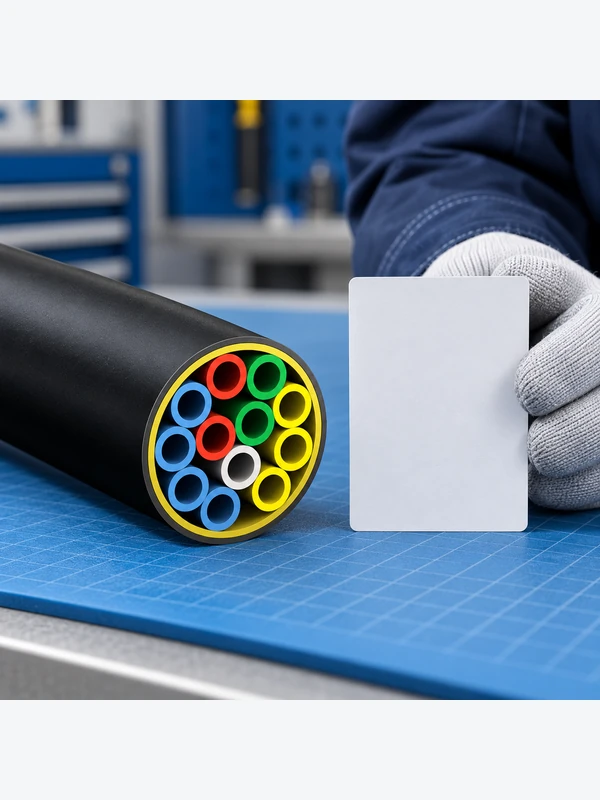
បណ្តាញសរសៃអុបទិកជាធម្មតាបែងចែកជាផ្នែកផ្គត់ផ្គង់ ផ្នែកចែកចាយ និងផ្នែកភ្ជាប់។ អ្នករចនាបែងចែកថវិកាការបាត់បង់ពន្លឺលើឧបករណ៍បំបែង សរសៃអុបទិក ការតភ្ជាប់ និងដុំភ្ជាប់ បន្ទាប់មករៀបចំផ្លូវរូបវន្តដែលអនុញ្ញាតឱ្យមានការដំឡើង និងការធ្វើអន្តរាគមន៍នាពេលអនាគត។ សម្រាប់ផ្នែកលំនៅដ្ឋានដែលងាយនឹងបត់ ស្តង់ដារ ITU-T G.657 កំណត់ប្រភេទសរសៃអុបទិកម៉ូដតែមួយដែលមិនងាយនឹងបត់; ភាពឆបគ្នាជាមួយខ្សែកាបដែលបានជ្រើសរើស និងផ្លូវដែលបានជ្រើសរើសនៅតែត្រូវការការបញ្ជាក់ពីក្រុមហ៊ុនផលិតខ្សែកាប។.
តើខ្សែបណ្តាញមីក្រូដាយចំណុះតូចជួយគាំទ្រដល់ការដំឡើងខ្សែកាបនៅចំណុចចុងក្រោយជាដំណាក់កាលដោយរបៀបណា?
ការដាក់បំពង់មីក្រូ ធ្វើការបែងចែកផ្លូវដ៏ធំទៅជាបំពង់តូចៗដែលមានគោលបំណងជាក់លាក់ ដូច្នេះក្រុមការងារអាចដំឡើងខ្សែកាប្លិ៍នៅពេលមានតម្រូវការ ការអនុម័តរចនាបថ ឬ ការទទួលយក បញ្ជាក់ថាវាសមហេតុផល។. បំពង់មីក្រូ HDPE ត្រូវបានជ្រើសរើសជាទូទៅសម្រាប់ប្រព័ន្ធផ្លូវដើរក្រោមដី និងក្រៅផ្ទះ ពីព្រោះប៉ូលីអេទីឡែនរួមបញ្ចូលគ្នានូវទម្ងន់ទាបជាមួយនឹងភាពរឹងមាំដ៏មានប្រយោជន៍; ការសាងសង់ជញ្ជាំងដែលពាក់ព័ន្ធ ការអនុវត្តកម្លាំងច្របាច់ លក្ខខណ្ឌនៃការកប់ និងវិធីសាស្ត្រនៃការតភ្ជាប់ នៅតែជាក់លាក់សម្រាប់គម្រោងនីមួយៗ។.
សម្រាប់ ការដំឡើងប្រើខ្យល់, បំពង់ដឹកជញ្ជូន អង្កត់ផ្ចិតខ្សែកាប រូបរាងផ្លូវ និងសមត្ថភាពម៉ាស៊ីនបូម ធ្វើការរួមគ្នា។ ឧទាហរណ៍ បំពង់ដឹកជញ្ជូនទំហំ 10/8 មីលីម៉ែត្រ មានអង្កត់ផ្ចិតខាងក្នុងជាមធ្យម 8 មីលីម៉ែត្រ ប៉ុន្តែតួលេខនេះតែម្នាក់ឯងមិនអាចកំណត់ជួរខ្សែកាប ឬចម្ងាយនៃការបូមបានឡើយ។ សូមប្រើប្រាស់ប្រអប់ព័ត៌មានស្តីពីការដំឡើងដែលបានចុះបញ្ជីដោយអ្នកផ្គត់ផ្គង់ខ្សែកាប និងម៉ាស៊ីនបូម រួចបញ្ជាក់ពីផ្លូវតំណាងមុននឹងដំឡើងក្នុងបរិមាណផលិតកម្ម។ IEC 60794-1-2 រួមមានវិធីសាស្ត្រធ្វើតេស្តកម្លាំងទាញ កម្លាំងកិន និងការប្តូរសីតុណ្ហភាពសម្រាប់ខ្សែកាបអុបទិក; វាមិនមែនជាការអនុម័តលើផ្លូវបំពង់ដែលបានបញ្ចប់នោះទេ។.
ផ្ទះដែលបានឆ្លងកាត់ និងផ្ទះដែលត្រូវបានធ្វើឱ្យសកម្ម ទាមទារឱ្យមានការត្រួតពិនិត្យខុសៗគ្នា
ផែនទីទូទាំងទីផ្សារ FTTH/B របស់អឺរ៉ុបដែលបានចេញផ្សាយនៅថ្ងៃទី 17 ខែមីនា 2026 បានរាយការណ៍ថា មានប្រហែល 295 លានគ្រួសារត្រូវបានភ្ជាប់ទៅនឹងបណ្តាញ នៅទូទាំង EU39, ដែលមានការគ្របដណ្តប់ប្រហែល 79% នៃគ្រួសារ និងការចូលរួមប្រហែល 54%។ ការគ្របដណ្តប់ និងការចូលរួមពិពណ៌នាអំពីអថេរផ្សេងគ្នា ហើយមិនគួរប្រើជំនួសគ្នាបានឡើយ។ របាយការណ៍ប្រចាំតំបន់នេះផ្តល់នូវបរិបទទីផ្សារ; វាមិនអាចបង្ហាញបានទេថាតើអាសយដ្ឋានជាក់លាក់ណាមួយមានបំពង់ធ្វើដំណើរខ្សែបន្ត ការចូលអគារដែលបានអនុញ្ញាត ឬឧបករណ៍បញ្ចប់អុបទិកដែលបានដាក់ឱ្យដំណើរការឬយ៉ាងណា។.
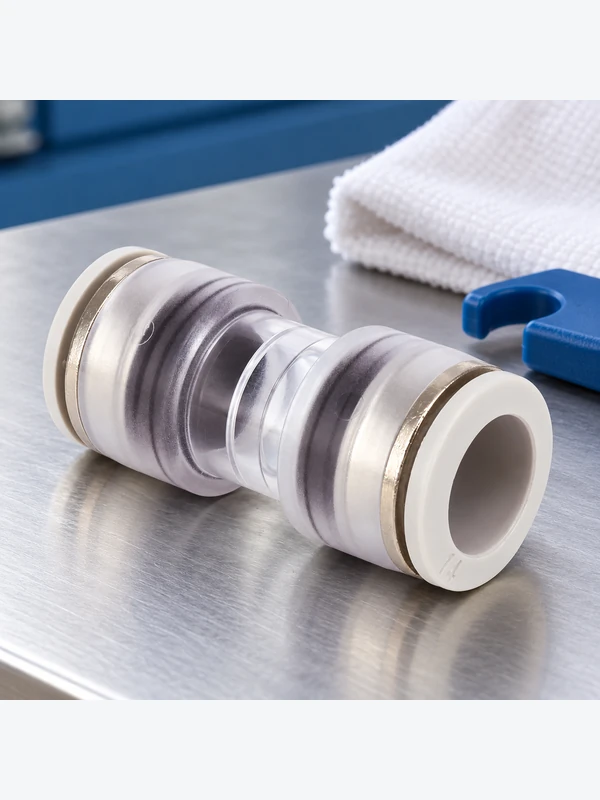
សម្រាប់ការតភ្ជាប់ផ្ទាល់ខ្លួន ចាប់ផ្តើមដោយពិនិត្យអាសយដ្ឋានដែលអាចប្រើបាន និងចំណុចប្រគល់-ទទួលជាក់ស្តែង។ បញ្ជាក់ពីរន្ធបណ្តាញចែកចាយដែលបានគ្រោងទុក ការបែងចែកសរសៃអុបទិក ឬឧបករណ៍បែងចែកដែលមាន ផ្លូវធ្លាក់ខ្សែ ការអនុញ្ញាត ការចូលប្រើ និងការតភ្ជាប់នៅទីតាំង។ សូមពិនិត្យមើលបំពង់មីក្រូបន្ថែមមួយដែលមាននៅក្នុងគំនូរ ប្រៀបធៀបជាមួយនឹងអត្តសញ្ញាណ និងស្ថានភាពនៃផ្លូវដែលបានដំឡើង មុនថ្ងៃដំឡើងសម្រាប់អតិថិជន។ សូមកត់ត្រាអំពីការរាំងស្ទះ ឬការផ្លាស់ប្តូរដែលមិនស្គាល់ ជាបញ្ហានៃការដំឡើង ជំនួសឱ្យការសន្មតថាគ្រប់ផ្ទះដែលឆ្លងកាត់សុទ្ធតែត្រៀមរួចរាល់សម្រាប់ការបញ្ចូលខ្សែ។.
បន្ទាប់មក ត្រូវបែងចែកការបញ្ចប់ការសាងសង់ពីការដាក់ឱ្យដំណើរការសេវា។ ក្រុមការងារផ្នែកសំណង់អាចប្រគល់ផ្លូវដែលត្រូវបានទទួលយក ខណៈពេលដែលខ្សែកាប ឬសេវាដែលកំពុងដំណើរការនៅតែកំពុងរង់ចាំ។ ផ្ទុយទៅវិញ ខ្សែកាបអាចមាននៅទីនោះ ប៉ុន្តែមុខបញ្ចប់ខូច ការភ្ជាប់ខ្សែមិនត្រឹមត្រូវ ឬការផ្គត់ផ្គង់សេវាមិនពេញលេញ អាចធ្វើឱ្យសេវាមិនដំណើរការបាន។ ត្រូវកំណត់ម្ចាស់ទទួលខុសត្រូវ និងលទ្ធផលដែលបានកត់ត្រាសម្រាប់ដំណាក់កាលនីមួយៗ ដើម្បីឱ្យក្រុមបន្ទាប់ដឹងថាអ្វីដែលត្រូវបានទទួលយកជាក់ស្តែង។ កំណត់ត្រានៃការប្រគល់ត្រូវបង្ហាញថាតើផ្លូវ ការធ្វើតេស្តខ្សែកាប និងការដាក់ឱ្យដំណើរការសេវាត្រូវបានបញ្ចប់សម្រាប់អាសយដ្ឋាននីមួយៗឬយ៉ាងណា។.
ត្រូវភ្ជាប់គ្រឿងបន្លាស់ទុយយោទៅនឹងលំដាប់នេះ។ ឧបករណ៍ភ្ជាប់មីក្រូទុយយោដែលអាចចូលបាន ធ្វើឱ្យការត្រួតពិនិត្យចំណុចជួបប្រសព្ធក្លាយជាអាចធ្វើទៅបាន; ប៉ុន្តែផ្នែកជាក់ស្ដែងនៅតែត្រូវសមនឹងអង្កត់ផ្ចិតខាងក្រៅរបស់ទុយយោ បរិស្ថានដែលបានគ្រោងទុក និងមុខងារនៃការបិទជិត។ ត្រូវរក្សាការបង្ហាញឱ្យឃើញនូវការទទួលខុសត្រូវសម្រាប់ការបិទ ការដាក់ចុះ និងការចូលទៅក្នុងបរិវេណលើគំនូរ។ ការពន្យាពេលក្នុងការដាក់ឱ្យប្រើប្រាស់នៅក្នុងគេហដ្ឋាន គួរតែត្រូវបានពិនិត្យនៅដំណាក់កាលដែលពាក់ព័ន្ធ ជាជាងចាត់ទុកថាជាបញ្ហាដោយស្វ័យប្រវត្តិទៅលើឧបករណ៍ភ្ជាប់ ឬបច្ចេកវិទ្យាទំនាក់ទំនង។.
ចូលរួម និងសាកល្បងបំពង់ខ្យល់មុនពេលបញ្ចូលខ្សែកាប
ឧបករណ៍ភ្ជាប់មីក្រូឌាក់ត៍ បង្កើតចំណុចភ្ជាប់យន្តការដែលអាចដោះចេញបានរវាងទុយោដែលស៊ីគ្នា ជាធម្មតាប្រើការភ្ជាប់បញ្ឆិត និងស៊ីល។ តួនាទីរបស់ពួកវាគឺរក្សាទុយោ ខណៈពេលដែលរក្សាលំហូរខ្យល់ឱ្យតឹងជាប់គ្រប់គ្រាន់សម្រាប់វិធីសាស្ត្រដំឡើង។ ឧបករណ៍ភ្ជាប់ត្រង់អាចសមស្របសម្រាប់ការពង្រីកដែលបានគ្រោងទុក; ចំណែកឧបករណ៍បន្ថយ ឧបករណ៍បញ្ចប់ ឬឧបករណ៍បញ្ឈប់ឧស្ម័ន គឺសម្រាប់ដោះស្រាយចំណុចប្រសព្វ ឬការប៉ះពាល់ផ្សេងទៀត។ ប្រភេទត្រឹមត្រូវមិនអាចជួសជុលចុងទុយោដែលមានរាងមូល មានស្នាម ឬកាត់មិនត្រឹមត្រូវបានឡើយ។.
មុនពេលបូមខ្សែកាប, អ្នកជាប់កិច្ចសន្យាគួរកាត់បំពង់ឱ្យត្រង់, យកស្នាមកោសចេញ, បញ្ជាក់អំពីជម្រៅនៃការបញ្ចូល, ធានាថាភ្ជាប់គ្នាឱ្យរឹងមាំដើម្បីទប់ទល់នឹងកម្លាំងទាញ, និងធ្វើតេស្តសម្ពាធឬតេស្តការលេចធ្លាយតាមការកំណត់។ ការធ្វើតេស្តមិនជោគជ័យអាចពន្យារពេលការដំឡើងខ្សែកាប ហើយតម្រូវឱ្យក្រុមការងារមកធ្វើការម្ដងទៀត ដោយត្រូវជីកដី ឬធ្វើការចូលទៅកាន់តំបន់នោះ បន្ទាប់ពីមុខរបរផ្សេងទៀតបានបញ្ចប់។ សូមរាប់បញ្ចូលការងារចូលទៅកាន់តំបន់ និងពេលវេលារបស់ក្រុមការងារនេះ នៅពេលធ្វើការប្រៀបធៀបតម្លៃនៃឧបករណ៍ភ្ជាប់។.
ប្រៀបធៀបជម្រើសនៃដំណើរការតាមរយៈការដ installation និងការថែទាំ
| វិធីសាស្រ្តតាមបណ្តោយផ្លូវ | ការសម្របសម្រួលដំបូង | ភាពបត់បែននៃសមត្ថភាព | ផលប៉ះពាល់នៃការដំឡើង | ការពិចារណាលើ TCO |
|---|---|---|---|---|
| ខ្សែកាបបញ្ចូលដីដោយផ្ទាល់ | ផ្លូវនិងការការពារដែលរចនាឡើងជុំវិញខ្សែកាបមួយ | ទាបជាងពេលកប់ហើយ | ការជួសជុល ឬការបន្តឹងអាចតម្រូវឱ្យមានការចូលដំណើរការផ្នែកស៊ីវិល | អាចផ្លាស់ប្តូរថ្លៃដើមឆ្ពោះទៅរកការជីកកកាយនៅពេលអនាគត |
| បំពង់ខ្យល់ធម្មតាតែមួយ | មានវិធីសាស្រ្តធំមួយដើម្បីគ្រប់គ្រង | អាស្រ័យលើរន្ធដោតបន្ថែម និងការចូលដំណើរការ | ច្បាប់នៃការទាញ ឬបូម អាស្រ័យលើខ្សែកាប និងបំពង់ | ការស្ទះចរាចរណ៍នៅលើផ្លូវរួមអាចប៉ះពាល់ដល់ការងារនាពេលក្រោយ |
| ប្រព័ន្ធមីក្រូដាក់ច្រើនទិស | តម្រូវឱ្យមានការរៀបចំផែនការខ្សែបណ្តាញ និងចំណុចភ្ជាប់ច្បាស់លាស់ | រន្ធដែលបានកំណត់ទុកជាពិសេសអាចត្រូវបានកក់ទុក | គាំទ្រការដំឡើងខ្សែកាបតាមដំណាក់កាល ដែលបានផ្ទៀងផ្ទាត់ | ការកំណត់លក្ខណៈវិនិច្ឆ័យជាមុនកាន់តែច្រើន; អាចមានការធ្វើបច្ចុប្បន្នភាពដែលបង្កការរំខានតិចជាងមុន |
តម្លៃនៃប្រព័ន្ធមីក្រូដាក់ច្រើនទិស អាស្រ័យលើការរៀបចំដំឡើង និងការប្រើប្រាស់នាពេលអនាគត។ តម្លៃរបស់វាកើនឡើង នៅពេលដែលការដាក់ឱ្យប្រើប្រាស់ជាដំណាក់កាល តំបន់សេវាកម្មច្រើន ឬការផ្លាស់ប្តូរបណ្តាញនាពេលអនាគត ធ្វើឱ្យផ្លូវបន្ថែមដែលបានការពារមានប្រយោជន៍ផ្នែកពាណិជ្ជកម្ម។ ការគណនាការសន្សំសំចៃណាមួយ គួរតែត្រូវបានដាក់ស្លាកថា ជាឧទាហរណ៍ប៉ុណ្ណោះ ហើយគួរតែរួមបញ្ចូលទាំងការចូលប្រើប្រាស់ហេដ្ឋារចនាសម្ព័ន្ធ, ការធ្វើតេស្ត, ការស្តារឡើងវិញ និងហានិភ័យនៃការឈប់ដំណើរការ—មិនមែនគ្រាន់តែសម្ភារៈប៉ុណ្ណោះទេ។.
ជ្រើសរើសទំហំលូ និងការតភ្ជាប់ពីគម្រោងខ្សែកាប
| ចំណុចសម្រេចចិត្ត | ត្រូវកត់ត្រាអ្វី | ហេតុអ្វីវាប្រែប្រួលលទ្ធផល |
|---|---|---|
| ចំណុចប្រសព្វទុយោ | អង្កត់ផ្ចិតខាងក្រៅដែលបានកំណត់ និងកម្រិតចំហៀងជាក់ស្តែងដែលបានវាស់ | ការចាប់កាន់ និងការបិទជិតរបស់ខ្សែភ្ជាប់អាស្រ័យលើផ្ទៃខាងក្រៅ |
| ប្រហោងដែលអាចប្រើបាន | Internal diameter, route length, bends and access points | Determines the cable-installation window, not merely nominal size |
| Cable interface | Cable diameter, stiffness and supplier blowing guidance | Controls friction, air flow and safe installation settings |
| បរិស្ថាន | Buried, direct-sunlight, chamber, building-entry or gas-blocking need | Changes material, sealing and protection requirements |
Test the passive link, active service and home Wi-Fi separately
An FTTH handover should answer three separate questions. First, does the installed passive optical path meet its design and contract limits? Second, do the provisioned OLT, ONT and service profile deliver the agreed service at the defined test point? Third, does the customer’s home network deliver suitable coverage to the device being used? A Wi-Fi speed test from a distant room cannot distinguish all three.
For passive acceptance, record fibre identifiers, endpoints, test wavelengths, reference method and the agreed loss limits. The Fiber Optic Association distinguishes insertion-loss measurement with a source and power meter from OTDR event analysis. An OTDR trace helps locate splices, reflective events and faults; it is not interchangeable with a direct insertion-loss test. Use the operator’s required combination of tests and retain the setup with the results rather than simply attaching a screenshot labelled “passed.”
For active service, verify the correct terminal identity, port assignment, provisioning and test endpoint. Record the conditions of a wired performance test where the operator requires one, including the client equipment, interface capability and time of measurement. A device or server bottleneck should not be treated as evidence that the outside-plant duct is inadequate. Keep any active-service remedy separate from repairs to the passive fibre route.
For in-home wireless performance, assess gateway placement, coverage, interference and client capability under the relevant service procedure. Explain which result is being delivered to the customer: optical acceptance, service performance at the agreed interface, or wireless coverage in a room. The splice-box planning article supports the passive-route and maintenance discussion; it does not establish a wireless guarantee. Separate test records help the team locate the fault before replacing cable or connectors.
Which standards cover FTTH cables, fibre and buried conduits
Standards should be written into procurement documents with their scope intact. IEC 60794-1-2 specifies optical-fibre cable measurement and test procedures; it does not certify a connector. IEC 60794-5-20 addresses outdoor microduct optical-fibre cables, whereas ITU-T G.657 concerns the attributes of bend-insensitive single-mode fibre. EN 61386-24 covers particular requirements for conduit systems intended to be buried underground. A project in Europe may use EN requirements and local utility rules; another destination may require different national codes or customer specifications.
Ask suppliers to state what was tested, to which revision and on which product configuration. Avoid marketing a component as “IEC certified” when the cited document is a test method or applies to cable rather than the connector. Unsupported claims can create tender risk, delay acceptance and complicate defect responsibility.
What to check before ordering FTTH duct components
- Issue a route schedule that pairs every duct outside diameter with its connector type and cable plan.
- Request dimensional tolerances, material information, installation instructions and declared test evidence for the exact configuration.
- Set a clear pressure-test and visual-inspection hold point before cable blowing; record route, date and result.
- Trial the longest or most complex representative route using the intended cable, lubricant and blowing parameters.
For buyers seeking configurable pathway components, ANMASPC / Microduct Connector can support the discussion with product-range and documentation questions. Start by reviewing the available HDPE microduct options, then match them to the route and installation plan rather than sourcing fittings in isolation.
សំណួរដែលសួរញឹកញាប់
What is FTTH?
FTTH is an optical access architecture in which fibre reaches the subscriber’s residence. It describes the network endpoint, not a single cable, connector or installation method; the physical pathway must be specified separately.
How do microduct connectors work?
They grip and seal compatible duct ends so the route can be joined without a conventional fusion operation. Correct outside-diameter matching, clean square cuts and a documented leakage test are essential to performance.
Why are microducts used for FTTH?
They create defined small pathways that can support staged fibre installation and segregated routes. The benefit depends on the network plan, spare-capacity strategy and the verified ability to install the selected cable.
What size microduct is used for fiber optic cable?
There is no universal size: the selection follows cable diameter, route length, bends, blowing equipment and required future capacity. Record both duct outside diameter and bore, then use the cable supplier’s installation guidance.
Can fiber be blown into an existing microduct?
Often it can, provided the duct is continuous, clean, undamaged and suitable for the cable and route. Inspect the pathway and carry out a representative blowing trial before relying on an existing installation.
What is the difference between FTTH and FTTB?
FTTH takes fibre to an individual home, while FTTB takes it to a building and may use another medium for the final in-building connection. That endpoint difference affects the distribution design, access responsibilities and materials schedule.
Does a national FTTH coverage report tell me which connector size to buy?
No. Coverage reports describe market or infrastructure status. Connector size must be selected from the measured microduct OD and ID, cable plan, route conditions and the selected supplier’s installation instructions.
What should be recorded before approving an FTTH microduct bill of materials?
Record cable and duct dimensions, connector and reducer codes, chamber or access locations, route constraints, installation method, leak or continuity checks and the documents required for handover.
Does “homes passed” mean a customer can be activated immediately?
No. The term describes network availability under the report or operator’s definition. An individual address can still require permissions, a usable drop pathway, cable placement, optical tests, terminal installation and service provisioning. Check those stages locally rather than deriving readiness from a regional coverage percentage.
Can an OTDR pass replace an insertion-loss test or a Wi-Fi test?
No. An OTDR characterises events along the fibre, a source-and-power-meter measurement measures end-to-end insertion loss, and a Wi-Fi test includes the home’s wireless conditions. Follow the contract’s test plan and retain separate results with the correct endpoints and configuration.
ឯកសារយោង
- Fibre Council Europe — European FTTH/B Market Panorama 2026, published 17 March 2026
- សមាគមជ័រអុបទិក — ឧបករណ៍ឆ្លុះពន្លឺតាមដំណាក់កាលពេលវេលា: ការវិភាគព្រឹត្តិការណ៍ប្រៀបធៀបនឹងការវាស់ការបាត់បង់ការបញ្ចូល
- IEC 61386-24:2004 — Conduit systems buried underground, official scope
- ITU-T G.9804.3 Amendment 1 (2023) — 50G-PON PMD and triple wavelength coexistence, official abstract
សេចក្តីសង្ខេប
An FTTH connection needs an accepted pathway, tested optical link and activated customer service. Plan the duct, connectors, closures and drop route together, then record each handover stage against the correct address and fibre. Use coverage and take-up statistics as regional context, not as proof of local readiness. Test passive optical performance separately from active-service provisioning and home Wi-Fi, with the method and endpoints clearly identified. Record the owner and result of each stage so the installation team can trace an activation delay to the pathway, optical link, provisioning or home network.



