
فیبر نوری تا خانه یک اتصال دسترسی نوری را به خانه میرساند، اما وجود یک خط فیبر نزدیک تنها یک مرحله در ارائه یک خدمات کاربردی است. مسیر اتصال، نصب کابل، پذیرش نوری و فعالسازی خدمات هر کدام نیاز به مدارک خودشان دارند. اتصالدهندههای میکروداکت پشتیبانی از آن مسیر فیزیکی هنگامی صورت میگیرد که ابعاد، عملکرد و روش نصب آن با سیستم لولهکشی تعیینشده منطبق باشد.
FTTH (فیبر به خانه) یک شبکه دسترسی نوری را تا مسکن مشترک برده، بجای اینکه در یک کابینت خیابانی یا ساختمان متوقف شود. برای ساخت و ساز با لولهکشی، قطر بیرونی لوله، دامنه کابل، روش آزمایش فشار و قابلیت ردیابی را با هم مشخص کنید؛ IEC 60794-1-2 روشهای آزمایش کابل را ارائه میدهد، در حالی که الزامات لولهکشی دارای حوزه کار جداگانهای هستند. این رویکرد به برنامهریزان کمک میکند پنجرههای نصب را حفظ کنند و به پیمانکاران فرآیند پذیرش قابل تکراری اعطا میکند.
یک شبکه FTTH چگونه به خانه متصل میشود؟
FTTH یکی از اعضای خانواده وسیع FTTx است. نقطه توزیع نوری نهایی آن در داخل منزل قرار دارد، بنابراین مسیر زیربنایی، مسیر کانال، بستها و انتقال داخل ساختمان همه بر ارائه خدمات تأثیر میگذارند. توصیه ITU-T G.9807.1 الزامات انتقال شبکه نوری پاسیو متقارن 10-gigabit-capable را تعریف میکند؛ این توصیه نوع خاصی از کانال یا اتصال را تعیین نمیکند. هنگام تهیه جدول مواد برای طراحی دسترسی، کانالها و اتصالها را به صورت جداگانه مشخص کنید.
یک شبکه فیبر نوری معمولاً بخشهای تغذیهای، توزیعی و اتصال را از هم جدا میکند. طراحان بودجه تلفات نوری را بین سپلیترها، فیبر، اتصالات و کنکتورها تخصیص میدهند، سپس مسیر فیزیکی را طراحی میکنند که امکان نصب و دخالت در آینده را فراهم کند. برای بخشهای مسکونی حساس به خمیدگی، ITU-T G.657 دستههای فیبر تکمد چرخش-حساستاره را شناسایی میکند؛ با این حال، سازگاری با کابل انتخاب شده و مسیر همچنان نیازمند تأیید از سوی سازنده کابل است.
میکروکانالها چگونه از نصب مرحلهای کابل در آخرین مایل حمایت میکنند؟
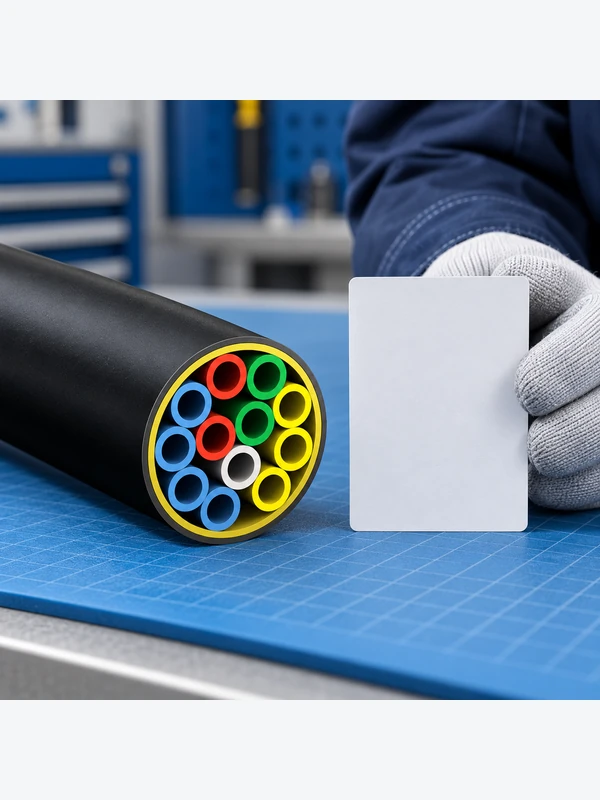
میکرودکتنگ یک مسیر بزرگ را به کانالهای کوچک اختصاصی تقسیم میکند، به طوری که یک تیم میتواند کابل را در زمان نیاز، با تأیید طراحی یا...نصب کند. گرفتن آن را توجیه میکند. میکروداکتهای HDPE بهطور معمول برای سیستمهای مسیر زیرزمینی و بیرونی انتخاب میشوند، زیرا پلیاتیلن با جرم کم، چقرمگی قابل توجهی دارد؛ ساختار دیواره، عملکرد اصطکاکی، شرایط خاکپوشی و روش اتصال هر کدام به طرح بستگی دارند.
برای نصب با باد دمیده شده, قطر لوله، قطر کابل، هندسه مسیر و ظرفیت کمپرسور با هم همکاری میکنند. به عنوان مثال، یک لوله 10/8 میلیمتری دارای قطر داخلی اسمی 8 میلیمتر است، اما تنها این عدد، محدوده مجاز کابل یا فاصله بادکش را تعیین نمیکند. از پنجره نصب مستند شده توسط تامینکننده کابل و ماشین بادکش استفاده کنید، سپس قبل از تولید مقادیر انبوه، مسیر نماینده را اعتباربخشی کنید. IEC 60794-1-2 شامل روشهای آزمون کشش، فشردهشدن و چرخه حرارتی برای کابلهای فیبر نوری است؛ این استاندارد، تأیید یک مسیر لولهگذاری تمامشده نیست.
خانههای تأییدشده و خانههای فعالشده نیازمند بررسیهای متفاوتی هستند.
چشمانداز بازار اروپایی FTTH/B که در تاریخ 17 مارس 2026 منتشر شده، حدود 295 میلیون خانوار را در سراسر EU39 گزارش میدهد، که معادل حدود 79% پوشش خانوار و حدود 54% نرخ استفاده است. پوشش و نرخ استفاده مخرجهای متفاوتی دارند و نباید به صورت عوضپذیر از آنها استفاده شود. گزارش منطقهای زمینه بازار را فراهم میکند؛ اما نمیتواند نشان دهد که آیا یک آدرس خاص دارای لوله افت مستمر، ورود مجاز به ساختمان یا یک انتهای فیبر نوری فعال شده است یا خیر.
برای یک اتصال منفرد، با آدرس قابل استفاده و نقاط تحویل فیزیکی شروع کنید. پورت توزیع برنامهریزیشده، میزان فیبر موجود یا تقسیمبندی سپلیتر، مسیر خط افت، مجوزها، دسترسی و تماسنهای داخل ساختمان را تأیید کنید. قبل از تاریخ نصب مشتری، باید یک لولهکوچک ذخیره در نقشه با هویت و وضعیت مسیر نصب شده مقایسه شود. هرگونه مسدودیت یا انتقال نامشخص را بهعنوان یک مشکل نصب ثبت کنید، بهجای اینکه فرض کنید تمام خانههای عبوری برای فروشدن کابل آماده هستند.
سپس، تکمیل ساخت و ساز را از فعالسازی خدمات جدا کنید. تیم عمرانی میتواند یک مسیر تأییدشده را تحویل دهد در حالی که کابل یا خدمت فعال هنوز در حال انجام است. به عبارت دیگر، ممکن است کابل وجود داشته باشد، اما صورت نهایی آسیبدیده، نقشهبندی پچ نادرست یا تأمین ناقص منجر به عدم فعالسازی خدمات شود. برای هر مرحله، یک مسئول و یک نتیجه ثبتشده تعیین کنید تا تیم بعدی بداند دقیقاً چه چیزی تأیید شده است. گزارش تحویل باید نشان دهد که آیا مسیر، آزمایشات کابل و فعالسازی خدمات برای هر آدرس به پایان رسیدهاند یا خیر.
اجزاء لولهها را با این ترتیب هماهنگ کنید. اتصالات قابل دسترس میکرولوله امکان نظارت بر جوشهای اتصال را فراهم میکند؛ با این حال، باید مطمئن شوید که خود قطعه با قطر خارجی لوله، محیط مورد استفاده و عملکرد عایقدار بودن آن سازگار است. مسئولیتهای بستن، خط پایینآور و ورود به داخل منزل را روی نقشه مشخص نگه دارید. در صورت وجود تأخیر در فعالسازی خدمات یک خانوار، باید در مرحله مربوطه به دلیل آن تحقیق شود، نه اینکه بطور خودکار به اتصال یا فناوری دسترسی نسبت داده شود.
پیش از باد کردن کابل، لولهها را به هم وصل کنید و آزمایش کنید.
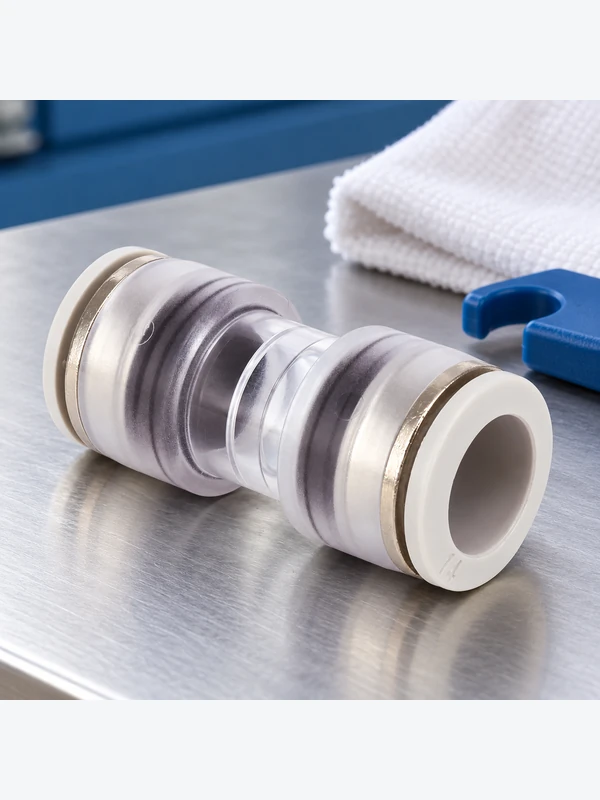
اتصالدهندههای میکروکانال یک اتصال مکانیکی قابل جداشدن بین کانالهای سازگار ایجاد میکنند، معمولاً با استفاده از یک روش پیچ و تسمه فشاری و یک جلوزدن. وظیفه آنها نگهداری لوله به همراه حفظ یک مسیر هوایی به اندازه کافی محکم برای روش نصب است. یک اتصالدهنده مستقیم ممکن است برای یک افزایش برنامهریزیشده مناسب باشد؛ در حالی که یک اتصالدهنده کاهنده، یک سرپوش پایانی یا یک عامل جلوگیری از گاز برای یک رابط یا قسمتِ در معرض مختلف طراحی شدهاند. نوع صحیح نمیتواند جبران کند اگر انتهای کانال بیضیشکل، خراشخورده یا به درستی برش داده نشده باشد.
قبل از فریاد کابل، پیمانکاران باید لولهها را به صورت عمود بریده و خراشهای آن را حذف کنند، عمق ورود کابل را تأیید کنند، اتصال را در برابر نیروهای کششی محکم کنند و آزمون فشار یا نشتی تعیین شده را انجام دهند. عدم موفقیت در این آزمون میتواند نصب کابل را به تأخیر انداخته و نیازمند بازدید دوباره تیم، حفاری یا انجام کارهای دسترسی پس از اینکه سایر بخشها جابجا شدهاند، شود. هنگام مقایسه هزینههای اتصالات، این کارهای دسترسی و زمان تیم را نیز در نظر بگیرید.
گزینههای مسیر را بر اساس نصب و نگهداری مقایسه کنید
| رویکرد مسیر | همافزایی اولیه | انعطافپذیری ظرفیت | پیامدهای نصب | در نظر گرفتن TCO |
|---|---|---|---|---|
| کابل دفن شده مستقیم | مسیر و حفاظت طراحیشده برای یک کابل | پایینتر هنگامی که دفن شد | اصلاح یا بهروزرسانی ممکن است نیازمند دسترسی ساختمانی باشد. | میتواند هزینه را به سمت حفاری آتی منتقل کند |
| یک کانال سنتی منفرد | یک مسیر بزرگتر برای مدیریت | وابسته به قطر داخلی و دسترسی است | قوانین کشیدن یا فشردن بستگی به کابل و لولهکشی دارد. | اشباع مسیر مشترک میتواند بر کارهای بعدی تأثیر بگذارد. |
| سیستم میکروکانال چندگانه | نیازمند جدول واضح لولهکشی و اتصالات است | سوراخهای اختصاصی میتوانند رزرو شوند | پشتیبانی از نصب مرحلهای کابل در جایی که تأیید شده است | مشخصات بیشتر در مرحله اول؛ احتمالاً تعداد کمتری از بهروزرسانیهای مختلکننده |
هزینه یک سیستم میکروکانال چندگانه به نحوه نصب برنامهریزیشده و استفاده آینده بستگی دارد. ارزش آن در مواردی افزایش مییابد که توسعه تدریجی، مناطق خدمات متعدد یا تغییرات آینده شبکه، وجود مسیرهای پشتیبان محافظتشده را از لحاظ تجاری سودمند میکند. هر محاسبه صرفهجویی باید بهعنوان نمونهای توضیحی مشخص شود و شامل هزینههای زیربنایی، آزمایش، بازگردانی و خطر توقف عملیات—نه تنها مواد—باشد.
اندازههای لوله و اتصالات را از طرح کابل انتخاب کنید
| نقطه تصمیمگیری | چه چیزی را ثبت کنیم | چرا نتیجه را تغییر میدهد |
|---|---|---|
| رابط کانال | قطر خارجی اسمی و انحراف فاصله واقعی اندازه شده | Connector gripping and sealing depend on the outside surface |
| Usable bore | Internal diameter, route length, bends and access points | Determines the cable-installation window, not merely nominal size |
| رابط کابل | Cable diameter, stiffness and supplier blowing guidance | Controls friction, air flow and safe installation settings |
| محیط زیست | Buried, direct-sunlight, chamber, building-entry or gas-blocking need | Changes material, sealing and protection requirements |
Test the passive link, active service and home Wi-Fi separately
An FTTH handover should answer three separate questions. First, does the installed passive optical path meet its design and contract limits? Second, do the provisioned OLT, ONT and service profile deliver the agreed service at the defined test point? Third, does the customer’s home network deliver suitable coverage to the device being used? A Wi-Fi speed test from a distant room cannot distinguish all three.
For passive acceptance, record fibre identifiers, endpoints, test wavelengths, reference method and the agreed loss limits. The Fiber Optic Association distinguishes insertion-loss measurement with a source and power meter from OTDR event analysis. An OTDR trace helps locate splices, reflective events and faults; it is not interchangeable with a direct insertion-loss test. Use the operator’s required combination of tests and retain the setup with the results rather than simply attaching a screenshot labelled “passed.”
For active service, verify the correct terminal identity, port assignment, provisioning and test endpoint. Record the conditions of a wired performance test where the operator requires one, including the client equipment, interface capability and time of measurement. A device or server bottleneck should not be treated as evidence that the outside-plant duct is inadequate. Keep any active-service remedy separate from repairs to the passive fibre route.
For in-home wireless performance, assess gateway placement, coverage, interference and client capability under the relevant service procedure. Explain which result is being delivered to the customer: optical acceptance, service performance at the agreed interface, or wireless coverage in a room. The splice-box planning article supports the passive-route and maintenance discussion; it does not establish a wireless guarantee. Separate test records help the team locate the fault before replacing cable or connectors.
Which standards cover FTTH cables, fibre and buried conduits
Standards should be written into procurement documents with their scope intact. IEC 60794-1-2 specifies optical-fibre cable measurement and test procedures; it does not certify a connector. IEC 60794-5-20 addresses outdoor microduct optical-fibre cables, whereas ITU-T G.657 concerns the attributes of bend-insensitive single-mode fibre. EN 61386-24 covers particular requirements for conduit systems intended to be buried underground. A project in Europe may use EN requirements and local utility rules; another destination may require different national codes or customer specifications.
Ask suppliers to state what was tested, to which revision and on which product configuration. Avoid marketing a component as “IEC certified” when the cited document is a test method or applies to cable rather than the connector. Unsupported claims can create tender risk, delay acceptance and complicate defect responsibility.
What to check before ordering FTTH duct components
- Issue a route schedule that pairs every duct outside diameter with its connector type and cable plan.
- Request dimensional tolerances, material information, installation instructions and declared test evidence for the exact configuration.
- Set a clear pressure-test and visual-inspection hold point before cable blowing; record route, date and result.
- Trial the longest or most complex representative route using the intended cable, lubricant and blowing parameters.
For buyers seeking configurable pathway components, ANMASPC / Microduct Connector can support the discussion with product-range and documentation questions. Start by reviewing the available HDPE microduct options, then match them to the route and installation plan rather than sourcing fittings in isolation.
سوالات متداول
What is FTTH?
FTTH is an optical access architecture in which fibre reaches the subscriber’s residence. It describes the network endpoint, not a single cable, connector or installation method; the physical pathway must be specified separately.
How do microduct connectors work?
They grip and seal compatible duct ends so the route can be joined without a conventional fusion operation. Correct outside-diameter matching, clean square cuts and a documented leakage test are essential to performance.
Why are microducts used for FTTH?
They create defined small pathways that can support staged fibre installation and segregated routes. The benefit depends on the network plan, spare-capacity strategy and the verified ability to install the selected cable.
What size microduct is used for fiber optic cable?
There is no universal size: the selection follows cable diameter, route length, bends, blowing equipment and required future capacity. Record both duct outside diameter and bore, then use the cable supplier’s installation guidance.
Can fiber be blown into an existing microduct?
Often it can, provided the duct is continuous, clean, undamaged and suitable for the cable and route. Inspect the pathway and carry out a representative blowing trial before relying on an existing installation.
What is the difference between FTTH and FTTB?
FTTH takes fibre to an individual home, while FTTB takes it to a building and may use another medium for the final in-building connection. That endpoint difference affects the distribution design, access responsibilities and materials schedule.
Does a national FTTH coverage report tell me which connector size to buy?
No. Coverage reports describe market or infrastructure status. Connector size must be selected from the measured microduct OD and ID, cable plan, route conditions and the selected supplier’s installation instructions.
What should be recorded before approving an FTTH microduct bill of materials?
Record cable and duct dimensions, connector and reducer codes, chamber or access locations, route constraints, installation method, leak or continuity checks and the documents required for handover.
Does “homes passed” mean a customer can be activated immediately?
No. The term describes network availability under the report or operator’s definition. An individual address can still require permissions, a usable drop pathway, cable placement, optical tests, terminal installation and service provisioning. Check those stages locally rather than deriving readiness from a regional coverage percentage.
Can an OTDR pass replace an insertion-loss test or a Wi-Fi test?
No. An OTDR characterises events along the fibre, a source-and-power-meter measurement measures end-to-end insertion loss, and a Wi-Fi test includes the home’s wireless conditions. Follow the contract’s test plan and retain separate results with the correct endpoints and configuration.
مراجع
- شورای فیبر اروپا — چشمانداز بازار FTTH/B اروپا 2026، منتشر شده در مارس 17 2026
- اتحادیه فیبر نوری — ریفلکتومتر زمانی نوری: تحلیل رویدادها در مقابل اندازهگیری ضریب افت ورودی
- IEC 61386-24:2004 — سیستمهای لولهکشی زیرزمینی، حوزه کاری رسمی
- ITU-T G.9804.3 Amendment 1 (2023) — 50G-PON PMD and triple wavelength coexistence, official abstract
خلاصه
An FTTH connection needs an accepted pathway, tested optical link and activated customer service. Plan the duct, connectors, closures and drop route together, then record each handover stage against the correct address and fibre. Use coverage and take-up statistics as regional context, not as proof of local readiness. Test passive optical performance separately from active-service provisioning and home Wi-Fi, with the method and endpoints clearly identified. Record the owner and result of each stage so the installation team can trace an activation delay to the pathway, optical link, provisioning or home network.



