PU hose and PA hose are two popular types of hoses used for various applications. While both serve the purpose of fluid or air transfer, they have some distinct differences in terms of their properties and performance.
PU 호스와 PA 호스의 한 가지 눈에 띄는 차이점은 경도입니다. PU 호스는 PA 호스에 비해 더 부드럽습니다. 이러한 부드러움 덕분에 PU 호스는 유연성이 뛰어나고 다루기 쉬우며, 좁은 공간에서도 쉽게 설치하고 사용할 수 있습니다. 반면, PA 호스는 경도가 높아 더 단단하고 유연성이 떨어집니다.
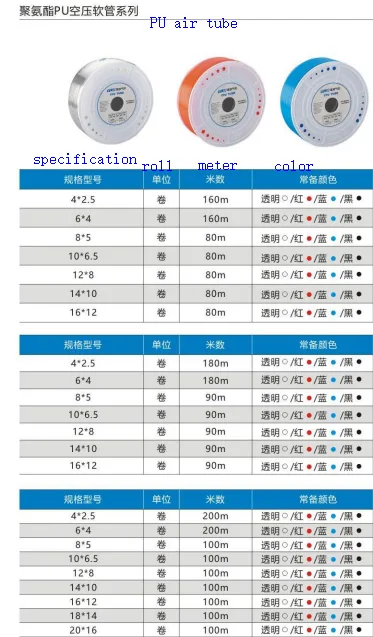
Another significant difference between PU hose and PA hose relates to their temperature and pressure resistance. PA hoses have better high temperature and pressure resistance compared to PU tubes. This makes them suitable for applications where the transfer of hot fluids or gases is involved, as well as for high-pressure systems. On the contrary, PU hoses are not as resistant to high temperatures and pressures, limiting their use in such conditions.
PU 호스는 우수한 내마모성으로 유명합니다. 마모와 손상을 견딜 수 있어 호스가 거친 표면과 접촉하거나 빈번한 움직임이 발생하는 용도에 이상적입니다. PU 호스의 이러한 특성은 내구성과 더 긴 수명을 보장하며, 수명 측면에서 PA 호스보다 우위에 있게 합니다.
내화학성 측면에서, PU와 PA 호스 모두 다양한 화학 물질에 대해 우수한 저항성을 나타냅니다. 이들은 오일, 용제, 산, 알칼리에 대한 노출을 견딜 수 있어 다양한 산업용으로 적합합니다. 그러나 특정 화학 물질에 대한 구체적인 저항성은 호스의 배합에 따라 다를 수 있으므로, 의도한 용도에 맞는 올바른 유형의 호스를 선택하는 것이 중요합니다.
비용 혜택 측면에서 PU 호스는 PA 호스에 비해 가격이 더 저렴한 편입니다. 이로 인해 예산 제약이 주요 고려 사항인 용도에서 인기 있는 선택이 됩니다. 또한 PU 호스는 상대적으로 가거워서 취급과 운반이 더 쉽고 편리합니다.
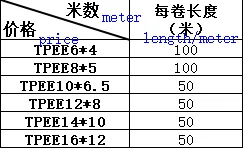
요약하자면, PU 호스와 PA 호스의 차이점은 경도, 내열성 및 내압성, 내마모성, 내화학성, 그리고 경제성에 있습니다. PU 호스는 더 부드럽고 유연하며 우수한 내마모성을 제공하는 반면, PA 호스는 더 우수한 고온 및 고압 저항성을 가집니다. 두 호스 중 어떤 것을 선택할지는 온도, 압력, 이송되는 유체나 가스의 특성과 같은 적용 분야의 구체적인 요구 사항에 따라 달라집니다.
2026 buyer update: compare the complete hose duty
PU hose, PA hose and the selected fitting system should be specified together. Current engineering guidance puts the emphasis on the actual duty cycle: tube OD and wall, bend radius, movement, temperature, medium and the pressure value at that temperature. PU and PA are useful candidates in different conditions, but neither material label is a universal rating.
| Check before approval | 요청할 증거 |
|---|---|
| Pressure and temperature | Working rating for the exact size, with derating or temperature limits. |
| Media exposure | Compatibility chart for the actual fluid, concentration and exposure time. |
| Motion and assembly | Bend radius, abrasion guidance, tube tolerance and approved connector series. |
Record these fields in the RFQ and link the chosen tube to the site’s pneumatic parts range. Avoid using burst or test pressure as a continuous operating value.
Can a nominally matching fitting be used for either hose?
Only when the supplier approves the material, OD, wall and tolerance for the exact fitting. A matching nominal size is not enough.
What is the safest way to compare price?
Compare the same duty cycle, replacement interval, fitting family and test requirement; a lower unit price can be offset by early leaks or rework.
Which current source should a buyer keep with the order?
Keep the exact tube datasheet and compatibility chart, plus the fitting drawing and assembly instruction. Parker’s technical catalogue is useful context, but it does not rate every supplier’s tube.
Frequently asked questions about PU and PA air hose
Which hose is more flexible, PU or PA?
PU is commonly chosen for flexibility, but the actual bend radius depends on tube size, reinforcement, temperature and the manufacturer’s data.
Is PA always better for high pressure?
PA often has higher stiffness and may suit demanding pressure conditions, but only the exact size and rating can answer the question.
Which hose resists abrasion better?
PU is frequently considered for moving or rubbing applications, yet verify the abrasion method and service conditions rather than relying on a generic material claim.
Can PU and PA use the same push-in fitting?
Only when the fitting manufacturer approves the tube material, OD, wall and tolerance. A matching nominal size alone is not enough.
How should chemical compatibility be checked?
Identify the actual fluid, concentration, temperature and exposure time, then consult the tube supplier’s compatibility chart.
What should be recorded when ordering replacement hose?
Record material, OD, wall, colour, pressure and temperature conditions, medium, bend or motion requirement, length and fitting code.
참고문헌
- Parker Technical Tubing and Hose — product-specific compatibility and rating context.
- ISO 14743:2020 — official scope for push-in connectors and thermoplastic tubes.
Summary
PU and PA selection is a duty-cycle decision, not a material-name shortcut. Confirm the exact tube dimensions, operating temperature, pressure, medium, movement and fitting interface before comparing suppliers. Then keep the data sheet and assembly method with the order so a replacement uses the same evidence. This process reduces leaks and avoids copying a rating from another size or compound.