
PU hose and PA hose are two popular types of hoses used for various applications. While both serve the purpose of fluid or air transfer, they have some distinct differences in terms of their properties and performance.
Una differenza notevole tra il tubo in PU e il tubo in PA è la loro durezza. I tubi in PU sono più morbidi rispetto alle loro controparti in PA. Questa morbidezza rende i tubi in PU più flessibili e facili da manovrare, consentendo una facile installazione e utilizzo in spazi ristretti. D'altra parte, i tubi in PA hanno una durezza maggiore, il che li rende più rigidi e meno flessibili.
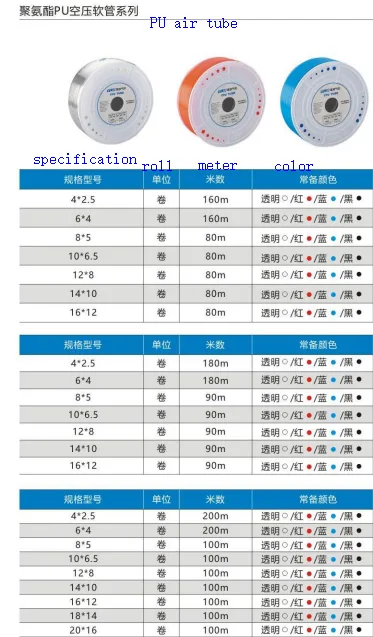
Another significant difference between PU hose and PA hose relates to their temperature and pressure resistance. PA hoses have better high temperature and pressure resistance compared to PU tubes. This makes them suitable for applications where the transfer of hot fluids or gases is involved, as well as for high-pressure systems. On the contrary, PU hoses are not as resistant to high temperatures and pressures, limiting their use in such conditions.
I tubi in PU sono noti per la loro eccellente resistenza all'abrasione. Possono resistere all'usura, il che li rende ideali per applicazioni in cui il tubo entra in contatto con superfici ruvide o è soggetto a frequenti movimenti. Questa proprietà dei tubi in PU garantisce la loro durata e una maggiore vita utile, dando loro un vantaggio rispetto ai tubi in PA in termini di longevità.
In termini di resistenza chimica, sia i tubi flessibili in PU che quelli in PA mostrano una buona resistenza a un'ampia gamma di sostanze chimiche. Possono resistere all'esposizione a oli, solventi, acidi e alcali, rendendoli adatti a varie applicazioni industriali. Tuttavia, è importante notare che la resistenza specifica a determinate sostanze chimiche può variare a seconda della formulazione del tubo, quindi è fondamentale scegliere il tipo di tubo giusto per l'applicazione prevista.
In termini di efficacia dei costi, i tubi in PU tendono a essere più economici rispetto ai tubi in PA. Questo li rende una scelta popolare per le applicazioni in cui i vincoli di budget rappresentano una preoccupazione. Inoltre, i tubi in PU sono relativamente leggeri, il che rende la movimentazione e il trasporto più facili e convenienti.
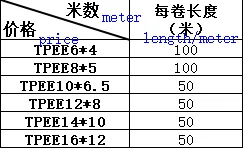
In sintesi, la differenza tra il tubo in PU e il tubo in PA risiede nella loro durezza, resistenza alla temperatura e alla pressione, resistenza all'abrasione, resistenza agli agenti chimici e rapporto costo-efficacia. I tubi in PU sono più morbidi, più flessibili e offrono un'eccellente resistenza all'abrasione, mentre i tubi in PA presentano una maggiore resistenza alle alte temperature e pressioni. La scelta tra i due dipende dai requisiti specifici dell'applicazione, come temperatura, pressione e natura del fluido o del gas trasportato.
2026 buyer update: compare the complete hose duty
PU hose, PA hose and the selected fitting system should be specified together. Current engineering guidance puts the emphasis on the actual duty cycle: tube OD and wall, bend radius, movement, temperature, medium and the pressure value at that temperature. PU and PA are useful candidates in different conditions, but neither material label is a universal rating.
| Check before approval | Prove da richiedere |
|---|---|
| Pressure and temperature | Working rating for the exact size, with derating or temperature limits. |
| Media exposure | Compatibility chart for the actual fluid, concentration and exposure time. |
| Motion and assembly | Bend radius, abrasion guidance, tube tolerance and approved connector series. |
Record these fields in the RFQ and link the chosen tube to the site’s pneumatic parts range. Avoid using burst or test pressure as a continuous operating value.
Can a nominally matching fitting be used for either hose?
Only when the supplier approves the material, OD, wall and tolerance for the exact fitting. A matching nominal size is not enough.
What is the safest way to compare price?
Compare the same duty cycle, replacement interval, fitting family and test requirement; a lower unit price can be offset by early leaks or rework.
Which current source should a buyer keep with the order?
Keep the exact tube datasheet and compatibility chart, plus the fitting drawing and assembly instruction. Parker’s technical catalogue is useful context, but it does not rate every supplier’s tube.
Frequently asked questions about PU and PA air hose
Which hose is more flexible, PU or PA?
PU is commonly chosen for flexibility, but the actual bend radius depends on tube size, reinforcement, temperature and the manufacturer’s data.
Is PA always better for high pressure?
PA often has higher stiffness and may suit demanding pressure conditions, but only the exact size and rating can answer the question.
Which hose resists abrasion better?
PU is frequently considered for moving or rubbing applications, yet verify the abrasion method and service conditions rather than relying on a generic material claim.
Can PU and PA use the same push-in fitting?
Only when the fitting manufacturer approves the tube material, OD, wall and tolerance. A matching nominal size alone is not enough.
How should chemical compatibility be checked?
Identify the actual fluid, concentration, temperature and exposure time, then consult the tube supplier’s compatibility chart.
What should be recorded when ordering replacement hose?
Record material, OD, wall, colour, pressure and temperature conditions, medium, bend or motion requirement, length and fitting code.
Riferimenti
- Parker Technical Tubing and Hose — product-specific compatibility and rating context.
- ISO 14743:2020 — official scope for push-in connectors and thermoplastic tubes.
Summary
PU and PA selection is a duty-cycle decision, not a material-name shortcut. Confirm the exact tube dimensions, operating temperature, pressure, medium, movement and fitting interface before comparing suppliers. Then keep the data sheet and assembly method with the order so a replacement uses the same evidence. This process reduces leaks and avoids copying a rating from another size or compound.


