
PU hose and PA hose are two popular types of hoses used for various applications. While both serve the purpose of fluid or air transfer, they have some distinct differences in terms of their properties and performance.
یکی از تفاوتهای قابل توجه بین شلنگ PU و شلنگ PA، سختی آنها است. شلنگهای PU در مقایسه با همتایان PA خود نرمتر هستند. این نرمی باعث میشود شلنگهای PU انعطافپذیرتر و برای مانور دادن راحتتر باشند و امکان نصب و استفاده آسان را در فضاهای تنگ فراهم کنند. از سوی دیگر، شلنگهای PA سختی بالاتری دارند که باعث میشود سفتتر و کمتر انعطافپذیر باشند.
Another significant difference between PU hose and PA hose relates to their temperature and pressure resistance. PA hoses have better high temperature and pressure resistance compared to PU tubes. This makes them suitable for applications where the transfer of hot fluids or gases is involved, as well as for high-pressure systems. On the contrary, PU hoses are not as resistant to high temperatures and pressures, limiting their use in such conditions.
شلنگهای پلییورتان (PU) به خاطر مقاومت سایشی فوقالعادهشان شناخته شدهاند. آنها میتوانند در برابر فرسودگی مقاومت کنند و این ویژگی آنها را برای کاربردهایی که در آنها شلنگ با سطوح زبر تماس پیدا میکند یا دچار حرکت مکرر میشود، ایدهآل میسازد. این خصوصیت شلنگهای PU دوام و طول عمر بیشتر آنها را تضمین میکند و از نظر طول عمر، مزیتی نسبت به شلنگهای PA به آنها میدهد.
از نظر مقاومت شیمیایی، شلنگهای PU و PA هر دو مقاومت خوبی در برابر طیف وسیعی از مواد شیمیایی از خود نشان میدهند. آنها میتوانند در برابر قرار گرفتن در معرض روغنها، حلالها، اسیدها و بازها مقاومت کنند و برای کاربردهای مختلف صنعتی مناسب باشند. با این حال، مهم است توجه داشته باشید که مقاومت خاص در برابر برخی مواد شیمیایی ممکن است بسته به فرمولاسیون شلنگ متفاوت باشد، بنابراین انتخاب نوع مناسب شلنگ برای کاربرد مورد نظر بسیار حیاتی است.
از نظر مقرونبهصرفه بودن، شلنگهای پلییورتان (PU) معمولاً در مقایسه با شلنگهای پلیآمید (PA) ارزانتر هستند. این ویژگی1 آنها را به گزینهای محبوب برای کاربردهایی تبدیل میکند که محدودیتهای بودجهای در آنها مطرح است. علاوه بر این، شلنگهای PU نسبتاً سبکوزن هستند که جابجایی و حملونقل آنها را آسانتر و راحتتر میسازد.
به طور خلاصه، تفاوت بین شلنگ پلیاورتان (PU) و پلیآمید (PA) در میزان سختی، مقاومت در برابر دما و فشار، مقاومت در برابر سایش، مقاومت شیمیایی و مقرونبهصرفه بودن آنها نهفته است. شلنگهای PU نرمتر و انعطافپذیرتر هستند و مقاومت سایشی عالی دارند، در حالی که شلنگهای PA مقاومت بهتری در برابر دما و فشار بالا دارند. انتخاب میان این دو به الزامات خاص کاربرد، مانند دما، فشار و ماهیت مایع یا گاز در حال انتقال بستگی دارد.
2026 buyer update: compare the complete hose duty
PU hose, PA hose and the selected fitting system should be specified together. Current engineering guidance puts the emphasis on the actual duty cycle: tube OD and wall, bend radius, movement, temperature, medium and the pressure value at that temperature. PU and PA are useful candidates in different conditions, but neither material label is a universal rating.
| Check before approval | مدارک لازم برای درخواست |
|---|---|
| Pressure and temperature | Working rating for the exact size, with derating or temperature limits. |
| Media exposure | Compatibility chart for the actual fluid, concentration and exposure time. |
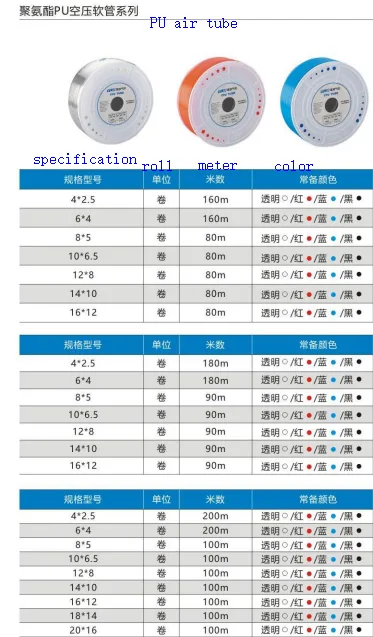
| Motion and assembly | Bend radius, abrasion guidance, tube tolerance and approved connector series. |
Record these fields in the RFQ and link the chosen tube to the site’s قطعات پنوماتیک range. Avoid using burst or test pressure as a continuous operating value.
Can a nominally matching fitting be used for either hose?
Only when the supplier approves the material, OD, wall and tolerance for the exact fitting. A matching nominal size is not enough.
What is the safest way to compare price?
Compare the same duty cycle, replacement interval, fitting family and test requirement; a lower unit price can be offset by early leaks or rework.
Which current source should a buyer keep with the order?
Keep the exact tube datasheet and compatibility chart, plus the fitting drawing and assembly instruction. Parker’s technical catalogue is useful context, but it does not rate every supplier’s tube.
Frequently asked questions about PU and PA air hose
Which hose is more flexible, PU or PA?
PU is commonly chosen for flexibility, but the actual bend radius depends on tube size, reinforcement, temperature and the manufacturer’s data.
Is PA always better for high pressure?
PA often has higher stiffness and may suit demanding pressure conditions, but only the exact size and rating can answer the question.
Which hose resists abrasion better?
PU is frequently considered for moving or rubbing applications, yet verify the abrasion method and service conditions rather than relying on a generic material claim.
Can PU and PA use the same push-in fitting?
Only when the fitting manufacturer approves the tube material, OD, wall and tolerance. A matching nominal size alone is not enough.
How should chemical compatibility be checked?
Identify the actual fluid, concentration, temperature and exposure time, then consult the tube supplier’s compatibility chart.
What should be recorded when ordering replacement hose?
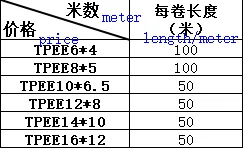
Record material, OD, wall, colour, pressure and temperature conditions, medium, bend or motion requirement, length and fitting code.
مراجع
- Parker Technical Tubing and Hose — product-specific compatibility and rating context.
- ISO 14743:2020 — official scope for push-in connectors and thermoplastic tubes.
Summary
PU and PA selection is a duty-cycle decision, not a material-name shortcut. Confirm the exact tube dimensions, operating temperature, pressure, medium, movement and fitting interface before comparing suppliers. Then keep the data sheet and assembly method with the order so a replacement uses the same evidence. This process reduces leaks and avoids copying a rating from another size or compound.


