
유압/공압 시스템의 유지보수 팀은, 통제된 사양 대신 카탈로그 사진만 보고 푸시인(Push-in) 피팅을 선택했을 경우, 사소한 공기 누출로 인해 수시간을 낭비하게 될 수 있습니다. 외관상으로는 쉬익거리는 소리가 나는 배관, 작동이 느린 액추에이터 또는 호스의 반복적인 이탈 등이 나타날 수 있지만, 근본 원인은 종종 호스의 외경(OD), 나사 형식, 밀봉재, 재질 또는 사용 조건 간의 불일치에 있습니다. 이 체크리스트에서는 올바른 선택 방법을 설명합니다. 공압 푸시 인 에어 피팅 자동화 설비 및 공기 배관의 경우, 튜브를 어떻게 준비하고 결합해야 하는지, 그리고 유지보수를 위해 어떤 문서를 보관해야 하는지에 대해 설명합니다. 목표는 하나의 범용 피팅을 고집하는 것이 아니라, 부품을 주문하거나 설치하기 전에 선택 과정을 추적 가능하게 만드는 데 있습니다.
요약: 먼저, 측정된 튜브 외경과 승인된 튜브 재질에 맞는 피팅을 선택한 다음, 명칭상의 “4분의 1인치” 표시에 의존하지 말고 포트가 BSPP, BSPT 또는 NPT인지 확인하십시오. 전체 조립품에 대한 공급업체의 작동 압력 및 온도 한계를 확인하고, 절단부를 보호하며 튜브를 완전히 밀착시키는 설치 방법을 적용하십시오. ISO 4414:2010는 공압 유체 동력 시스템에 대한 일반 안전 요구사항을 규정하며, 제품 등급은 아닙니다. 다음 단계로는 튜브 도면, 나사 규격, 사용 매체, 온도 및 인수 검사를 구매 사양에 첨부하십시오.
푸시인 이음관을 주문하기 전에 무엇을 반드시 명시해야 하나요?
푸시인 연결부에는 두 개의 독립된 인터페이스가 있습니다: 콜레트와 씰에 의해 유지되고 밀봉되는 튜브 끝 부분, 그리고 기계에 결합되는 나사산 또는 기타 포트입니다. 두 인터페이스를 동일한 라인 아이템에 기록하십시오. 튜브 크기는 내경이나 상품명이 아니라 실제 외경을 의미합니다; 6 mm 튜브와 1/4 in 튜브는 숫자가 비슷해 보인다고 해서 서로 교환할 수 있는 것이 아닙니다.
튜브의 재질, 벽체 구조, 공차 및 접합부 상태를 확인하십시오. 폴리우레탄(PU) 및 나일론 튜빙은 각각 다른 유연성과 제조사별 허용 한계를 가질 수 있으며, 단면이 타원형으로 변형되었거나 스크래치가 있거나 오염된 절단면은 적합한 밀봉 성능을 저해할 수 있습니다. 매체를 건조 압축공기 또는 윤활 처리된 압축공기, 불활성 기체 또는 기타 유체로 명시하십시오. 이는 화학적 호환성과 밀봉재 선택이 전체 사용 환경에 따라 달라지기 때문입니다.
| 확인 | 기록할 증거 | 왜 선택이 변경되는가 |
|---|---|---|
| 튜브 인터페이스 | 측정된 외경, 벽 두께 정보, 재질, 공차 및 상태 | 콜렛, 씰 및 삽입 호환성을 결정합니다. |
| 포트 및 스레드 | BSPP/G, BSPT/R, NPT 또는 기타 명시된 형식; 수/암 및 크기 | 결합 형상 및 밀봉 방식을 제어합니다. |
| 서비스 매체 | 대기 품질, 가스 또는 유체, 윤활 및 오염 노출 | 본체와 엘라스토머의 호환성을 제한합니다. |
| 환경 | 주변 온도 및 공정 온도, 습기, 화학물질, 진동 및 접근성 | 재료, 밀봉, 배관 및 유지보수 요구사항을 설정합니다. |
| 문서 | 도면, 설치 지침, 압력 기준 및 교체 규정 | 추적 가능한 승인 및 서비스 결정을 제공합니다. |
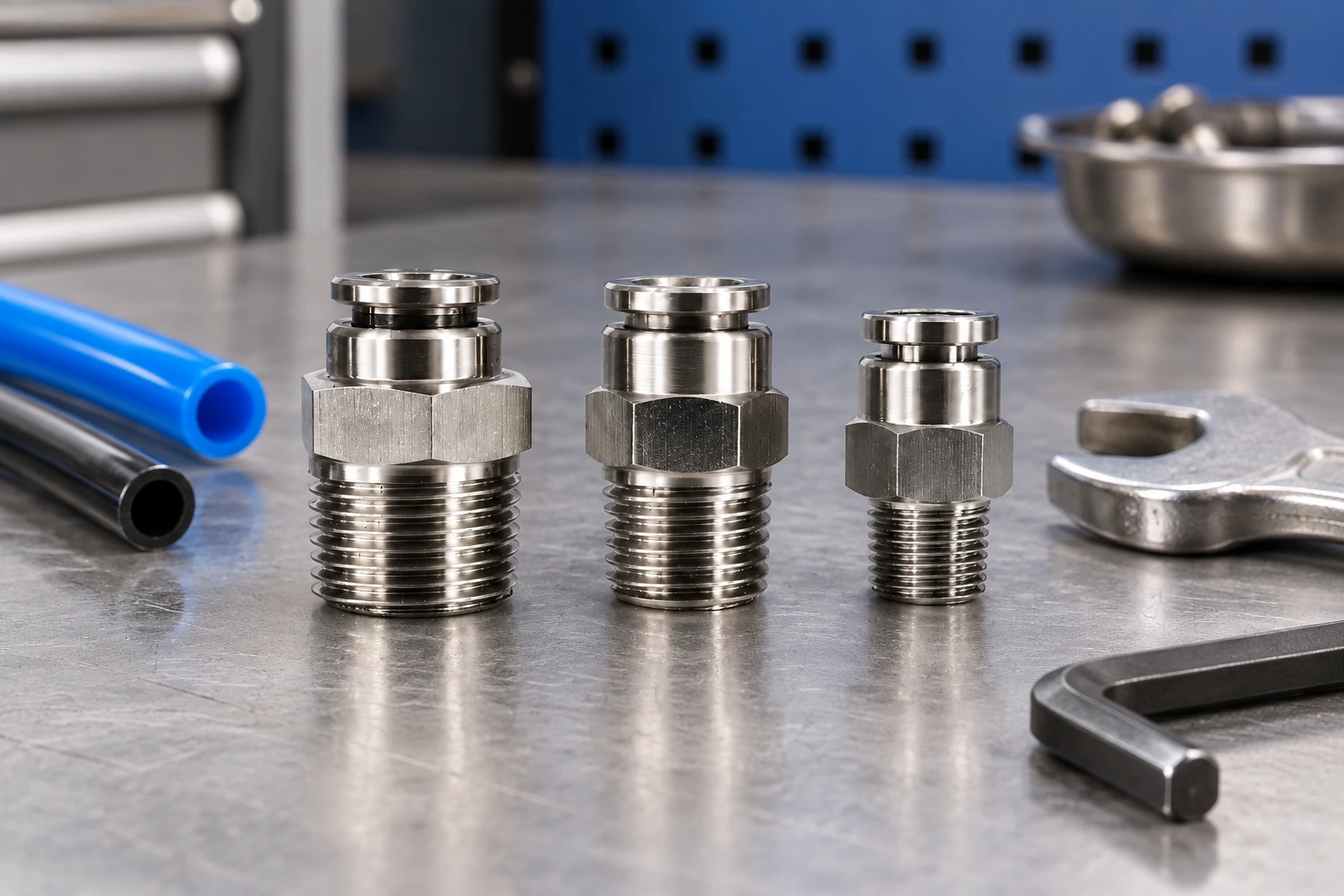
엔지니어는 BSP, BSPT 및 NPT 나사를 어떻게 구별할 수 있나요?
스레드 식별은 포트 도면, 검증된 게이지 또는 장비 제조사의 명시사항에서 가져와야 합니다. BSPP(종종 G로 표기됨)는 평행형으로, 일반적으로 면밀봉, 결합 와셔 또는 기타 규정된 밀봉 방식에 의존합니다. BSPT(종종 R로 표기됨)는 테이퍼형이며, NPT는 기하학적 형상이 다른 별도의 테이퍼 파이프 스레드 시스템입니다. 공칭 치수만으로는 충분하지 않으며, 근사치를 억지로 맞추려 하면 포트가 손상되거나 누설 경로가 생길 수 있습니다.
스레드 실란트를 변환 수단으로 취급하지 마십시오. 포트에 명시된 규격의 씰을 사용하고, 설치 지침에 따라 첫 번째 나사를 비워 두어야 합니다. 피팅이 암나사형 스터드인지, 수나사형 포트인지, 회전식인지 또는 엘보인지 반드시 기록하십시오. 렌치 사용 공간과 방향은 튜브 하중에 영향을 미칠 수 있습니다. A 솔레노이드 밸브 종류 안내 일반적인 공압 포트 용어는 명확히 설명할 수 있지만, 교체 부품에 대한 최종 기준은 여전히 밸브 제조사의 현재 도면입니다.
| 스레드 캡션 | 기본 인터페이스 특성 | 구매자가 확인해야 할 사항 |
|---|---|---|
| BSPP / G | 정해진 면 또는 결합형 밀봉 구조를 갖춘 평행 파이프 나사 | 포트 규격, 와셔 또는 O-링, 밀착면 및 조임 지침 |
| BSPT / R | 지정된 밀봉 방식과 함께 사용되는 테이퍼드 BSP 나사 | 남성/여성 구분, 실링 규칙, 결합 및 사용 가능 깊이 |
| NPT | 자체 프로파일과 게이지 기준을 갖춘 테이퍼형 미국식 파이프 나사 체계 | NPT 규격, 맞물리는 포트, 밀봉재 호환성 및 게이지 또는 도면 증거 |
| 확인되지 않은 라벨 | 카탈로그 문구 또는 나사 규격이 없는 “인치” 표기 | 주문을 일시 중지하고, 대체하기 전에 도면 또는 서면 식별 자료를 확보하십시오. |
플라스틱 공압 피팅은 언제 적합하며, 금속은 언제 고려해야 할까요?
A 플라스틱 공압 피팅 문서화된 본체, 씰 및 튜브 조합이 회로의 압력, 온도, 화학적 및 기계적 요구사항을 충족하는 경우 적합할 수 있습니다. 플라스틱은 경량 조립을 단순화할 수도 있지만, 이는 보편적인 장점이라기보다는 선택 시 고려해야 할 사항입니다. 장비 사양에서 충격, 열, 진동 또는 반복 사용에 대한 더 높은 내성을 요구하는 경우에는 금속 피팅을 고려할 수 있으며, 정확한 재질 등급과 표면 처리 상태는 여전히 문서화되어야 합니다.
피팅의 명시된 작동 한계를, 시동, 정지, 펄세이션 및 세정을 포함하여 전체 회로가 겪을 수 있는 최고 압력과 온도와 비교하십시오. 다른 규격, 씰 또는 튜브의 압력 값을 복사하지 마십시오. 공급업체가 공기, 물 또는 기타 매체에 대해 별도의 값을 제시하는 경우, 실제 사용 조건에 맞는 값을 사용하십시오. 더 넓은 시스템 관점에서는, 공압 부품 유지 관리 가이드 부품 선택을 검사 루틴으로 전환하는 데 도움을 줄 수 있습니다.
누수를 방지하려면 튜브를 어떻게 절단하고 장착해야 하나요?
배관 작업 전에 저장된 공압 에너지를 격리하십시오. 튜브 벽을 찌그러뜨리지 않는 도구를 사용하여 튜브를 직각으로 절단한 다음, 칩을 제거하고 끝부분이 깨끗하고 원형인지 확인하십시오. 튜브를 콜렛 안으로 문서화된 삽입 위치까지 똑바로 밀어 넣으십시오. 부분적으로 삽입되거나 비스듬히 들어가거나 표면이 손상되면 밀봉부가 지지되지 않을 수 있습니다. 피팅 사용 설명서에 명시된 경우에만 가벼운 당김 테스트를 수행하고, 완전히 체결되지 않은 연결부를 “테스트”하기 위해 측면 하중을 절대 가하지 마십시오.
튜브는 해당 튜빙에 명시된 굽힘 반경을 준수하고 적절히 지지해야 합니다. 피팅이 지렛대 하중을 받지 않도록 하고, 마모로부터 보호하며, 정비 시 릴리스 링을 누를 수 있도록 충분한 여유 공간을 확보하십시오. 조립 후 각 연결부를 점검하고, 프로젝트에서 승인된 누설 검사 또는 압력 검사를 실시하십시오. 육안 검사는 튜브의 편심을 발견할 수 있지만, 단독으로는 완전한 기밀성을 입증할 수 없습니다.
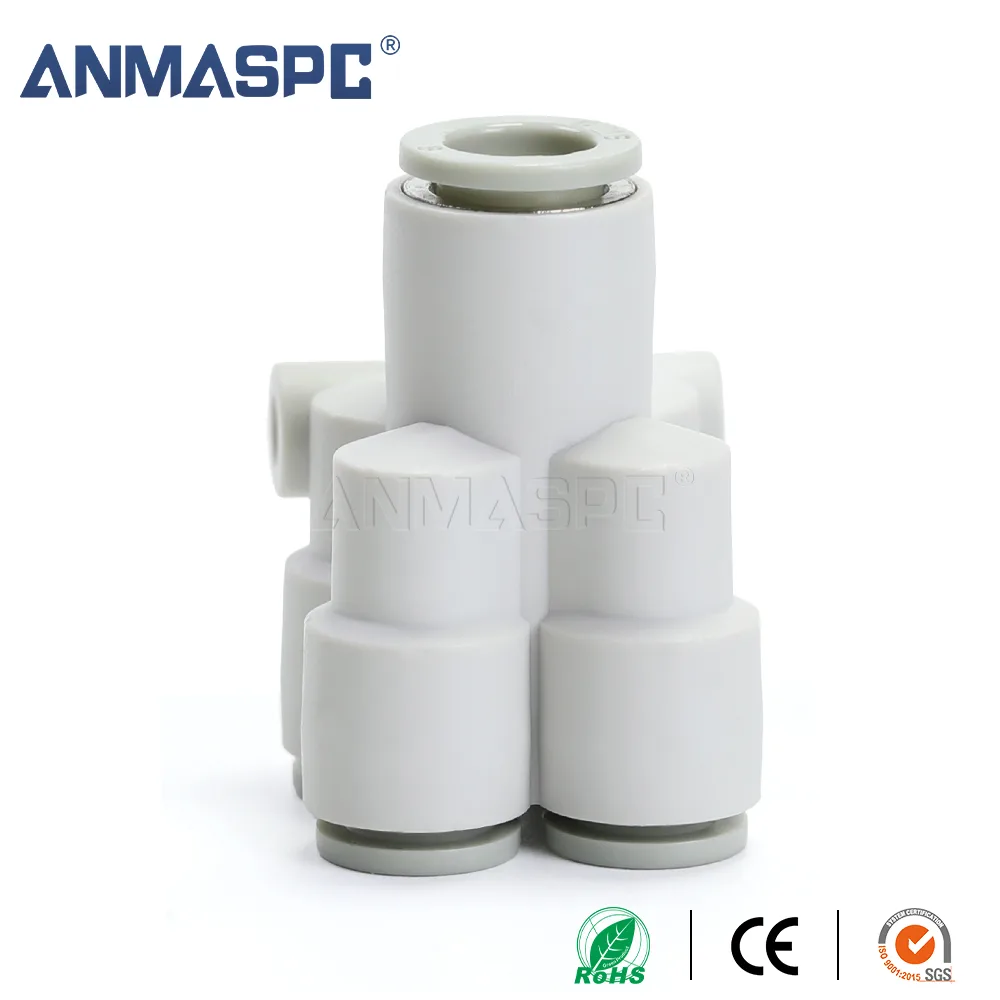
구매자는 어떤 서비스 및 정비 기록을 보관해야 하나요?
부품 참조 번호, 튜브 사양, 나사 규격, 씰 재질, 설치 일자, 회로 위치 및 모든 인수 검사를 기록하십시오. A 공압 공기 피팅 register lets maintenance teams replace a part with the same interface instead of guessing from a photograph. It also makes recurring leaks easier to classify: wrong OD, damaged tube, thread mismatch, insufficient support, contamination or a component outside its documented service range.
ISO 4414:2010 calls for safe design and operation of pneumatic systems, including attention to stored energy and component interfaces. ISO 12100:2010 provides a machinery risk-assessment and risk-reduction framework; it does not certify a particular 공압 공기 피팅 model. The U.S. Department of Energy’s compressed-air resources likewise treat leakage and pressure management as system issues. Use these sources to frame the design review, then verify the exact supplier documentation and site test method.
What is a practical selection checklist for procurement teams?
- Measure the installed tube OD and record material, wall information and condition at the connection.
- Identify the port thread from a drawing or gauge; state BSPP/G, BSPT/R, NPT or the applicable standard.
- Write down medium, pressure, temperature, cycling, vibration, chemicals and the required safe isolation state.
- 선택하세요 플라스틱 공압 피팅 or metal alternative only after comparing the complete assembly’s documented limits.
- Approve the cutting, insertion, support and leak-check method before installation, and retain the result by circuit location.
Oulu / ANMASPC supplies B2B pneumatic fittings, tubing, valves and related parts. Buyers can review the 공압 부품 범위 as a starting point, then request the drawing, material information and applicable limits for the exact configuration. Product availability and any certification or conformity statement should be confirmed in current supplier documents, not inferred from a product image.
Frequently asked questions about pneumatic push-in fittings
How do you match tube outside diameter to the Pneumatic Push In Air Fittings?
Measure the tube’s actual outside diameter with the approved method and compare it with the fitting drawing, tube material and tolerance range. Check the cut for ovality, scratches or contamination before insertion. A nominal label alone does not prove that the collet and seal will retain the tube.
How can you tell whether a Pneumatic Push In Air Fittings uses BSP, BSPT or NPT threads?
Use the equipment or fitting drawing, a verified thread gauge or written manufacturer identification. BSPP/G is parallel, BSPT/R is tapered, and NPT is a separate tapered system; do not force one into another. Confirm the seal, engagement and tightening method for the selected port.
Why does the Pneumatic Push In Air Fittings leak even after the fitting has been tightened?
Tightening the port cannot correct an undersized or damaged tube, incomplete insertion, a scratched sealing surface, a wrong thread form or an unsuitable seal. Depressurize the circuit, inspect the tube end and port, and replace components that fall outside the documented condition. Finish with the approved leak or pressure check.
What working pressure and temperature should the Pneumatic Push In Air Fittings support?
The fitting and tube should support the highest documented pressure and temperature of the complete circuit, including pulses and start-up conditions. Use the supplier’s value for the exact size, seal, medium and assembly; do not transfer a rating from another configuration. Record the basis and any installation or derating limits.
How do you install the Pneumatic Push In Air Fittings without cutting or scratching the tube?
Isolate energy, cut the tube square with a suitable tool, remove debris and keep the end straight during insertion. Push it fully to the stated seating position without twisting, then route and support it so the fitting is not side-loaded. Inspect the joint and perform the specified acceptance check before returning the line to service.
Can the Pneumatic Push In Air Fittings be disconnected and reused in a maintenance job?
Reuse is permitted only when the manufacturer’s instructions and the project method allow it. Inspect the collet, seal, body and tube end for wear, contamination, deformation or loss of retention, and replace any item outside the documented condition. A fitting removed from a hot, vibrating or chemically exposed circuit deserves additional scrutiny.
참고문헌
- ISO 4414:2010, Pneumatic fluid power — General rules and safety requirements for systems and their components.
- ISO 12100:2010, Safety of machinery — General principles for design.
- U.S. Department of Energy, Industrial Technologies Office compressed-air systems resources.
결론
A reliable push-in connection starts with identification, not tightening force: measure the tube OD, confirm the tube material, identify BSPP, BSPT or NPT, and document the actual pressure and temperature duty. Then select the fitting body and seal for that complete assembly, cut and seat the tube correctly, support the routing and run the approved acceptance check. Do not use sealant or a similar-looking connector to compensate for an unknown thread or damaged tube. Keep the part reference and inspection result with the circuit so future maintenance is based on evidence. Oulu / ANMASPC can help buyers compare pneumatic fittings, tubing and valves against those requirements; review the 제품 디렉토리 and request current configuration documents before ordering.



