
プッシュイン継手を、厳密な仕様ではなくカタログの写真だけで選んでしまうと、わずかな空気漏れが原因で保守チームは数時間もの時間を無駄にしてしまうことがあります。目に見える症状としては、ヒューッという音がする配管や、動作が遅いアクチュエータ、あるいはチューブの繰り返しの脱落などが挙げられますが、その根本原因は多くの場合、チューブの外径(OD)、ねじ山形状、シール材、材質、または使用条件の不一致にあります。このチェックリストでは、適切な選定方法について説明します。 空気用エアーフィッティング(プッシュイン式) 自動化設備およびエアラインにおいて、チューブの準備方法と取り付け手順、ならびに保守のために保管すべき文書について説明します。目的は、万能の継手を主張することではなく、部品を発注または設置する前に、選定履歴を追跡可能にすることです。.
まとめ: まず、測定したチューブの外径と承認済みのチューブ材質に合わせて継手を選定し、その後、単なる「4分」という表記に頼らず、ポートがBSPP、BSPT、NPTのいずれであるかを確認してください。組立品全体に対するサプライヤーの使用圧力および温度の限界を確認し、切断面を保護しつつチューブを完全に座らせる取り付け方法を適用してください。ISO 4414:2010は、空気圧流体動力システムに関する一般的な安全要件を定めたものであり、製品の性能評価ではありません。次のステップとして、チューブ図面、ねじ規格、使用流体、温度、および受け入れ検査を購入仕様書に添付してください。.
プッシュイン継手を発注する前に、何を指定する必要がありますか?
プッシュイン接続には、独立した2つのインターフェースがあります。一方は、コレットとシールによって保持および密閉されるチューブ端部であり、もう一方は、ねじ込み式またはその他のポートで、機械に接続されます。両方のインターフェースを同じ行項目に記録してください。チューブサイズとは、内径や商標名ではなく、実際の外径を指します。6 mmのチューブと1/4 inのチューブは、数字が似ているからといって互換性があるわけではありません。.
チューブの材質、壁構造、公差および継手部の状態を確認してください。ポリウレタンチューブやナイロンチューブは柔軟性やメーカーによる使用限界が異なる場合があり、また、断面が楕円形に変形していたり、傷が付いていたり、汚染されていたりする切断端では、本来適合するはずのシールであっても機能しなくなることがあります。媒体を乾燥空気または潤滑済み圧縮空気、不活性ガス、あるいは他の流体として明記してください。これは、化学的適合性およびシールの選定が、使用環境全体に依存するためです。.
| 確認 | 記録すべき証拠 | なぜ選択が変わるのか |
|---|---|---|
| チューブインターフェース | 測定された外径、壁厚情報、材質、公差および状態 | コレット、シール、および挿入の互換性を判定します |
| ポートとスレッド | BSPP/G、BSPT/R、NPT、またはその他指定の形式;オス/メスおよびサイズ | 嵌合形状とシール方式を制御します |
| サービス媒体 | 空気品質、ガスまたは流体、潤滑および汚染への曝露 | ボディとエラストマーの互換性を制約する |
| 環境 | 周囲温度およびプロセス温度、湿度、化学物質、振動、アクセス | 材料、シール、配管経路および保守の要件を設定します |
| ドキュメンテーション | 図面、設置手順書、圧力基準および交換規則 | 追跡可能な承認およびサービスの決定を提供します |
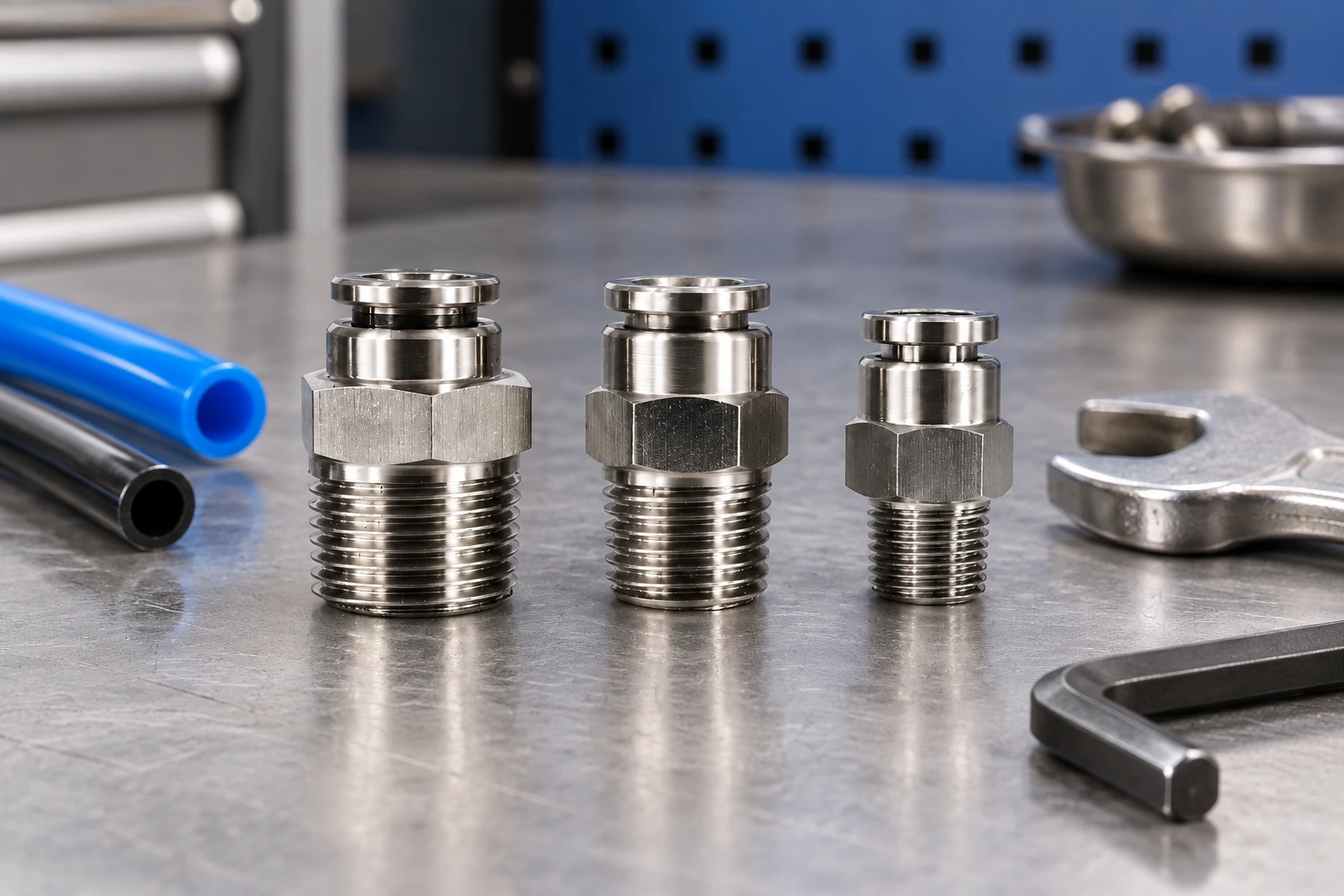
エンジニアは、BSP、BSPT、NPTのねじをどのように区別できますか?
ねじの識別は、ポート図面、検証済みのゲージ、または機器メーカーの記載から行う必要があります。BSPP(しばしば「G」と表記)は平行ねじで、通常は面密閉、接着ワッシャー、または他の定義された密封方式に依存します。BSPT(しばしば「R」と表記)はテーパー付きであり、NPTは異なる幾何形状を持つ別のテーパー管用ねじシステムです。公称サイズだけでは不十分であり、無理に近似のものを使用するとポートを損傷したり、漏れ経路が生じたりする可能性があります。.
スレッドシーラントを変換手段として扱わないでください。ポートに指定されたシールを使用し、設置指示で求められる場合は最初のねじ山を空けておいてください。継手がオススタッド、メスポート、スイベル、またはエルボであるかどうかを記録してください。これは、レンチの取り回しや向きがチューブへの荷重に影響を与える可能性があるためです。A ソレノイドバルブの種類ガイド 一般的な空気圧ポート用語については説明できますが、交換部品に関する最終的な判断基準は、バルブメーカーの現行図面に従うものとします。.
| スレッドの注釈 | 基本的なインターフェースの特性 | 購入者が確認すべき事項 |
|---|---|---|
| BSPP / G | 定められた面または密着式シール構成を有する平行管ねじ | ポート規格、ワッシャーまたはOリング、シート面および締め付け指示 |
| BSPT / R | Tapered BSP thread used with the specified sealing practice | 男性/女性の指定、シーラントのルール、噛み合いおよび利用可能深さ |
| NPT | Tapered US pipe-thread system with its own profile and gauge basis | NPT size, mating port, sealant compatibility and gauge or drawing evidence |
| Unconfirmed label | Catalogue wording or “inch” size without a thread system | Pause the order; obtain a drawing or written identification before substitution |
When is a plastic pneumatic fitting suitable, and when should metal be considered?
A plastic pneumatic fitting can be appropriate where the documented body, seal and tube combination meets the circuit’s pressure, temperature, chemical and mechanical requirements. Plastic may also simplify a lightweight assembly, but those are selection considerations rather than universal advantages. A metal fitting may be considered where the equipment specification requires greater resistance to impact, heat, vibration or repeated service; the exact grade and finish still need to be documented.
Compare the fitting’s declared working limits with the highest pressure and temperature that the complete circuit can experience, including start-up, shutdown, pulsing and cleaning. Do not copy a pressure value from a different size, seal or tube. If the supplier gives separate values for air, water or other media, use the value that matches the actual duty. For a broader system view, the 空気圧継手の保守ガイド can help turn the component choice into an inspection routine.
How should the tube be cut and seated to prevent leaks?
Isolate stored pneumatic energy before working on the line. Cut the tube square with a tool that does not crush the wall, then remove chips and inspect the end for a clean, round surface. Push the tube straight through the collet until it reaches the documented insertion position; a partial insertion, angled entry or damaged surface can leave the seal unsupported. Apply a light pull check only as permitted by the fitting instructions, and never use a side load to “test” a connection that has not been fully seated.
Route the tube with the bend radius and support specified for the tubing. Keep the fitting from carrying a lever load, protect it from abrasion, and allow enough clearance to press the release collar during service. After assembly, inspect each joint and run the project’s approved leak or pressure check. A visual check can find a skewed tube, but it cannot by itself prove leak-tightness.
Which service and maintenance records should a buyer retain?
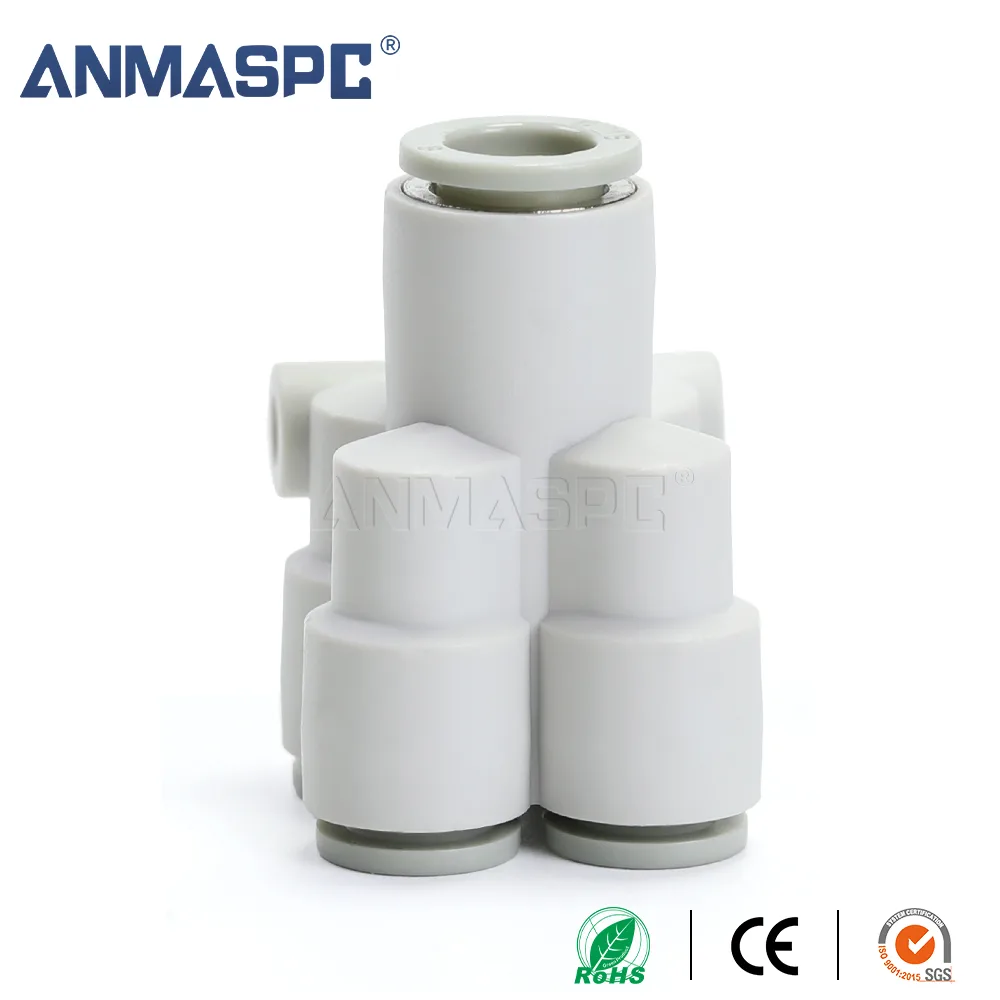
Record the part reference, tube specification, thread callout, seal material, installation date, circuit location and any acceptance check. A pneumatic air fittings register lets maintenance teams replace a part with the same interface instead of guessing from a photograph. It also makes recurring leaks easier to classify: wrong OD, damaged tube, thread mismatch, insufficient support, contamination or a component outside its documented service range.
ISO 4414:2010 calls for safe design and operation of pneumatic systems, including attention to stored energy and component interfaces. ISO 12100:2010 provides a machinery risk-assessment and risk-reduction framework; it does not certify a particular pneumatic air fittings model. The U.S. Department of Energy’s compressed-air resources likewise treat leakage and pressure management as system issues. Use these sources to frame the design review, then verify the exact supplier documentation and site test method.
What is a practical selection checklist for procurement teams?
- Measure the installed tube OD and record material, wall information and condition at the connection.
- Identify the port thread from a drawing or gauge; state BSPP/G, BSPT/R, NPT or the applicable standard.
- Write down medium, pressure, temperature, cycling, vibration, chemicals and the required safe isolation state.
- 選択してください plastic pneumatic fitting or metal alternative only after comparing the complete assembly’s documented limits.
- Approve the cutting, insertion, support and leak-check method before installation, and retain the result by circuit location.
Oulu / ANMASPC supplies B2B pneumatic fittings, tubing, valves and related parts. Buyers can review the 空気圧部品のラインナップ as a starting point, then request the drawing, material information and applicable limits for the exact configuration. Product availability and any certification or conformity statement should be confirmed in current supplier documents, not inferred from a product image.
Frequently asked questions about pneumatic push-in fittings
How do you match tube outside diameter to the Pneumatic Push In Air Fittings?
Measure the tube’s actual outside diameter with the approved method and compare it with the fitting drawing, tube material and tolerance range. Check the cut for ovality, scratches or contamination before insertion. A nominal label alone does not prove that the collet and seal will retain the tube.
How can you tell whether a Pneumatic Push In Air Fittings uses BSP, BSPT or NPT threads?
Use the equipment or fitting drawing, a verified thread gauge or written manufacturer identification. BSPP/G is parallel, BSPT/R is tapered, and NPT is a separate tapered system; do not force one into another. Confirm the seal, engagement and tightening method for the selected port.
Why does the Pneumatic Push In Air Fittings leak even after the fitting has been tightened?
Tightening the port cannot correct an undersized or damaged tube, incomplete insertion, a scratched sealing surface, a wrong thread form or an unsuitable seal. Depressurize the circuit, inspect the tube end and port, and replace components that fall outside the documented condition. Finish with the approved leak or pressure check.
What working pressure and temperature should the Pneumatic Push In Air Fittings support?
The fitting and tube should support the highest documented pressure and temperature of the complete circuit, including pulses and start-up conditions. Use the supplier’s value for the exact size, seal, medium and assembly; do not transfer a rating from another configuration. Record the basis and any installation or derating limits.
How do you install the Pneumatic Push In Air Fittings without cutting or scratching the tube?
Isolate energy, cut the tube square with a suitable tool, remove debris and keep the end straight during insertion. Push it fully to the stated seating position without twisting, then route and support it so the fitting is not side-loaded. Inspect the joint and perform the specified acceptance check before returning the line to service.
Can the Pneumatic Push In Air Fittings be disconnected and reused in a maintenance job?
Reuse is permitted only when the manufacturer’s instructions and the project method allow it. Inspect the collet, seal, body and tube end for wear, contamination, deformation or loss of retention, and replace any item outside the documented condition. A fitting removed from a hot, vibrating or chemically exposed circuit deserves additional scrutiny.
参考文献
- ISO 4414:2010, Pneumatic fluid power — General rules and safety requirements for systems and their components.
- ISO 12100:2010, Safety of machinery — General principles for design.
- U.S. Department of Energy, Industrial Technologies Office compressed-air systems resources.
結論
A reliable push-in connection starts with identification, not tightening force: measure the tube OD, confirm the tube material, identify BSPP, BSPT or NPT, and document the actual pressure and temperature duty. Then select the fitting body and seal for that complete assembly, cut and seat the tube correctly, support the routing and run the approved acceptance check. Do not use sealant or a similar-looking connector to compensate for an unknown thread or damaged tube. Keep the part reference and inspection result with the circuit so future maintenance is based on evidence. Oulu / ANMASPC can help buyers compare pneumatic fittings, tubing and valves against those requirements; review the products directory and request current configuration documents before ordering.



