
ក្រុមថែទាំអាចបាត់បង់ពេលវេលាជាច្រើនម៉ោងដោយសារតែការលេចធ្លាយខ្យល់តិចតួច នៅពេលដែលគេជ្រើសរើសឧបករណ៍ភ្ជាប់ប្រភេទដាល់ចូល (push-in fitting) ពីរូបថតក្នុងកាតាឡុក ជំនួសឱ្យការជ្រើសរើសតាមលក្ខណៈបច្ចេកទេសដែលបានកំណត់។ រោគសញ្ញាដែលអាចមើលឃើញបាន អាចជាសំឡេងហឺតនៃខ្សែបំពង់ ឬការធ្វើសកម្មភាពយឺតយ៉ាវ ឬការផ្លាស់ចេញនៃបំពង់ម្តងហើយម្តងទៀត; មូលហេតុចម្បងជារឿយៗ គឺការមិនសមស្របគ្នារវាងអង្កត់ផ្ចិតខាងក្រៅ (OD) នៃបំពង់, ទម្រង់ខ្សែស្រឡាយ, សំបកបិទ, សម្ភារៈ ឬលក្ខខណ្ឌប្រើប្រាស់។ បញ្ជីត្រួតពិនិត្យនេះពន្យល់ពីរបៀបជ្រើសរើស គ្រឿងបន្លាស់ខ្យល់ដែលចូលតាមរយៈការរុញ សម្រាប់ឧបករណ៍ស្វ័យប្រវត្តិ និងខ្សែបញ្ជូនខ្យល់ តើគួររៀបចំ និងដាក់ទុយោយ៉ាងដូចម្តេច ហើយឯកសារណាខ្លះដែលគួររក្សាទុកសម្រាប់ការថែទាំ។ គោលបំណងមិនមែនជាការអះអាងពីការភ្ជាប់មួយប្រភេទដែលប្រើបានគ្រប់កន្លែងនោះទេ ប៉ុន្តែគឺដើម្បីធ្វើឱ្យការជ្រើសរើសអាចតាមដានបាន មុនពេលដែលគ្រឿងបន្លាស់ណាមួយត្រូវបានបញ្ជាទិញ ឬដំឡើង។.
សេចក្តីសង្ខេប៖ ត្រូវប្រៀបធៀបឧបករណ៍ភ្ជាប់ជាមួយនឹងអង្កត់ផ្ចិតខាងក្រៅនៃទុយោដែលបានវាស់ និងសម្ភារៈទុយោដែលបានអនុម័តជាមុនសិន បន្ទាប់មកកំណត់ចំណុចភ្ជាប់ថាជា BSPP, BSPT ឬ NPT ជំនួសឱ្យការពឹងផ្អែកលើស្លាកសញ្ញាដែលហៅថា “¼ អ៊ីញ”។ ត្រូវបញ្ជាក់ពីដែនកំណត់សម្ពាធការងារ និងសីតុណ្ហភាពរបស់អ្នកផ្គត់ផ្គង់សម្រាប់ការផ្គុំទាំងមូល ហើយអនុវត្តវិធីសាស្ត្រដំឡើងដែលការពារការកាត់ និងដាក់ទុយោឱ្យចូលទៅក្នុងគ្រប់គ្រាន់។ ISO 4414:2010 កំណត់តម្រូវការសុវត្ថិភាពទូទៅសម្រាប់ប្រព័ន្ធកម្លាំងអណ្តូងខ្យល់; វាមិនមែនជាការវាយតម្លៃផលិតផលទេ។ ជំហានបន្ទាប់គឺភ្ជាប់រូបគំនូរទុយោ ការកំណត់ខ្សែភ្លើង សារធាតុ សីតុណ្ហភាព និងការត្រួតពិនិត្យការទទួលយកទៅក្នុងលក្ខណៈសម្បត្តិនៃការទិញ។.
តើត្រូវកំណត់អ្វីខ្លះមុនពេលបញ្ជាទិញឧបករណ៍ភ្ជាប់ប្រភេទដាល់ចូល?
ការតភ្ជាប់ប្រភេទដាល់មានចំណុចប្រសព្វឯករាជ្យពីរ៖ ផ្នែកខាងចុងនៃបំពង់ដែលត្រូវបានរក្សាទុក និងបិទជិតដោយក្បាលបំពង់ និងស៊ីល, និងចំណុចប្រសព្វដែលមានស្នាមក្រវាត់ ឬចំណុចប្រសព្វផ្សេងទៀតដែលភ្ជាប់ទៅនឹងម៉ាស៊ីន។ កត់ត្រាចំណុចប្រសព្វទាំងពីរនៅក្នុងធាតុបញ្ជីតែមួយ។ ទំហំបំពង់មានន័យថាបរិមាណខាងក្រៅជាក់ស្តែង មិនមែនជាផ្នែកខាងក្នុង ឬឈ្មោះពាណិជ្ជកម្មឡើយ; បំពង់ 6 មីលីម៉ែត្រ និងបំពង់ 1/4 អ៊ីញ មិនអាចជំនួសគ្នាបានឡើយ ដោយសារតែតួលេខរបស់ពួកវាមើលទៅស្រដៀងគ្នាប៉ុណ្ណោះ។.
សូមបញ្ជាក់ពីវត្ថុធាតុផ្សំនៃទុយោ រចនាសម្ព័ន្ធនៃជញ្ជាំង ភាពអត់ធ្មត់ និងស្ថានភាពនៅចំណុចប្រសព្វ។ ទុយោ PU និងនីឡុងអាចមានភាពបត់បែនខុសៗគ្នា និងដែលកំណត់ដោយក្រុមហ៊ុនផលិត ខណៈដែលចុងដែលត្រូវកាត់ដែលមានរាងមូល ឆ្កឹះ ឬបំពុល អាចធ្វើឱ្យសោរដែលជាទូទៅសមស្រប មិនដំណើរការបាន។ សូមបញ្ជាក់ពីប្រភេទសារធាតុថាជាខ្យល់ដែលបានបង្ហាប់ស្ងួត ឬមានជាតិរំអិល ឧស្ម័នអចល័ត ឬសារធាតុរាវផ្សេងទៀត ព្រោះភាពស៊ីគ្នានៃគីមី និងការជ្រើសរើសសោរ អាស្រ័យលើបរិយាកាសសេវាកម្មទាំងមូល។.
| ពិនិត្យ | ភ័ស្តុតាងដែលត្រូវកត់ត្រា | ហេតុអ្វីវាប្តូរការជ្រើសរើស |
|---|---|---|
| ចំណុចប្រទាក់បំពង់ | ការវាស់ OD, ព័ត៌មានជញ្ជាំង, សម្ភារៈ, ភាពអត់ធ្មត់ និងស្ថានភាព | កំណត់ភាពស្របគ្នានៃកុលេ, ស៊ីល និងការបញ្ចូល |
| ផោត និងខ្សែ | BSPP/G, BSPT/R, NPT ឬទម្រង់ដែលបានកំណត់ផ្សេងទៀត; ប្រុស/ស្រី និងទំហំ | គ្រប់គ្រងរូបរាងនៃការភ្ជាប់ និងវិធីសាស្ត្រនៃការបិទជិត |
| មធ្យមភាគសេវាកម្ម | គុណភាពខ្យល់ ឧស្ម័ន ឬអង្គធាតុរាវ ការប្រឡាក់ និងការប៉ះពាល់នឹងសារធាតុចម្រុះ | ដាក់កម្រិតលើភាពស៊ីគ្នារវាងខ្លួនប្រាណ និងអេឡាស្តូម័រ |
| បរិស្ថាន | សីតុណ្ហភាពបរិស្ថាន និងសីតុណ្ហភាពដំណើរការ, សំណើម, សារធាតុគីមី, ការរំញ័រ និងការចូលដំណើរការ | Sets material, seal, routing and maintenance requirements |
| ឯកសារ | Drawing, installation instructions, pressure basis and replacement rules | Provides a traceable acceptance and service decision |
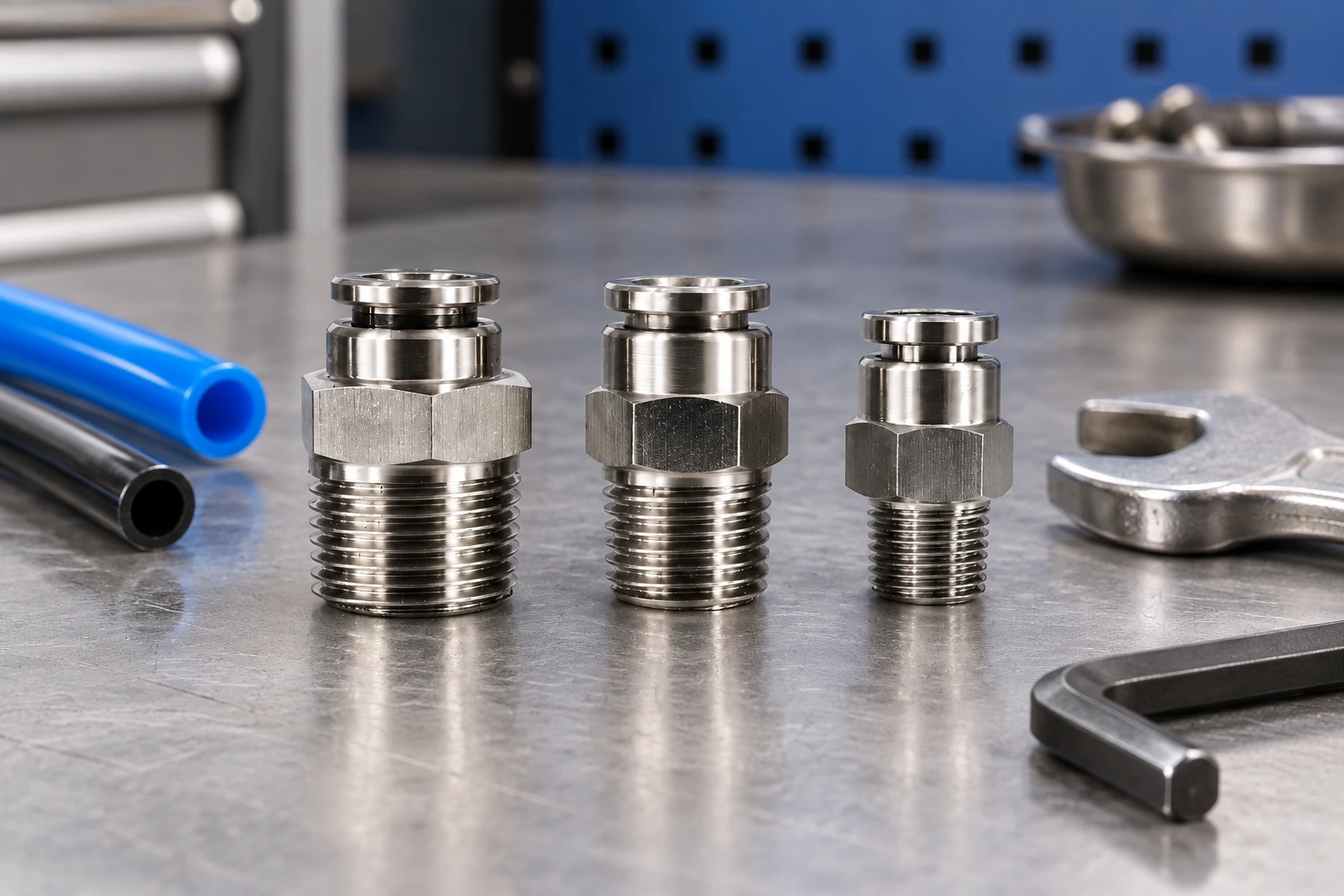
How can engineers distinguish BSP, BSPT and NPT threads?
Thread identification must come from the port drawing, a verified gauge or the equipment manufacturer’s callout. BSPP (often marked G) is parallel and normally relies on a face seal, bonded washer or another defined sealing arrangement. BSPT (often marked R) is tapered; NPT is a separate tapered pipe-thread system with different geometry. The nominal size alone is not enough, and forcing a near match can damage the port or create a leak path.
Do not treat thread sealant as a conversion method. Use the seal specified for the port and leave the first thread clear when the installation instruction requires it. Record whether the fitting is a male stud, female port, swivel or elbow, because wrench clearance and orientation can affect tube loading. A solenoid valve types guide can clarify common pneumatic port terminology, but the valve maker’s current drawing remains the controlling source for a replacement.
| Thread callout | Basic interface characteristic | What the buyer must verify |
|---|---|---|
| BSPP / G | Parallel pipe thread with a defined face or bonded seal arrangement | Port standard, washer or O-ring, seating face and tightening instruction |
| BSPT / R | Tapered BSP thread used with the specified sealing practice | Male/female designation, sealant rule, engagement and available depth |
| NPT | Tapered US pipe-thread system with its own profile and gauge basis | NPT size, mating port, sealant compatibility and gauge or drawing evidence |
| Unconfirmed label | Catalogue wording or “inch” size without a thread system | Pause the order; obtain a drawing or written identification before substitution |
When is a plastic pneumatic fitting suitable, and when should metal be considered?
A plastic pneumatic fitting can be appropriate where the documented body, seal and tube combination meets the circuit’s pressure, temperature, chemical and mechanical requirements. Plastic may also simplify a lightweight assembly, but those are selection considerations rather than universal advantages. A metal fitting may be considered where the equipment specification requires greater resistance to impact, heat, vibration or repeated service; the exact grade and finish still need to be documented.
Compare the fitting’s declared working limits with the highest pressure and temperature that the complete circuit can experience, including start-up, shutdown, pulsing and cleaning. Do not copy a pressure value from a different size, seal or tube. If the supplier gives separate values for air, water or other media, use the value that matches the actual duty. For a broader system view, the មគ្គុទ្ទេសក៍ថែទាំឧបករណ៍ផ្សារភ្ជាប់ខ្យល់ can help turn the component choice into an inspection routine.
How should the tube be cut and seated to prevent leaks?
Isolate stored pneumatic energy before working on the line. Cut the tube square with a tool that does not crush the wall, then remove chips and inspect the end for a clean, round surface. Push the tube straight through the collet until it reaches the documented insertion position; a partial insertion, angled entry or damaged surface can leave the seal unsupported. Apply a light pull check only as permitted by the fitting instructions, and never use a side load to “test” a connection that has not been fully seated.
Route the tube with the bend radius and support specified for the tubing. Keep the fitting from carrying a lever load, protect it from abrasion, and allow enough clearance to press the release collar during service. After assembly, inspect each joint and run the project’s approved leak or pressure check. A visual check can find a skewed tube, but it cannot by itself prove leak-tightness.
Which service and maintenance records should a buyer retain?
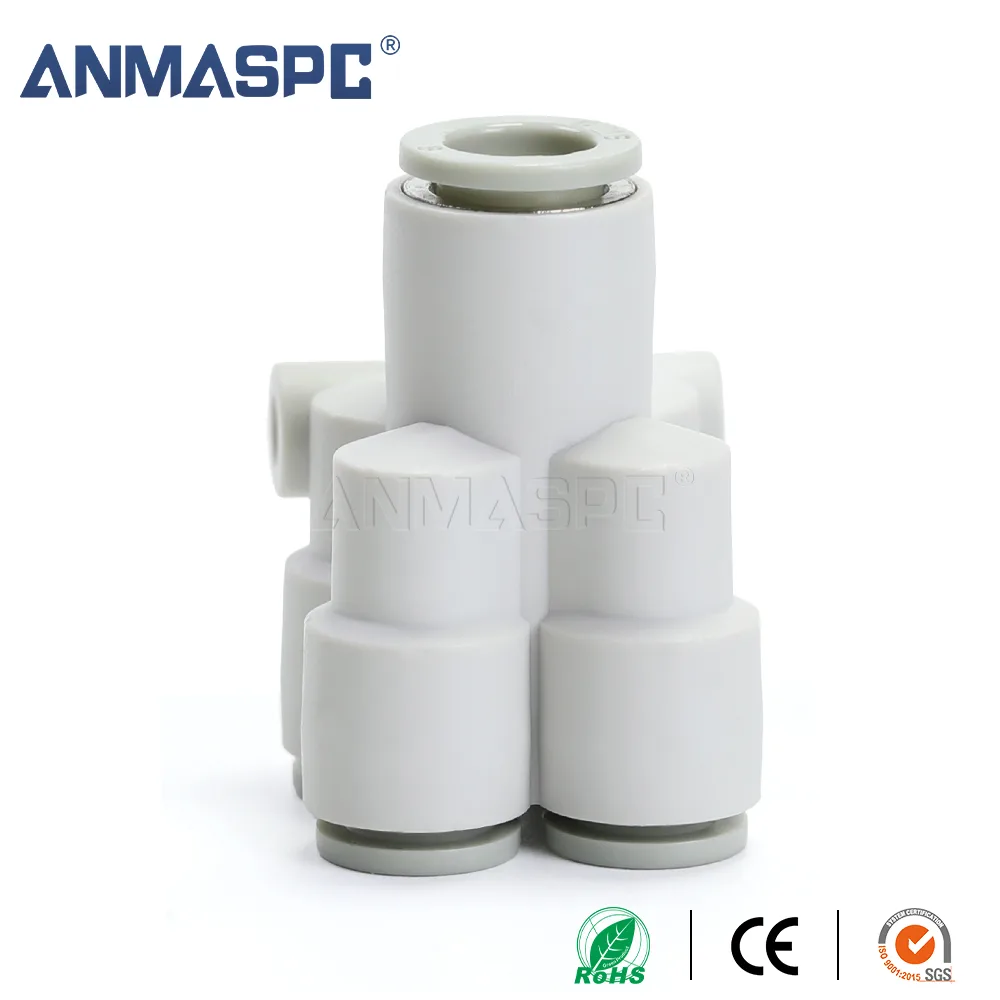
Record the part reference, tube specification, thread callout, seal material, installation date, circuit location and any acceptance check. A pneumatic air fittings register lets maintenance teams replace a part with the same interface instead of guessing from a photograph. It also makes recurring leaks easier to classify: wrong OD, damaged tube, thread mismatch, insufficient support, contamination or a component outside its documented service range.
ISO 4414:2010 calls for safe design and operation of pneumatic systems, including attention to stored energy and component interfaces. ISO 12100:2010 provides a machinery risk-assessment and risk-reduction framework; it does not certify a particular pneumatic air fittings model. The U.S. Department of Energy’s compressed-air resources likewise treat leakage and pressure management as system issues. Use these sources to frame the design review, then verify the exact supplier documentation and site test method.
What is a practical selection checklist for procurement teams?
- Measure the installed tube OD and record material, wall information and condition at the connection.
- Identify the port thread from a drawing or gauge; state BSPP/G, BSPT/R, NPT or the applicable standard.
- Write down medium, pressure, temperature, cycling, vibration, chemicals and the required safe isolation state.
- ជ្រើសរើសមួយ plastic pneumatic fitting or metal alternative only after comparing the complete assembly’s documented limits.
- Approve the cutting, insertion, support and leak-check method before installation, and retain the result by circuit location.
Oulu / ANMASPC supplies B2B pneumatic fittings, tubing, valves and related parts. Buyers can review the ប្រភេទផ្នែក pneumatic as a starting point, then request the drawing, material information and applicable limits for the exact configuration. Product availability and any certification or conformity statement should be confirmed in current supplier documents, not inferred from a product image.
Frequently asked questions about pneumatic push-in fittings
How do you match tube outside diameter to the Pneumatic Push In Air Fittings?
Measure the tube’s actual outside diameter with the approved method and compare it with the fitting drawing, tube material and tolerance range. Check the cut for ovality, scratches or contamination before insertion. A nominal label alone does not prove that the collet and seal will retain the tube.
How can you tell whether a Pneumatic Push In Air Fittings uses BSP, BSPT or NPT threads?
Use the equipment or fitting drawing, a verified thread gauge or written manufacturer identification. BSPP/G is parallel, BSPT/R is tapered, and NPT is a separate tapered system; do not force one into another. Confirm the seal, engagement and tightening method for the selected port.
Why does the Pneumatic Push In Air Fittings leak even after the fitting has been tightened?
Tightening the port cannot correct an undersized or damaged tube, incomplete insertion, a scratched sealing surface, a wrong thread form or an unsuitable seal. Depressurize the circuit, inspect the tube end and port, and replace components that fall outside the documented condition. Finish with the approved leak or pressure check.
What working pressure and temperature should the Pneumatic Push In Air Fittings support?
The fitting and tube should support the highest documented pressure and temperature of the complete circuit, including pulses and start-up conditions. Use the supplier’s value for the exact size, seal, medium and assembly; do not transfer a rating from another configuration. Record the basis and any installation or derating limits.
How do you install the Pneumatic Push In Air Fittings without cutting or scratching the tube?
Isolate energy, cut the tube square with a suitable tool, remove debris and keep the end straight during insertion. Push it fully to the stated seating position without twisting, then route and support it so the fitting is not side-loaded. Inspect the joint and perform the specified acceptance check before returning the line to service.
Can the Pneumatic Push In Air Fittings be disconnected and reused in a maintenance job?
Reuse is permitted only when the manufacturer’s instructions and the project method allow it. Inspect the collet, seal, body and tube end for wear, contamination, deformation or loss of retention, and replace any item outside the documented condition. A fitting removed from a hot, vibrating or chemically exposed circuit deserves additional scrutiny.
ឯកសារយោង
- ISO 4414:2010, Pneumatic fluid power — General rules and safety requirements for systems and their components.
- ISO 12100:2010, Safety of machinery — General principles for design.
- U.S. Department of Energy, Industrial Technologies Office compressed-air systems resources.
សេចក្តីសន្និដ្ឋាន
A reliable push-in connection starts with identification, not tightening force: measure the tube OD, confirm the tube material, identify BSPP, BSPT or NPT, and document the actual pressure and temperature duty. Then select the fitting body and seal for that complete assembly, cut and seat the tube correctly, support the routing and run the approved acceptance check. Do not use sealant or a similar-looking connector to compensate for an unknown thread or damaged tube. Keep the part reference and inspection result with the circuit so future maintenance is based on evidence. Oulu / ANMASPC can help buyers compare pneumatic fittings, tubing and valves against those requirements; review the products directory and request current configuration documents before ordering.



