
یک تیم نگهداری میتواند به دلیل یک نشت کوچک هوا، ساعات زیادی را از دست بدهد، زیرا در طراحی از یک اتصال فشاری تنها بر اساس تصویر کاتالوگ استفاده شده، و نه بر اساس یک مشخصات کنترلشده. علائم ظاهری ممکن است شامل سوت زدن خط، حرکت آهسته اجراگر یا خروج مکرر لوله باشد؛ اما علت اصلی اغلب عدم تطابق بین قطر بیرونی لوله، نوع گیج، پیمانه، مواد یا شرایط کاربردی آن است. این فهرست بررسی به شما نحوه انتخاب را توضیح میدهد. لوازم هوایی فشاری پنوماتیک برای تجهیزات خودکار و خطوط هوایی، نحوه آمادهسازی و قرار دادن لوله، و اینکه کدام مستندات باید برای نگهداری ذخیره شوند. هدف این نیست که یک نوع اتصال جهانی را معرفی کرد، بلکه این است که انتخاب قبل از سفارش یا نصب قطعه قابل ردیابی باشد.
خلاصه: ابتدا اتصال را با قطر خارجی لوله اندازهگیری شده و ماده معتبر لوله تطبیق دهید، سپس منفذ را به عنوان BSPP، BSPT یا NPT شناسایی کنید نه اینکه تنها بر روی برچسب اسمی “یک چهارم اینچ” اتکاء کنید. حدود فشار عملیاتی و دما برای کل مجموعه را از تامینکننده تأیید کنید، و روش نصبی را اعمال کنید که حفره را محافظت کند و لوله را کاملاً در جای خود قرار دهد. ISO 4414:2010 الزامات امنیتی کلی را برای سیستمهای قدرت هیدرولیکی تعیین میکند؛ این یک استاندارد محصول نیست. اقدام بعدی این است که نقشه لوله، مشخصات رشته، نوع ماده، دما و تست پذیرش را به مشخصات خرید اضافه کنید.
قبل از سفارش یک اتصال فشاری، چه چیزی باید مشخص شود؟
یک اتصال فشاری دارای دو رابط مستقل است: نهایت لوله که توسط کلت و مهره نگهداری و محکم میشود، و پورت خراپهدار یا سایر پورتها که به ماشین متصل میشوند. هر دو رابط را در یک ردیف ثبت کنید. اندازه لوله به معنای قطر بیرونی واقعی آن است، نه قطر داخلی یا نام تجاری؛ یک لوله 6 میلیمتری و یک لوله 1/4 اینچی تنها به این دلیل که اعدادشان نزدیک به نظر میرسند، قابل جایگزینی با هم نیستند.
مادهی لوله، ساختار دیواره، تنظیم و وضعیت در محل اتصال را تأیید کنید. لولههای پلیاورتان و نایلون میتوانند انعطافپذیری و محدودیتهای مختلف سازندهای داشته باشند، در حالی که یک انتهای برش خورده که به شکل بیضی درآمده، خراشیده یا آلوده شده باشد، میتواند عملکرد یک جوش همچنان سازگار را نیز تحت الشعاع قرار دهد. نوع میانجی را به عنوان هوای فشرده خشک یا روغندار، گاز خامل یا سایر مایعات ذکر کنید، زیرا سازگاری شیمیایی و انتخاب جوشن به محیط کار کامل بستگی دارد.
| بررسی | ثبت شواهد | چرا انتخاب را تغییر میدهد |
|---|---|---|
| رابط لولهای | OD اندازهگیریشده، اطلاعات دیواره، ماده، تنظیم و وضعیت | قابلیت سازگاری کلت، مهره و ورود را تعیین میکند. |
| پورت و رشته | BSPP/G, BSPT/R, NPT یا شکل دیگری که ذکر شده باشد؛ مرد/ماده و اندازه | کنترل هندسه جفتشدن و روش پیچیدن |
| میانبر خدمت | کیفیت هوا، گاز یا سیال، روانکاری و در معرض آلودگی قرار گرفتن | محدودیتهای سازگاری بدن و الستومر |
| محیط زیست | دمای اطراف و فرآیند، رطوبت، مواد شیمیایی، ارتعاش و دسترسی | ضروریات ماده، جلودار، مسیریابی و نگهداری را تعیین میکند. |
| مستندات | طرح، دستورالعملهای نصب، اساس فشار و قوانین جایگزینی | تصمیم قابل ردیابی مبنی بر پذیرش و خدمات را فراهم میکند. |
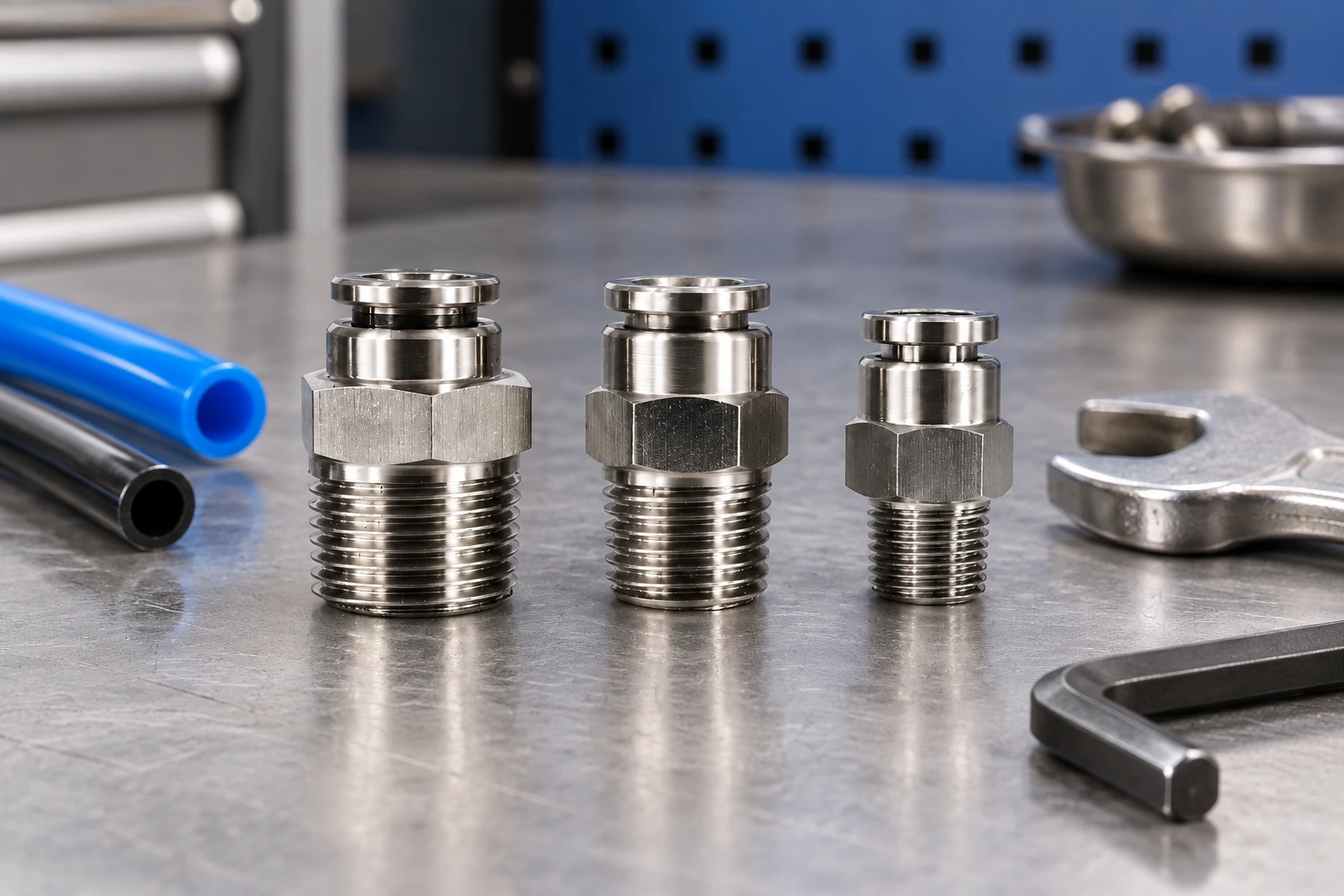
مهندسان چگونه میتوانند رشتههای BSP، BSPT و NPT را از هم تشخیص دهند؟
شناسایی رشته باید از طراحی پورت، یک متر تأییدشده یا نامگذاری سازندهٔ تجهیزات استخراج شود. BSPP (معمولاً با علامت G نشان داده میشود) موازی است و معمولاً به جوشکاری روی صفحه، واشر چسبیده یا یک روش مهر و موم کردن تعیینشده دیگر متکی است. BSPT (معمولاً با علامت R نشان داده میشود) مخروطی است؛ NPT یک سیستم جداگانهٔ رشتهٔ لولهای مخروطی با هندسهٔ متفاوت است. تنها اندازهٔ اسمی کافی نیست و اجبار به ایجاد یک مطابقت نزدیک میتواند به پورت آسیب برساند یا مسیر نشت ایجاد کند.
از روغن یا مادهای برای بستن رشتهها به عنوان روش تبدیل استفاده نکنید. از جنس بستبندی مشخص شده برای پورت استفاده کنید و هنگامی که دستورات نصب این کار را الزامی میداند، اولین رشته را خالی بگذارید. ثبت کنید که اتصال یک پیچ مرد، پورت زنده، گردان یا آرنج است، زیرا فاصله لازم برای ابزار و جهتگیری میتواند بر بارگذاری لوله تأثیر بگذارد. A راهنمای انواع شیرهای سولنوئیدی میتواند اصطلاحات رایج پورتهای هوای فشرده را توضیح دهد، اما نقشه فعلی سازنده شیر همچنان منبع قطعی برای جایگزین است.
| نامگذاری پیوند گفتوگو | Basic interface characteristic | What the buyer must verify |
|---|---|---|
| BSPP / G | Parallel pipe thread with a defined face or bonded seal arrangement | استاندارد پورت، واشر یا حلقه O، سطح نشست و دستورالعمل تنگ کردن |
| BSPT / R | Tapered BSP thread used with the specified sealing practice | نامگذاری مرد/زن، قانون پرکننده، تعامل و عمق موجود |
| NPT | Tapered US pipe-thread system with its own profile and gauge basis | NPT size, mating port, sealant compatibility and gauge or drawing evidence |
| Unconfirmed label | Catalogue wording or “inch” size without a thread system | Pause the order; obtain a drawing or written identification before substitution |
When is a plastic pneumatic fitting suitable, and when should metal be considered?
A plastic pneumatic fitting can be appropriate where the documented body, seal and tube combination meets the circuit’s pressure, temperature, chemical and mechanical requirements. Plastic may also simplify a lightweight assembly, but those are selection considerations rather than universal advantages. A metal fitting may be considered where the equipment specification requires greater resistance to impact, heat, vibration or repeated service; the exact grade and finish still need to be documented.
Compare the fitting’s declared working limits with the highest pressure and temperature that the complete circuit can experience, including start-up, shutdown, pulsing and cleaning. Do not copy a pressure value from a different size, seal or tube. If the supplier gives separate values for air, water or other media, use the value that matches the actual duty. For a broader system view, the راهنمای نگهداری اتصالات پنوماتیک can help turn the component choice into an inspection routine.
How should the tube be cut and seated to prevent leaks?
Isolate stored pneumatic energy before working on the line. Cut the tube square with a tool that does not crush the wall, then remove chips and inspect the end for a clean, round surface. Push the tube straight through the collet until it reaches the documented insertion position; a partial insertion, angled entry or damaged surface can leave the seal unsupported. Apply a light pull check only as permitted by the fitting instructions, and never use a side load to “test” a connection that has not been fully seated.
Route the tube with the bend radius and support specified for the tubing. Keep the fitting from carrying a lever load, protect it from abrasion, and allow enough clearance to press the release collar during service. After assembly, inspect each joint and run the project’s approved leak or pressure check. A visual check can find a skewed tube, but it cannot by itself prove leak-tightness.
Which service and maintenance records should a buyer retain?
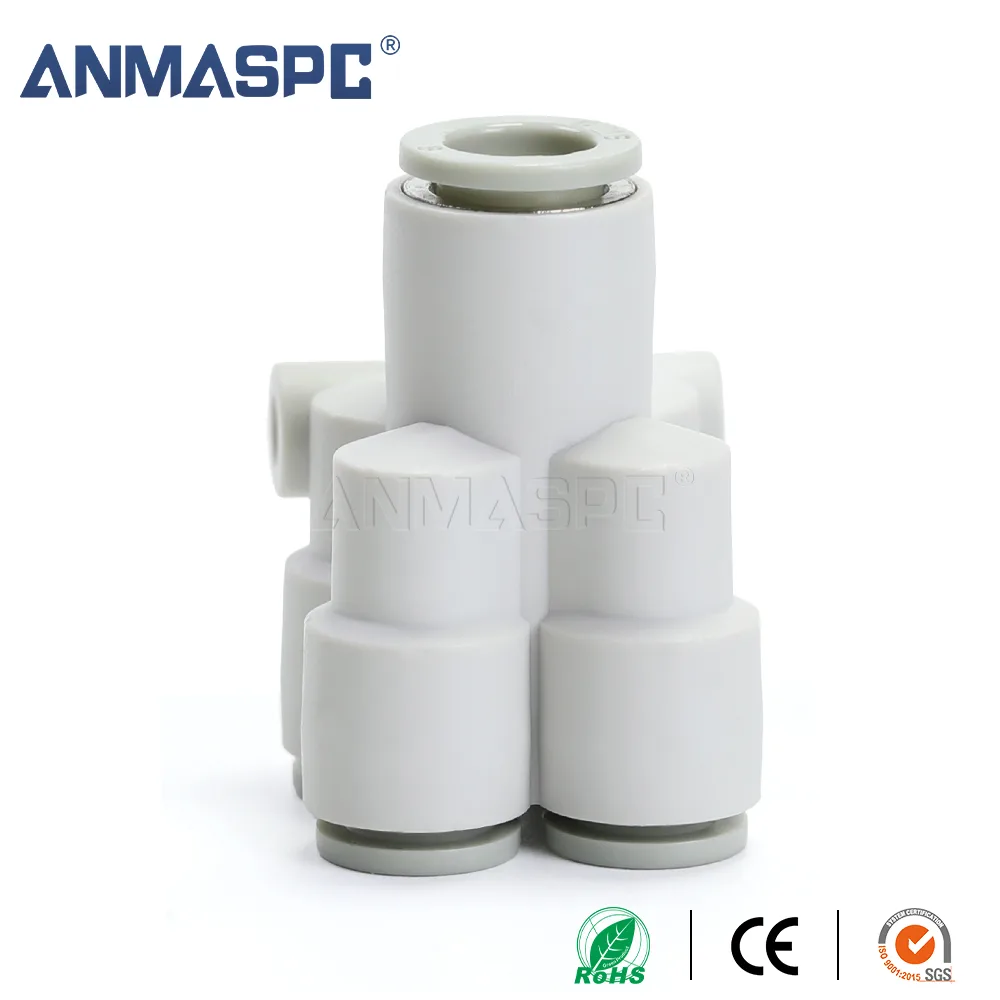
Record the part reference, tube specification, thread callout, seal material, installation date, circuit location and any acceptance check. A pneumatic air fittings register lets maintenance teams replace a part with the same interface instead of guessing from a photograph. It also makes recurring leaks easier to classify: wrong OD, damaged tube, thread mismatch, insufficient support, contamination or a component outside its documented service range.
ISO 4414:2010 calls for safe design and operation of pneumatic systems, including attention to stored energy and component interfaces. ISO 12100:2010 provides a machinery risk-assessment and risk-reduction framework; it does not certify a particular pneumatic air fittings model. The U.S. Department of Energy’s compressed-air resources likewise treat leakage and pressure management as system issues. Use these sources to frame the design review, then verify the exact supplier documentation and site test method.
What is a practical selection checklist for procurement teams?
- Measure the installed tube OD and record material, wall information and condition at the connection.
- Identify the port thread from a drawing or gauge; state BSPP/G, BSPT/R, NPT or the applicable standard.
- Write down medium, pressure, temperature, cycling, vibration, chemicals and the required safe isolation state.
- انتخاب کنید plastic pneumatic fitting or metal alternative only after comparing the complete assembly’s documented limits.
- Approve the cutting, insertion, support and leak-check method before installation, and retain the result by circuit location.
Oulu / ANMASPC supplies B2B pneumatic fittings, tubing, valves and related parts. Buyers can review the رنج قطعات پنوماتیک as a starting point, then request the drawing, material information and applicable limits for the exact configuration. Product availability and any certification or conformity statement should be confirmed in current supplier documents, not inferred from a product image.
Frequently asked questions about pneumatic push-in fittings
How do you match tube outside diameter to the Pneumatic Push In Air Fittings?
Measure the tube’s actual outside diameter with the approved method and compare it with the fitting drawing, tube material and tolerance range. Check the cut for ovality, scratches or contamination before insertion. A nominal label alone does not prove that the collet and seal will retain the tube.
How can you tell whether a Pneumatic Push In Air Fittings uses BSP, BSPT or NPT threads?
Use the equipment or fitting drawing, a verified thread gauge or written manufacturer identification. BSPP/G is parallel, BSPT/R is tapered, and NPT is a separate tapered system; do not force one into another. Confirm the seal, engagement and tightening method for the selected port.
Why does the Pneumatic Push In Air Fittings leak even after the fitting has been tightened?
Tightening the port cannot correct an undersized or damaged tube, incomplete insertion, a scratched sealing surface, a wrong thread form or an unsuitable seal. Depressurize the circuit, inspect the tube end and port, and replace components that fall outside the documented condition. Finish with the approved leak or pressure check.
What working pressure and temperature should the Pneumatic Push In Air Fittings support?
The fitting and tube should support the highest documented pressure and temperature of the complete circuit, including pulses and start-up conditions. Use the supplier’s value for the exact size, seal, medium and assembly; do not transfer a rating from another configuration. Record the basis and any installation or derating limits.
How do you install the Pneumatic Push In Air Fittings without cutting or scratching the tube?
Isolate energy, cut the tube square with a suitable tool, remove debris and keep the end straight during insertion. Push it fully to the stated seating position without twisting, then route and support it so the fitting is not side-loaded. Inspect the joint and perform the specified acceptance check before returning the line to service.
Can the Pneumatic Push In Air Fittings be disconnected and reused in a maintenance job?
Reuse is permitted only when the manufacturer’s instructions and the project method allow it. Inspect the collet, seal, body and tube end for wear, contamination, deformation or loss of retention, and replace any item outside the documented condition. A fitting removed from a hot, vibrating or chemically exposed circuit deserves additional scrutiny.
مراجع
- ISO 4414:2010, Pneumatic fluid power — General rules and safety requirements for systems and their components.
- ISO 12100:2010, Safety of machinery — General principles for design.
- U.S. Department of Energy, Industrial Technologies Office compressed-air systems resources.
نتیجه گیری
A reliable push-in connection starts with identification, not tightening force: measure the tube OD, confirm the tube material, identify BSPP, BSPT or NPT, and document the actual pressure and temperature duty. Then select the fitting body and seal for that complete assembly, cut and seat the tube correctly, support the routing and run the approved acceptance check. Do not use sealant or a similar-looking connector to compensate for an unknown thread or damaged tube. Keep the part reference and inspection result with the circuit so future maintenance is based on evidence. Oulu / ANMASPC can help buyers compare pneumatic fittings, tubing and valves against those requirements; review the دایرکتوری محصولات and request current configuration documents before ordering.



