
로테르담의 한 통신 시설 감독관이 덕트 단부를 직각으로 절단하고 새 커넥터를 장착했을 때, 몇 분 만에 눈에 띄는 결함이 나타났습니다. 접합부가 제대로 맞물리지 않아 공기 흐름 경로가 밀폐되지 않았던 것입니다. 작업 기록을 검토한 결과, 당초의 가정이 잘못되었음이 드러났습니다. 해당 커넥터가 반드시 불량품인 것은 아니었고, 선택된 규격이 측정된 덕트 크기와 일치하지 않았으며, 설치 방법 또한 밀봉 및 지지 조건을 명확히 규정하지 않았던 것입니다. 이것이 바로 그 이면에 숨어 있는 실질적인 문제입니다. 어떻게 선택할 것인가 마이크로덕트 커넥터부품이 트렌치에 도달하기 전에 선택, 치수 선정, 환경 및 공정이 서로 일치해야 한다.
측정된 덕트 치수, 요구되는 접합 방식, 노선 환경, 밀봉 성능 및 유지보수를 위한 접근성 등을 고려하여 마이크로덕트 커넥터를 선택하십시오. IEC 60794-5:2020은 옥외용 마이크로덕트에 관한 기준을 규정하고 있으며, ISO 9001:2015는 제조업체의 품질경영시스템에 관한 기준을 규정하고 있습니다. 그러나 이들 표준은 각각 단독으로 특정 커넥터가 모든 노선에 대해 인증되었음을 입증하는 것은 아닙니다. 권장되는 절차는 실제 덕트의 규격과 구조를 기록하고, 문서화된 커넥터 제품군을 선정한 뒤, 노선 승인 전에 설치 시 정확한 결착 상태와 밀봉 성능을 검증하는 것입니다.
커넥터가 선택되기 전에 무엇이 일치해야 합니까?
커넥터는 단순히 두 관 끝을 연결하는 슬리브가 아니라, 치수적·기능적 인터페이스입니다. 먼저 마이크로덕트의 재질을 파악하고, 접합 부위에서 실제 외경과 관련된 벽두께 또는 내경 정보를 측정하십시오. 이러한 측정값을 제조업체의 제품 데이터와 비교하세요. 설치된 덕트가 다른 배치나 규격일 수 있으므로, 오래된 도면에서 그대로 옮겨 적은 공칭 표시만으로 선택하지 마십시오.

다음으로, 해당 조인트가 수행해야 할 기능을 정의하십시오. 직선형 커넥터는 동일한 덕트 경로를 유지하며, 감경형 커넥터는 설계에서 의도된 경우에만 서로 다른 크기의 덕트를 연결합니다. 엔드 플러그 또는 종단 부재는 개방된 단부를 폐쇄하고 보호한다는 점에서 관통형 커넥터와 그 기능이 다릅니다. 또한, 선택 시에는 해당 접합부가 공사 중 일시적으로 사용되는지 아니면 설치물의 전 수명에 걸쳐 계속 유지될 것으로 예상되는지 여부를 명시해야 합니다.
- 크기: 측정된 덕트 치수를 기록하고, 이를 커넥터의 지정된 범위와 비교하십시오.
- 기하학: 경로에 직선 이음, 계획된 축소, 분기 또는 끝단 마감이 필요한지 확인하십시오.
- 환경: 프로젝트 사양서에서 지하, 접근용 맨홀, 노출된 상태, 습윤한 환경 또는 직접 매설 조건을 명시하십시오.
- 밀봉 기능: 해당 연결부가 공기 통로를 유지해야 하는지, 수분을 차단해야 하는지, 예비 덕트를 보호해야 하는지, 또는 기타 문서화된 요구사항을 충족해야 하는지를 명시하십시오.
- 접근성: 인접한 덕트를 손상시키지 않으면서 이음부를 점검, 재제작, 라벨링 또는 교체할 수 있도록 충분한 공간을 확보하십시오.
커넥터의 형상과 루트 환경은 의사결정에 어떤 영향을 미칩니까?
동일한 공칭 덕트 크기라도 경로의 형상이나 설치 환경이 변경되면 서로 다른 결정이 필요할 수 있습니다. 직선 구간에는 소형 관통 커넥터가 필요할 수 있는 반면, 덕트 크기 간의 전환부에는 문서화된 감축 부속과 명확한 조립 방향이 필요합니다. 점검구에 설치된 커넥터는 점검이 용이할 수 있지만, 매설된 이음부의 경우 프로젝트 팀이 선택한 구성 요소와 보호 방법이 매설에 적합한지 확인해야 합니다. 외관만으로는 직접 매설 적합성을 판단할 수 없습니다.
조인트만을 단독으로 보지 말고, HDPE 시스템 전체를 고려하십시오. HDPE 마이크로덕트 이 안내서는 설치자가 덕트 구조와 광섬유 설치 간의 관계를 이해하는 데 도움을 줄 수 있지만, 최종 결정 기록은 프로젝트 사양 및 최신 제품 문서에 따라야 합니다. 경로에 다양한 재질의 덕트가 혼재되어 있거나, 벽 두께가 비정상적이거나, 보수 구간이 포함된 경우 해당 사실을 기록하고 커넥터를 주문하기 전에 호환성 확인을 받아야 합니다.
| 결정 시점 | 기록할 증거 | 선택 결과 |
|---|---|---|
| 덕트 치수 | 측정된 외경, 내경 또는 벽 두께 정보, 그리고 이음부에서의 모든 변동 사항 | 설치된 덕트의 사양과 일치하는 문서화된 범위를 가진 커넥터를 선택하십시오. |
| 조인트 형상 | 직선 배관, 계획된 축소, 분기, 수리 또는 종단 | 해당 연결 관계에 맞는 커넥터 유형을 사용하고, 임의로 변환기를 만들지 마십시오. |
| 경로 환경 | 지하, 진입구, 노출된 상태, 습윤 또는 직접 매설 조건 | 프로젝트 문서에서 밀봉, 보호 및 설치 의무를 확인하십시오. |
| 공기 및 습기 저항 | 필수 공기 경로, 습기 차단 또는 예비 덕트 보호 | 해당 씰 및 종단 보호 장치를 지정하십시오. |
| 유지보수 접근 | 작업 공간, 라벨 위치 및 향후 점검 또는 교체 경로 | 덕트에 응력을 가하지 않고 조인트를 점검하거나 재작성할 수 있도록 허용합니다. |
누수와 정렬 불량을 방지하는 설치 절차는 무엇입니까?
적절한 커넥터를 선택하더라도 덕트 끝부분이 제대로 준비되지 않으면 여전히 결함이 발생할 수 있습니다. 승인된 공구를 사용하여 덕트를 직각으로 절단하고, 이물질과 버를 제거한 다음, 끝부분이 타원형으로 변형되거나 손상되지 않았는지 확인하십시오. 삽입 전에 두 덕트를 정렬한 후, 공급업체의 지침에 따라 커넥터 안으로 완전히 밀어 넣으십시오. 잘못된 크기나 장애물로 인해 경로가 막힌 경우를 보정하기 위해 조립 부위를 비틀거나 구부리거나 무리하게 힘을 가하지 마십시오.
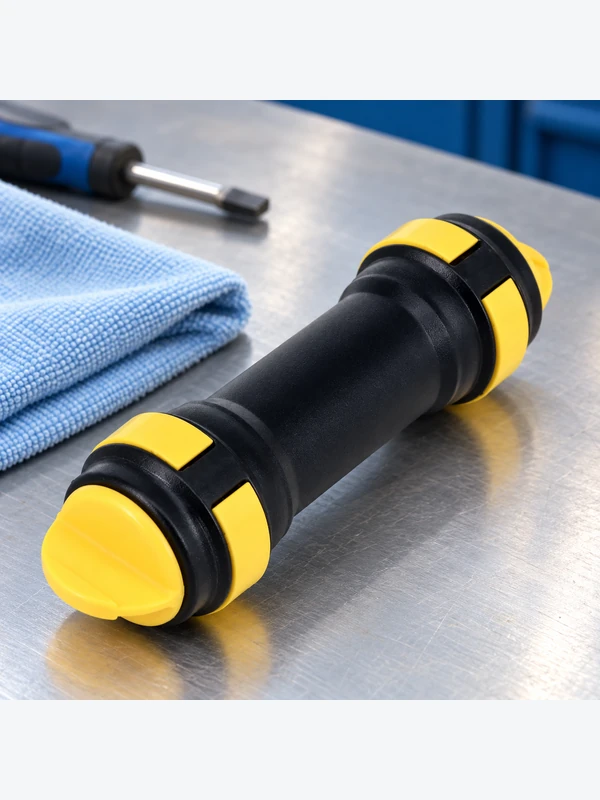
조립 후에는 결합 상태와 지지 상태를 점검하십시오. 투명 커넥터를 사용하면 삽입 위치를 확인할 수 있지만, 시각적 확인은 검수의 일부에 불과합니다. 또한 접속부는 측면 하중, 급격한 굴곡 전환 및 복토 작업 또는 이후의 케이블 공사 중 발생할 수 있는 우발적인 이동으로부터 보호되어야 합니다. 연결이 완료될 때까지 단자를 깨끗하게 유지하고, 덕트가 개방된 상태로 남아 있을 때에는 반드시 규정된 플러그나 캡을 장착하십시오.
사이트의 생산 절차 문서는 제조 관련 배경 정보를 제공하지만, 설치 방법 설명서를 대체해서는 안 됩니다. 현장 기록에는 덕트, 연결부 유형, 설치자, 날짜, 위치 및 모든 시정 조치를 명시해야 합니다. 이러한 기록을 통해 유지보수 팀은 설계 오류와 이후 루트 변경으로 인한 문제를 구분할 수 있습니다.
구매자는 밀봉 상태와 유지보수 접근성을 어떻게 확인할 수 있나요?
솔직히 말해서, 커넥터가 기밀성을 확보하려면 덕트 치수, 깔끔한 절단 상태, 밀봉 부품 및 삽입 깊이가 모두 규정된 조립 기준에 정확히 부합해야 합니다. 육안 검사로는 불완전한 결착이나 밀봉재의 이탈을 확인할 수 있지만, 그것만으로는 기밀성을 입증할 수 없습니다. 프로젝트에서 요구하는 압력 시험, 누설 시험 또는 연속성 시험을 반드시 수행하고, 관련 없는 경로의 합격 값을 무작정 복사하지 말고 해당 방법과 결과를 기록하십시오.
유지보수 접근성 또한 동일한 설계 결정의 일부입니다. 좁은 굴곡 뒤에 숨어 있거나 접근 지점에서 지지되지 않은 조인트는 초기에는 기밀성을 유지하더라도 검사가 어려울 수 있습니다. 명확한 라벨과 서비스 경로를 확보하고, 커넥터가 이동하지 않도록 보호하며, 향후 작업팀이 일반적인 직선 조인트로 오인할 수 있는 모든 전환부를 문서화하십시오.
| 수락 항목 | 설치 프로그램이 확인하는 내용 | 인수인계 기록에 포함되어야 할 내용 |
|---|---|---|
| 신원 및 위치 | 올바른 덕트 경로, 조인트 위치 및 커넥터 유형 | 노선 마크업, 라벨 및 구성 요소 참조 |
| 준비 완료 | 정사각형의 깔끔하고 손상되지 않은 절단면 및 호환되는 덕트 단부 | 검사 승인 또는 설치 사진 |
| 좌석 및 지지대 | 완전 삽입, 가시적 정렬 및 피할 수 있는 측면 하중 없음 | 설치 프로그램 점검 및 모든 시정 조치 메모 |
| 씰 또는 마개 검사 | 해당 노선 조건에 맞게 설치된 지정된 씰, 플러그 또는 캡 | 부품 및 환경 작동 기록 |
| 프로젝트 테스트 | 승인된 압력, 누출, 연속성 또는 기타 요구되는 검사 | 시험 방법, 날짜, 결과 및 책임자 |
| 향후 접근 | 완료 후에도 라벨, 작업 공간 및 보호 기능이 유지됩니다. | 준공 도면 및 유지보수 메모 |
When does a route need an end stop, gas block or protective cover?
Specify the function before choosing the accessory. An end stop closes an unused duct end against the conditions stated in its documentation. A joint connector joins duct sections. A gas-blocking arrangement addresses a different duty: limiting migration through an entry in the configuration for which it was designed. A protective cover can address mechanical exposure around a connection. Similar-looking parts should not be substituted across those functions without written evidence.
The installation state matters. An empty duct and a duct containing a cable may require different sealing components. At a building entry, identify the duct OD, cable OD, wall or enclosure interface and applicable entry requirements. Ask which leakage path is controlled: the duct-to-fitting joint, the space around a cable, or the building penetration. A water-sealing claim for one interface does not establish 가스 블록ing, fire stopping or all building-entry duties.
Hexatronic’s connector and end-stop data sheet separates straight, reducing and end-stop functions and describes an external cover for its direct-buried configuration. This is a manufacturer-specific example of why a cover and base connector may need to be specified together. It does not prove that any uncovered connector can be made suitable for burial with an arbitrary shell. Confirm the complete selected assembly and its installation instructions before procurement.
Which connector should be used for an air-blown fiber route?
For an air-blown fiber route, select a connector that preserves the intended duct path and sealing condition while presenting a clean, supported bore to the installation equipment. Check the cable-and-duct plan, the connector dimensions, the end preparation method and the access-point arrangement together. The air-blown fiber installation comparison is useful for framing the route decision, but it does not establish a universal connector, pressure or distance limit.
Before blowing, verify continuity and remove or document obstructions. During the operation, stop if the cable behavior, air loss or connector movement differs from the approved method. Afterward, protect the cable end, inspect the joint and retain the optical and route records required by the contract. A connector that looks correct before blowing still needs post-installation acceptance.
Which standards should procurement teams cite?
Standards help define scope and verification; they should not be used as shorthand for unsupported product claims.
- IEC 60794-5:2020: Covers fibre-optic cable systems involving outdoor microducts. Use its scope alongside the project’s duct, connector and installation requirements.
- EN 50411-2-8: Relates to fibre-management systems and protective housings. Confirm that the relevant component and intended use fall within the document’s scope before citing it.
- ISO 9001:2015: Specifies quality-management-system requirements. It is not a product certification, a dimensional guarantee or proof that a connector suits a particular environment.
Commercially, unsupported standards language can mislead a buyer and make acceptance harder. Ask for the current declaration, technical data and test evidence that apply to the exact component and destination market. If the project requires a regulatory or customer-specific approval, state that requirement in procurement rather than assuming a general standard covers it.
How should a reused connector be accepted or rejected?
Begin with the manufacturer’s stated 재사용 정책 and the project’s requirements. A part that can be released mechanically is not automatically approved for repeated service after burial, impact or contamination. Inspect the body, release parts, sealing surfaces and duct ends using the permitted method. Replace a component when damage, uncertain retention or recurring leakage puts it outside the documented acceptance condition.
Do not use tape, adhesive or an improvised sleeve to compensate for the wrong duct size or damaged interface. Such a repair can conceal the actual problem and change the assembly away from the tested configuration. If the product permits reconnection, prepare the duct ends as instructed and repeat the specified assembly and acceptance checks. Record that a reused component was involved so later inspection has an accurate history.
For stock control, separate serviceable unused parts from recovered material awaiting inspection. Keep the component reference and lot where available, and match the replacement against the route’s current requirements rather than an old photograph alone. The connector production and batch-record guide explains what supplier information can support this decision. For installation technique, the microduct connector installation guide addresses preparation and seating; neither guide overrides the selected product’s reuse restrictions.
What should buyers do before ordering?
- Measure the installed duct and attach the result to the purchase or technical query.
- Define the joint geometry, route environment, sealing duty and expected maintenance access.
- Request the connector drawing, installation instructions and compatibility statement for the selected duct.
- Agree the field inspection and any approved leak, pressure or continuity check before delivery.
- Require the handover records that will identify the joint and support future cable work.
Oulu / ANMASPC presents microduct connectors, duct plugs, HDPE microducts and related pneumatic products for B2B sourcing. Review the current 마이크로덕트 커넥터 라인업 against the project specification, then ask for route-specific documentation before committing to a size or connector type. Product availability, configuration and any certification claim should be confirmed in the current supplier documents.
자주 묻는 질문
How do I measure a microduct before choosing a connector?
Identify the duct at the actual joint, make a clean inspection cut if permitted, and record the outside diameter plus the relevant bore or wall information. Compare the measured condition with the connector drawing and specified range. If the duct is ovalised, damaged or from a mixed batch, pause and obtain a compatibility decision instead of relying on the label alone.
What is the difference between a straight and reducing microduct connector?
A straight connector joins compatible duct ends on the same intended path and size. A reducing connector is designed for a planned transition between different duct sizes and should be selected from a documented size pairing. It is not a substitute for correcting a measurement error or forcing mismatched ducts together.
Do microduct connectors need to be rated for direct burial?
That depends on the route design and the connector, seal and protection arrangement specified for it. Direct-burial suitability should be confirmed in current product documentation and the project specification; it cannot be inferred from a connector’s appearance or nominal size. Record the environmental duty before ordering.
How do I know whether a connector is airtight?
First verify the duct dimensions, clean square cuts, full insertion and correct seals. Then perform the project-approved pressure, leak or continuity check when required, because a visual seating check alone cannot establish airtightness. Keep the method and result with the joint record.
Can I reuse a push-fit microduct connector?
Reuse should be allowed only when the manufacturer’s instructions and the project method permit it. Inspect the connector, seals and duct ends for damage, contamination or loss of retention, and replace any component outside the documented condition. A connector that has been removed from a stressed or buried joint needs particular scrutiny.
Which connector should I use for an air-blown fiber route?
Use the connector that matches the duct dimensions, route geometry, sealing duty and air-blown installation method documented for the project. Confirm that the joint is fully seated, supported and free of avoidable air leaks before blowing. The cable, duct, connector and equipment should be checked as one system rather than selected independently.
Can an end stop be used as a gas block around an installed cable?
Not unless its exact design is documented for that function and cable-and-duct combination. An empty-duct closure and a seal around a cable control different interfaces. Obtain the correct entry and sealing arrangement.
Does adding a cover make any connector suitable for direct burial?
No. Confirm a complete approved configuration, including the connector, cover and installation method. A cover from another design does not establish the required mechanical or environmental performance.
참고문헌
- Hexatronic, Microduct Connectors and End Stops, 28701-MPB30601+, 2023: configuration and cover example
- Fiber Optic Association, Outside Plant Fiber Optic Cable Installation: pathway and cable-handling considerations
요약
The right microduct connector matches both the duct interface and the task at the joint. Measure OD and ID, confirm the route and environmental duty, then distinguish a joining connector from an end closure, cable seal or protective cover. At building entries, identify every leakage path and obtain the documented arrangement for the actual cable-and-duct combination. Follow the selected installation and test method rather than compensating for a poor fit with improvised materials. Treat recovered components according to the manufacturer’s reuse policy and retain an inspection history. Oulu’s connector options can then be compared with the written project requirements, using the exact configuration and current product documentation before ordering.



