
ロッテルダムの通信設備現場監督が、ダクトの端部を直角に切断し、新しいコネクタを取り付けたところ、目に見える不具合が数分以内に発生しました。接続部がきちんと嵌らず、気密性が保てなかったのです。作業指示書を見直した結果、当初の推測は覆されました。コネクタ自体が不良品だったわけではなく、選定されたサイズが実測したダクトのサイズと一致しておらず、さらに施工手順においてもシールおよび支持に関する条件が明示されていなかったことが判明しました。これが背後にある現実的な問題です。 どのように選ぶか マイクロダクトコネクタ部品がトレンチに到達する前に、選定、サイズ決定、環境およびプロセスが整合していなければならない。.
測定されたマイクロダクトの寸法、必要な接続方式、ルートの環境、シーリングの要件、および保守に必要なアクセスを考慮して、マイクロダクト用コネクタを選定してください。IEC 60794-5:2020は屋外用マイクロダクトに関する規格であり、ISO 9001:2015はメーカーの品質管理システムに関する規格ですが、いずれも単独では、特定のコネクタがすべてのルートで認証されていることを証明するものではありません。推奨される対応としては、実際のダクトのサイズと構造を記録し、文書化されたコネクタシリーズを選定した上で、ルートを承認する前に、設置時の座付け状態とシール性能を確認することです。.
コネクタが選択される前に、何が一致していなければならないか?
コネクタは、単なる2本の管端を接続するスリーブではなく、寸法および機能面でのインターフェースです。まず、マイクロダクトの材質を特定し、接合部における実際の外径、ならびに壁厚や内径に関する情報を測定してください。これらの測定値をメーカーの製品データと照らし合わせて確認し、設置済みのダクトが異なるロットや規格である可能性がある場合には、古い図面からコピーした公称表記だけで選定しないでください。.
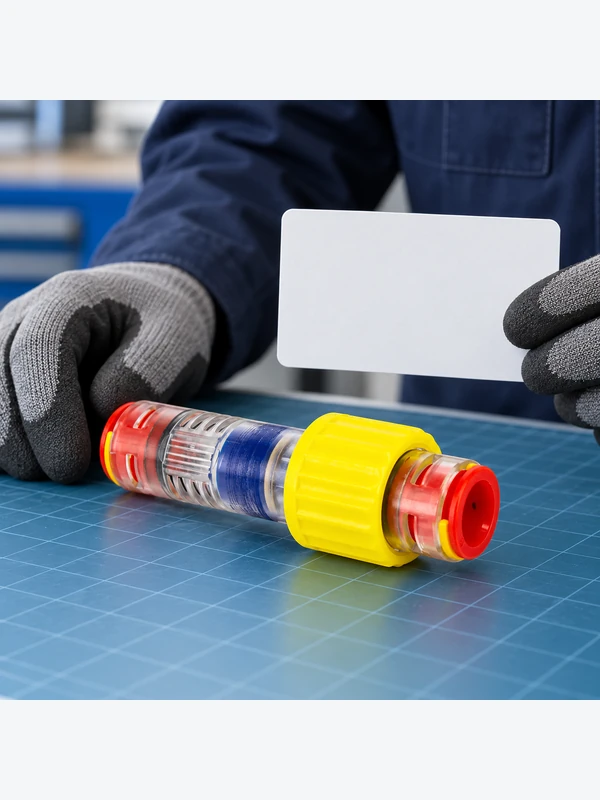
次に、継手が果たすべき機能を定義します。ストレートコネクタは同一のダクト経路を維持し、リデューシングコネクタは設計で意図された場合にのみ異なるサイズ同士を接続します。エンドプラグや終端部品は、開口部を閉じて保護するという点で、スルーコネクタとは異なる役割を担います。また、選定時には、その接続が施工中の仮設であるのか、それとも設備の耐用期間を通じてそのまま使用される予定なのかを明記する必要があります。.
- サイズ:測定したダクトの寸法を記録し、コネクタの指定範囲と比較してください。.
- ジオメトリ:ルートに直線継手、計画的縮径、分岐、または端部閉塞が必要かどうかを確認してください。.
- 環境:プロジェクト仕様書において、地下埋設、アクセスピット内、露出状態、湿潤環境、または直接埋設のいずれに該当するかを明記してください。.
- シーリングの用途:接続部が空気の通路を確保する必要があるか、水分を遮断する必要があるか、予備ダクトを保護する必要があるか、または他の文書化された要件を満たす必要があるかを記載してください。.
- アクセス:隣接するダクトを損傷することなく、継手の点検、再施工、ラベリング、または交換ができる十分なスペースを確保してください。.
コネクタの形状や配線環境は、意思決定にどのように影響しますか?
同じ公称ダクトサイズでも、経路の形状や設置環境が変われば、対応策は異なります。直線区間ではコンパクトな貫通コネクタが必要な場合がある一方で、ダクトサイズの変換部では、仕様書に記載された減径部品と明確な組み立て方向が必要です。点検用ピット内に設置されるコネクタは点検が容易ですが、埋設継手については、選定した部品および保護方法が埋設に適していることをプロジェクトチームが確認する必要があります。外観だけでは、直接埋設に適しているとは言えません。.
継手のみを単独で考えるのではなく、HDPEシステム全体を考慮してください。 HDPEマイクロダクト 本ガイドは、ダクト構造と光ファイバーの敷設との関係を整理するのに役立ちますが、最終的な判断基準となるのはプロジェクト仕様書および最新の製品ドキュメントです。経路に異なる種類のダクト材が混在している場合、壁厚が特殊な箇所や補修区間がある場合は、その旨を記録し、コネクタを発注する前に互換性の確認を取ってください。.
| 決定点 | 記録すべき証拠 | 選択の結果 |
|---|---|---|
| ダクトの寸法 | 測定された外径、内径または肉厚の情報、および継手部におけるあらゆる変動 | 設置済みのダクトに適合する公称範囲を備えたコネクタを選択してください。 |
| 接合部形状 | ストレート継手、計画的縮径、分岐、補修または終端 | その関係に適したコネクタタイプを使用し、即席の変換は行わないでください。 |
| ルート環境 | 地下、アクセスピット内、露出状態、湿潤環境、または直接埋設条件 | プロジェクト文書において、シーリング、保護および設置の責任を確認してください。 |
| 空気および湿気に対する耐性 | 必須の空気経路、水分の遮断、または予備ダクトの保護 | 該当するシールおよび端部保護の構成を指定してください。 |
| メンテナンスアクセス | 作業スペース、ラベルの位置、および将来的な点検・交換経路 | ダクトに応力をかけずに、継手の点検や再施工を可能にします。 |
どのような設置手順が漏水や位置ずれを防ぎますか?
適切な継手を選んでも、ダクト端部の処理が不十分であれば接続は失敗します。認可された工具を用いてダクトを直角に切断し、残留物やバリを取り除き、端部が楕円状になっていないか、損傷していないかを確認してください。挿入前に2本のダクトを正確に位置合わせし、その後、メーカーの指示に従って継手へ完全に押し込みます。サイズ違いや経路の障害を補うために、組み立て時にねじったり、曲げたり、無理に力を加えたりしないでください。.
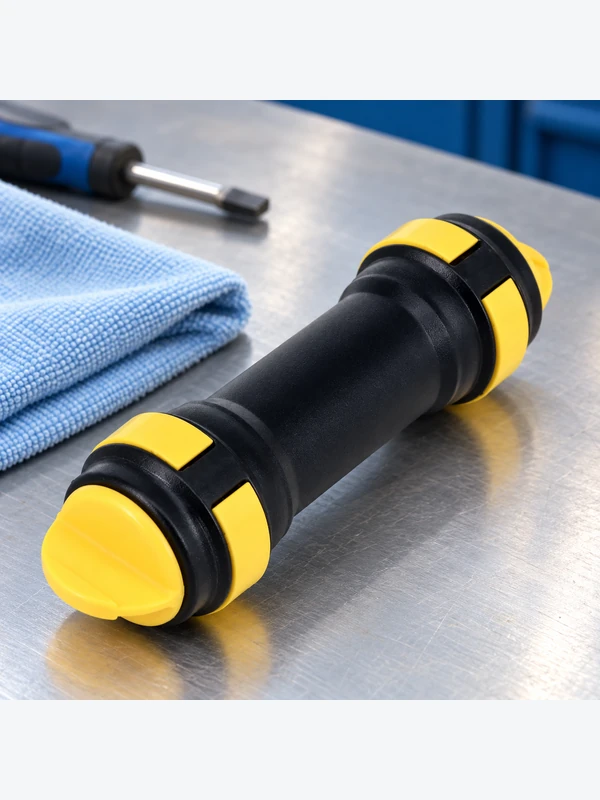
組み立て後は、接続部および支持状態を点検してください。透明なコネクタを使用すれば挿入位置を目視で確認できますが、目視確認だけでは不十分です。また、継ぎ目は、側方からの荷重や急な曲げ転換、埋戻し作業中またはその後のケーブル工事における誤った移動から保護する必要があります。接続完了まで端部を清潔に保ち、ダクトを開口したままにする場合は、指定されたプラグまたはキャップを取り付けてください。.
サイトの製造手順に関する記事は製造の背景情報を提供しますが、設置方法書に代わるものではありません。現場記録には、ダクト、接続部品の種類、施工者、日付、設置場所、および実施した是正措置を明記する必要があります。こうした記録があれば、保守チームはサイズ設定上の問題と、その後の経路の変更による影響とを区別できます。.
購入者は、シーリングおよび保守用アクセスをどのように確認できますか?
正直な答えは、ダクトの寸法、きれいに切断された断面、シール部品、挿入深さがすべて指定された組み立て基準に適合している場合にのみ、接続部は気密性を確保できるということです。目視による確認では、不完全な嵌合やシールのずれを発見できますが、それだけでは気密性が保証されるわけではありません。プロジェクトで承認されている圧力試験、漏れ試験、または導通試験が必要な場合は、その試験を実施し、関連のない経路から取得した合格値をそのまま転記するのではなく、使用した手法と結果を記録してください。.
保守用アクセスも、設計上の重要な要素です。急な曲がりの奥に隠れていたり、アクセス箇所で支持されていなかったりする継手は、初期には気密性を保っていても点検が困難になることがあります。明確なラベルと保守経路を確保し、コネクタが動かないように保護するとともに、将来の作業者が標準的な直線継手と誤認する可能性のある変更箇所については必ず記録しておいてください。.
| Acceptance item | What the installer checks | What the handover record should show |
|---|---|---|
| Identity and location | Correct duct route, joint position and connector type | Route mark-up, label and component reference |
| End preparation | Square, clean, undamaged cuts and compatible duct ends | Inspection sign-off or installation photograph |
| Seating and support | Full insertion, visible alignment and no avoidable side load | Installer check and any corrective-action note |
| Seal or closure check | Specified seals, plugs or caps installed for the route condition | Component and environmental-duty record |
| Project test | Approved pressure, leak, continuity or other required check | Test method, date, result and responsible person |
| Future access | Label, working space and protection retained after completion | As-built drawing and maintenance note |
When does a route need an end stop, gas block or protective cover?
Specify the function before choosing the accessory. An end stop closes an unused duct end against the conditions stated in its documentation. A joint connector joins duct sections. A gas-blocking arrangement addresses a different duty: limiting migration through an entry in the configuration for which it was designed. A protective cover can address mechanical exposure around a connection. Similar-looking parts should not be substituted across those functions without written evidence.
The installation state matters. An empty duct and a duct containing a cable may require different sealing components. At a building entry, identify the duct OD, cable OD, wall or enclosure interface and applicable entry requirements. Ask which leakage path is controlled: the duct-to-fitting joint, the space around a cable, or the building penetration. A water-sealing claim for one interface does not establish ガスブロックing, fire stopping or all building-entry duties.
Hexatronic’s connector and end-stop data sheet separates straight, reducing and end-stop functions and describes an external cover for its direct-buried configuration. This is a manufacturer-specific example of why a cover and base connector may need to be specified together. It does not prove that any uncovered connector can be made suitable for burial with an arbitrary shell. Confirm the complete selected assembly and its installation instructions before procurement.
Which connector should be used for an air-blown fiber route?
For an air-blown fiber route, select a connector that preserves the intended duct path and sealing condition while presenting a clean, supported bore to the installation equipment. Check the cable-and-duct plan, the connector dimensions, the end preparation method and the access-point arrangement together. The air-blown fiber installation comparison is useful for framing the route decision, but it does not establish a universal connector, pressure or distance limit.
Before blowing, verify continuity and remove or document obstructions. During the operation, stop if the cable behavior, air loss or connector movement differs from the approved method. Afterward, protect the cable end, inspect the joint and retain the optical and route records required by the contract. A connector that looks correct before blowing still needs post-installation acceptance.
Which standards should procurement teams cite?
Standards help define scope and verification; they should not be used as shorthand for unsupported product claims.
- IEC 60794-5:2020: Covers fibre-optic cable systems involving outdoor microducts. Use its scope alongside the project’s duct, connector and installation requirements.
- EN 50411-2-8: Relates to fibre-management systems and protective housings. Confirm that the relevant component and intended use fall within the document’s scope before citing it.
- ISO 9001:2015: Specifies quality-management-system requirements. It is not a product certification, a dimensional guarantee or proof that a connector suits a particular environment.
Commercially, unsupported standards language can mislead a buyer and make acceptance harder. Ask for the current declaration, technical data and test evidence that apply to the exact component and destination market. If the project requires a regulatory or customer-specific approval, state that requirement in procurement rather than assuming a general standard covers it.
How should a reused connector be accepted or rejected?
Begin with the manufacturer’s stated 再利用ポリシー and the project’s requirements. A part that can be released mechanically is not automatically approved for repeated service after burial, impact or contamination. Inspect the body, release parts, sealing surfaces and duct ends using the permitted method. Replace a component when damage, uncertain retention or recurring leakage puts it outside the documented acceptance condition.
Do not use tape, adhesive or an improvised sleeve to compensate for the wrong duct size or damaged interface. Such a repair can conceal the actual problem and change the assembly away from the tested configuration. If the product permits reconnection, prepare the duct ends as instructed and repeat the specified assembly and acceptance checks. Record that a reused component was involved so later inspection has an accurate history.
For stock control, separate serviceable unused parts from recovered material awaiting inspection. Keep the component reference and lot where available, and match the replacement against the route’s current requirements rather than an old photograph alone. The connector production and batch-record guide explains what supplier information can support this decision. For installation technique, the microduct connector installation guide addresses preparation and seating; neither guide overrides the selected product’s reuse restrictions.
What should buyers do before ordering?
- Measure the installed duct and attach the result to the purchase or technical query.
- Define the joint geometry, route environment, sealing duty and expected maintenance access.
- Request the connector drawing, installation instructions and compatibility statement for the selected duct.
- Agree the field inspection and any approved leak, pressure or continuity check before delivery.
- Require the handover records that will identify the joint and support future cable work.
Oulu / ANMASPC presents microduct connectors, duct plugs, HDPE microducts and related pneumatic products for B2B sourcing. Review the current マイクロダクトコネクターラインナップ against the project specification, then ask for route-specific documentation before committing to a size or connector type. Product availability, configuration and any certification claim should be confirmed in the current supplier documents.
よくある質問
How do I measure a microduct before choosing a connector?
Identify the duct at the actual joint, make a clean inspection cut if permitted, and record the outside diameter plus the relevant bore or wall information. Compare the measured condition with the connector drawing and specified range. If the duct is ovalised, damaged or from a mixed batch, pause and obtain a compatibility decision instead of relying on the label alone.
What is the difference between a straight and reducing microduct connector?
A straight connector joins compatible duct ends on the same intended path and size. A reducing connector is designed for a planned transition between different duct sizes and should be selected from a documented size pairing. It is not a substitute for correcting a measurement error or forcing mismatched ducts together.
Do microduct connectors need to be rated for direct burial?
That depends on the route design and the connector, seal and protection arrangement specified for it. Direct-burial suitability should be confirmed in current product documentation and the project specification; it cannot be inferred from a connector’s appearance or nominal size. Record the environmental duty before ordering.
How do I know whether a connector is airtight?
First verify the duct dimensions, clean square cuts, full insertion and correct seals. Then perform the project-approved pressure, leak or continuity check when required, because a visual seating check alone cannot establish airtightness. Keep the method and result with the joint record.
Can I reuse a push-fit microduct connector?
Reuse should be allowed only when the manufacturer’s instructions and the project method permit it. Inspect the connector, seals and duct ends for damage, contamination or loss of retention, and replace any component outside the documented condition. A connector that has been removed from a stressed or buried joint needs particular scrutiny.
Which connector should I use for an air-blown fiber route?
Use the connector that matches the duct dimensions, route geometry, sealing duty and air-blown installation method documented for the project. Confirm that the joint is fully seated, supported and free of avoidable air leaks before blowing. The cable, duct, connector and equipment should be checked as one system rather than selected independently.
Can an end stop be used as a gas block around an installed cable?
Not unless its exact design is documented for that function and cable-and-duct combination. An empty-duct closure and a seal around a cable control different interfaces. Obtain the correct entry and sealing arrangement.
Does adding a cover make any connector suitable for direct burial?
No. Confirm a complete approved configuration, including the connector, cover and installation method. A cover from another design does not establish the required mechanical or environmental performance.
参考文献
- Hexatronic, Microduct Connectors and End Stops, 28701-MPB30601+, 2023: configuration and cover example
- Fiber Optic Association, Outside Plant Fiber Optic Cable Installation: pathway and cable-handling considerations
要約
The right microduct connector matches both the duct interface and the task at the joint. Measure OD and ID, confirm the route and environmental duty, then distinguish a joining connector from an end closure, cable seal or protective cover. At building entries, identify every leakage path and obtain the documented arrangement for the actual cable-and-duct combination. Follow the selected installation and test method rather than compensating for a poor fit with improvised materials. Treat recovered components according to the manufacturer’s reuse policy and retain an inspection history. Oulu’s connector options can then be compared with the written project requirements, using the exact configuration and current product documentation before ordering.



