
ពាក្យថា អង្គភាពភ្ជាប់អុបទិក អាចសំដៅលើគ្រឿងបន្លាស់ពីរប្រភេទខុសគ្នាដាច់ស្រឡះ៖ អង្គភាពភ្ជាប់មួយដែលតម្រឹមសរសៃអុបទិក ដូចជាអង្គភាពភ្ជាប់ SC ឬ LC និងចំណុចភ្ជាប់រាងកាយនៅក្នុងបំពង់មីក្រូដែលហ៊ុមព័ទ្ធដោយខ្សែកាបអុបទិក។ សៀវភៅណែនាំនេះផ្តោតលើគ្រឿងបន្លាស់ទីពីរ។ A ឧបករណ៍ភ្ជាប់មីក្រូឌុយ តភ្ជាប់បំពង់ និងគាំទ្រដល់ផ្លូវដាក់ខ្សែ; វាមិនធ្វើការតភ្ជាប់អុបទិក ឬបំបែកសញ្ញាអុបទិកឡើយ។.
ជ្រើសរើសវាដោយផ្អែកលើមុខងារជាមុន បន្ទាប់មកទៀត គឺអង្កត់ផ្ចិតខាងក្រៅនៃបំពង់ ច្រកខាងក្នុង លក្ខខណ្ឌប្រតិបត្តិការដែលមានឯកសារបញ្ជាក់ និងបរិស្ថាននៃការដំឡើង។ អង្កត់ផ្ចិតខាងក្រៅដែលសមនឹងគ្នាតែមួយមុខមិនមែនជាលក្ខណៈបច្ចេកទេសពេញលេញនោះទេ។ ពណ៌ដែលស្គាល់គ្នា ដងខ្លួនប្រភេទថ្លា ឬបញ្ជីផលិតផលដែលចៃដន្យមានពាក្យថា “fibre optic coupler” ក៏មិនមែនជាលក្ខណៈបច្ចេកទេសពេញលេញដែរ។.
តើអ្នកត្រូវការឧបករណ៍ភ្ជាប់អុបទិក ឬឧបករណ៍ភ្ជាប់មីក្រូឌុចទ័រដែរឬទេ?
សំណើសម្រាប់ឧបករណ៍ភ្ជាប់សម្រាប់គ្រឿងបរិក្ខារអុបទិកផ្លូវកាំជ្រួចគឺទូលំទូលាយពេក ដែលមិនអាចផ្តល់តម្លៃបានយ៉ាងច្បាស់លាស់។ សូមបញ្ជាក់ថាគម្រោងត្រូវការការបញ្ចប់ខ្សែអុបទិក, ការតភ្ជាប់ពីបំពង់មួយទៅបំពង់មួយ, ការបិទបំពង់ទទេ ឬការបិទជិតជុំវិញខ្សែដែលបានដំឡើងរួចហើយ។ សូមភ្ជាប់មកជាមួយនូវរូបគំនូរផ្លូវ ឬរូបថតនៃគ្រឿងបន្លាស់ដែលមានស្រាប់ នៅពេលជំនួសគ្រឿងបន្លាស់ដែលមិនស្គាល់។.
សម្រាប់ចំណុចតភ្ជាប់បំពង់ខ្យល់ ត្រូវពិពណ៌នាអំពីចុងបំពង់ទាំងពីរ និងទីតាំងដែលត្រូវដំឡើង។ ប្រសិនបើចំណុចតភ្ជាប់នេះភ្ជាប់បំពង់ខ្យល់ដែលមានទំហំស្មើគ្នា ការប្រើឧបករណ៍តភ្ជាប់ត្រង់អាចជាជម្រើសសមស្រប។ ប្រសិនបើអង្កត់ផ្ចិតខាងក្រៅខុសគ្នា ឧបករណ៍បន្ថយត្រូវការការកំណត់លក្ខណៈពិសេសដាច់ដោយឡែកសម្រាប់ចុងនីមួយៗ។ មិនត្រូវសន្មតថាសមាសធាតុណាមួយអាចបិទជិតចន្លោះរង្វង់ជុំវិញខ្សែកាបបានឡើយ។.
ការបែងចែកនេះជួយទប់ស្កាត់ការប្រៀបធៀបដែលអាចនាំឱ្យភាន់ច្រឡំ។ ឧបករណ៍បែងចែកពន្លឺត្រូវបានវាយតម្លៃដោយប្រើលក្ខណៈវិនិច្ឆ័យផ្នែកដំណើរការពន្លឺ។ គ្រឿងបន្លាស់មីក្រូឌាក់ត៍ត្រូវការភស្តុតាងខាងវិមាត្រ ខាងប៉េនឺម៉ាទិក និងខាងមេកានិក។ ការប្រៀបធៀបពួកវាដោយប្រើពាក្យគន្លឹះដូចគ្នាមិនបានជួយដល់អ្នកទិញឡើយ ហើយអាចនាំឱ្យការបញ្ជាទិញគ្រឿងបន្លាស់ដែលមិនដោះស្រាយបញ្ហាត្រឹមត្រូវ។.
ហេតុអ្វីបានជាបរិមាណខាងក្រៅនៃសំណាញ់ និងបរិមាណផ្ទៃក្នុងសំណាញ់ សុទ្ធតែមានសារៈសំខាន់នៅពេលជ្រើសរើសឧបករណ៍ភ្ជាប់
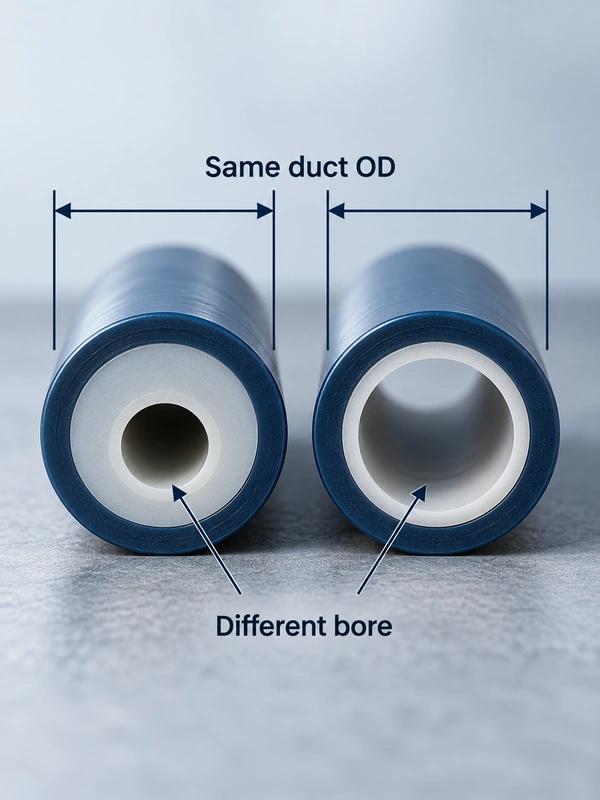
អង្កត់ផ្ចិតខាងក្រៅនៃបំពង់ កំណត់អត្តសញ្ញាណផ្ទៃដែលឧបករណ៍ភ្ជាប់ប្រភេទបុកចូលដែលឆ្លងសមស្របជាធម្មតាចាប់យក និងបិទជិត។ អង្កត់ផ្ចិតខាងក្នុងកំណត់អត្តសញ្ញាណច្រកដែលអាចប្រើបាន។ វាស់គំរូដែលមិនខូចខាត ហើយកត់ត្រាពីការកំណត់ទំហំរបស់ក្រុមហ៊ុនផលិត រួមទាំងកម្រិតអនុញ្ញាតដែលមាន។ ចុងបំពង់ដែលបានបត់ស្អិតអាចធ្វើឱ្យការវាស់វែងមិនត្រឹមត្រូវ។.
គ្រឿងបន្លាស់ស្ពាន់ត្រង់របស់គេហទំព័រមានបញ្ជីបំពង់ជាច្រើនដែលមានអង្កត់ផ្ចិតខាងក្រៅដូចគ្នា ប៉ុន្តែមានអង្កត់ផ្ចិតខាងក្នុងខុសៗគ្នា។ នេះបង្ហាញថាហេតុអ្វីបានជាទំហំទាំងពីរត្រូវតែដាក់ជាមួយគ្នាតាមលំដាប់។ The 7 មគ្គុទេសក៍អាដាប់ធ័រខ្សែបំពង់តូច mm ផ្តល់ជាចំណុចចាប់ផ្តើមដ៏មានប្រយោជន៍សម្រាប់គ្រួសារដែលមានទំហំនោះ ប៉ុន្តែគម្រោងនេះនៅតែត្រូវការព័ត៌មានច្បាស់លាស់អំពីរចនាសម្ព័ន្ធដែកបំពង់ និងខ្សែភ្លើង។.
| វិមាត្រ ឬលក្ខខណ្ឌ | អ្វីដែលវាគ្រប់គ្រង | តើគួរផ្ញើអ្វីទៅកាន់អ្នកផ្គត់ផ្គង់? |
|---|---|---|
| អង្កត់ផ្ចិតខាងក្រៅនៃបំពង់នៅចុងសងខាង | ចំណុចប្រទាក់នៃការកាន់ និងតំបន់បិទជិតផ្នែកខាងក្រៅ | តម្លៃកម្រិត ភាពអនុញ្ញាត និងការកំណត់ខ្សែបំពង់ |
| លេខសម្គាល់បំពង់នៅចុងសងខាង | ច្រកឆ្លងកាត់ខ្សែកាប | ការកំណត់ពិតប្រាកដនៃទំហំរន្ធនិងរចនាសម្ព័ន្ធនៃជញ្ជាំង |
| អង្កត់ផ្ចិតខាងក្រៅនៃខ្សែកាប | Clearance and gas-block selection | Cable manufacturer’s dimensional range |
| Connector internal passage | Possible local restriction | Drawing or confirmed minimum passage |
| សម្ពាធ និងសីតុណ្ហភាព | Permitted installation conditions | Approved operating envelope for the assembly |
Do not measure only the visible collar opening and call it the connector bore. Hidden shoulders or a reducer transition may determine the limiting passage. Obtain a drawing or written confirmation rather than probing a sealed product in a way that could damage its internal components.
Will the fiber cable fit through every duct and connector?
A cable must pass through every duct section, joint and transition. A generous bore at the starting chamber does not compensate for a smaller downstream section. Record reducer locations and verify the minimum route passage against the cable and installation-system requirements. There is no universal cable-to-duct ratio that can be applied without those requirements.
Consider a hypothetical replacement where the existing duct and new duct share the same outside diameter but have different wall thicknesses. The connector may accept both ends mechanically, while the cable encounters a narrower passage beyond the joint. The purchasing decision must therefore separate physical fit from route suitability.
Bends, unsupported joints and damaged duct ends also affect passage. A pressure-tight joint can still contain an obstruction. Plan the route’s permitted continuity or passage check separately from its leak test, using the network owner’s procedure and appropriately rated equipment.
When to use a straight coupler, end stop or gas block
A straight coupler joins compatible ducts. An end stop closes an unused duct. A gas block provides a seal around the installed fibre unit or cable within its stated size range. Emtelle’s gas-block documentation explicitly distinguishes the tube joint from the low-pressure seal of the space around the fibre unit.
ទី gas-block microduct connector guide explains when this additional cable seal is required. For an empty branch awaiting a later connection, an appropriately sized គម្របបញ្ចប់មីក្រូឌាក់ត์ serves a different purpose. Do not try to pass a cable through an ordinary end stop and assume the altered part remains sealed.
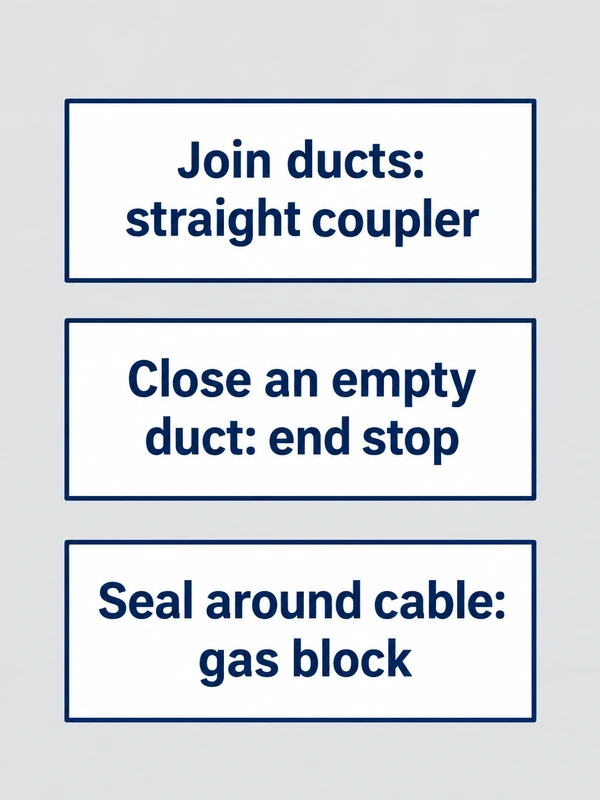
| Required job | ធាតុផ្នែកបេក្ខជន | Separate question to resolve |
|---|---|---|
| Join equal duct sizes | ឧបករណ៍ភ្ជាប់ត្រង់ | Are both bores and duct materials approved? |
| តភ្ជាប់ទំហំបំពង់ខុសៗគ្នា | Reducer coupler | Can the cable pass the smaller section? |
| បិទបំពង់ទទេមួយ | ចុងបញ្ចប់ | What pressure and environmental conditions apply? |
| Seal around installed cable | Gas or water block | Does its cable seal cover the actual cable diameter? |
A locking clip or cover may protect a release mechanism, but it does not create a cable seal. Document the component’s role in the route so that future maintenance staff do not remove a sealing device under the assumption that it is only a protective accessory.
Which pressure rating applies to the microduct connector?
Blowing pressure, working pressure, proof pressure and burst pressure describe different conditions. A gas-seal rating is another separate property. Emtelle’s published gas-block datasheet illustrates this distinction by listing gas sealing separately from its pressure information for fibre installation. Those values apply to its named products, not to every similarly shaped connector.
Ask for a current model-specific datasheet covering the proposed temperature, duct material and test conditions. When a catalogue contains inconsistent pressure figures, obtain clarification before ordering or testing. Choosing the larger number because it appears in a headline is not a defensible engineering decision.
Hexatronic’s MPB30601+ page also separates construction, application and test information. Its specified external-cover configuration is relevant to direct burial. These are useful examples of the evidence to request, but another manufacturer’s results do not establish the capability of an ANMASPC product.
Do microduct connectors need BSP or NPT thread seals?
Ordinary push-in microduct joints do not need BSP or NPT thread sealant at the duct entry. They depend on the approved duct size, end condition, insertion and internal sealing design. Adding tape around the duct can interfere with seating and does not turn an incompatible tube into a compatible one.
A blowing head or test adapter may include a threaded connection elsewhere in the setup. Identify that interface separately. Confirm the thread standard, sealing arrangement and tightening instruction from the equipment manufacturer. Keep sealant debris out of the cable passage and never mix thread types simply because they start to screw together.
What to inspect and record after installing a microduct connector
Prepare the duct with the specified cutting tool, keeping its end square, round and clean. Follow the connector’s insertion and retention instructions. Support the route so it does not pull sideways on the fitting, and install required covers or locks. Before touching a pressurized joint, isolate the system and verify that stored pressure has been released.
Record the installed connector, duct sizes on both sides, cable details where relevant, location and acceptance results. These details matter when an upgrade adds a larger cable or changes a duct section. The existing connector may remain serviceable, but compatibility needs to be reassessed against the new route conditions.
សំណួរដែលសួរញឹកញាប់
How do I install a microduct connector without damaging the tube?
Use the approved cutter, inspect the end for scratches and ovality, and insert it according to the connector instructions. Protect clean ends from grit. If a damaged section is removed, confirm the remaining length still allows an aligned, supported joint.
Can a microduct connector be disconnected and reused?
Only if its manufacturer permits reuse and the body, grip and seals remain acceptable. Release pressure first. Inspect the duct contact area and follow any requirement to cut back or replace the tube; do not assume a previously used end is undamaged.
Which seal should be used on a threaded microduct test adapter?
First establish whether there actually is a threaded side. A typical push-in duct joint has none. For a separate threaded adapter, follow its specified thread and sealing system; instructions for an optical connector or another fitting family do not apply.
What should I measure before ordering a replacement microduct connector?
Record duct OD and ID on both sides, cable diameter when relevant, connector identification and installation environment. Include tolerances and pressure-temperature requirements. A photograph helps identify the part but cannot replace a dimensional specification.
Why might a duct release under vibration?
Possible causes include incomplete insertion, an unsuitable diameter, damaged retention components, accidental collet operation or route tension. Isolate and inspect before assigning the cause. A locking accessory cannot compensate for a fundamentally incompatible or damaged joint.
Is a plastic, brass or stainless steel fitting suitable for this microduct?
Select the documented assembly for the route and medium. Material labels alone do not establish cable passage, retention, pressure suitability or environmental durability. A general pneumatic metal fitting is not automatically a substitute for a purpose-designed microduct coupler.
ឯកសារយោង
- Hexatronic, MPB30601+ microduct connectors and end stops: មុខងារនៃគ្រឿងបន្លាស់, រចនាសម្ព័ន្ធ និងលក្ខខណ្ឌនៃការប្រើប្រាស់។.
- អេមតែល, ការតភ្ជាប់ប្លុកហ្គាស: sealing between tube, connector and fibre cable.
- Emtelle, Gas Block Connectors datasheet, Issue 5: distinct tube and fibre-unit interfaces and model-specific performance information.
សេចក្តីសង្ខេប
Order a duct connector by its job and the complete route specification. Confirm both duct diameters, cable clearance, pressure conditions and exposure, then verify installation and testing requirements. Keeping optical terminations, duct joints and cable seals distinct prevents the most basic selection mistake before installation begins.
For sourcing, submit those details with an enquiry for the straight microduct coupler family. Request the exact size drawing and applicable test documentation rather than relying on the family photograph or a general catalogue description.



