
សេណារីយ៉ូបង្ហាញឧទាហរណ៍ មិនមែនជាករណីអតិថិជនដែលបានរាយការណ៍ឡើយ៖ នៅពេលដែលវិស្វករបញ្ជានៅទីក្រុង Shenzhen បានជំនួសមុខប៊ិចដែលបើកយឺត ខ្សែភ្លើងថ្មីបានដំណើរការ ប៉ុន្តែឧបករណ៍បញ្ជានៅតែជាប់គាំង។ ការត្រួតពិនិត្យសម្ពាធយ៉ាងឆាប់រហ័សបានបង្ហាញថា រចនាបថប្រើប្រអប់បញ្ជាដែលជ្រើសរើសមិនមានសម្ពាធខុសគ្នាដែលយន្តការរបស់វាត្រូវការឡើយ។ ការខូចខាតដែលអាចមើលឃើញមានលក្ខណៈដូចជាមុខប៊ិចខូច ប៉ុន្តែមូលហេតុជាក់ស្តែងគឺការចាត់ថ្នាក់ និងលក្ខណៈបច្ចេកទេស។ ភាពខុសគ្នានេះគឺជាចំណុចចាប់ផ្តើមជាក់ស្តែងសម្រាប់ការជ្រើសរើស វ៉ាល់សូឡេនូអ៊ីដ ប្រភេទ។.
វ៉ាល់សូឡេនយ៉ូអ៊ីដត្រូវបានចាត់ជាក្រុមជាទូទៅទៅក្នុងគ្រួសារប្រតិបត្តិការចំនួនបី: ដំណើរការដោយផ្ទាល់, ពាក់កណ្តាលដោយផ្ទាល់ (ជាជំហានៗ) និងប្រើប្រព័ន្ធបញ្ជា។ សំណួរជ្រើសរើសដំបូងមិនមែនគឺ “តើវ៉ាល់មួយណាដែលថោកជាងគេ?” ទេ ប៉ុន្តែ “តើរចនាសម្ព័ន្ធនេះអាចបើកបានយ៉ាង可靠នៅក្រោមសម្ពាធដែលមានស្រាប់ ជាមួយនឹងរន្ធដែលត្រូវការ សារធាតុរាវ វ៉ុល និងទីតាំងបរាជ័យដែរឬទេ?” ISO 4414:2010 ផ្តល់នូវក្របខ័ណ្ឌសុវត្ថិភាពសម្រាប់ប្រព័ន្ធអំបិលទឹកខ្យល់ ខណៈពេលដែលក្រសួងថាមពលសហរដ្ឋអាមេរិកណែនាំឱ្យចាត់ទុកខ្យល់ដែលបានបង្ហាប់ជាប្រព័ន្ធដែលគ្រប់គ្រង ជាជាងជាសេវាកម្មឥតគិតថ្លៃ។ ចាប់ផ្តើមដោយចំណុចការងារជាលាយលក្ខណ៍អក្សរ ផ្ទៀងផ្ទាត់ដែនកំណត់សម្ពាធ និងសារធាតុរបស់ក្រុមហ៊ុនផលិត ហើយបន្ទាប់មកពិនិត្យការដំឡើង ការត្រួតពិនិត្យអគ្គិសនី និងការចូលដំណើរការថែទាំ។.
តើមានប្រភេទសោឡែនយ៉ូអ៊ីដចំនួនបីជាប្រភេទធំៗណាខ្លះ?
វ៉ាល់សូឡែនយ៉ូអ៊ីដប្រើខ្សែពង្វារដែលមានចរន្តអគ្គិសនី ដើម្បីផ្លាស់ទីបេតុង, ភ្នាស ឬប៉ូស្តុន ហើយផ្លាស់ប្តូរផ្លូវចរន្តសារធាតុរាវ។ គ្រួសារប្រតិបត្តិការកំណត់ថាតើកម្លាំងបើកចំហរប៉ុន្មាន ដែលបានមកពីឧបករណ៍បញ្ជាអគ្គិសនី-ម៉ាញេទិកដោយផ្ទាល់ និងប៉ុន្មានដែលបានមកពីសម្ពាធសារធាតុរាវដែលដំណើរការតាមរយៈច្រកបើកបរខាងក្នុង។ គ្រួសារបីខាងក្រោមនេះ ពិពណ៌នាអំពីគោលការណ៍ប្រតិបត្តិការ មិនមែនជាការវាយតម្លៃ ឬវិញ្ញាបនប័ត្រផលិតផលជាសកលនោះទេ។.
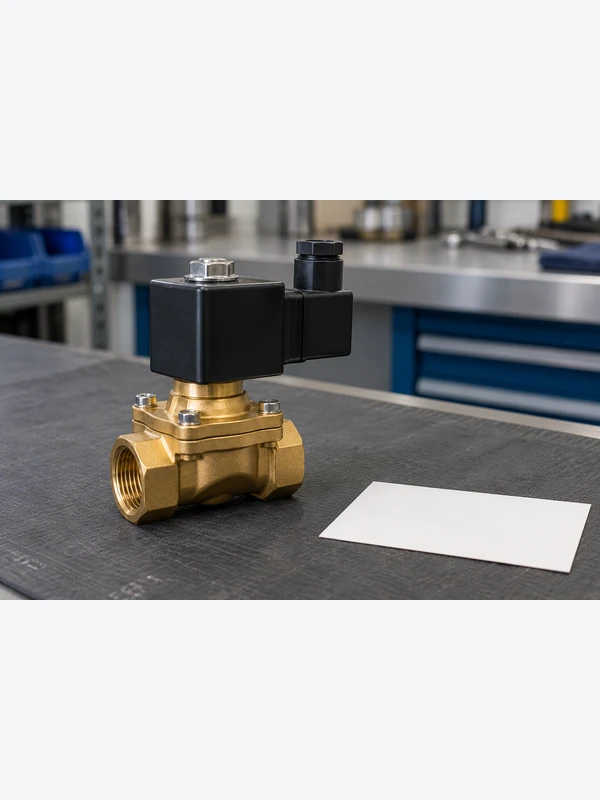
| ប្រភេទ | របៀបបង្កើតកម្លាំងបើក | ការពឹងផ្អែកលើសម្ពាធដំបូង | សំណួរជ្រើសរើសទូទៅ |
|---|---|---|---|
| ដំណើរការដោយផ្ទាល់ | រង្វិលខ្សែស្ពឺលើក ឬផ្លាស់ប្តូរធាតុបិទដោយផ្ទាល់។. | អាចសមស្របនៅកន្លែងដែលមានសម្ពាធខុសគ្នាតិចតួច ឬគ្មានសម្ពាធខុសគ្នា ដោយអាស្រ័យលើរចនាបថជាក់លាក់។. | តើសៀគ្វីអាចរំកិលបំពង់ដែលចាំបាច់ទល់នឹងសម្ពាធអតិបរមានិងលក្ខខណ្ឌនៃសារធាតុរាវបានដែរឬទេ? |
| ពាក់កណ្តាលដោយផ្ទាល់ / ជាជំហានៗ | ខ្សែស្រឡាយចាប់ផ្តើមចលនាបង្ហាញ ហើយធាតុចម្បងបន្ទាប់មកប្រើភាពខុសគ្នានៃសម្ពាធដើម្បីដំណើរការ។. | ការរចនាមួយចំនួនអាចចាប់ផ្តើមបាននៅសម្ពាធខុសគ្នាសូន្យ; សូមបញ្ជាក់ពីដែនកំណត់ដែលបានបញ្ជាក់ដោយអ្នកផលិត និងការណែនាំអំពីការតំឡើង។. | តើខ្សែសង្វាក់នេះត្រូវការចាប់ផ្តើមដោយគ្មានសម្ពាធទេ ហើយទិសដៅនៃការតំឡើងត្រូវបានកំណត់ជាក់លាក់ដែរឬទេ? |
| ដំណើរការដោយអ្នកបើក | រង្វិលខ្សែស្រឡាយបើកចន្លោះបើកដំណើរការ; សម្ពាធខ្សែបញ្ជូនធ្វើឱ្យភ្នាសឬចង្កឹះធំផ្លាស់ទី។. | តម្រូវឱ្យមានសម្ពាធខុសគ្នាអប្បបរមាដែលបានចែងនៅក្នុងសន្ទស្សន៍ទិន្នន័យ។. | តើសម្ពាធនៅច្រកចូល និងលំហូរនឹងនៅក្នុងជួរប្រតិបត្តិការរបស់វ៉ាល់បញ្ជាកំឡុងពេលដំណើរការដែរឬទេ? |
ការពិពណ៌នាផលិតផលដែលបានផ្តល់មក ក៏បានបង្ហាញពីភាពខុសគ្នារវាងរចនាសម្ព័ន្ធប្រភេទភ្លើង (diaphragm) និងប្រភេទប៊ីស្តុន (piston) នៅក្នុងគ្រួសារទាំងនេះផងដែរ។ នោះគឺជាស្រទាប់នៃការចែកប្រភេទទីពីរ៖ សម្ភារៈ, ការរៀបចំស៊ីល, ភាពឆបគ្នាជាមួយអង្គធាតុរាវ និងភាពអាចទ្រាំទ្រនឹងការបំពុល អាចប៉ះពាល់ដល់ការជ្រើសរើសដ៏ត្រឹមត្រូវ ទោះបីជាឧបករណ៍បិទបើកពីរមានគោលការណ៍ប្រតិបត្តិការដូចគ្នាក៏ដោយ។.
តើប្រតិបត្តិការដោយផ្ទាល់ខុសពីប្រតិបត្តិការបែបមគ្គុទ្ទេសក៍យ៉ាងណា?
នៅក្នុងវ៉ាល់ប្រតិបត្តិការដោយផ្ទាល់ រង្វិលខ្សែស្ពឺដែលមានចរន្តអគ្គិសនីផ្គត់ផ្គង់ចលនាដែលចាំបាច់សម្រាប់លើកសមាសធាតុបិទពីកៅអីរបស់វា។ នៅពេលដែលបញ្ចូលថាមពលត្រូវបានដកចេញ ស្ព្រីង ឬយន្តការត្រឡប់មកវិញដែលបានកំណត់ នឹងរំកិលសមាសធាតុនោះត្រឡប់មកវិញ។ ដោយសារការបញ្ជាប្រតិបត្តិការកើតឡើងនៅក្នុងតំបន់ជាក់លាក់ ការរចនានេះអាចមានប្រយោជន៍សម្រាប់ការងារដែលមានសម្ពាធខុសគ្នាទាប ឬសូន្យ ប៉ុន្តែកម្លាំងម៉ាញេទិកដែលមាន ទំហំរន្ធបើក សីតុណ្ហភាព និងវដ្តការងារនៅតែកំណត់ដែនកំណត់។.
វ៉ាល់បើកដោយឧបករណ៍ត្រួតពិនិត្យខ្នាតតូច ប្រើសម្ពាធដែលមានស្រាប់នៅក្នុងសៀគ្វី។ ការផ្តល់ថាមពលដល់សេរ៉ូម នឹងបើកផ្លូវត្រួតពិនិត្យខ្នាតតូចមួយ; ភាពមិនស្មើគ្នានៃសម្ពាធដែលកើតឡើង នឹងធ្វើឱ្យគ្រឿងបិទបើកចម្បងផ្លាស់ទី។ នេះអាចគាំទ្រដល់ផ្លូវហូរដែលធំជាង ដោយមិនចាំបាច់ឱ្យសេរ៉ូមលើកគ្រឿងចម្បងទាំងមូលដោយផ្ទាល់ ប៉ុន្តែមិនអាចសន្មត់បានថាវាអាចដំណើរការនៅពេលសម្ពាធស្មើសូន្យឡើយ។ វ៉ាល់ដែលដំណើរការបានត្រឹមត្រូវនៅលើប្លុកសម្ពាធអាចបរាជ័យក្នុងការបើកនៅពេលដាក់ឱ្យដំណើរការ, នៅពេលប្រើក្នុងប្រព័ន្ធហួត ឬពេលលាងសម្អាតដោយសម្ពាធទាប ប្រសិនបើសម្ពាធខុសគ្នាអប្បបរមារបស់វាមិនត្រូវបានបំពេញ។.
ហេតុអ្វីបានជាទំហំរន្ធមានសារៈសំខាន់?
ប្រហោងគឺជាច្រកដែលអាចត្រួតពិនិត្យបាន ដែលសារធាតុមធ្យមឆ្លងកាត់។ ការបង្កើនទំហំរបស់វាអាចធ្វើឱ្យសមត្ថភាពចរន្តប្រសើរឡើង ប៉ុន្តែវាក៏បង្កើនកម្លាំងដែលត្រូវការពីយន្តការដែលដំណើរការដោយផ្ទាល់ និងអាចផ្លាស់ប្តូរសម្ពាធអប្បបរមាដែលត្រូវការសម្រាប់រចនាបថបញ្ជាពីចម្ងាយផងដែរ។ កុំសន្មតសមត្ថភាពដោយផ្អែកលើទំហំខ្សែរបស់ប្រហោងតែមួយមុខ៖ ត្រូវប្រៀបធៀបគុណលេខចរន្ត ជួរសម្ពាធ សារធាតុមធ្យម និងទិន្នន័យសីតុណ្ហភាពរបស់ក្រុមហ៊ុនផលិតសម្រាប់ម៉ូដែលជាក់លាក់។.
តើមានអ្វីកើតឡើងនៅពេលដែលសម្ពាធបញ្ចូល និងសម្ពាធបញ្ចេញមានតម្លៃស្មើគ្នា?
វាយតម្លៃវ៉ាល់នៅពេលចាប់ផ្តើមដំណើរការ ស្ថានភាពហូរជាប់លាប់ ពេលបិទ និងគ្រប់ស្ថានភាពដែលមានសម្ពាធស្មើគ្នា។ រចនាបថដែលត្រូវបានបញ្ជាដោយឧបករណ៍បញ្ជាខាងក្នុងអាចត្រូវការ ភាពខុសគ្នាអប្បបរមានៃសម្ពាធឌីហ្វេរ៉ង់ស្យែល ដើម្បីដំណើរការ។ ភាពខុសគ្នាដែលមានអាចបាត់ទៅវិញនៅពេលដែលចំណុចបញ្ចេញមួយត្រូវបានបំពេញ ឬសៀគ្វីត្រូវបានបិទ ឬការផ្គត់ផ្គង់ត្រូវបានកាត់បន្ថយ។ តួលេខសម្ពាធផ្គត់ផ្គង់ដែលជាលេខប្រហែលមួយមិនបង្ហាញថាតើយន្តការបញ្ជាពីចម្ងាយអាចដំណើរការនៅចំណុចនៃវដ្តនោះបានឬអត់ឡើយ។.
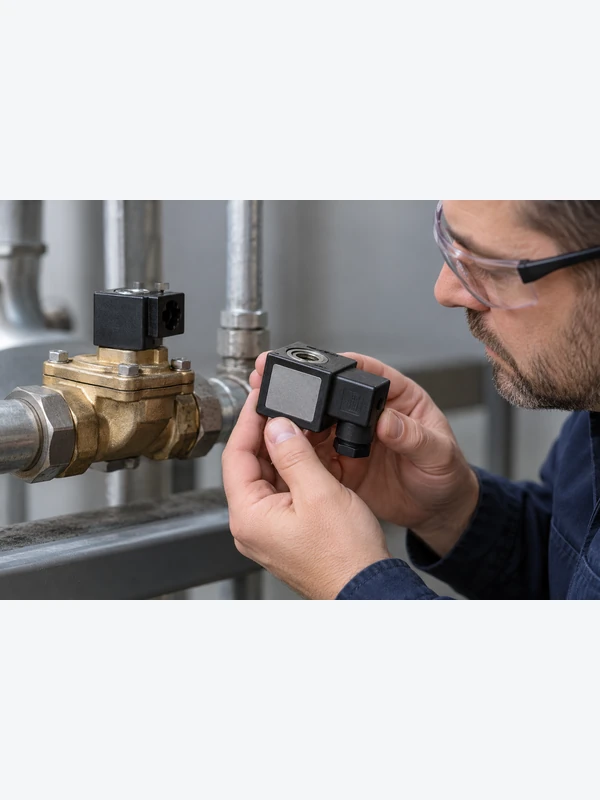
រចនាបថប្រតិបត្តិការដោយផ្ទាល់ ធ្វើឱ្យសមាសធាតុបិទជិតរបស់វាចល័តតាមរយៈអានុភាពបញ្ជា ជាជាងពឹងផ្អែកលើសម្ពាធបើកបរខាងក្នុងនោះដូចគ្នា។ ទំព័រផលិតផល VZWD សាធារណៈរបស់ Festo បានកំណត់យ៉ាងច្បាស់ថា ត្រកូលផលិតផលនេះត្រូវបានគ្រប់គ្រងដោយផ្ទាល់ ហើយបញ្ជាក់ថា មិនចាំបាច់មានភាពខុសគ្នានៃសម្ពាធទេ។ នោះគឺជាឧទាហរណ៍ដែលមានឯកសារគាំទ្រដ៏មានប្រយោជន៍ មិនមែនជាការអនុញ្ញាតទូទៅសម្រាប់ប្រើប្រាស់បំពង់បិទបើកប្រតិបត្តិការដោយផ្ទាល់គ្រប់ប្រភេទជាមួយនឹងសារធាតុណាមួយ ល្បឿនលំហូរ កម្រិតសំបុកខ្យល់ ឬសម្ពាធវិលត្រឡប់ឡើយ។ លេខកូដជាក់លាក់នៅតែកំណត់ដែនកំណត់។.
បែងចែករវាងរចនាបថដែលត្រូវបានបើកដោយខ្លួនឯង ដែលត្រូវបានបើកដោយខាងក្រៅ និងដែលមានជំនួយក្នុងការលើក។ ឧបករណ៍បើកដែលផ្គត់ផ្គង់ពីខាងក្រៅអាចមានតម្រូវការផ្គត់ផ្គង់ខុសពីខ្សែបណ្តាញដំណើរការ។ រចនាបថដែលមានជំនួយយន្តការអាចត្រូវបានចុះឯកសារសម្រាប់ភាពខុសគ្នាសូន្យ ប៉ុន្តែអ្នកទិញត្រូវបញ្ជាក់ពីការអះអាងនេះចំពោះម៉ូឌែលជាក់ស្តែង។ ធ្វើការចាត់ថ្នាក់វ៉ាល់ដោយផ្អែកលើការពិពណ៌នាអំពីមុខងារ និងសញ្ញាគំនូរសៀគ្វីរបស់ក្រុមហ៊ុនផលិត ជាជាងពឹងផ្អែកលើស្លាកសញ្ញាទូលំទូលាយរបស់អ្នកលក់ឡើងវិញ។.
ការចែកប្រភេទវ៉ាល់ណាដែលសមស្របសម្រាប់សៀគ្វីស្វ័យប្រវត្តិកម្មពិតប្រាកដ?
Selection becomes more reliable when the duty is written as a short data sheet before a part number is chosen. Record the medium, normal and peak pressure, required flow, temperature, available electrical supply, switching frequency, response requirement, port arrangement and what the machine should do after power or air is lost. ISO 4414:2010 calls for system-level safety consideration; a valve cannot be selected in isolation from stored energy, exhaust routing and the actuator it controls.
| Design dimension | ត្រូវកត់ត្រាអ្វី | Why it changes the choice | Verification action |
|---|---|---|---|
| មធ្យម | Air, water, gas, oil, steam or another specified fluid | Seal and body materials, lubrication and contamination limits differ. | Match the medium to the exact compatibility chart; do not generalize from a pneumatic listing. |
| សម្ពាធ | Minimum, normal and maximum inlet pressure; outlet pressure where relevant | Pilot-operated designs need a stated differential; direct designs have force and pressure limits. | Check both the operating range and the required minimum differential pressure. |
| ផ្លូវហូរ | Orifice, port arrangement and required flow rate | Orifice affects capacity, coil force and pressure drop. | Use the model data sheet and the system’s flow calculation, not port size alone. |
| Fail position | Normally closed, normally open or another defined safe state | Power loss, control logic and maintenance isolation depend on the return state. | Review the risk assessment and machine sequence under loss of power and loss of pressure. |
| Electrical duty | Coil voltage, AC/DC, connector, duty cycle and switching frequency | An incorrect coil can overheat, chatter or remain unenergized. | Check the coil label, wiring, suppression and controller output before commissioning. |
How should engineers compare the total cost of each type?
Unit price is only one line in the decision. A valve that requires a pressure differential may need a different start-up sequence; a direct-acting valve may trade a simpler pressure requirement for a smaller flow path or higher coil demand. Maintenance time, spare-part identity, access to the coil, air quality, leakage checks and unplanned downtime all belong in the total-cost discussion. The DOE compressed-air sourcebook emphasizes finding and correcting system losses, so include leakage and unnecessary energization in the operating review rather than attributing every loss to the valve body.
For a new machine, compare at least two technically valid options using the same duty point. For a replacement, preserve the existing connection and control intent only after confirming that the new valve’s pressure, flow, response and fail state are equivalent for the application. “Fits the thread” is not an engineering equivalence test.
What standards and checks should govern specification?
ISO 4414:2010 covers general rules and safety requirements for pneumatic fluid-power systems and their components. It is a system safety standard, not a blanket product certification. ISO 12100 principles are useful when the valve is part of machinery risk assessment, although the supplied reference list does not establish a certification claim for any particular component. IEC 60730-2-8:2018 addresses particular requirements for electrically operated water valves; its scope should be checked against the actual medium and application before it is cited.
Commercial documentation should state the applicable market, medium and test basis. A standard reference does not prove that a specific model is certified, and a supplier’s catalog statement does not replace a review of the final assembly. Ask for the current data sheet, wiring information, pressure limits, material details and any test or conformity documents that are relevant to the destination market.
How should startup and shutdown be included in the valve test?
Write a short sequence describing inlet pressure, outlet condition and command state before energization, during normal operation and after power removal. Include low-pressure startup and any back-pressure condition that belongs to the real process. The intended de-energized valve position should be recorded, but do not equate normally closed with a validated safe machine state: stored pressure, load movement and other circuit elements still require a separate safety assessment.
Record the full assembly reference, coil voltage and AC/DC type, electrical connector, permitted duty and installation orientation. A coil that fits mechanically is not sufficient evidence for electrical interchangeability. Check the current manufacturer documentation before replacing the coil, and do not operate a detached coil unless its instructions explicitly permit that action. Isolation must address both electrical energy and the relevant pressurized medium.
For acceptance, compare actual switching and leakage with the defined procedure and limits. If a valve works once at full supply but fails during repeated startup, record the inlet and outlet conditions rather than only replacing the coil. The pneumatic cylinder mechanics guide helps where valve behavior affects an actuator, and the មគ្គុទ្ទេសក៍ថែទាំឧបករណ៍តភ្ជាប់ខ្យល់ covers adjacent connection problems. Keep those diagnoses separate so a leaking port or restricted exhaust is not misclassified as a solenoid fault.
What is a practical five-step selection process?
- Define the duty point. Write medium, minimum and maximum pressure, temperature, flow, porting, voltage and switching pattern.
- Choose the operating family. Use direct-acting when the pressure and orifice duty suit direct force; consider semi-direct or pilot operation only after verifying pressure conditions.
- Confirm the fail state. Document normally open or normally closed behavior and the machine response to loss of power, air or signal.
- Check the installation. Confirm orientation, manifold spacing, exhaust routing, coil access, contamination control and service isolation.
- Validate before release. Bench-test the exact configuration at the real pressure and temperature range, then record the part number and replacement criteria.
Oulu / ANMASPC lists pneumatic fittings, hoses, cylinders, valves and related pneumatic parts. Treat that category as a sourcing starting point; request the model-specific documentation needed for the application rather than assuming that a catalog family carries one common rating. The products directory can help narrow the component family before engineering review.
សំណួរដែលសួរញឹកញាប់
តើមានប្រភេទសោឡែនយ៉ូអ៊ីដចំនួនបីជាប្រភេទធំៗណាខ្លះ?
The three main operating families are direct-acting, semi-direct or step-by-step, and pilot-operated. They differ in how the coil and line pressure move the closing element. Confirm the exact construction and pressure limits in the manufacturer’s data sheet.
What is the difference between direct-acting and pilot-operated solenoid valves?
Direct-acting valves use the coil to move the main closing element directly. Pilot-operated valves use the coil to open a small pilot passage, then use a pressure differential to move the main element. The latter therefore needs the stated minimum differential pressure.
Can a pilot-operated solenoid valve work at zero pressure?
Do not assume so. Some semi-direct designs can start at zero differential pressure, but a conventional pilot-operated design normally depends on pressure imbalance. Check the specific model’s minimum differential pressure and test the start condition during commissioning.
How do I choose a normally open or normally closed solenoid valve?
Choose the state that gives the required machine behavior when the coil is de-energized, then confirm it against the risk assessment and sequence of operations. Consider both loss of electrical power and loss of supply pressure; the safest state is application-specific.
What should be checked before replacing a solenoid valve coil?
Check voltage, AC or DC type, connector, power and duty cycle, coil temperature limits, suppression and the valve’s compatibility with the replacement coil. A coil that physically fits may still be electrically incorrect. Record the original part marking and compare it with the replacement documentation.
Why does a solenoid valve buzz or fail to open?
Possible causes include incorrect voltage, loose wiring, a contaminated plunger, excessive pressure, insufficient pilot differential, wrong orientation or a damaged seal. Isolate energy safely, verify the electrical supply and pressure against the data sheet, and inspect the complete circuit before replacing parts.
Does every pilot-operated valve need process pressure to open?
No single rule covers all pilot arrangements. Internally piloted, externally piloted and mechanically assisted designs can have different requirements. Check the exact model’s minimum differential and pilot-supply conditions.
Does normally closed mean the whole machine is safe after power loss?
No. It describes the valve’s specified normal state, not the safety of the complete machine. Consider trapped pressure, gravity loads, downstream volume and the validated circuit response to power removal.
ឯកសារយោង
- Festo, Solenoid valve VZWD: directly controlled function and no-pressure-difference requirement; manufacturer-specific example
- U.S. Department of Energy, Minimize Compressed Air Leaks: valves and connection points in the system
សេចក្តីសង្ខេប
A solenoid valve should be classified by both its flow function and its actuation method. Establish the medium, flow requirement and inlet-to-outlet pressure conditions through the complete cycle before choosing direct actuation, an internal pilot or another documented arrangement. Check minimum differential, reverse-pressure restrictions and the exact coil specification instead of treating port size or voltage alone as compatibility. Include startup, shutdown and the intended de-energized state in acceptance, while keeping the machine’s safety assessment separate from a normally open or normally closed label. Oulu’s pneumatic range can be reviewed against that written specification, with current model documentation obtained before approving a valve or replacement coil.



