
سناریوی نمایشی، نه یک مورد گزارش شده از مشتری: وقتی یک مهندس کنترل در شنزن یک شیر را که به آهستگی باز میشد، تعویض کرد، سیم پیچ جدید برق گرفت اما عملگر همچنان متوقف ماند. یک بررسی سریع فشار نشان داد که طراحی پایلوت-عملکرده انتخابشده، فشار تفاضلی مورد نیاز مکانیسم خود را نداشت. عیب ظاهری به نظر یک شیر معیوب میآمد؛ اما علت اصلی، طبقهبندی و مشخصات بود. این تمایز نقطه شروع عملی برای انتخاب است. سوپاپ سولنوئیدی انواع.
سوپاپ سولنوئیدسها معمولاً به سه خانواده عملیاتی تقسیم میشوند: عمل مستقیم, نیمه-مستقیم (گام به گام) و با کنترل پیلوت. اولین سوال در انتخاب این نیست که “کدام شیر ارزانتر است؟” بلکه این است که “آیا این طراحی با فشار موجود، با سوراخ مورد نیاز، مایع، ولتاژ و موقعیت خطا، به طور قابل اعتماد باز میشود؟” ISO 4414:2010 چارچوب ایمنی برای سیستمهای توان هیدرولیکی هوای فشرده را فراهم میکند، در حالی که وزارت انرژی ایالات متحده توصیه میکند که هوای فشرده را بیشتر به عنوان یک سیستم مدیریت شده و نه یک منبع رایگان مورد استفاده قرار دهیم. با یک نقطه عملکرد نوشتهشده شروع کنید، محدودیتهای فشار و محیط سازنده را تأیید کنید، و سپس دسترسی به نصب، کنترل الکتریکی و نگهداری را بررسی کنید.
سه نوع اصلی شیرهای سولنوئیدی چیستند؟
یک سولنوئید والو از یک سیم پیچ مدارگیر شده برای حرکت دادن یک پیستون، دیافراگم یا کلید و تغییر مسیر جریان مایع استفاده میکند. خانواده عملیاتی تعیین میکند که چقدر از نیروی باز کردن مستقیماً از محرک الکترومغناطیسی و چقدر از فشار مایع عبور کننده از یک کانال راهنمای داخلی تأمین میشود. سه خانواده ذکر شده در زیر اصول عملیاتی را توصیف میکنند، نه ردهبندیها یا گواهینامههای جهانی محصول.
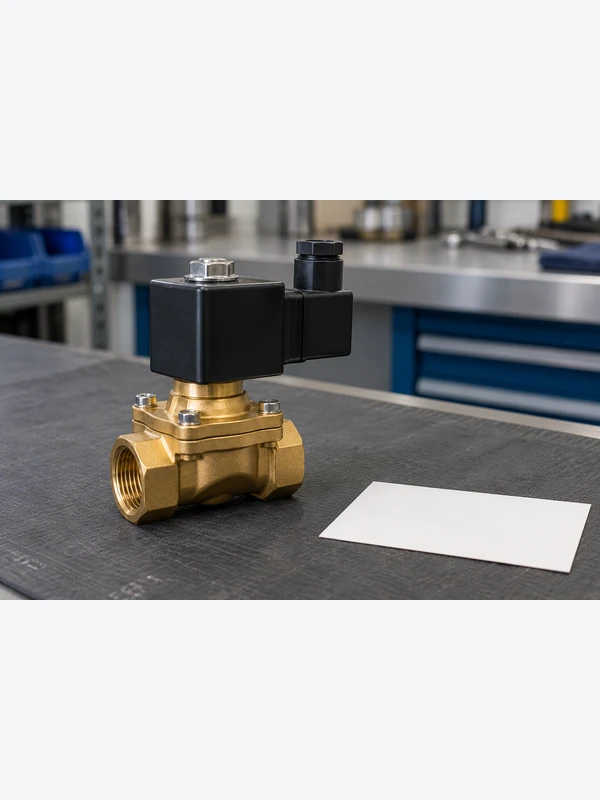
| نوع | نیروی بازکردن چگونه ایجاد میشود؟ | وابستگی به فشار | سوال معمولی انتخاب |
|---|---|---|---|
| عملگر مستقیم | میلگرد عنصر بستن را به صورت مستقیم بلند یا جابهجا میکند. | میتواند در مواردی که فشار متفاوت یا اصلاً وجود ندارد مناسب باشد، البته با توجه به طراحی خاص. | آیا سیم پیچ میتواند بازگشایی مورد نیاز را در برابر حداکثر فشار و شرایط جریان مایع انجام دهد؟ |
| نیمهمستقیم / گامبهگام | سیم پیچ حرکت راهانداز را شروع میکند و سپس عضو اصلی از تفاوت فشار استفاده میکند. | برخی طراحیها میتوانند با فشار متفاوت صفر شروع کنند؛ محدودههای اعلامشده و دستورالعملهای نصب توسط سازنده را تأیید کنید. | آیا خط نیاز به شروع بدون فشار دارد و جهت نصب مشخص شده است؟ |
| کاربردی شده توسط خلبان | سیمپیچ، یک مسیر راهنما را باز میکند؛ فشار خط، دیافراگم یا پیستون اصلی را حرکت میدهد. | نیازمند حداقل فشار متفاوت ذکر شده در گزارش فنی است. | آیا فشار ورودی و جریان در محدوده عملیاتی شیر کنترلی باقی خواهد ماند؟ |
توضیحات محصول ارائهشده همچنین بین سازههای دیافراگمی و پیستونی در داخل این خانوادهها تفکیک قائل میشود. این یک لایه دوم طبقهبندی است: مواد، نحوه نصب پیمانه، سازگاری با سیال و مقاومت در برابر آلودگی میتوانند انتخاب صحیح را حتی زمانی که دو شیر فشار مشترک دارند، تغییر دهند.
عملیات مستقیم از عملیات پیلوت چگونه متفاوت است؟
در یک شیر با عمل مستقیم، سیم پیچ تحریکشده نیروی مورد نیاز برای بلند کردن عضو بستن از روی صندوقچه را فراهم میکند. هنگام قطع جریان، یک فنر یا مکانیزم بازگشت تعیینشده، عضو را به حالت قبل باز میگرداند. از آنجا که عملگیری محلی است، این طراحی میتواند برای کاربردهای با فشار متفاوت پایین یا صفر مفید باشد، اما نیروی مغناطیسی موجود، اندازه سوراخ، دما و چرخه کار همچنان محدودیتهایی ایجاد میکنند.
یک شیر کنترلشده توسط سرباز از فشار موجود در مدار استفاده میکند. هنگامی که سیم پیچ را به برق وصل میکنید، یک مسیر سرباز کوچک باز میشود؛ عدم تعادل فشار ناشی از آن باعث حرکت عضو اصلی بستوشسته میشود. این روش میتواند جریان بزرگتری را حمایت کند بدون اینکه سیم پیچ مجبور شود تمام قسمت اصلی را مستقیماً بلند کند، اما نمیتوان انتظار داشت که در فشار صفر عمل کند. شیری که روی یک منافذ تحت فشار درست کار میکند، ممکن است در مرحله راهاندازی، در خدمات خلاء یا در حین تمیزکاری با فشار پایین، در صورت عدم برقراری حداقل فشار اختلافی، باز نشود.
چرا اندازه منفذ مهم است؟
شیار، بازگشایی کنترلشدهای است که وسیله از آن عبور میکند. بزرگتر کردن آن ممکن است ظرفیت جریان را بهبود بخشد، اما همچنین نیروی مورد نیاز از یک سامانه عملگرا را افزایش داده و میتواند حداقل فشار مورد نیاز در طراحی پیلوتی را تغییر دهد. ظرفیت را تنها از روی اندازه خراش شیار نبرید: ضریب جریان، دامنه فشار، نوع وسیله و دادههای دمایی تولیدکننده را برای مدل دقیق مقایسه کنید.
چه اتفاقی میافتد وقتی فشار ورودی و خروجی با هم برابر میشوند؟
یک شیر را در زمان راهاندازی، جریان پایدار، بسته شدن و هر حالت فشار مساوی ارزیابی کنید. یک طراحی با کنترل داخلی ممکن است به یک حداقل فشار متفاوت برای عملیات. اختلاف فشار موجود میتواند هنگامی که یک خروجی پر شود، یک مدار بسته شود یا تأمین انرژی کاهش یابد، از بین برود. تنها یک عدد نامی برای فشار تأمین انرژی نشان نمیدهد که آیا مکانیزم رهگیر در آن نقطه از چرخه میتواند کار کند یا خیر.
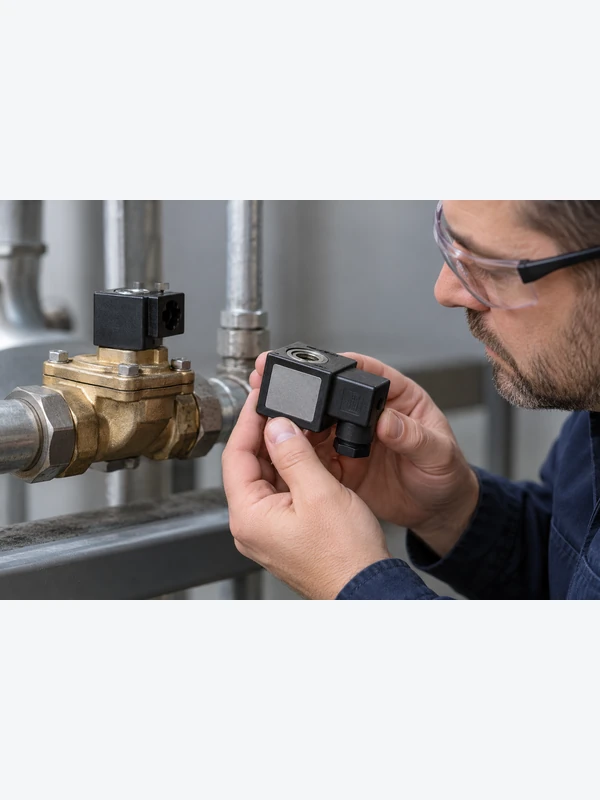
طراحی عملکرد مستقیم، عضو سربند را از طریق محرک حرکت میدهد و به همان شکل بر روی فشار پایلوت داخلی تکیه نمیکند. صفحه عمومی محصول VZWD شرکت Festo به صراحت این محدوده را کنترلشدهٔ مستقیم معرفی میکند و بیان میدارد که هیچ اختلاف فشاری لازم نیست. این یک مثال مستند مفید است، نه اجازهای جامع برای استفاده از هر شیر عملکرد مستقیم با هر نوع ماده، میزان جریان، سطح خلاء یا فشار معکوس. کد دقیق همچنان محدودیتها را تعیین میکند.
بین طراحیهای با کنترل داخلی، کنترل خارجی و کمک-بلندکننده تمایز قائل شوید. سیگنال کنترل از منبع خارجی ممکن است نیازهای تأمین متفاوتی نسبت به خط فرآیند داشته باشد. یک طراحی با کمک مکانیکی ممکن است برای اختلاف فشار صفر ثبت شده باشد، اما خریدار باید این ادعا را برای مدل واقعی تأیید کند. شیر را بر اساس توضیحات عملکرد و نماد مدار تولیدکننده طبقهبندی کنید، نه اینکه تنها به برچسب کلی یک خردهفروش اعتماد کنید.
کدام طبقهبندی شیر به یک مدار اتوماسیون واقعی مناسب است؟
انتخاب زمانی قابل اعتمادتر میشود که وظیفه به صورت یک گزارش کوتاه دادهها قبل از انتخاب شماره قطعه ذکر شود. نوع متوسط، فشار نرمال و پیک، جریان مورد نیاز، دما، منبع تأمین الکتریکی موجود، فرکانس سوئیچ، الزامات پاسخدهی، ترتیب درگاهها و عملکرد ماشین پس از قطع برق یا هوای فشرده را ثبت کنید. استاندارد ISO 4414:2010 لزوم در نظر گرفتن ایمنی در سطح سیستم را میطلبد؛ نمیتوان یک شیر را به طور مستقل از انرژی ذخیره شده، مسیر خروج و اکتشنری که کنترل میکند، انتخاب کرد.
| ابعاد طراحی | چه چیزی را ثبت کنیم | چرا انتخاب را تغییر میدهد | اقدام تأیید |
|---|---|---|---|
| میانه | هوا، آب، گاز، نفت، بخار یا سایر مایعات مشخص شده | مواد جلگیر و بدنه، محدودیتهای روغنکاری و آلودگی متفاوت است. | میانگین را دقیقاً با جدول سازگاری مقایسه کنید؛ از یک فهرست فشارهوایی به طور کلی نتیجهگیری نکنید. |
| فشار | حداقل، فشار ورودی عادی و حداکثر؛ فشار خروجی در موارد مرتبط | طراحیهای با عملکرد پیلۆت نیازمند یک فشار متفاوت تعیین شده هستند؛ طراحیهای مستقیم دارای محدودیتهای نیرو و فشار هستند. | هم محدوده کاری و هم فشار دیفرانسیل حداقل مورد نیاز را بررسی کنید. |
| مسیر جریان | دهانه، ترتیب منافذ و میزان جریان مورد نیاز | دهانه بر ظرفیت، نیروی سیمپیچ و کاهش فشار تأثیر میگذارد. | از گزارش دادههای مدل و محاسبه جریان سیستم استفاده کنید، نه فقط از اندازه درگاه. |
| موقعیت شکست | معمولی بسته شده, ، معمولاً باز یا حالت ایمن دیگری تعیین شده | تلفات انرژی، منطق کنترل و عزل نگهداری به حالت بازگشت بستگی دارد. | ارزیابی خطر و ترتیب عملکرد ماشین را در شرایط فقدان برق و فقدان فشار بررسی کنید. |
| Electrical duty | Coil voltage, AC/DC, connector, duty cycle and switching frequency | An incorrect coil can overheat, chatter or remain unenergized. | Check the coil label, wiring, suppression and controller output before commissioning. |
How should engineers compare the total cost of each type?
Unit price is only one line in the decision. A valve that requires a pressure differential may need a different start-up sequence; a direct-acting valve may trade a simpler pressure requirement for a smaller flow path or higher coil demand. Maintenance time, spare-part identity, access to the coil, air quality, leakage checks and unplanned downtime all belong in the total-cost discussion. The DOE compressed-air sourcebook emphasizes finding and correcting system losses, so include leakage and unnecessary energization in the operating review rather than attributing every loss to the valve body.
For a new machine, compare at least two technically valid options using the same duty point. For a replacement, preserve the existing connection and control intent only after confirming that the new valve’s pressure, flow, response and fail state are equivalent for the application. “Fits the thread” is not an engineering equivalence test.
What standards and checks should govern specification?
ISO 4414:2010 covers general rules and safety requirements for pneumatic fluid-power systems and their components. It is a system safety standard, not a blanket product certification. ISO 12100 principles are useful when the valve is part of machinery risk assessment, although the supplied reference list does not establish a certification claim for any particular component. IEC 60730-2-8:2018 addresses particular requirements for electrically operated water valves; its scope should be checked against the actual medium and application before it is cited.
Commercial documentation should state the applicable market, medium and test basis. A standard reference does not prove that a specific model is certified, and a supplier’s catalog statement does not replace a review of the final assembly. Ask for the current data sheet, wiring information, pressure limits, material details and any test or conformity documents that are relevant to the destination market.
How should startup and shutdown be included in the valve test?
Write a short sequence describing inlet pressure, outlet condition and command state before energization, during normal operation and after power removal. Include low-pressure startup and any back-pressure condition that belongs to the real process. The intended de-energized valve position should be recorded, but do not equate normally closed with a validated safe machine state: stored pressure, load movement and other circuit elements still require a separate safety assessment.
Record the full assembly reference, coil voltage and AC/DC type, electrical connector, permitted duty and installation orientation. A coil that fits mechanically is not sufficient evidence for electrical interchangeability. Check the current manufacturer documentation before replacing the coil, and do not operate a detached coil unless its instructions explicitly permit that action. Isolation must address both electrical energy and the relevant pressurized medium.
For acceptance, compare actual switching and leakage with the defined procedure and limits. If a valve works once at full supply but fails during repeated startup, record the inlet and outlet conditions rather than only replacing the coil. The pneumatic cylinder mechanics guide helps where valve behavior affects an actuator, and the راهنمای نگهداری اتصالات پنوماتیک covers adjacent connection problems. Keep those diagnoses separate so a leaking port or restricted exhaust is not misclassified as a solenoid fault.
What is a practical five-step selection process?
- Define the duty point. Write medium, minimum and maximum pressure, temperature, flow, porting, voltage and switching pattern.
- Choose the operating family. Use direct-acting when the pressure and orifice duty suit direct force; consider semi-direct or pilot operation only after verifying pressure conditions.
- Confirm the fail state. Document normally open or normally closed behavior and the machine response to loss of power, air or signal.
- Check the installation. Confirm orientation, manifold spacing, exhaust routing, coil access, contamination control and service isolation.
- Validate before release. Bench-test the exact configuration at the real pressure and temperature range, then record the part number and replacement criteria.
Oulu / ANMASPC lists pneumatic fittings, hoses, cylinders, valves and related pneumatic parts. Treat that category as a sourcing starting point; request the model-specific documentation needed for the application rather than assuming that a catalog family carries one common rating. The products directory can help narrow the component family before engineering review.
سوالات متداول
سه نوع اصلی شیرهای سولنوئیدی چیستند؟
The three main operating families are direct-acting, semi-direct or step-by-step, and pilot-operated. They differ in how the coil and line pressure move the closing element. Confirm the exact construction and pressure limits in the manufacturer’s data sheet.
What is the difference between direct-acting and pilot-operated solenoid valves?
Direct-acting valves use the coil to move the main closing element directly. Pilot-operated valves use the coil to open a small pilot passage, then use a pressure differential to move the main element. The latter therefore needs the stated minimum differential pressure.
Can a pilot-operated solenoid valve work at zero pressure?
Do not assume so. Some semi-direct designs can start at zero differential pressure, but a conventional pilot-operated design normally depends on pressure imbalance. Check the specific model’s minimum differential pressure and test the start condition during commissioning.
How do I choose a normally open or normally closed solenoid valve?
Choose the state that gives the required machine behavior when the coil is de-energized, then confirm it against the risk assessment and sequence of operations. Consider both loss of electrical power and loss of supply pressure; the safest state is application-specific.
What should be checked before replacing a solenoid valve coil?
Check voltage, AC or DC type, connector, power and duty cycle, coil temperature limits, suppression and the valve’s compatibility with the replacement coil. A coil that physically fits may still be electrically incorrect. Record the original part marking and compare it with the replacement documentation.
Why does a solenoid valve buzz or fail to open?
Possible causes include incorrect voltage, loose wiring, a contaminated plunger, excessive pressure, insufficient pilot differential, wrong orientation or a damaged seal. Isolate energy safely, verify the electrical supply and pressure against the data sheet, and inspect the complete circuit before replacing parts.
Does every pilot-operated valve need process pressure to open?
No single rule covers all pilot arrangements. Internally piloted, externally piloted and mechanically assisted designs can have different requirements. Check the exact model’s minimum differential and pilot-supply conditions.
Does normally closed mean the whole machine is safe after power loss?
No. It describes the valve’s specified normal state, not the safety of the complete machine. Consider trapped pressure, gravity loads, downstream volume and the validated circuit response to power removal.
مراجع
- Festo, Solenoid valve VZWD: directly controlled function and no-pressure-difference requirement; manufacturer-specific example
- U.S. Department of Energy, Minimize Compressed Air Leaks: valves and connection points in the system
خلاصه
A solenoid valve should be classified by both its flow function and its actuation method. Establish the medium, flow requirement and inlet-to-outlet pressure conditions through the complete cycle before choosing direct actuation, an internal pilot or another documented arrangement. Check minimum differential, reverse-pressure restrictions and the exact coil specification instead of treating port size or voltage alone as compatibility. Include startup, shutdown and the intended de-energized state in acceptance, while keeping the machine’s safety assessment separate from a normally open or normally closed label. Oulu’s pneumatic range can be reviewed against that written specification, with current model documentation obtained before approving a valve or replacement coil.



