INDUSTRY INSIGHTS

News & Blog

Industry news, technical guides and practical project insights for microduct, fiber installation and pneumatic connection professionals.

Latest Articles

Articles

Air-Blown or Traditional Cabling: Which Approach Fits the Project?

Air-Blown or Traditional Cabling: Which Approach Fits the Project?

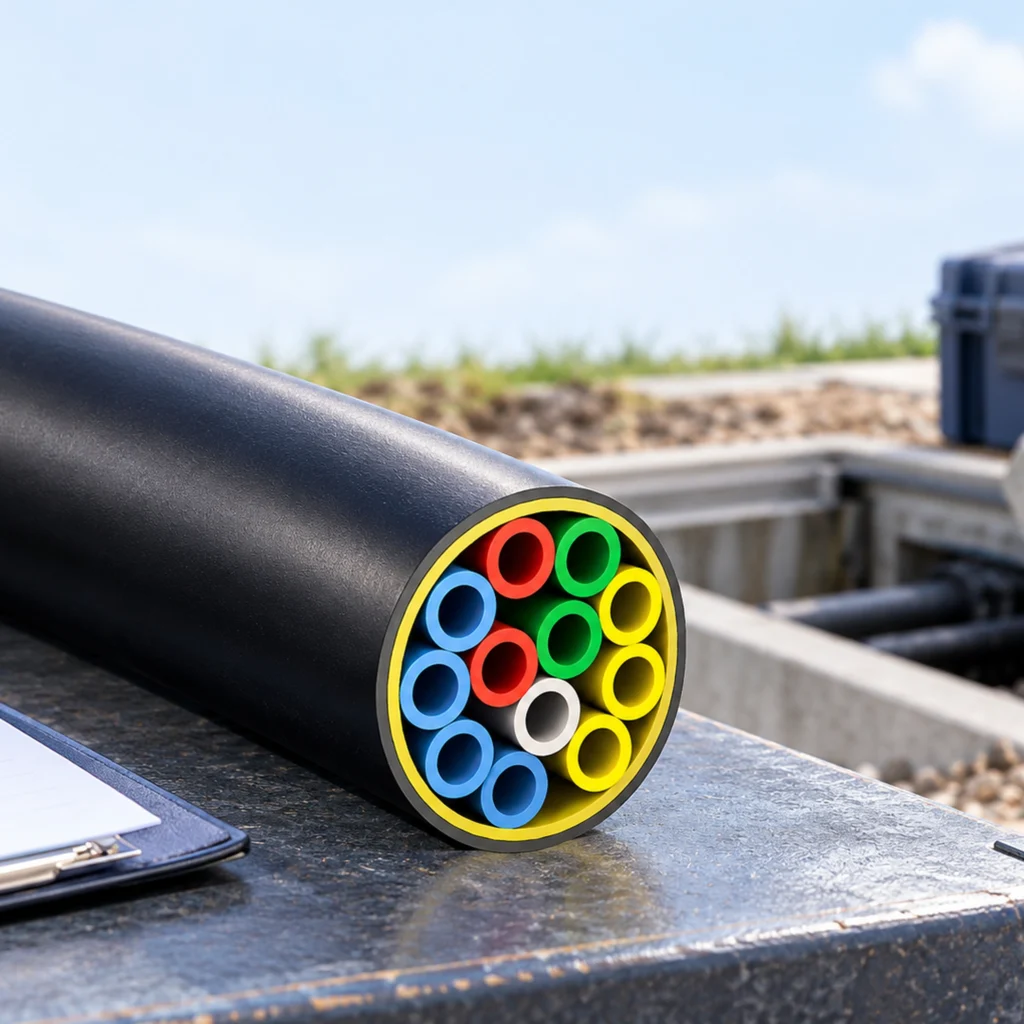
Air-blown fiber and conventional cable installation solve different pathway and capacity-planning problems. The right comparison includes the route available today, the timing of future fiber demand and the cost of reopening or accessing the pathway. Neither method guarantees lower cost or easier installation without a route-specific design and a documented method. Air-blown cabling installs suitable fiber units into a prepared microduct using controlled airflow,…
View Detail
What Is the Principle of a Two-Position, Three-Way Pneumatic Valve?

What Is the Principle of a Two-Position, Three-Way Pneumatic Valve?

When a controls engineer commissions a small pneumatic actuator, a valve can appear to be the right size and still produce the wrong motion because its three ports were read in the wrong order. The visible fitting may show a supply and working connection, while the exhaust path and the de-energized state remain undocumented. That is why a two-position three-way pneumatic valve should be…

View Detail
Mastering Internet Connectors and Plugs for Optimal Network Performance

Mastering Internet Connectors and Plugs for Optimal Network Performance

A network link can fail acceptance even when every cable and connector looks new. A buyer may specify a familiar modular plug for a copper run, yet overlook whether it fits the cable's conductor type and diameter; a fiber installer may select the correct connector shape but leave an end face contaminated. The resulting rework is not simply a question of buying a better…

View Detail
How Splice Boxes Improve Efficiency in Blown Fiber Optic Installations

How Splice Boxes Improve Efficiency in Blown Fiber Optic Installations

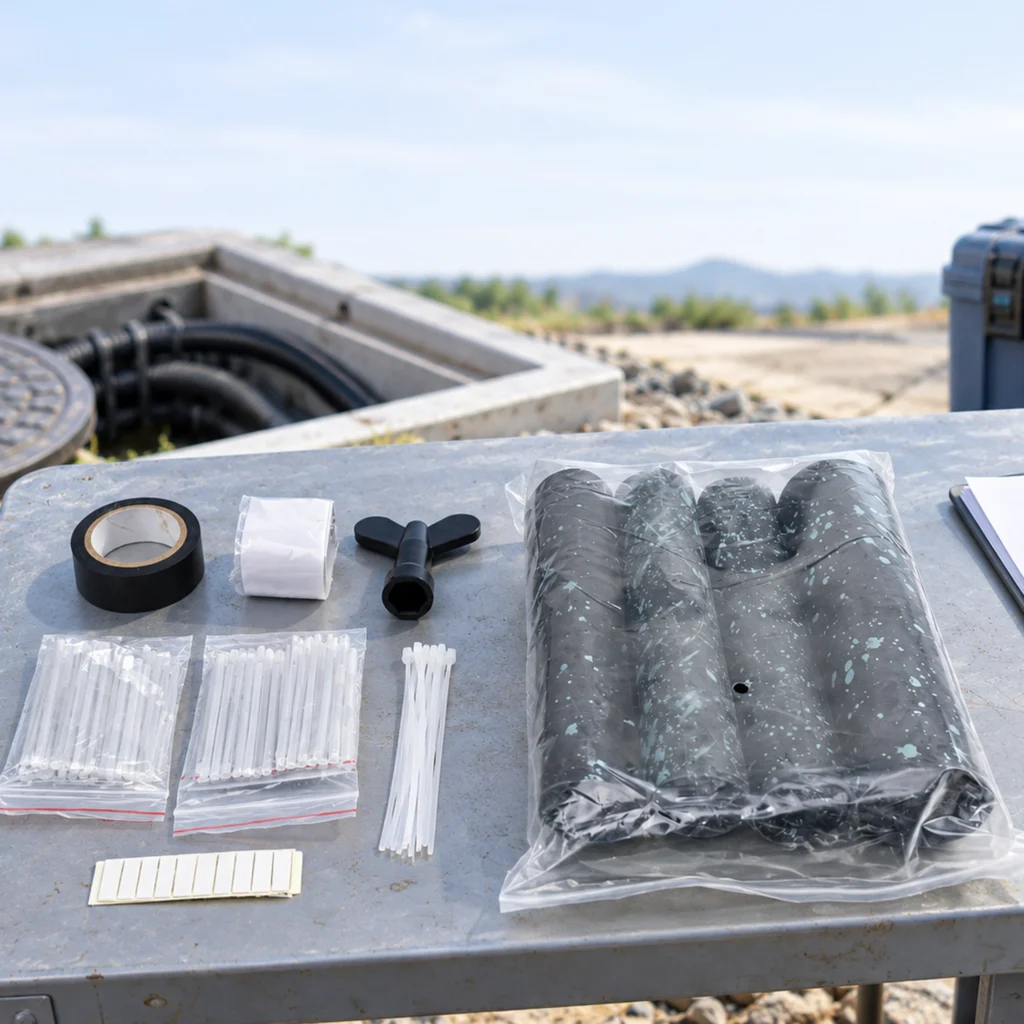
A splice box is an installation handover point and a future maintenance workspace. It needs to protect the joint while allowing technicians to identify fibres, reach the correct tray and restore the specified seal. In a blown-fibre network, this means planning cable entry, slack storage and re-entry before selecting an enclosure by its headline fibre count. A splice box improves blown-fiber efficiency when its…

View Detail
Ultimate Guide to Choosing Plastic Air Ducts for Fiber and Utility Installations

Ultimate Guide to Choosing Plastic Air Ducts for Fiber and Utility Installations

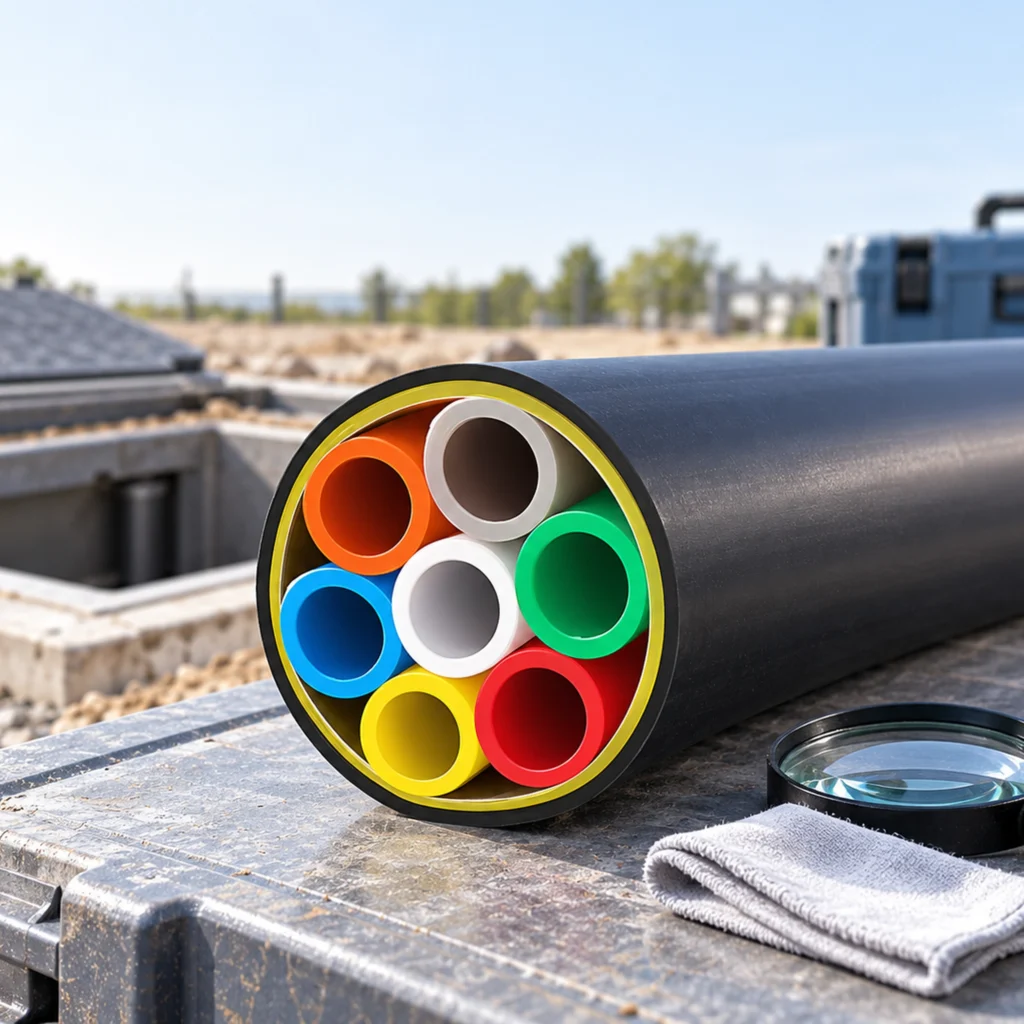
In a fibre-installation specification, “plastic air duct” should mean the cable pathway used for air-assisted installation, not an HVAC air duct or a pressure-water pipe. Define that purpose before comparing products. The cable, actual bore, route geometry, joining system and acceptance procedure determine whether the pathway is suitable for the planned installation. Choose the duct for the cable-installation method, route geometry and water-control plan,…

View Detail
Guide to Choosing Plastic Pneumatic Fittings for Industrial Air Lines

Guide to Choosing Plastic Pneumatic Fittings for Industrial Air Lines

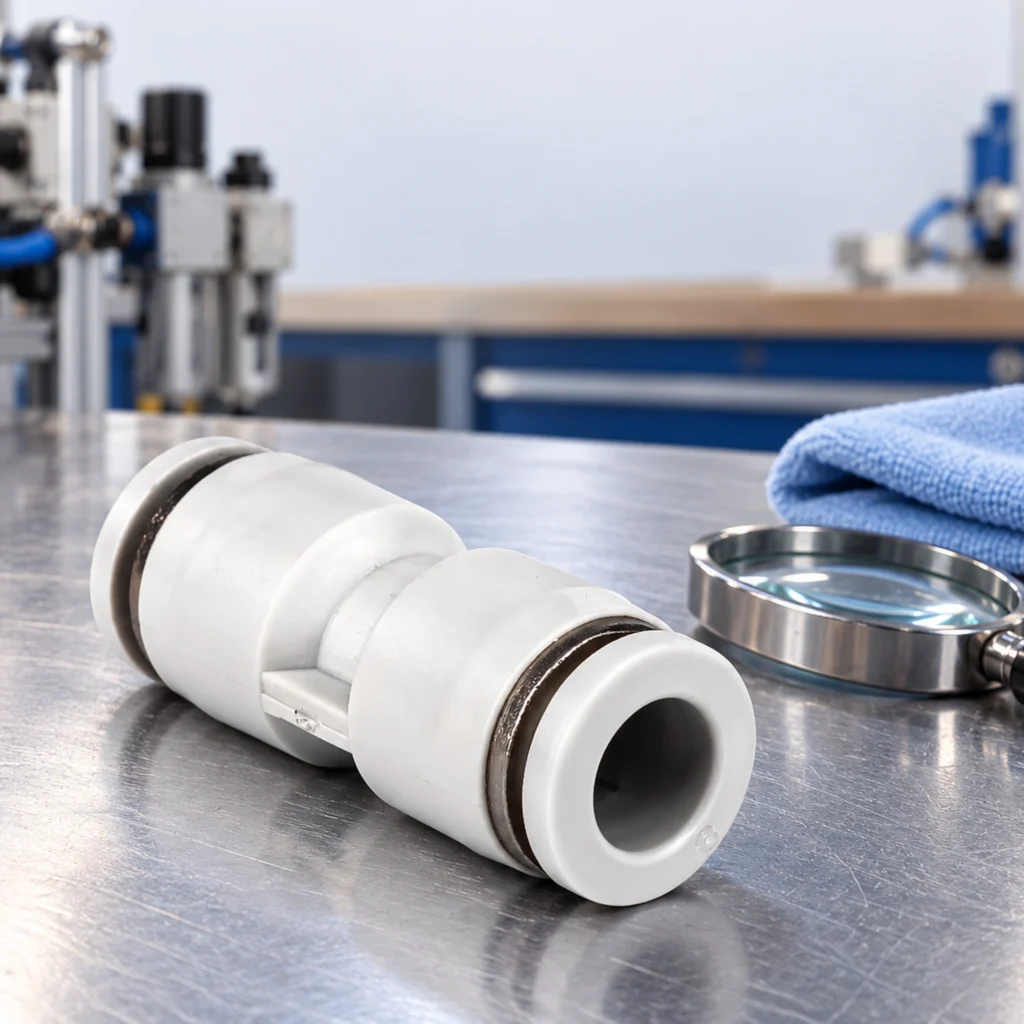
Plastic pneumatic fittings can suit an industrial air line when the tube, body, seal and operating environment are approved as one combination. Check the body and seal ratings for the intended tube and service conditions. Define the actual pressure, temperature, motion, chemicals and maintenance access before comparing plastic and metal alternatives or standardising a replacement across several machine zones. Choose fittings by actual tube…

View Detail
What Is FTTH? The Role of Microduct Connectors in Fiber-to-the-Home Networks

What Is FTTH? The Role of Microduct Connectors in Fiber-to-the-Home Networks

FTTH brings an optical access connection to the home, but a nearby fibre route is only one stage in delivering a working service. The drop pathway, cable installation, optical acceptance and service activation each need their own evidence. Microduct connectors support that physical route when their dimensions, function and installation method match the specified duct system. FTTH (fiber to the home) takes an optical…

View Detail
Technical Specifications of Steel Pipe Couplings: A Practical Selection Guide

Technical Specifications of Steel Pipe Couplings: A Practical Selection Guide

A replacement steel pipe coupling must match the installed connection and the service conditions. Nominal size alone leaves the thread system, sealing method, material, rating basis and installation clearance unresolved. A controlled drawing and an identified mating part give procurement a stronger basis for substitution than a photograph or a fitting that can be turned a few threads by hand. Select the coupling from…

View Detail
Common Issues With Pneumatic Straight Fittings: Causes, Diagnosis and Prevention

Common Issues With Pneumatic Straight Fittings: Causes, Diagnosis and Prevention

A pneumatic straight fitting can leak at the tube entry, threaded port, body or adjacent tubing. Those faults can sound similar while requiring different repairs. Locate the actual interface first, then inspect the tube, thread, seal and support under the plant’s isolation and testing procedure. Replacing the connector without finding the cause often leaves a recurring fault. Common fitting faults involve tube preparation, pressure…

View Detail