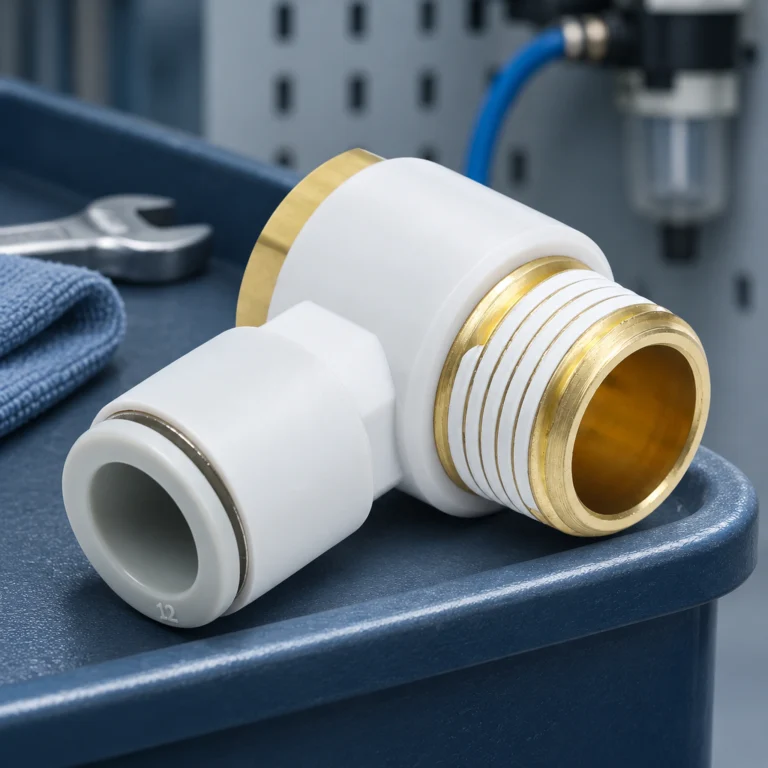
Bir uç kapatması, bir kanalın ucundaki basit bir küçük kapak değil, bir kapatma kararıdır. Hat; kablo bekliyor olabilir, basınç testi için izole edilmiş veya yedek olarak ayrılmış olabilir. Her durum, gerekli tutma koşullarını, sızdırmazlık belgelerini, erişim ve yeniden kullanım planını değiştirir.
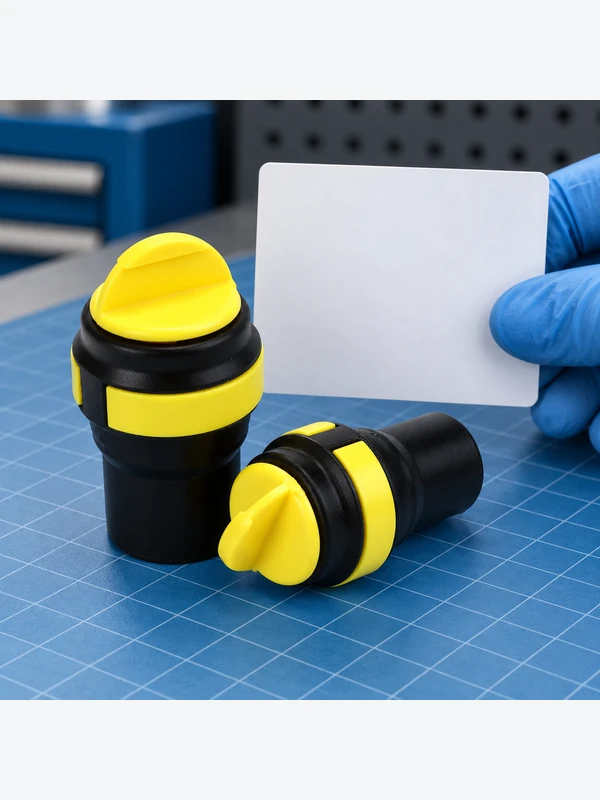
Birini seçin son durdurma konektörü ölçülen boru dış çapı, kapatma görevi ve test yöntemi tarafından belirlenir. NEN EN 50411-2-8, hava ile üfleme yöntemiyle döşenen optik fiberler için mikro boru konektörleri için bir katalog referansıdır; Oulu uç başlığı Sayfa, bir ürün rolünü tanımlarken, dolu bir kanal ise gaz bloğu bu, farklı bir bileşendir. Model özeline özgü kanıt olmaksızın basınç, su blokajı veya yeniden kullanım varsayımında bulunmayınız.
Bir uç durdurucu ile bir gaz bloğu aynı şey midir?
Hayır. An uç durdurucu veya uç kapak Kullanılmayan bir kanalı kapatır. Bir gaz bloğu, halihazırda monte edilmiş bir kablonun etrafını sızdırmazlıkla kaplar. Düz bir bağlantı parçası iki kanalı birbirine bağlar. Benzer adlı bir parça ile değiştirilememesi için bu işlevi satın alma siparişinde belirtin.
| İhtiyaç | Onayla | Varsaymayın |
|---|---|---|
| Geçici kapanış | OD aralığı, tutma ve çıkarma yöntemi | Kalıcı gaz veya su bariyeri |
| Hava testi izolasyonu | Kapatma uyumluluğu ve test prosedürü | “Son durak” kelimesinden gelen değerlendirme” |
| Yedek rota | Koruma, erişim ve yeniden giriş talimatları | Çıkarıldıktan sonra sınırsız yeniden kullanım |
| Kullanılan kablo | Kablo dış çapı ve sızdırmazlık aktivasyonu | Kablo etrafına oturan uç kapağı |
Bir son durdurucu nasıl monte edilir ve test edilir?
Onaylanmış boru dış çapını kullanın, düz ve keskin bir kesim yapın, talaşları temizleyin ve ezilmiş veya derin çizikli uçları reddedin. Yan yük uygulamadan belirtilen son konuma kadar yerleştirin, serbest bırakma mekanizmasına erişimi açık tutun ve kapak kapağını asla destek veya çekme noktası olarak kullanmayın. Boru parçasını ve bağlantı elemanını, mal sahibinin belirttiği akışkan, basınç, süre ve kabul kriterlerine göre tek bir ünite olarak test edin.
Gelecekteki yeniden giriş için neler kaydedilmelidir?
Hat ve kanal kimliği, parça numarası, kapatma durumu, montaj tarihi, test sonucu, etiket ve sökme sınırlarını kaydedin. İnşaat işleri, su baskını, kabin değişiklikleri veya başarısız üfleme denemesi sonrasında yeniden muayene gerçekleştirin. Oulu uç kapak sayfası, NEN EN 50411-2-8 kataloğu ve ürün kataloğu Başlangıç referansları sağlayın.
Geçici ve kalıcı kapanmalar nasıl farklılık gösterir?
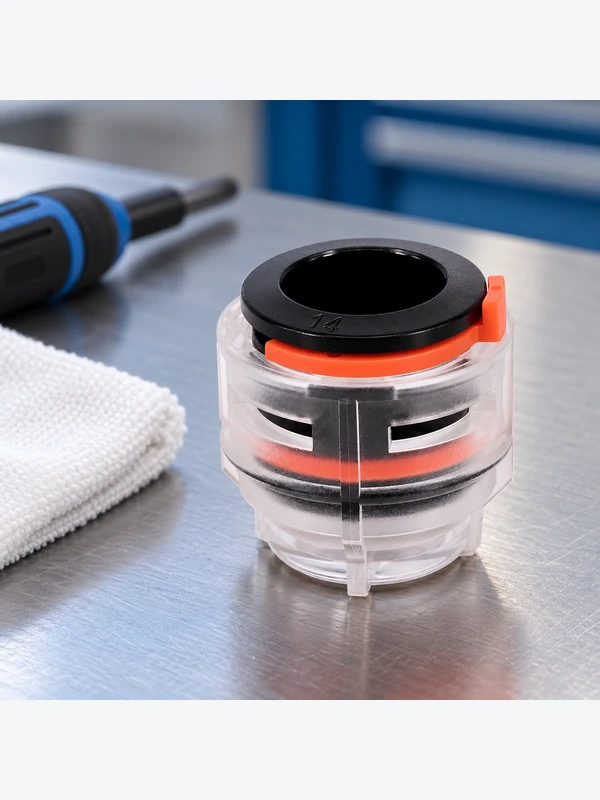
Geçici bir inşaat kapatması genellikle koruma amacıyla seçilir ve planlanan yeniden açılış için tasarlanır. Kanalı zarar vermeden kolayca tanımlanabilmesi ve çıkarılabilmesi gerekir. Kalıcı olarak bırakılan bir kapatma, daha uzun süreli çevresel etkilere maruz kalabilir; bu durum belgelenmeli ve test koşulları açıkça tanımlanmalıdır. Geçici bir kapak örtüsünü varsayımlara dayanarak daimi bir bariyere dönüştürmeyin; kullanım süresi için üreticinin sunduğu çevresel ve test verilerini talep edin.
Uç durdurucunun konumlandırılması ayrıca gelecekteki işleri de etkiler. Kesici, muayene aracı veya kablo kılavuzu için yeterli çalışma alanı bırakın ve etiketsiz bir bağlantı kutusunu dolap veya ekleme muhafazasının arkasına gizlemekten kaçının. Bağlantı kutusunu rotası çizelgesine işaretleyin ve geri dolgu veya muhafaza kapatmadan önce montaj halinin fotoğrafını çekin.
| Kurulum sorunu | Nelerin denetlenmesi gerekir | Karar sınırı |
|---|---|---|
| Şapka oturmaz | OD, kesik kare, ovalite ve kirleticiler | Kanalı durdurun ve düzeltin; başlığı zorlamayın. |
| Basınç tutmayacaktır | Tüm uç noktalar, kol valfleri ve kapatma contası | Parçaları değiştirmeden önce bölümleri ayırın. |
| Şapka yeniden giriş sırasında hasar gördü. | Sızdırmazlık, tutma ve kanal ucu | Üretici yeniden kullanıma izin vermiyorsa değiştirin. |
| Yedek rota kayboldu | Etiketler, as-built çizimi ve erişim | Restore records before handover |
What evidence should be requested from a supplier?
Request a dimensional drawing, compatible duct range, installation and removal instructions, environmental limits, test scope and part traceability. If water or gas blocking is required, ask whether the evidence concerns a vacant duct or a duct containing a cable. The distinction prevents a closure claim from being applied to the wrong assembly.
How should an end stop be managed through the route lifecycle?
An end stop has a lifecycle: installation, test isolation, temporary protection, re-entry and final handover. At installation, the duct end must be square, clean and within the approved OD range. During testing, the closure must be included in the isolated section so a leak is not attributed to the wrong joint. During civil work, the cap must prevent contamination and remain identifiable. At re-entry, the installer should know whether the maker permits reuse or requires a new seal.
Egeplast’s telecom accessory information distinguishes reusable connectors and separate sealing arrangements for occupied microducts. That distinction supports a broader rule: a closure for a vacant duct is not automatically a gas block for a cable-filled duct. NEN EN 50411-2-8 provides catalogue context for microduct connectors for air-blown optical fibers, but the model drawing and project test method control the actual acceptance.
| Lifecycle point | Kayıt | Stop condition |
|---|---|---|
| Kurulum | Duct ID, OD, cut quality, part and insertion | Do not force a cap onto a damaged or oval end |
| Isolation test | Section boundary, medium, pressure, time and result | Isolate other endpoints before replacing a closure |
| Re-entry | Seal condition, removal method and reuse permission | Replace when retention or sealing is uncertain |
| Teslimat | Label, drawing, photograph and access location | Restore records before the route is buried or closed |
What should be checked when a cap comes loose?
Start with the measured duct OD, cut square, ovality, debris and insertion depth. Then inspect side load, route movement, seal damage and whether another open endpoint is causing the observed pressure loss. A loose end stop may be a fit problem, a damaged duct end or an installation support problem; replacing it without correcting the cause can repeat the failure. If the route contains a cable, stop and confirm whether the required part is an occupied-duct gas block instead.
Request a dimensional drawing, environmental limits, installation and removal instructions, test scope and traceability. The Oulu end-cap page is a product reference, while the route record defines how and when the closure is accepted.
How can test isolation and future re-entry avoid another failure?
Draw the test boundary before applying pressure. Identify both endpoints, branches, temporary closures and any occupied section, then confirm that the equipment and procedure apply to that assembly state. A passing result concerns the recorded boundary and conditions; it does not establish unlimited immersion resistance or the suitability of a different cable seal. Hexatronic’s duct-integrity guidance treats testing as a pre-fiber route qualification activity, not simply a cap inspection.
Plan reopening as deliberately as initial closure. Preserve access to the release mechanism and enough undamaged duct for the next permitted connection. If removal marks, deformation or seal damage put the assembly outside its instructions, replace or prepare it using the approved method rather than forcing a previous part back into service. The gas-block product page is relevant when the route changes from empty to occupied; that change needs a new component decision, not just a different label in the handover record.
Sıkça sorulan sorular
How is the correct end-stop connector size selected?
Match the measured duct outside diameter to the actual product’s approved range and check its installation instructions. Inspect the end for ovality, scoring and deformation before treating the size as acceptable. Duct ID describes the passage, not automatically the closure-retention interface. Record the part number and duct identity together so a later replacement uses the same selection basis.
Does every microduct end stop need a pressure test?
The project procedure determines which route sections and assemblies require testing. Where a pressure test is required, include the closure in the documented isolated section and use limits permitted by all its components. A catalog rating is not a result for the installed route. Confirm the boundaries and other open ends before diagnosing a failed hold as an end-stop defect.
Can an end stop be reused after removal?
Only where the maker permits reuse and the retention components, seal and duct end remain suitable. Some egeplast accessories are described as reusable, but that statement does not apply to every cap in the market. Inspect the removed assembly and follow the documented replacement criteria. Repeat the required route checks after re-entry rather than assuming the previous acceptance is unchanged.
What causes a microduct end cap to leak?
Investigate size mismatch, incomplete insertion, contamination, damaged seals and an oval or scored duct end. Side load or a change in route support may also change the joint condition. First verify that pressure loss is not coming from another endpoint within the test boundary. Isolate and correct the identified cause rather than forcing the cap farther onto an unsuitable surface.
Can an end stop seal a duct that already contains fiber cable?
An ordinary empty-duct closure should not be assumed to seal around an installed cable. That duty requires a documented occupied-duct sealing design with the correct cable and duct diameters. egeplast distinguishes empty-duct caps from sealing arrangements for populated ducts. Specify the route state explicitly so a similarly named closure cannot be substituted for a gas block.
How should a spare microduct be prepared for future reopening?
Record the duct and route IDs, closure type, installed location and whether reuse is allowed. Preserve access and sufficient working space for the approved removal and preparation tools. Before opening, identify the route condition and follow any required isolation procedure. After re-entry, inspect the duct end, replace damaged components and update the records before the next installation crew takes over.
Kaynakça
- NEN-EN 50411-2-8: microduct connector scope.
- egeplast: empty-duct and occupied-duct closure distinctions.
- Hexatronic: duct-integrity qualification guidance.
Özet
An end stop is appropriate when its documented closure duty matches the state of the route. Decide first whether the duct is vacant, temporarily protected, being isolated for a test or intended for later extension. Then verify its measured outside diameter, condition, retention and environmental requirements against the selected product. Keep an empty-duct cap separate from an occupied-cable seal, even if both appear in the same catalog. Include the closure in the accepted test boundary and record how it can be reopened without damaging the duct. Oulu’s end-cap product information supports the part review; future access, documented reuse limits and the actual installed test result remain part of the decision.