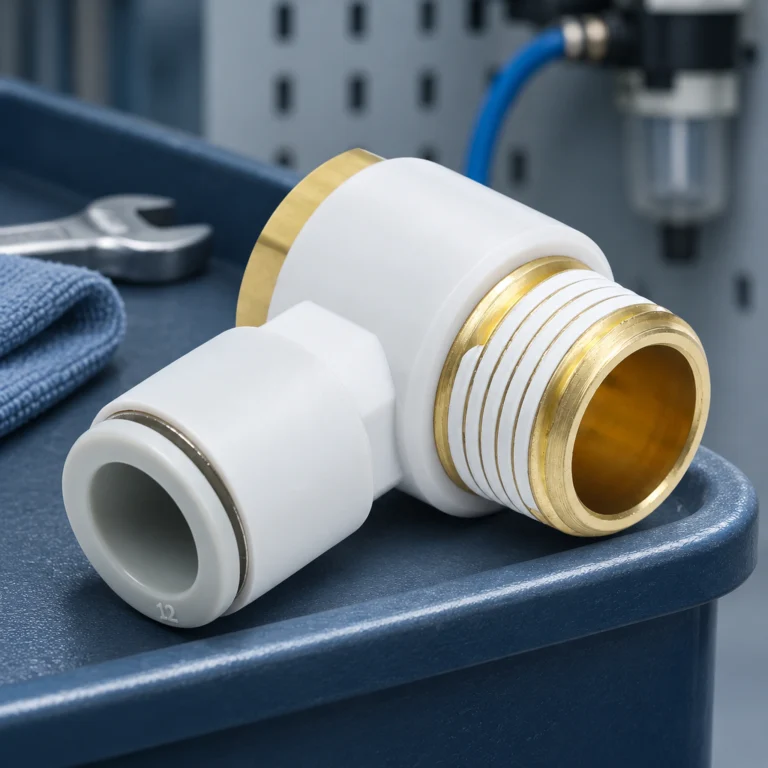
Završni zatvarač je odluka o zatvaranju, a ne samo mala čepica na kraju voda. Trasa može biti prazna, u iščekivanju kabla, izolovana radi provjere pritiska ili zadržana kao rezervna. Svaki od ovih stanja mijenja potrebne zahtjeve u pogledu zadržavanja, evidencije brtvljenja, pristupa i plana ponovne upotrebe.
Izaberite jedno krajnji spojnik po izmjerenoj vanjskoj promjeru cijevi, obavljanju zatvaranja i metodi ispitivanja. NEN EN 50411-2-8 je referenca kataloga za konektore mikrocijevi za optička vlakna puhanog zrakom; Oulu završni čep stranica opisuje ulogu proizvoda, dok zauzet-kanal blok gasa To je drugačija komponenta. Ne pretpostavljajte pritisak, blokiranje vode ili ponovnu upotrebu bez dokaza specifičnih za model.
Da li je završni stop isto što i gasni blok?
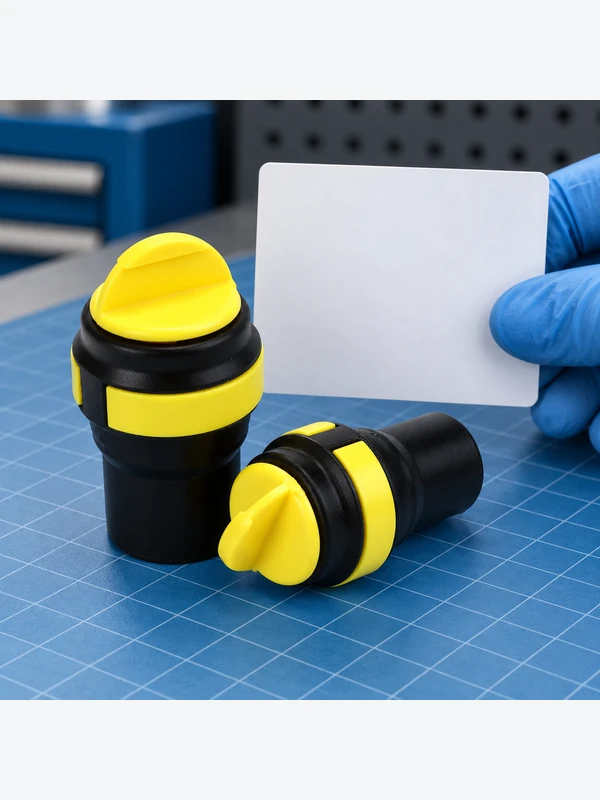
Ne. An krajnji zastor ili krajnja čepica zatvara neiskorišteni kanal. Gas blok hermetički obuhvata već instalirani kabel. Ravni spojnik spaja dva kanala. Navedite funkciju u narudžbenici kako se dijelovi sličnog naziva ne bi mogli zamijeniti.
| Potreba | Potvrdi | Ne pretpostavljajte |
|---|---|---|
| Privremeno zatvaranje | Opseg OD, način zadržavanja i uklanjanja | Trajna barijera za gas ili vodu |
| Zračna isključenost pri testiranju | Kompatibilnost zatvarača i postupak testiranja | Ocjena od riječi “krajnji zastoj” |
| Rezervna ruta | Upute za zaštitu, pristup i ponovni ulazak | Neograničeno ponovno korištenje nakon uklanjanja |
| Zauzet kabel | Promjer kabla i aktivacija brtve | Završni čep se navlači preko kabla. |
Kako treba instalirati i testirati krajnji stop?
Upotrijebite odobreni vanjski promjer cijevi, napravite čist pravougli rez, uklonite strugotine i odbacite zgnječene ili duboko izgrebane krajeve. Umetnite do zadatog zaustavljača bez bočnog opterećenja, osigurajte pristup mehanizmu otpuštanja i nikada ne koristite čep kao potporu ili mjesto za povlačenje. Testirajte dio cijevi i zatvarač kao jednu cjelinu s medijem, pritiskom, trajanjem i kriterijima prihvaćanja vlasnika.
Šta treba zabilježiti za budući ponovni ulaz?
Zabilježite ID trase i kanala, broj dijela, status zatvaranja, datum instalacije, rezultat testa, oznaku i granice uklanjanja. Ponovno pregledajte nakon građevinskih radova, poplave, promjena na ormariću ili neuspjelog puhajućeg testa. Stranica za završni čep Oulu, NEN EN 50411-2-8 katalog i katalog proizvoda Pružite početne reference.
Po čemu se razlikuju privremena i trajna zatvaranja?
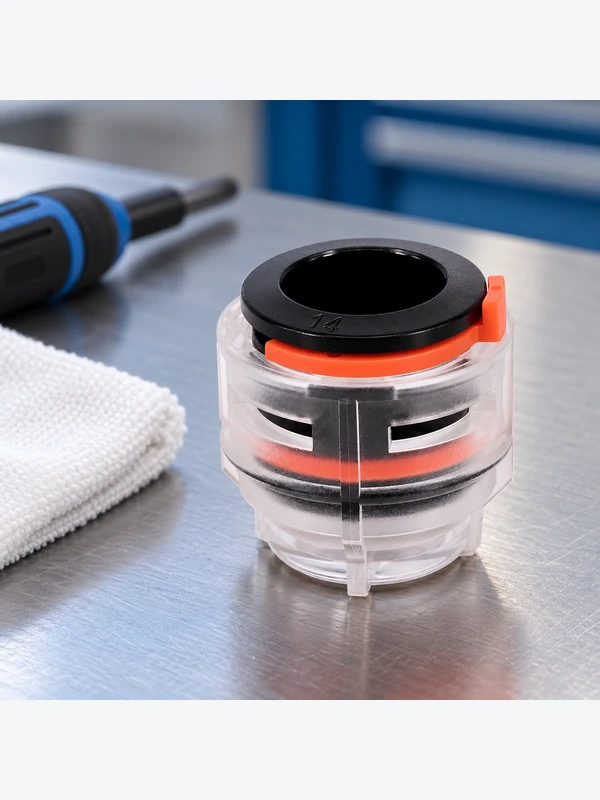
Privremeno građevinsko zatvaranje obično se odabire radi zaštite i planiranog ponovnog otvaranja. Trebalo bi da bude lako prepoznatljivo i uklonjivo bez oštećenja cijevi. Zadržano zatvaranje može zahtijevati dužu izloženost okolini, dokumentovanu trajnost i definisani ispitivanje. Nemojte privremenu čepicu automatski pretvarati u trajnu branicu; zatražite od proizvođača dokaze o ekološkoj ispravnosti i rezultate ispitivanja za predviđeni vijek trajanja.
Položaj krajnjeg završetka također utiče na buduće radove. Ostavite dovoljno radnog prostora za rezni alat, alat za inspekciju ili vodilicu kablova, i izbjegnite da neoznačenu spojnicu sakrijete iza ormara ili spojne komore. Označite položaj spojnice na crtežu trase i fotografirajte instalirano stanje prije ponovnog zatrpanja ili zatvaranja komore.
| Problem pri instalaciji | Šta pregledati | Granica odluke |
|---|---|---|
| Kapa se neće namjestiti. | OD, rezani kvadrat, ovalnost i otpad | Zaustavite i ispravite cijev; ne prisiljavajte poklopac. |
| Pritisak neće držati | All endpoints, branch valves and closure seal | Isolate sections before replacing parts |
| Cap is damaged during re-entry | Seal, retention and duct end | Replace if the maker does not permit reuse |
| Spare route is lost | Labels, as-built drawing and access | Restore records before handover |
What evidence should be requested from a supplier?
Request a dimensional drawing, compatible duct range, installation and removal instructions, environmental limits, test scope and part traceability. If water or gas blocking is required, ask whether the evidence concerns a vacant duct or a duct containing a cable. The distinction prevents a closure claim from being applied to the wrong assembly.
How should an end stop be managed through the route lifecycle?
An end stop has a lifecycle: installation, test isolation, temporary protection, re-entry and final handover. At installation, the duct end must be square, clean and within the approved OD range. During testing, the closure must be included in the isolated section so a leak is not attributed to the wrong joint. During civil work, the cap must prevent contamination and remain identifiable. At re-entry, the installer should know whether the maker permits reuse or requires a new seal.
Egeplast’s telecom accessory information distinguishes reusable connectors and separate sealing arrangements for occupied microducts. That distinction supports a broader rule: a closure for a vacant duct is not automatically a gas block for a cable-filled duct. NEN EN 50411-2-8 provides catalogue context for microduct connectors for air-blown optical fibers, but the model drawing and project test method control the actual acceptance.
| Lifecycle point | Zapis | Stop condition |
|---|---|---|
| Instalacija | Duct ID, OD, cut quality, part and insertion | Do not force a cap onto a damaged or oval end |
| Isolation test | Section boundary, medium, pressure, time and result | Isolate other endpoints before replacing a closure |
| Re-entry | Seal condition, removal method and reuse permission | Replace when retention or sealing is uncertain |
| Prepuštanje | Label, drawing, photograph and access location | Restore records before the route is buried or closed |
What should be checked when a cap comes loose?
Start with the measured duct OD, cut square, ovality, debris and insertion depth. Then inspect side load, route movement, seal damage and whether another open endpoint is causing the observed pressure loss. A loose end stop may be a fit problem, a damaged duct end or an installation support problem; replacing it without correcting the cause can repeat the failure. If the route contains a cable, stop and confirm whether the required part is an occupied-duct gas block instead.
Request a dimensional drawing, environmental limits, installation and removal instructions, test scope and traceability. The Oulu end-cap page is a product reference, while the route record defines how and when the closure is accepted.
How can test isolation and future re-entry avoid another failure?
Draw the test boundary before applying pressure. Identify both endpoints, branches, temporary closures and any occupied section, then confirm that the equipment and procedure apply to that assembly state. A passing result concerns the recorded boundary and conditions; it does not establish unlimited immersion resistance or the suitability of a different cable seal. Hexatronic’s duct-integrity guidance treats testing as a pre-fiber route qualification activity, not simply a cap inspection.
Plan reopening as deliberately as initial closure. Preserve access to the release mechanism and enough undamaged duct for the next permitted connection. If removal marks, deformation or seal damage put the assembly outside its instructions, replace or prepare it using the approved method rather than forcing a previous part back into service. The gas-block product page is relevant when the route changes from empty to occupied; that change needs a new component decision, not just a different label in the handover record.
Često postavljana pitanja
How is the correct end-stop connector size selected?
Match the measured duct outside diameter to the actual product’s approved range and check its installation instructions. Inspect the end for ovality, scoring and deformation before treating the size as acceptable. Duct ID describes the passage, not automatically the closure-retention interface. Record the part number and duct identity together so a later replacement uses the same selection basis.
Does every microduct end stop need a pressure test?
The project procedure determines which route sections and assemblies require testing. Where a pressure test is required, include the closure in the documented isolated section and use limits permitted by all its components. A catalog rating is not a result for the installed route. Confirm the boundaries and other open ends before diagnosing a failed hold as an end-stop defect.
Can an end stop be reused after removal?
Only where the maker permits reuse and the retention components, seal and duct end remain suitable. Some egeplast accessories are described as reusable, but that statement does not apply to every cap in the market. Inspect the removed assembly and follow the documented replacement criteria. Repeat the required route checks after re-entry rather than assuming the previous acceptance is unchanged.
What causes a microduct end cap to leak?
Investigate size mismatch, incomplete insertion, contamination, damaged seals and an oval or scored duct end. Side load or a change in route support may also change the joint condition. First verify that pressure loss is not coming from another endpoint within the test boundary. Isolate and correct the identified cause rather than forcing the cap farther onto an unsuitable surface.
Can an end stop seal a duct that already contains fiber cable?
An ordinary empty-duct closure should not be assumed to seal around an installed cable. That duty requires a documented occupied-duct sealing design with the correct cable and duct diameters. egeplast distinguishes empty-duct caps from sealing arrangements for populated ducts. Specify the route state explicitly so a similarly named closure cannot be substituted for a gas block.
How should a spare microduct be prepared for future reopening?
Record the duct and route IDs, closure type, installed location and whether reuse is allowed. Preserve access and sufficient working space for the approved removal and preparation tools. Before opening, identify the route condition and follow any required isolation procedure. After re-entry, inspect the duct end, replace damaged components and update the records before the next installation crew takes over.
Reference
- NEN-EN 50411-2-8: microduct connector scope.
- egeplast: empty-duct and occupied-duct closure distinctions.
- Hexatronic: duct-integrity qualification guidance.
Sažetak
An end stop is appropriate when its documented closure duty matches the state of the route. Decide first whether the duct is vacant, temporarily protected, being isolated for a test or intended for later extension. Then verify its measured outside diameter, condition, retention and environmental requirements against the selected product. Keep an empty-duct cap separate from an occupied-cable seal, even if both appear in the same catalog. Include the closure in the accepted test boundary and record how it can be reopened without damaging the duct. Oulu’s end-cap product information supports the part review; future access, documented reuse limits and the actual installed test result remain part of the decision.