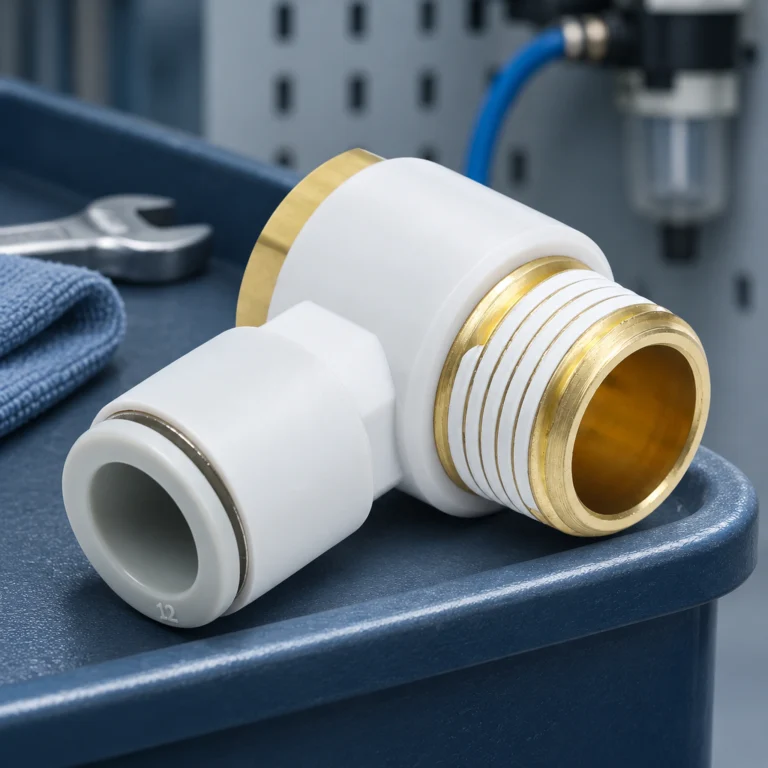
Uma ponteira de extremidade é uma solução de vedação, e não apenas uma pequena tampa colocada na extremidade de um duto. O trajeto pode estar vazio, aguardando a instalação do cabo, isolado para ensaio de pressão ou mantido como reserva. Cada uma dessas condições altera os requisitos relativos à manutenção, aos meios de vedação, ao acesso e ao plano de reutilização.
Escolha um conector de fim de curso por diâmetro externo medido do duto, classe de vedação e método de ensaio. NEN EN 50411-2-8 é uma referência de catálogo para conectores de microduto para fibras ópticas insufladas a ar; o Oulu tampa de extremidade A página descreve uma função do produto, enquanto um duto ocupado bloco de gás é um componente diferente. Não assuma pressão, bloqueio de água ou reutilização sem evidências específicas do modelo.
Um batente final é o mesmo que um bloco de gás?
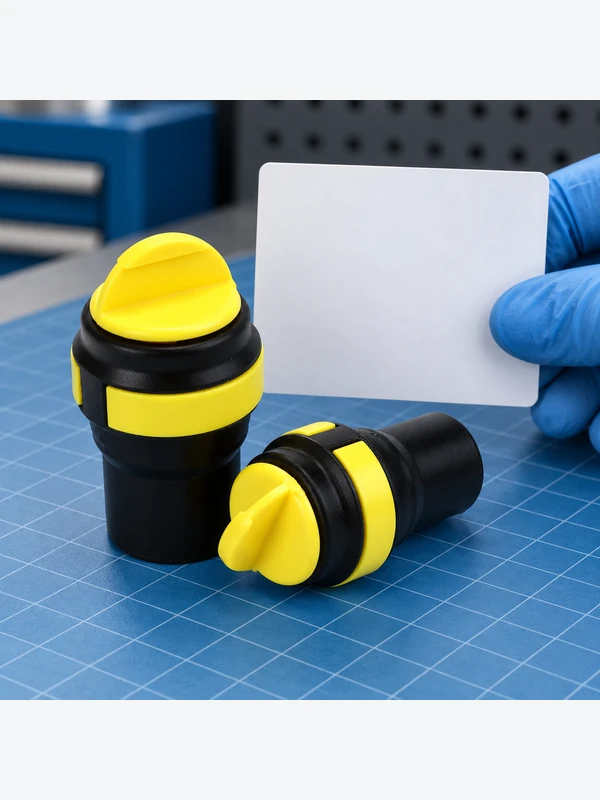
Não. An batente final ou tampa de extremidade Fecha um duto não utilizado. Um bloco de vedação para cabos isola ao redor de um cabo já instalado. Um conector reto une dois dutos. Especifique a função no pedido de compra para que uma peça com nome semelhante não possa ser substituída.
| Precisão | Confirmar | Não assuma |
|---|---|---|
| Fechamento temporário | Faixa de OD, método de retenção e remoção | Barreira permanente a gases ou água |
| Isolamento por teste a ar | Compatibilidade da vedação e procedimento de teste | Classificação a partir da expressão “ponto de parada” |
| Rota de reserva | Instruções de proteção, acesso e reentrada | Reutilização ilimitada após remoção |
| Cabo ocupado | Diâmetro externo do cabo e ativação da vedação | Tampa de extremidade encaixada em um cabo |
Como um batente final deve ser instalado e testado?
Utilize o diâmetro externo (OD) aprovado do duto, faça um corte reto e limpo, remova as aparas e rejeite extremidades amassadas ou profundamente riscadas. Insira até o batente especificado sem aplicar carga lateral, mantenha o acesso à trava acessível e nunca utilize a tampa como ponto de apoio ou de tração. Teste o trecho do duto e o fechamento como uma única unidade, utilizando o fluido, a pressão, a duração e os critérios de aceitação definidos pelo proprietário.
O que deve ser registrado para futuras reinserções?
Registre o ID da rota e do duto, o número da peça, o estado de vedação, a data de instalação, o resultado do teste, a etiqueta e os limites de remoção. Reinspecione após obras civis, inundações, alterações no armário ou uma tentativa de insuflação malsucedida. A página da tampa terminal de Oulu, NEN EN 50411-2-8 catálogo e o catálogo de produtos Forneça referências iniciais.
Em que se diferenciam os fechamentos temporários e permanentes?
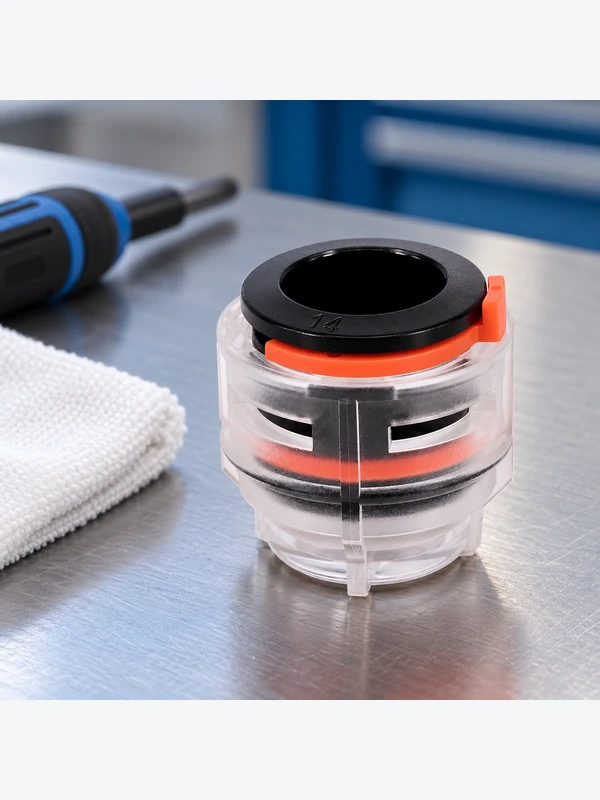
Um fechamento temporário na construção geralmente é selecionado para proteção, com previsão de reabertura planejada. Ele deve ser facilmente identificado e removido sem danificar o duto. Um fechamento permanente pode exigir maior exposição ambiental, documentação da permanência e um teste definido. Não transforme uma tampa temporária em uma barreira permanente por suposição; solicite ao fabricante os dados ambientais e os resultados dos testes relativos à duração prevista.
A colocação dos batentes também afeta os trabalhos futuros. Deixe espaço de trabalho suficiente para uma ferramenta de corte, um instrumento de inspeção ou um guia de cabos e evite ocultar uma caixa de emenda não etiquetada atrás de um armário ou de uma caixa de emendas. Relacione a caixa ao desenho do trajeto e fotografe o estado instalado antes do reaterro ou do fechamento da caixa.
| Problema de instalação | O que inspecionar | Fronteira de decisão |
|---|---|---|
| A tampa não encaixa. | OD, corte quadrado, ovalização e detritos | Pare e corrija o duto; não force a tampa. |
| A pressão não resistirá | Todos os pontos de acesso, válvulas de derivação e vedação de fechamento | Isolar seções antes de substituir peças |
| A tampa foi danificada durante a reentrada. | Vedação, retenção e extremidade do duto | Substitua se o fabricante não permitir a reutilização |
| A rota de reserva foi perdida | Rótulos, desenho as-built e acesso | Restaurar registros antes da entrega |
Que evidências devem ser solicitadas a um fornecedor?
Request a dimensional drawing, compatible duct range, installation and removal instructions, environmental limits, test scope and part traceability. If water or gas blocking is required, ask whether the evidence concerns a vacant duct or a duct containing a cable. The distinction prevents a closure claim from being applied to the wrong assembly.
How should an end stop be managed through the route lifecycle?
An end stop has a lifecycle: installation, test isolation, temporary protection, re-entry and final handover. At installation, the duct end must be square, clean and within the approved OD range. During testing, the closure must be included in the isolated section so a leak is not attributed to the wrong joint. During civil work, the cap must prevent contamination and remain identifiable. At re-entry, the installer should know whether the maker permits reuse or requires a new seal.
Egeplast’s telecom accessory information distinguishes reusable connectors and separate sealing arrangements for occupied microducts. That distinction supports a broader rule: a closure for a vacant duct is not automatically a gas block for a cable-filled duct. NEN EN 50411-2-8 provides catalogue context for microduct connectors for air-blown optical fibers, but the model drawing and project test method control the actual acceptance.
| Lifecycle point | Registro | Stop condition |
|---|---|---|
| Instalação | Duct ID, OD, cut quality, part and insertion | Do not force a cap onto a damaged or oval end |
| Isolation test | Section boundary, medium, pressure, time and result | Isolate other endpoints before replacing a closure |
| Re-entry | Seal condition, removal method and reuse permission | Replace when retention or sealing is uncertain |
| Transferência | Label, drawing, photograph and access location | Restore records before the route is buried or closed |
What should be checked when a cap comes loose?
Start with the measured duct OD, cut square, ovality, debris and insertion depth. Then inspect side load, route movement, seal damage and whether another open endpoint is causing the observed pressure loss. A loose end stop may be a fit problem, a damaged duct end or an installation support problem; replacing it without correcting the cause can repeat the failure. If the route contains a cable, stop and confirm whether the required part is an occupied-duct gas block instead.
Request a dimensional drawing, environmental limits, installation and removal instructions, test scope and traceability. The Oulu end-cap page is a product reference, while the route record defines how and when the closure is accepted.
How can test isolation and future re-entry avoid another failure?
Draw the test boundary before applying pressure. Identify both endpoints, branches, temporary closures and any occupied section, then confirm that the equipment and procedure apply to that assembly state. A passing result concerns the recorded boundary and conditions; it does not establish unlimited immersion resistance or the suitability of a different cable seal. Hexatronic’s duct-integrity guidance treats testing as a pre-fiber route qualification activity, not simply a cap inspection.
Plan reopening as deliberately as initial closure. Preserve access to the release mechanism and enough undamaged duct for the next permitted connection. If removal marks, deformation or seal damage put the assembly outside its instructions, replace or prepare it using the approved method rather than forcing a previous part back into service. The gas-block product page is relevant when the route changes from empty to occupied; that change needs a new component decision, not just a different label in the handover record.
Perguntas frequentes
How is the correct end-stop connector size selected?
Match the measured duct outside diameter to the actual product’s approved range and check its installation instructions. Inspect the end for ovality, scoring and deformation before treating the size as acceptable. Duct ID describes the passage, not automatically the closure-retention interface. Record the part number and duct identity together so a later replacement uses the same selection basis.
Does every microduct end stop need a pressure test?
The project procedure determines which route sections and assemblies require testing. Where a pressure test is required, include the closure in the documented isolated section and use limits permitted by all its components. A catalog rating is not a result for the installed route. Confirm the boundaries and other open ends before diagnosing a failed hold as an end-stop defect.
Can an end stop be reused after removal?
Only where the maker permits reuse and the retention components, seal and duct end remain suitable. Some egeplast accessories are described as reusable, but that statement does not apply to every cap in the market. Inspect the removed assembly and follow the documented replacement criteria. Repeat the required route checks after re-entry rather than assuming the previous acceptance is unchanged.
What causes a microduct end cap to leak?
Investigate size mismatch, incomplete insertion, contamination, damaged seals and an oval or scored duct end. Side load or a change in route support may also change the joint condition. First verify that pressure loss is not coming from another endpoint within the test boundary. Isolate and correct the identified cause rather than forcing the cap farther onto an unsuitable surface.
Can an end stop seal a duct that already contains fiber cable?
An ordinary empty-duct closure should not be assumed to seal around an installed cable. That duty requires a documented occupied-duct sealing design with the correct cable and duct diameters. egeplast distinguishes empty-duct caps from sealing arrangements for populated ducts. Specify the route state explicitly so a similarly named closure cannot be substituted for a gas block.
How should a spare microduct be prepared for future reopening?
Record the duct and route IDs, closure type, installed location and whether reuse is allowed. Preserve access and sufficient working space for the approved removal and preparation tools. Before opening, identify the route condition and follow any required isolation procedure. After re-entry, inspect the duct end, replace damaged components and update the records before the next installation crew takes over.
Referências
- NEN-EN 50411-2-8: microduct connector scope.
- egeplast: empty-duct and occupied-duct closure distinctions.
- Hexatronic: duct-integrity qualification guidance.
Resumo
An end stop is appropriate when its documented closure duty matches the state of the route. Decide first whether the duct is vacant, temporarily protected, being isolated for a test or intended for later extension. Then verify its measured outside diameter, condition, retention and environmental requirements against the selected product. Keep an empty-duct cap separate from an occupied-cable seal, even if both appear in the same catalog. Include the closure in the accepted test boundary and record how it can be reopened without damaging the duct. Oulu’s end-cap product information supports the part review; future access, documented reuse limits and the actual installed test result remain part of the decision.