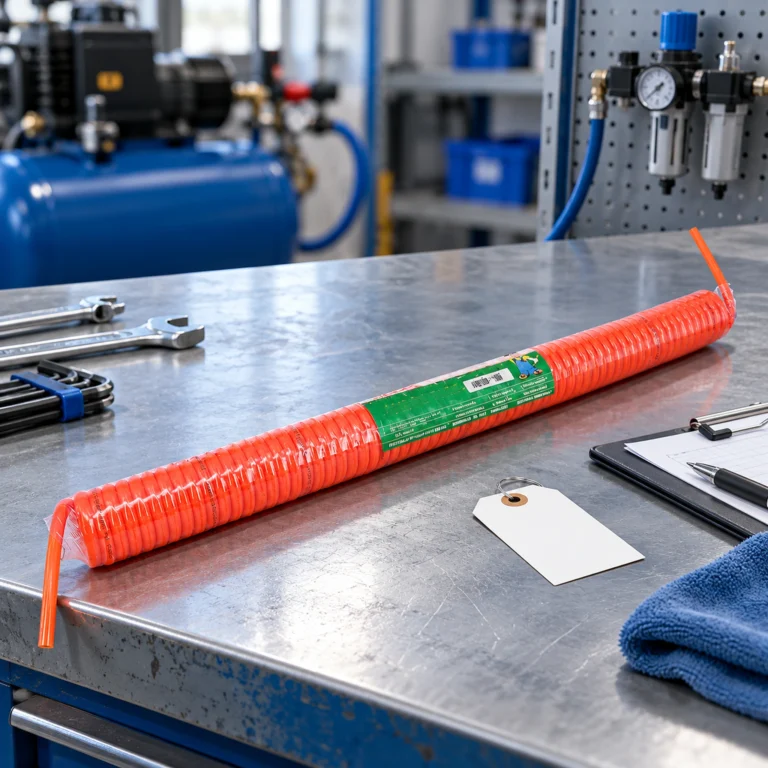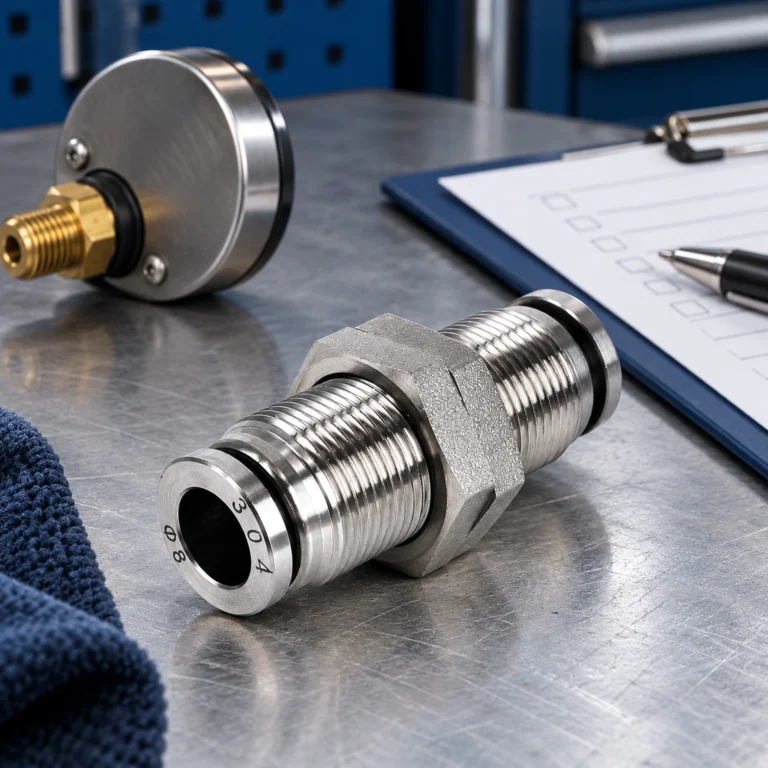
In a fibre-installation specification, “plastic air duct” should mean the cable pathway used for air-assisted installation, not an HVAC air duct or a pressure-water pipe. Define that purpose before comparing products. The cable, actual bore, route geometry, joining system and acceptance procedure determine whether the pathway is suitable for the planned installation.
Choose the duct for the cable-installation method, route geometry and water-control plan, with the required usable bore. For blown-fiber networks, check bore smoothness and bend control before comparing price. Review the applicable cable-conduit requirements alongside the supplier’s installation instructions. Specify the duct, couplers, end seals, and acceptance tests together, then confirm documented dimensions before mobilization.
Define the cable type and installation method
These plastic air ducts are polymer conduits that create a protected, low-friction path for air-assisted cable or fiber installation. In telecom work, they may be direct-buried ducts, subducts inside larger conduits, or smaller microduct pathways that allow later capacity additions.
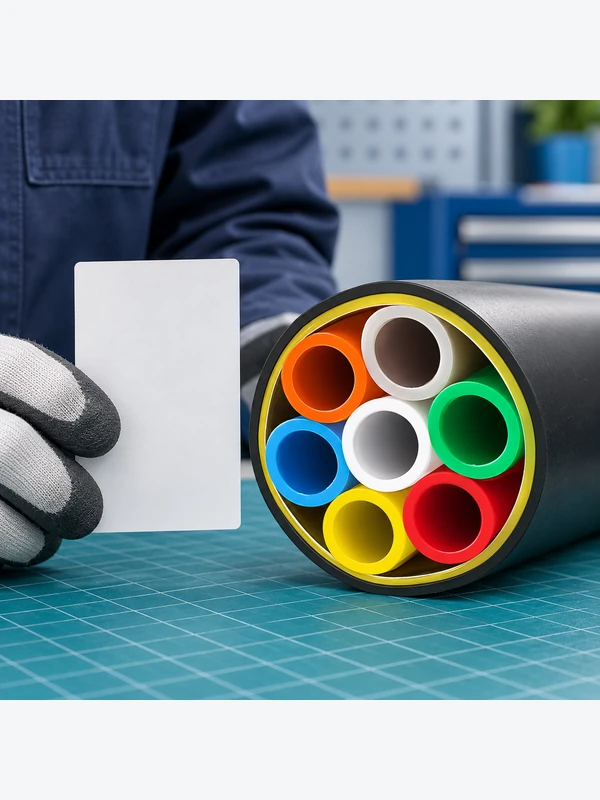
First define whether the route will carry power, communications cable, or air-installed microcables. A utility corridor may prioritize crush resistance and cable pulling; a fiber access network typically prioritizes controlled inside diameter, a low-friction inner surface, and route continuity. IEC 61386-24 specifies requirements and tests for conduit systems buried underground; its scope is not a guarantee of a particular blowing distance or suitability for every soil condition.
Route geometry gives the next constraint. Record the internal diameter, length, bend radius, elevation changes, access points, and cable outside diameter. The cable must retain adequate annular space for airflow, so the equipment manufacturer’s cable-to-duct guidance should govern the final ratio. If a cable OD approaches the duct ID, there may be inadequate clearance for the intended method; do not approve an equal-diameter pairing as a practical blowing design.
Distinguish cable duct from pressure pipe and indoor pathway
HDPE products are made for different services, including pressure piping and cable protection. A pressure pipe is specified for carrying its declared fluid under its governing requirements; a cable duct protects and manages cable; an indoor pathway must satisfy the applicable building and installation requirements. The same polymer family can appear in all three contexts without making the finished products interchangeable. Check the declared use and documentation for the exact product.
For buried cable pathways, the official IEC 61386-24 scope covers conduit systems and conduit fittings for protection and management of insulated conductors or cables in electrical installations or communication systems. It includes metallic, non-metallic and composite systems. That scope helps identify the correct category, but it does not publish a universal cable-to-duct ratio or certify any particular supplier’s field blowing result. Review the declared product evidence and project requirements separately.
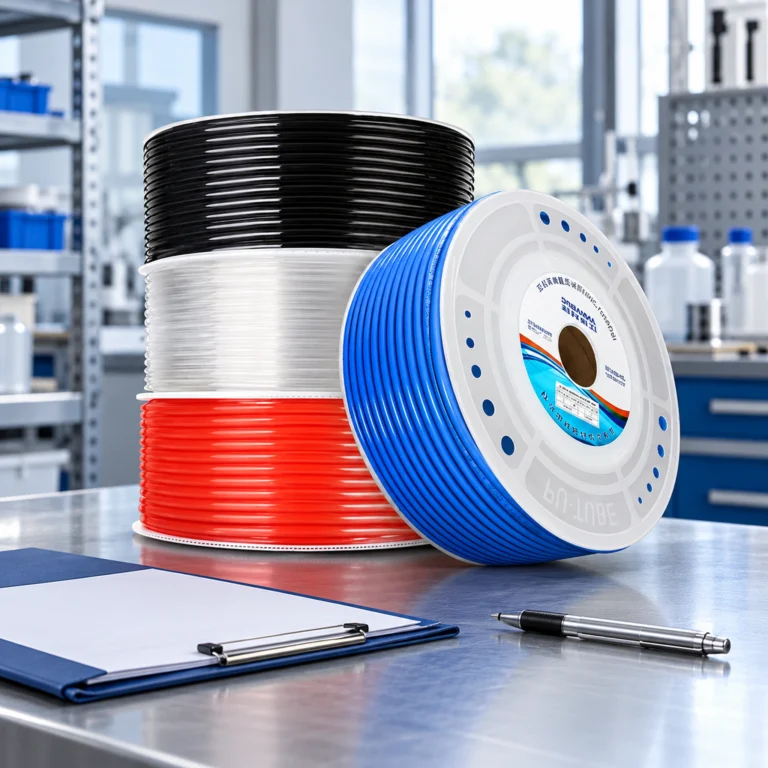
For air-assisted installation, obtain the usable bore, OD, tolerances, route limitations, joint details and the approved cable pairing. A pressure-pipe wall or nominal pipe size cannot substitute for those fields. A thicker wall can change usable passage at the same OD, while a connector designed for another OD or construction may not grip or seal correctly. Review the HDPE microduct options with the actual cable and fitting information rather than treating all polyethylene tubes as equivalent.
At a building transition, verify the location where the outdoor product ends and the indoor pathway or entry arrangement begins. Confirm applicable fire and penetration requirements with the responsible designer. Do not transfer a burial rating to an indoor fire claim, or use an air-pressure test to claim fire resistance. Record the buried, entry and indoor requirements separately, then verify the proposed product at each location.
Match the duct material to the installation method
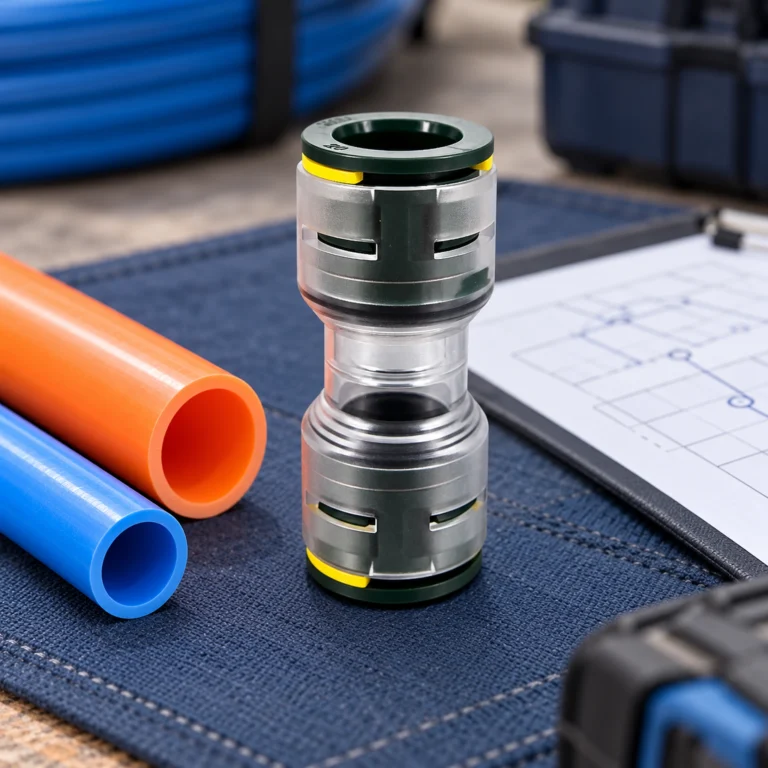
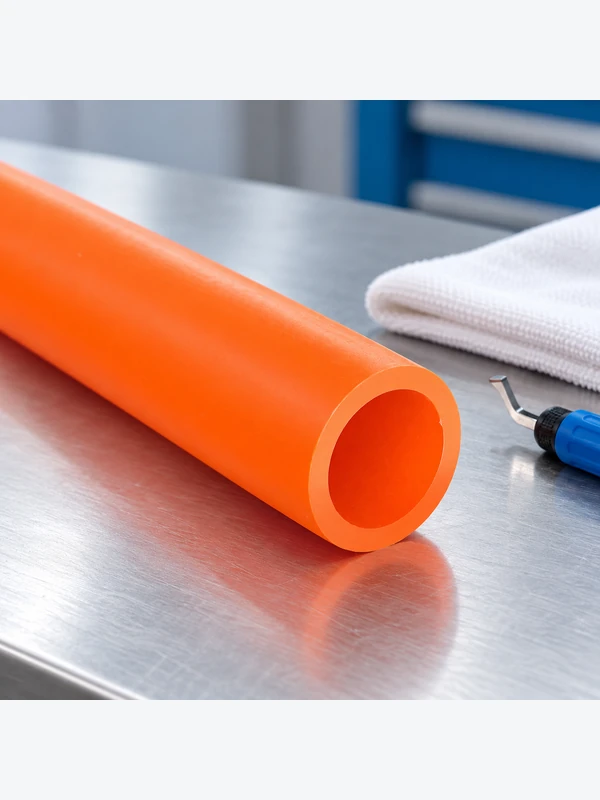
HDPE microducts are commonly selected because high-density polyethylene combines flexibility, impact resistance, corrosion resistance, and a smooth internal pathway. Consider the complete assembly: duct wall, internal low-friction layer where specified, couplers, seals, and closures. A step, oval section or air leak at a connector can obstruct cable passage even when the duct itself meets the specification.
For an air-blown fiber route, air containment and friction management work together. Leakage reduces pressure at the cable; roughness, debris, and tight bends raise resistance. Temperature changes can affect duct dimensions and route movement; use the duct manufacturer’s installation and restraint guidance rather than inferring a universal allowance. Specifications should define pressure, lubricant policy, cleaning, and proof testing.
A conduta com o menor custo unitário pode gerar o maior custo de percurso se exigir câmaras de visita, recuperação de cabos ou repetição de trabalhos após um sopro falhado. A título ilustrativo, evitar uma escavação extra e o regresso de uma equipa pode superar uma poupança modesta em material. Inclua a capacidade de expansão, a fiabilidade das uniões, os comprimentos de fornecimento e a rastreabilidade na análise do custo total.
| Abordagem | Melhor ajuste | Desempenho de instalação | Tendência de manutenção e Custo Total de Propriedade (TCO) |
|---|---|---|---|
| Conduta técnica de grandes dimensões | Serviços mistos ou cabos puxados | Espaço para cabos; o desempenho depende da condição interna | Pegada material civil mais elevada, mas pode apoiar a futura separação |
| Tubo HDPE simples | Trajeto de cabo dedicado | Encaminhamento flexível; verificar o controlo do diâmetro interior e da curvatura | Custo inicial moderado; a substituição pode ser disruptiva se a capacidade se esgotar |
| feixe de microdutos multicelular | Expansão de FTTx e ligações faseadas | Vias separadas ajudam a isolar instalações posteriores | Muitas vezes, implica um maior esforço de especificação inicial, com menor perturbação para adições e alterações |
Size the pathway from cable, air, and route constraints
Size the duct using the cable dimensions, usable bore and route conditions. Start with the supplier’s measured inside diameter and cable manufacturer’s maximum outside diameter, then account for couplers, bends, and the blowing equipment’s operating window. Longer routes generally benefit from stable bore control and fewer joints. Before a long blow, prove the route with a mandrel and clean it with a duct-sized sponge or swab.
Para enterramento direto, especifique a profundidade, a fita de aviso, os marcadores e a proteção de cruzamento de acordo com as regras da autoridade local e do proprietário da rede. A referência de design de instalações exteriores (Outside Plant Design) da BICSI trata o planeamento de caminhos como um problema coordenado de design civil, de cabos e de acessos. Uma norma de tubagens (conduit) não substitui as regras locais de segurança de escavação ou os limites de instalação do fabricante.
| Estado do percurso | O que especificar | Verificação pré-instalação | Risco principal controlado |
|---|---|---|---|
| Curta corrida interna ou no campus | Furo compatível, requisitos de incêndio/construção aplicáveis, terminações acessíveis | Medir percurso e inspecionar curvas | Danos nos cabos nas uniões |
| Longo trajeto de fibra subterrânea | Comprimentos de bobine contínuos sempre que exequível, juntas estanques, registos de traçado | Mandril, zaragatoa e verificação de fuga de ar | Prejuízo colossal e reentrada dispendiosa |
| Solo encharcado ou zona propensa a inundações | Tampas estanques à água, conectores estanques a gás/água, conforme necessário, câmaras protegidas | Inspecione todas as interfaces de terminação e invólucro | Migração de entradas e detritos |
| Corredor de capacidade futura | Microdutos suplentes, etiquetas legíveis, ocupação documentada | Confirmar que as vias de reserva permanecem tampadas e rastreáveis | Reescavação |
Requalify the route when cable, bends or air supply change
A successful blowing trial describes the tested combination, not every later job on the route. Keep the cable identity and OD, duct bore and construction, route length, bend arrangement, joins, lubricant policy and machine setup with the result. Record compressor delivery and treatment at the relevant operating conditions; a maximum pressure label alone does not describe the air supply available during installation.
Review the trial when a change affects resistance, clearance or air delivery. Examples include a different cable construction, a new reducer, an added bend, a repaired or flattened duct section, a changed lubricant, or a different compressor and hose arrangement. Engineering should decide which section and acceptance checks must be repeated. A minor administrative change does not automatically require a new trial, but an unrecorded physical change should not be assumed harmless.
Plumettaz’s IWCS 2021 test-guideline abstract highlights how bend-only test trajectories and speed behaviour can influence comparisons, and recommends controlling the end condition of a test. Its example settings belong to that test discussion; they are not operating instructions for every duct or machine. The practical lesson is to retain the route and test method, then make changes visible before comparing results or transferring an approval.
When a route is re-opened, inspect accessible ends and joints for ingress or disturbance and use the approved continuity, cleaning and leakage checks. The microduct fitting guide connects those joint checks to route preparation. Compare cable blowing machines only after the pathway and utilities have been defined, so a blocked duct or inadequate air delivery is not mistaken for an equipment limitation. Keep revised acceptance evidence with the current route drawing.
Check the requirements for buried cable conduit
Standards should improve procurement clarity, not become marketing shorthand. IEC 61386-24 addresses underground conduit systems for cable protection and management. A resin classification, pipe designation or a single laboratory test is not approval of an entire installed cable route. In the United States, OSHA excavation requirements are worker-safety rules, not duct-performance standards.
Alegações não comprovadas, tais como “à prova de água”, “em conformidade com as normas” ou “adequado para toda a fibra insuflada”, podem originar subempreitadas rejeitadas ou trabalhos corretivos. Indique o mercado de destino, o ambiente, o método de cablagem e a evidência de ensaio necessária. Solicite a identificação do lote, as tolerâncias dimensionais e os registos de compatibilidade dos conectores.
What to confirm before ordering a plastic duct
- Mapeie a rota e atribua a cada troço um método de instalação, secção do cabo, limite de curvatura e exposição ambiental.
- Especifique o diâmetro medido, a construção da parede, o comprimento do carretel, o tipo de conector, a vedação da extremidade e as evidências necessárias para aceitação.
- Verifique se as uniões mantêm uma passagem desimpedida; devem ser selecionados conectores de microduto compagináveis como parte do sistema de dutos, e não após a entrega.
- Planear um documento duct installation acceptance process: visual inspection, route proving, cleaning, and a pressure or leakage check where the cable method requires it.
ANMASPC / O Conector de Microdutos apoia os compradores que necessitam de vias, acessórios e documentação configuráveis. Para trabalhos com ar comprimido, verifique as máquinas de sopro de fibra em relação aos tamanhos dos dutos e dos cabos antes da implementação.
Perguntas frequentes
Para que são utilizados os condutos de ar de plástico?
Criam um canal protegido para a instalação e substituição de fibra, cabos de comunicações ou cabos de serviços públicos selecionados. Em projetos de fibra, o canal pode suportar a instalação assistida por ar e a posterior expansão da rede; o método de cablagem planeado determina a construção da conduta e os respetivos acessórios.
Porque é que o HDPE é utilizado para microdutos?
O HDPE oferece flexibilidade útil, tenacidade e resistência a muitas exposições ambientais comuns, ao mesmo tempo que fornece um material de base adequado para vias de microdutos lisas. Os compradores ainda devem verificar as dimensões reais do sistema, o design das juntas e as evidências de aplicação, em vez de depender apenas do nome da resina.
Que tamanho de conduta é necessário para fibra insuflada a ar?
O tamanho correto depende do diâmetro exterior do cabo, da capacidade da máquina de sopro, do comprimento do trajeto e das curvas. Utilize as orientações de compatibilidade dos fabricantes do cabo e do equipamento e, em seguida, valide o diâmetro interior real e a condição do trajeto antes do sopro de produção.
Pode a fibra ser instalada num duto de plástico existente?
Muitas vezes sim, se a conduta for contínua, limpa, suficientemente seca e grande o suficiente para o cabo e o fluxo de ar ou o sistema de puxa. Inspecione e comprove primeiro; secções esmagadas, detritos ou caixas não seladas podem necessitar de reparação.
Como evitar que a água entre numa conduta?
Vede as extremidades abertas, sele conectores e fechos compatíveis e proteja as interfaces das câmaras contra água estagnada e detritos. A solução eficaz aplica-se a toda a rota: um único tubo de reserva destampado ou um conector mal encaixado pode comprometer um sistema que, de resto, estaria bem especificado.
Qual é a diferença entre um duto e um microduto?
Um duto é a categoria mais ampla de conduta de proteção, frequentemente dimensionada para um ou mais cabos ou subdutos. Um microduto é uma via mais pequena, concebida para esse efeito — frequentemente agrupada com outras — para a colocação de microcabos e preservação de capacidade livre em redes de fibra.
Can a larger nominal duct always carry more fiber?
Not necessarily. Usable performance also depends on cable-to-bore fit, bend profile, surface condition, joint alignment, air sealing and the approved installation method. Confirm the pairing with route measurements and a representative test.
What should be checked before using a plastic duct for air-assisted installation?
Check continuity, bore condition, water or debris, bend and access points, duct and cable compatibility, connector sealing, air supply limits and the records required for the installation handover.
Is a pressure-rated HDPE water pipe automatically suitable as a blowing duct?
No. Pressure-pipe service does not establish the cable passage, friction, joining details or installation window needed for air-blown cable. Verify the intended cable-duct application, dimensions, cable pairing and project acceptance evidence for the exact product.
Does a successful route test remain valid after changing the cable or compressor?
It may require review. Compare the new cable, duct geometry, air delivery and setup with the tested configuration. If the change affects clearance, friction, route resistance or available air, agree an appropriate requalification before relying on the previous result.
Referências
- IEC 61386-24:2004 — Conduit systems buried underground, official scope
- Griffioen and Jonker / Plumettaz — Guidelines for Conducting Cable Blowing Tests, IWCS 2021 abstract
Summary
Choose a plastic cable duct from its intended service, measured geometry and installation method. HDPE material alone does not make a pressure pipe, buried cable conduit and indoor pathway interchangeable. Verify the usable bore, cable pairing, connector compatibility, bends, exposure and acceptance procedure together. Keep the tested route and air-supply configuration with the result, and review that evidence when physical conditions change. Treat underground conduit requirements, product data, blowing trials and building-entry protection as distinct parts of the specification. Keep dimensions, cable pairing, joint details and trial results in the route record so purchasing and installation teams can check the same configuration.