
광섬유 설치 사양서에서, “플라스틱 공기 덕트””는 HVAC 공기 덕트나 가압수 배관이 아니라, 공기 보조 설치에 사용되는 케이블 경로를 의미해야 합니다. 제품을 비교하기 전에 그 용도를 명확히 정의하십시오. 케이블, 실제 구멍, 노선 기하학, 접속 시스템 및 인수 절차는 해당 경로가 계획된 설치에 적합한지 여부를 결정합니다.
케이블 설치 방식, 경로 형상 및 배수 계획에 따라 필요한 유효 내경을 갖춘 덕트를 선택하십시오. 송풍식 광섬유 네트워크의 경우, 가격 비교에 앞서 덕트 내부의 매끄러움과 굴곡 제어 여부를 확인하십시오. 공급업체의 설치 지침과 함께 해당 케이블-덕트 관련 요구사항을 검토하십시오. 덕트, 커플러, 엔드 씰 및 인수검사를 일괄적으로 명시한 뒤, 작업 착수 전에 문서화된 치수를 반드시 확인하십시오.
케이블 유형 및 설치 방법을 정의하십시오.
이 플라스틱 공기 덕트는 공기 압력을 이용한 케이블 또는 광섬유 설치를 위한 보호되고 저마찰 경로를 형성하는 폴리머 도관입니다. 통신 분야에서는 직접 매설형 덕트, 더 큰 도관 내부의 하도관, 또는 향후 용량 증설을 가능하게 하는 소형 마이크로덕트 경로로 사용됩니다.
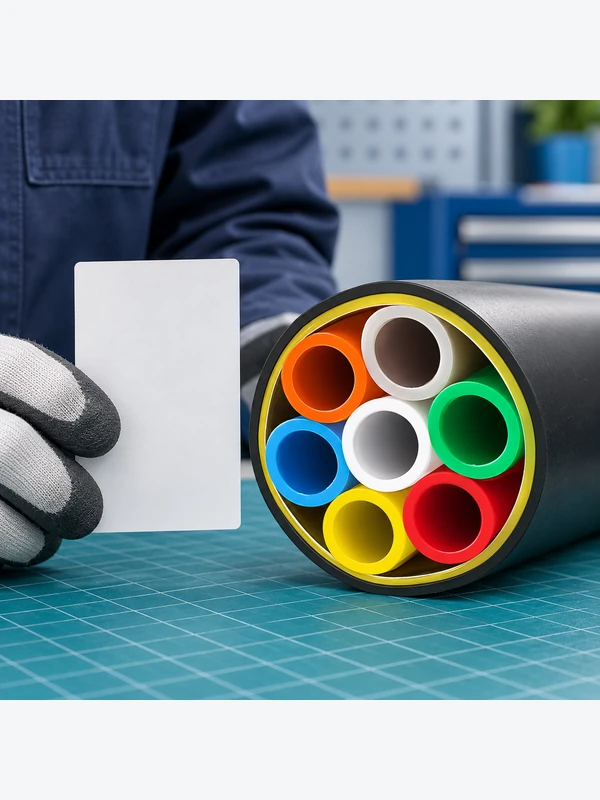
먼저 해당 루트가 전력, 통신 케이블 또는 공기 주입식 마이크로케이블을 수송할지 여부를 정의하십시오. 유틸리티 복도는 압축 저항성과 케이블 인발성을 우선시할 수 있으며, 광섬유 액세스 네트워크는 일반적으로 제어된 내경, 낮은 마찰의 내면, 그리고 경로 연속성을 우선시합니다. IEC 61386-24는 지하 매설용 도관 시스템에 대한 요구사항과 시험을 규정하고 있지만, 그 적용 범위는 특정 송풍 거리나 모든 토양 조건에 대한 적합성을 보장하는 것은 아닙니다.
노선의 형상은 다음 제약 조건을 제공합니다. 내경, 길이, 굽힘 반경, 고저 변화, 접근점 및 케이블 외경을 기록하십시오. 케이블은 공기 흐름을 위한 충분한 환형 공간을 확보해야 하므로, 최종 비율은 장비 제조업체가 제시하는 케이블과 덕트 간 권장 비율에 따라 결정되어야 합니다. 케이블 외경이 덕트 내경에 근접할 경우, 계획된 시공 방식에 필요한 여유 공간이 부족해질 수 있으므로, 동일한 직경 조합은 실용적인 송입 설계로 승인해서는 안 됩니다.
케이블 덕트와 압력 배관 및 실내 경로를 구분하십시오.
HDPE 제품은 압력 배관 및 케이블 보호 등 다양한 용도로 제작됩니다. 압력 배관은 규정된 조건 하에 명시된 유체를 수송하도록 설계되며, 케이블 덕트는 케이블을 보호하고 관리하는 역할을 합니다. 실내 경로는 해당 건축 및 설치 기준을 충족해야 합니다. 동일한 폴리머 계열이 세 가지 용도 모두에 사용될 수 있지만, 이는 완제품 간의 상호 교환이 가능함을 의미하지 않습니다. 정확한 제품 정보는 명시된 용도와 관련 문서를 확인하시기 바랍니다.
매설 케이블 경로의 경우, 공식 IEC 61386-24 범위는 전기 설비 또는 통신 시스템에서 절연 도체나 케이블을 보호하고 관리하기 위한 도관 시스템 및 도관 부속품을 포함합니다. 여기에는 금속성, 비금속성 및 복합 재질 시스템이 모두 포함됩니다. 해당 범위는 적절한 카테고리를 식별하는 데 도움이 되지만, 보편적인 케이블-도관 비율을 발표하거나 특정 공급업체의 현장 송풍 성능을 인증하지는 않습니다. 제시된 제품 증거와 프로젝트 요구 사항을 각각 별도로 검토하십시오.
공기 보조 설치를 위해서는 다음을 확보하십시오. 사용 가능한 보어, OD, 공차, 경로 제한, 접합부 상세 및 승인된 케이블 페어링. 압력 배관의 벽 두께나 공칭 배관 크기는 해당 필드를 대체할 수 없습니다. 벽 두께가 두꺼워지면 동일한 외경에서도 유효 통로가 달라질 수 있으며, 다른 외경이나 구조에 맞게 설계된 연결부는 제대로 고정되거나 밀봉되지 않을 수 있습니다. 검토하십시오. HDPE 마이크로덕트 옵션 모든 폴리에틸렌 관을 동등하게 취급하는 대신, 실제 케이블 및 피팅 정보를 사용합니다.
건물의 경계부에서, 외부 제품이 끝나고 내부 통로 또는 출입구 구조가 시작되는 위치를 확인하십시오. 해당되는 화재 및 관통부 관련 요구사항을 담당 설계자와 반드시 확인하십시오. 매설 등급을 내부 화재 성능으로 전환하거나, 공기압 테스트를 통해 화재 저항성을 주장해서는 안 됩니다. 매설, 출입구, 내부 각 위치에 대한 요구사항을 개별적으로 기록한 후, 각 위치에 제안된 제품을 검증하십시오.
덕트 재질을 설치 방법에 맞게 선택하십시오.
HDPE 마이크로덕트는 유연성, 내충격성, 내부식성 및 매끄러운 내부 경로를 모두 갖춘 고밀도 폴리에틸렌의 특성으로 인해 일반적으로 선택됩니다. 덕트 벽체, 필요 시 적용되는 내부 저마찰 층, 커플러, 씰 및 클로저 등 전체 조립품을 종합적으로 고려해야 합니다. 커넥터 부위에서 발생하는 단차, 타원형 변형 또는 공기 누출은 덕트 자체가 규격을 충족하더라도 케이블 통과를 방해할 수 있습니다.
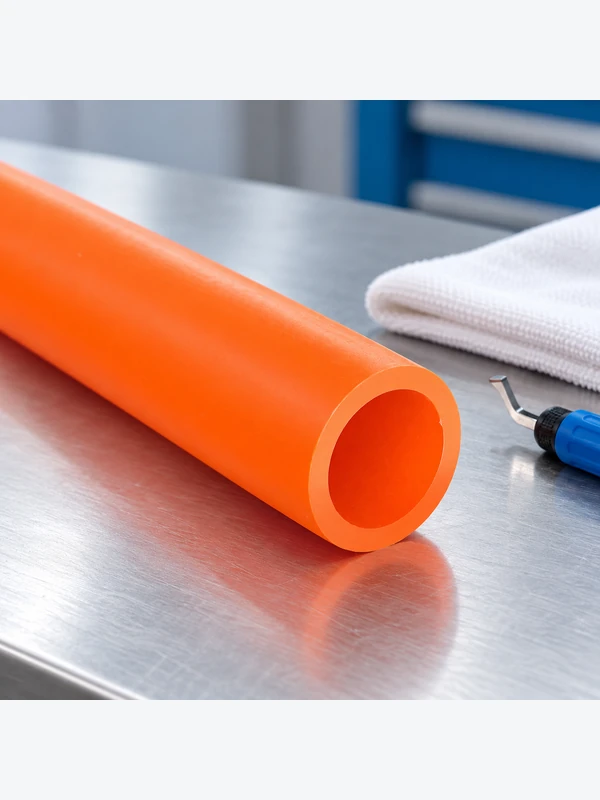
공기 주입식 광섬유 경로의 경우, 공기 밀폐와 마찰 관리가 상호 작용합니다. 누출은 케이블의 압력을 감소시키고, 표면 거칠기, 이물질 및 급격한 굴곡은 저항을 증가시킵니다. 온도 변화는 덕트 치수와 경로 변위에 영향을 미칠 수 있으므로, 보편적인 여유를 추론하기보다는 덕트 제조업체의 설치 및 고정 지침을 따르십시오. 사양에는 압력, 윤활제 사용 방침, 청소 및 시험 검증 요건을 명확히 규정해야 합니다.
가장 저렴한 단위 비용의 덕트일지라도, 접근 구덩이, 케이블 회수 또는 블로잉 실패 후의 재작업이 필요하다면 전체 경로 비용이 오히려 가장 높아질 수 있습니다. 예를 들어, 추가적인 굴착 작업 한 건과 인력 재투입을 하나만 줄여도 소폭의 자재 절감 효과를 상쇄할 수 있습니다. 총비용 검토 시에는 확장성, 이음부 신뢰성, 공급 길이 및 추적 가능성을 반드시 포함하십시오.
| 접근 방식 | 가장 적합한 것 | 설치 성능 | 유지보수 및 총소유비용(TCO) 경향 |
|---|---|---|---|
| 대형 유틸리티 덕트 | 혼합 서비스 또는 인출형 케이블 | 하위 제품을 위한 공간; 성능은 내부 상태에 따라 달라집니다. | 더 높은 시멘트 소비량이지만, 향후 분리수거를 지원할 수 있음 |
| 단일 HDPE 덕트 | 전용 케이블 루트 | 유연한 라우팅; 보어 및 벤드 제어 확인 | 초기 비용은 적당함; 용량이 소진되면 교체가 운영에 지장을 줄 수 있음 |
| 멀티웨이 마이크로덕스 번들 | FTTx 확장 및 단계적 연결 | 별도의 경로는 이후 설치 작업을 격리하는 데 도움이 됩니다. | 종종 초기 사양 정의에 더 많은 노력이 필요하지만, 추가 및 변경 시에는 중단이 적습니다. |
케이블, 공기, 경로 제약 조건을 기준으로 경로 크기를 설정하십시오.
케이블 치수, 사용 가능한 내경 및 경로 조건을 기준으로 덕트 크기를 결정하십시오. 먼저 공급업체가 측정한 내부 직경과 케이블 제조사의 최대 외경을 기준으로 한 다음, 커플러와 굴곡 등을 고려하여 계산하십시오. 송풍 장비’의 작동 범위입니다. 장거리 경로일수록 안정적인 보어 제어와 적은 이음매 수가 유리합니다. 장거리 블로잉을 시작하기 전에 만드렐을 사용하여 경로를 확인하고, 덕트 크기의 스펀지나 스왑으로 청소하십시오.
직접 매설 시에는 현지 관할 기관 및 네트워크 운영자의 규정에 따라 매설 깊이, 경고 테이프, 표지판 및 교차부 보호 조치를 명시하십시오. BICSI의 ‘아웃도어 플랜트 설계’ 참고 자료에서는 통로 계획을 토목, 케이블, 접근성 설계가 조화를 이루는 종합적인 문제로 다룹니다. 도관 관련 표준은 현지 굴착 안전 규정이나 제조사의 설치 한계를 대체하지 않습니다.
| 노선 상태 | 지정할 내용 | 사전 설치 점검 | 주요 위험 통제됨 |
|---|---|---|---|
| 짧은 실내 또는 캠퍼스 내 달리기 | 호환 가능한 보어, 해당되는 경우 화재/건축 기준, 접근 가능한 단자 | 경로를 측정하고 굴곡을 검사합니다. | 피팅 부위의 케이블 손상 |
| 장거리 지하 광섬유 배선 | Continuous reel lengths where feasible, sealed joints, route records | Mandrel, swab, and air-leak check | Blowing loss and costly re-entry |
| Wet ground or flood-prone area | Water-blocking end caps, gas/water-tight connectors as required, protected chambers | Inspect every termination and enclosure interface | Ingress and debris migration |
| Future-capacity corridor | Spare microducts, clear labels, documented occupancy | Confirm spare paths remain capped and traceable | Repeat excavation |
Requalify the route when cable, bends or air supply change
A successful blowing trial describes the tested combination, not every later job on the route. Keep the cable identity and OD, duct bore and construction, route length, bend arrangement, joins, lubricant policy and machine setup with the result. Record compressor delivery and treatment at the relevant operating conditions; a maximum pressure label alone does not describe the air supply available during installation.
Review the trial when a change affects resistance, clearance or air delivery. Examples include a different cable construction, a new reducer, an added bend, a repaired or flattened duct section, a changed lubricant, or a different compressor and hose arrangement. Engineering should decide which section and acceptance checks must be repeated. A minor administrative change does not automatically require a new trial, but an unrecorded physical change should not be assumed harmless.
Plumettaz’s IWCS 2021 test-guideline abstract highlights how bend-only test trajectories and speed behaviour can influence comparisons, and recommends controlling the end condition of a test. Its example settings belong to that test discussion; they are not operating instructions for every duct or machine. The practical lesson is to retain the route and test method, then make changes visible before comparing results or transferring an approval.
When a route is re-opened, inspect accessible ends and joints for ingress or disturbance and use the approved continuity, cleaning and leakage checks. The microduct fitting guide connects those joint checks to route preparation. Compare cable blowing machines only after the pathway and utilities have been defined, so a blocked duct or inadequate air delivery is not mistaken for an equipment limitation. Keep revised acceptance evidence with the current route drawing.
Check the requirements for buried cable conduit
Standards should improve procurement clarity, not become marketing shorthand. IEC 61386-24 addresses underground conduit systems for cable protection and management. A resin classification, pipe designation or a single laboratory test is not approval of an entire installed cable route. In the United States, OSHA excavation requirements are worker-safety rules, not duct-performance standards.
Unsupported claims such as “waterproof,” “standards compliant,” or “suitable for all blown fiber” can trigger rejected submittals or corrective work. State the destination market, environment, cable method, and test evidence required. Ask for batch identification, dimensional tolerances, and connector compatibility records.
What to confirm before ordering a plastic duct
- Map the route and assign every section an installation method, cable size, bend limit, and environmental exposure.
- Specify measured bore, wall construction, reel length, connector type, end sealing, and evidence needed for acceptance.
- Check that fittings retain a smooth pathway; compatible microduct connectors should be selected as part of the duct system, not after delivery.
- Plan a documented duct installation acceptance process: visual inspection, route proving, cleaning, and a pressure or leakage check where the cable method requires it.
ANMASPC / Microduct Connector supports buyers needing configurable pathways, fittings, and documentation. For compressed-air work, review fiber blowing machines against duct and cable sizes before deployment.
자주 묻는 질문
What are plastic air ducts used for?
They create a protected pathway for installing and replacing fiber, communications cable, or selected utility cables. In fiber projects, the pathway can support air-assisted installation and later network expansion; the planned cable method determines the duct construction and accessories.
Why is HDPE used for microducts?
HDPE offers useful flexibility, toughness, and resistance to many common environmental exposures while providing a suitable base material for smooth microduct pathways. Buyers should still verify the actual system dimensions, joint design, and application evidence rather than relying on the resin name alone.
What size duct is needed for air-blown fiber?
The correct size depends on the cable outside diameter, blower capability, route length, and bends. Use the cable and equipment manufacturers’ compatibility guidance, then validate the real inside diameter and route condition before the production blow.
Can fiber be installed in an existing plastic duct?
Often yes, if the duct is continuous, clean, dry enough, and large enough for the cable and airflow or pulling arrangement. Survey and prove it first; crushed sections, debris, or unsealed chambers may need remediation.
How do you prevent water from entering a duct?
Seal open ends, select compatible connectors and closures, and protect chamber interfaces from standing water and debris. The effective solution is route-wide: one uncapped spare duct or poorly seated connector can compromise an otherwise well-specified system.
What is the difference between a duct and a microduct?
A duct is the broader protective conduit category, often sized for one or more cables or subducts. A microduct is a smaller, purpose-designed pathway—frequently bundled with others—for placing microcables and preserving spare capacity in fiber networks.
Can a larger nominal duct always carry more fiber?
Not necessarily. Usable performance also depends on cable-to-bore fit, bend profile, surface condition, joint alignment, air sealing and the approved installation method. Confirm the pairing with route measurements and a representative test.
What should be checked before using a plastic duct for air-assisted installation?
Check continuity, bore condition, water or debris, bend and access points, duct and cable compatibility, connector sealing, air supply limits and the records required for the installation handover.
Is a pressure-rated HDPE water pipe automatically suitable as a blowing duct?
No. Pressure-pipe service does not establish the cable passage, friction, joining details or installation window needed for air-blown cable. Verify the intended cable-duct application, dimensions, cable pairing and project acceptance evidence for the exact product.
Does a successful route test remain valid after changing the cable or compressor?
It may require review. Compare the new cable, duct geometry, air delivery and setup with the tested configuration. If the change affects clearance, friction, route resistance or available air, agree an appropriate requalification before relying on the previous result.
참고문헌
요약
Choose a plastic cable duct from its intended service, measured geometry and installation method. HDPE material alone does not make a pressure pipe, buried cable conduit and indoor pathway interchangeable. Verify the usable bore, cable pairing, connector compatibility, bends, exposure and acceptance procedure together. Keep the tested route and air-supply configuration with the result, and review that evidence when physical conditions change. Treat underground conduit requirements, product data, blowing trials and building-entry protection as distinct parts of the specification. Keep dimensions, cable pairing, joint details and trial results in the route record so purchasing and installation teams can check the same configuration.



