
នៅក្នុងលក្ខណៈសម្បត្តិនៃការដំឡើងសរសៃអំបោះ, “បំពង់ខ្យល់ធ្វើពីប្លាស្ទិក” គួរតែមានន័យថា ផ្លូវដាក់ខ្សែកាបដែលប្រើសម្រាប់ការដំឡើងដោយប្រើខ្យល់ មិនមែនជាបំពង់ខ្យល់ HVAC ឬបំពង់ទឹកដែលមានសម្ពាធទេ។ កំណត់គោលបំណងនោះជាមុនសិន មុនពេលធ្វើការប្រៀបធៀបផលិតផល។ ខ្សែកាប និងប៉ែលពិតប្រាកដ, រូបវិនិច្ឆ័យផ្លូវ, ប្រព័ន្ធចូលរួម និងនីតិវិធីនៃការទទួលយក កំណត់ថាតើផ្លូវដែលបានគ្រោងទុកសមស្របសម្រាប់ការដំឡើងដែរឬទេ។.
ជ្រើសរើសបំពង់សម្រាប់វិធីដំឡើងខ្សែកាប, រចនាសម្ព័ន្ធលំហូរ, និងផែនការគ្រប់គ្រងទឹក ដោយមានទំហំរន្ធ (bore) ដែលអាចប្រើបានតាមតម្រូវការ។ សម្រាប់បណ្តាញខ្សែកាបដែលបញ្ជូនដោយបំពុលខ្យល់ ត្រូវពិនិត្យមើលភាពរលោងនៃរន្ធ និងការគ្រប់គ្រងការកោង មុនពេលធ្វើការប្រៀបធៀបតម្លៃ។ ពិនិត្យមើលតម្រូវការដែលអនុវត្តបានសម្រាប់ខ្សែកាប និងបំពង់ ទាំងនៅក្នុងសេចក្ដីណែនាំការដំឡើងរបស់អ្នកផ្គត់ផ្គង់។ កំណត់លក្ខណៈបំពង់, ឧបករណ៍ភ្ជាប់, ស្នាមបិទបញ្ចប់, និងការធ្វើតេស្តទទួលយកឱ្យបានច្បាស់លាស់ រួចបញ្ជាក់ពីវិមាត្រដែលបានចុះបញ្ជីមុនពេលចាប់ផ្តើមការងារ។.
កំណត់ប្រភេទខ្សែ និងវិធីសាស្ត្រដំឡើង
បំពង់ខ្យល់ធ្វើពីផ្លាស្ទិកទាំងនេះ គឺជាបំពង់បង្ហូរធ្វើពីប៉ូលីម័រ ដែលបង្កើតជាផ្លូវការពារ និងមានការប៉ះស្រាលសម្រាប់ការដំឡើងខ្សែកាប ឬសរសៃអុបទិកដោយប្រើខ្យល់។ នៅក្នុងការងារទូរគមនាគមន៍ បំពង់ទាំងនេះអាចជាបំពង់បញ្ចូលដោយផ្ទាល់ក្នុងដី បំពង់តូចៗនៅក្នុងបំពង់ធំជាង ឬជាផ្លូវបំពង់មីក្រូតូចៗ ដែលអនុញ្ញាតឱ្យបន្ថែមសមត្ថភាពនៅពេលក្រោយ។.
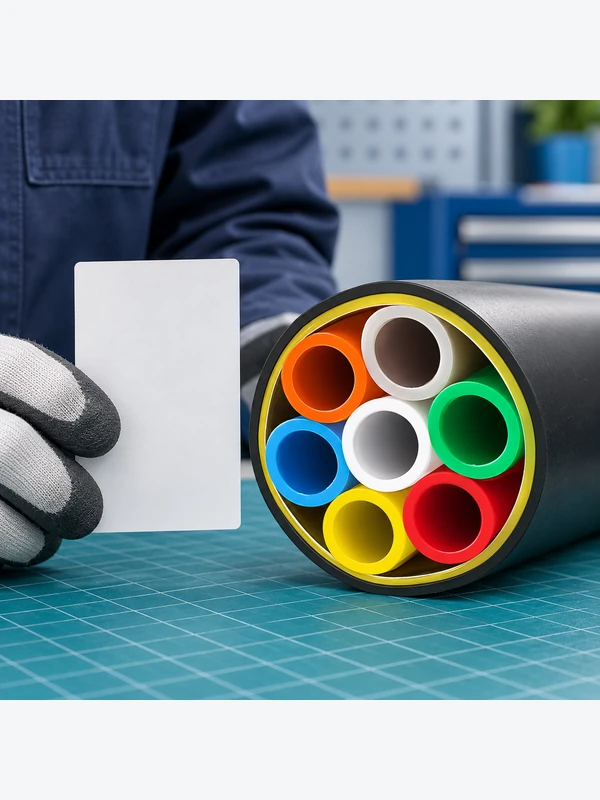
ដំបូងត្រូវកំណត់ថាតើផ្លូវនេះនឹងដឹកជញ្ជូនថាមពល ខ្សែកាបអគ្គិសនី ឬខ្សែមីក្រូកាបដែលត្រូវបានដាក់តាមរយៈខ្យល់។ ច្រកប្រព័ន្ធធារាសាស្ត្រអាចផ្តល់អាទិភាពដល់ភាពធន់ទ្រាំនឹងការកិន និងការទាញខ្សែកាប; បណ្តាញចូលដំណើរការជាតំបន់សរសៃអំបោះ តែងតែផ្តល់អាទិភាពដល់អង្កត់ផ្ចិតខាងក្នុងដែលអាចគ្រប់គ្រងបាន ផ្ទៃខាងក្នុងដែលមានការប៉ះស្រាល និងភាពជាប់លាប់នៃផ្លូវ។ IEC 61386-24 កំណត់តម្រូវការ និងការធ្វើតេស្តសម្រាប់ប្រព័ន្ធដុសដែលបញ្ចុះក្រោមដី; វិសាលភាពរបស់វាមិនមែនជាការធានានូវចម្ងាយនៃការបំប៉ោងជាក់លាក់ ឬភាពសមស្របសម្រាប់លក្ខខណ្ឌដីគ្រប់ប្រភេទឡើយ។.
រូបវិភាគនៃផ្លូវដឹកជញ្ជូនផ្តល់នូវចំណុចកម្រិតបន្ទាប់។ សូមកត់ត្រាទំហំអង្កត់ផ្ចិតខាងក្នុង, ប្រវែង, រង្វង់កោង, ការផ្លាស់ប្តូរកម្ពស់, ចំណុចចូលទៅកាន់, និងអង្កត់ផ្ចិតខាងក្រៅនៃខ្សែកាប។ ខ្សែកាបត្រូវរក្សាអន្តរលំហគ្រប់គ្រាន់សម្រាប់ចរន្តខ្យល់ ដូច្នេះការណែនាំរបស់ក្រុមហ៊ុនផលិតឧបករណ៍ស្តីពីទំនាក់ទំនងរវាងខ្សែកាប និងបំពង់ គួរតែជាគោលការណ៍កំណត់សមាមាត្រចុងក្រោយ។ ប្រសិនបើអង្កត់ផ្ចិតខាងក្រៅនៃខ្សែកាបខិតទៅជិតអង្កត់ផ្ចិតខាងក្នុងនៃបំពង់ នោះអាចនឹងមានចន្លោះទំនេរមិនគ្រប់គ្រាន់សម្រាប់វិធីសាស្ត្រដែលបានគ្រោងទុក; សូមកុំអនុម័តការផ្គូផ្គងដែលមានអង្កត់ផ្ចិតស្មើគ្នាជាគម្រោងបំប៉ោងដែលអាចអនុវត្តបានឡើយ។.
បែងចែកបំពង់ខ្សែកាប ពីបំពង់សម្ពាធនិងផ្លូវដើរក្នុងផ្ទះ
ផលិតផល HDPE ត្រូវបានផលិតឡើងសម្រាប់ការប្រើប្រាស់ផ្សេងៗគ្នា រួមមានទុយោដឹកជញ្ជូនសម្ពាធនិងការពារខ្សែកាប។ ទុយោដឹកជញ្ជូនសម្ពាធត្រូវបានកំណត់សម្រាប់ដឹកជញ្ជូនសារធាតុរាវដែលបានប្រកាស ក្រោមលក្ខខណ្ឌគ្រប់គ្រងរបស់វា; ទុយោខ្សែកាបមានតួនាទីការពារនិងគ្រប់គ្រងខ្សែកាប; ច្រកឆ្លងកាត់ក្នុងផ្ទះត្រូវតែបំពេញតាមតម្រូវការសាងសង់និងតម្រូវការដំឡើងដែលអនុវត្តបាន។ គ្រឿងបំពាក់ដែលផលិតពីប្រភេទប៉ូលីម័រដូចគ្នាអាចត្រូវបានប្រើក្នុងបរិបទទាំងបីនេះ ប៉ុន្តែមិនធ្វើឱ្យផលិតផលចុងក្រោយអាចជំនួសគ្នាបានឡើយ។ សូមពិនិត្យមើលការប្រកាសអំពីការប្រើប្រាស់និងឯកសារបញ្ជាក់សម្រាប់ផលិតផលពិតប្រាកដ។.
សម្រាប់ផ្លូវដាក់ខ្សែកាបតំរៀបក្នុងដី, វិសាលភាពផ្លូវការនៃ IEC 61386-24 គ្របដណ្តប់លើប្រព័ន្ធដាក់ខ្សែក្នុងទុយោ និងគ្រឿងបន្លាស់ទុយោសម្រាប់ការការពារ និងការគ្រប់គ្រងខ្សែឆ្លងចរន្ត ឬខ្សែកាបដែលមានអ៊ីសូឡង់នៅក្នុងការតំឡើងអគ្គិសនី ឬប្រព័ន្ធទំនាក់ទំនង។ វារួមបញ្ចូលទាំងប្រព័ន្ធមានលោហៈ, មិនមែនលោហៈ និងប្រព័ន្ធផ្សំ។ វិសាលភាពនោះជួយកំណត់ប្រភេទត្រឹមត្រូវ, ប៉ុន្តែវាមិនបោះពុម្ពអត្រាខ្សែកាបទៅនឹងទុយោជាសកល ឬបញ្ជាក់លទ្ធផលនៃការបំប៉ោងខ្សែកាបនៅទីតាំងរបស់អ្នកផ្គត់ផ្គង់ណាមួយឡើយ។ សូមពិនិត្យមើលភស្តុតាងផលិតផលដែលបានប្រកាស និងតម្រូវការគម្រោងដាច់ដោយឡែកពីគ្នា។.
សម្រាប់ការដំឡើងដែលប្រើខ្យល់ជំនួយ សូមទទួលបាន ប៉ែលដែលអាចប្រើបាន, OD, ភាពអត់ធ្មត់, ដែនកំណត់ផ្លូវ, ព័ត៌មានលម្អិតនៃចំណុចប្រសព្វ និងអ្វីដែលបានអនុម័ត ការផ្គូផ្គងខ្សែ. ជញ្ជាំងបំពង់ដែលទ្រាំនឹងសម្ពាធឬទំហំបំពង់ស្តង់ដារមិនអាចជំនួសវាបានឡើយ។ ជញ្ជាំងក្រាស់ជាងនេះអាចផ្លាស់ប្តូរច្រកឆ្លងដែលអាចប្រើបាននៅក្រោមអង្កត់ផ្ចិតខាងក្រៅដូចគ្នា ខណៈដែលឧបករណ៍ភ្ជាប់ដែលរចនាឡើងសម្រាប់អង្កត់ផ្ចិតខាងក្រៅឬរចនាបថផ្សេងទៀត អាចមិនចាប់ឬបិទជិតបានត្រឹមត្រូវឡើយ។ សូមពិនិត្យមើល ជម្រើសបំពង់មីក្រូ HDPE ជាមួយនឹងព័ត៌មានជាក់ស្តែងនៃខ្សែកាប និងឧបករណ៍ភ្ជាប់ ជាជាងចាត់ទុកបំពង់ប៉ូលីអេទីឡែនទាំងអស់ថាស្មើគ្នា។.
នៅចំណុចប្តូរពីក្រៅទៅក្នុងអគារ ត្រូវផ្ទៀងផ្ទាត់ទីតាំងដែលផលិតផលក្រៅអគារបញ្ចប់ និងផ្លូវដើរក្នុងអគារ ឬការរៀបចំច្រកចូលចាប់ផ្តើម។ សូមបញ្ជាក់អំពីតម្រូវការពាក់ព័ន្ធនឹងភ្លើង និងការជ្រៀតចូលជាមួយអ្នករចនាដែលទទួលខុសត្រូវ។ កុំផ្ទេរចំណាត់ថ្នាក់ការបញ្埋ក្នុងដីទៅជាការអះអាងពីភ្លើងក្នុងអគារ ឬប្រើការធ្វើតេស្តសម្ពាធខ្យល់ដើម្បីអះអាងពីភាពធន់នឹងភ្លើង។ ត្រូវកត់ត្រាតម្រូវការសម្រាប់ការបញ្埋ក្នុងដី ច្រកចូល និងក្នុងអគារដាច់ដោយឡែកពីគ្នា ហើយបន្ទាប់មកផ្ទៀងផ្ទាត់ផលិតផលដែលបានស្នើឡើងនៅតាមទីតាំងនីមួយៗ។.
ត្រូវប្រៀបធៀបសម្ភារៈបំពង់ខ្យល់ជាមួយវិធីដំឡើង
មីក្រូដាក់ HDPE ត្រូវបានជ្រើសរើសយ៉ាងទូលំទូលាយ ព្រោះប៉ូលីអេទីឡែនដែលមានដង់ស៊ីតេខ្ពស់ ផ្សំបញ្ចូលគ្នានូវភាពបត់បែន ភាពធន់នឹងការប៉ះទង្គិច ភាពធន់នឹងការច្រេះ និងផ្លូវខាងក្នុងរលោង។ សូមពិចារណាលើការតភ្ជាប់ទាំងមូល៖ ជញ្ជាំងដាក់, ស្រទាប់ខាងក្នុងដែលមានកម្រិតកំហាប់ទាបនៅកន្លែងដែលបានកំណត់, ឧបករណ៍ភ្ជាប់, សោរ, និងគ្រឿងបិទបើក។ ការកោង ផ្នែករាងអូវ៉ាល់ ឬការលេចធ្លាយខ្យល់នៅចំណុចភ្ជាប់អាចរារាំងដល់ការឆ្លងកាត់នៃខ្សែកាប ទោះបីជាដាក់នោះផ្ទាល់ត្រូវតាមស្តង់ដារក៏ដោយ។.
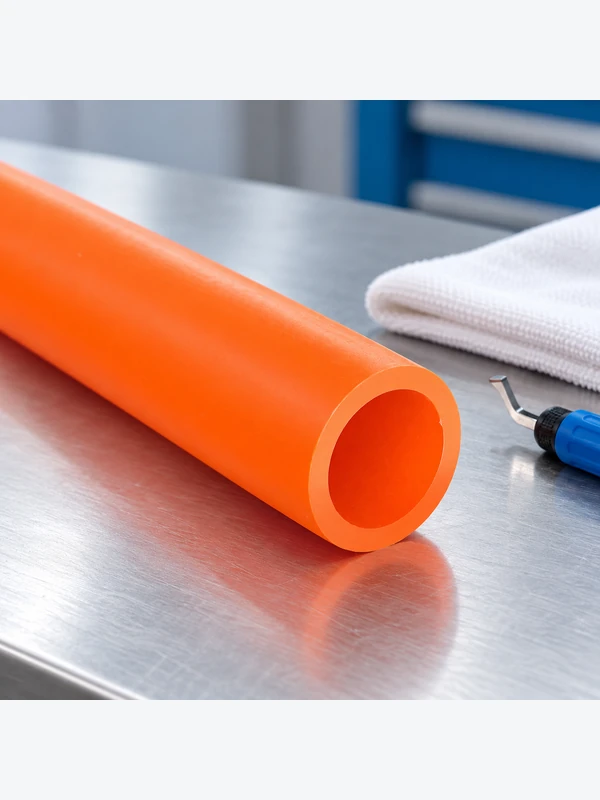
សម្រាប់ខ្សែកាបអុបទិកដែលបញ្ជូនតាមរយៈខ្យល់ ការរក្សាខ្យល់ និងការគ្រប់គ្រងការប៉ះស៊ីដំណើរការរួមគ្នា។ ការធ្លាយធ្វើឱ្យសម្ពាធនៅក្នុងខ្សែកាបថយចុះ ចំណែកភាពរឹង កាកសំណល់ និងការបត់ជ្រុល ធ្វើឱ្យកម្លាំងប្រឆាំងកើនឡើង។ ការផ្លាស់ប្តូរសីតុណ្ហភាពអាចប៉ះពាល់ដល់ទំហំបំពង់ និងចលនានៃខ្សែកាប; សូមប្រើការណែនាំរបស់ក្រុមហ៊ុនផលិតបំពង់សម្រាប់ការដំឡើង និងការរក្សាទុក ជំនួសឱ្យការសនិដ្ឋានអំពីការអនុញ្ញាតទូទៅ។ លក្ខណៈបច្ចេកទេសគួរតែកំណត់សម្ពាធ គោលការណ៍ប្រើប្រាស់សារធាតុរំអិល ការសម្អាត និងការធ្វើតេស្តបញ្ជាក់។.
បំពង់ដែលមានតម្លៃក្នុងមួយខ្សែទាបបំផុត អាចបង្កើតជាតម្លៃនៃគម្រោងខ្ពស់បំផុត ប្រសិនបើវាទាមទារឱ្យមានរណ្តៅចូលប្រើ ការទាញយកខ្សែ ឬការធ្វើការឡើងវិញបន្ទាប់ពីការបូមខ្សែបរាជ័យ។ ជាឧទាហរណ៍ ការចៀសវាងការជីកដីបន្ថែមម្តង និងការត្រឡប់មកវិញរបស់ក្រុមការងារ អាចមានតម្លៃខ្ពស់ជាងការសន្សំសំចៃសម្ភារៈតិចតួច។ ត្រូវបញ្ចូលសមត្ថភាពពង្រីក ភាពជឿជាក់នៃចំណុចភ្ជាប់ ប្រវែងនៃការដឹកជញ្ជូន និងភាពអាចតាមដានបាន ទៅក្នុងការពិនិត្យតម្លៃសរុប។.
| វិធីសាស្រ្ត | សមនឹងបំផុត | ដំណើរការនៃការតំឡើង | ទំនោរថែទាំ និង TCO |
|---|---|---|---|
| ធ្នើរឧបករណ៍ធំ | សេវាកម្មចម្រុះ ឬខ្សែកាបដែលត្រូវបានទាញ | ទីតាំងសម្រាប់ផលិតផលបន្ទាប់; ដំណើរការអាស្រ័យលើស្ថានភាពខាងក្នុង | ផលប៉ះពាល់សម្ភារៈក្នុងសង្គមខ្ពស់ជាង ប៉ុន្តែអាចគាំទ្រដល់ការបំបែកចេញនាពេលអនាគតបាន |
| បំពង់ HDPE តែមួយ | ផ្លូវខ្សែកាបដែលបានកំណត់ | ការតភ្ជាប់ខ្សែបណ្តាញដែលអាចបត់បែនបាន; ផ្ទៀងផ្ទាត់ការគ្រប់គ្រងទំហំរន្ធនិងការពត់ | តម្លៃដំបូងសមរម្យ; ការជំនួសអាចបង្កការរំខានប្រសិនបើសមត្ថភាពត្រូវបានប្រើប្រាស់អស់ |
| ចង្កោមខ្សែបំពង់តូចច្រើនទិស | ការពង្រីក FTTx និងការតភ្ជាប់ជាដំណាក់កាល | ផ្លូវដំណើរដាច់ពីគ្នាជួយបែងចែកការតំឡើងនៅពេលក្រោយ | ជាញឹកញាប់ តម្រូវការកំណត់លក្ខណៈពិសេសដំបូងខ្ពស់ជាង ប៉ុន្តែមានការរំខានតិចជាងសម្រាប់ការបន្ថែម និងការផ្លាស់ប្តូរ។ |
Size the pathway from cable, air, and route constraints
Size the duct using the cable dimensions, usable bore and route conditions. Start with the supplier’s measured inside diameter and cable manufacturer’s maximum outside diameter, then account for couplers, bends, and the ឧបករណ៍បឺត’s operating window. Longer routes generally benefit from stable bore control and fewer joints. Before a long blow, prove the route with a mandrel and clean it with a duct-sized sponge or swab.
For direct burial, specify depth, warning tape, markers, and crossing protection according to local authority and network-owner rules. BICSI’s Outside Plant Design reference treats pathway planning as a coordinated civil, cable, and access design problem. A conduit standard does not replace local excavation safety rules or manufacturer installation limits.
| ស្ថានភាពផ្លូវ | ត្រូវកំណត់អ្វីខ្លះ | Pre-installation check | Primary risk controlled |
|---|---|---|---|
| Short internal or campus run | Compatible bore, fire/building requirements where applicable, accessible terminations | Measure path and inspect bends | Cable damage at fittings |
| Long underground fiber run | Continuous reel lengths where feasible, sealed joints, route records | Mandrel, swab, and air-leak check | Blowing loss and costly re-entry |
| Wet ground or flood-prone area | Water-blocking end caps, gas/water-tight connectors as required, protected chambers | Inspect every termination and enclosure interface | Ingress and debris migration |
| Future-capacity corridor | Spare microducts, clear labels, documented occupancy | Confirm spare paths remain capped and traceable | Repeat excavation |
Requalify the route when cable, bends or air supply change
A successful blowing trial describes the tested combination, not every later job on the route. Keep the cable identity and OD, duct bore and construction, route length, bend arrangement, joins, lubricant policy and machine setup with the result. Record compressor delivery and treatment at the relevant operating conditions; a maximum pressure label alone does not describe the air supply available during installation.
Review the trial when a change affects resistance, clearance or air delivery. Examples include a different cable construction, a new reducer, an added bend, a repaired or flattened duct section, a changed lubricant, or a different compressor and hose arrangement. Engineering should decide which section and acceptance checks must be repeated. A minor administrative change does not automatically require a new trial, but an unrecorded physical change should not be assumed harmless.
Plumettaz’s IWCS 2021 test-guideline abstract highlights how bend-only test trajectories and speed behaviour can influence comparisons, and recommends controlling the end condition of a test. Its example settings belong to that test discussion; they are not operating instructions for every duct or machine. The practical lesson is to retain the route and test method, then make changes visible before comparing results or transferring an approval.
When a route is re-opened, inspect accessible ends and joints for ingress or disturbance and use the approved continuity, cleaning and leakage checks. The microduct fitting guide connects those joint checks to route preparation. Compare cable blowing machines only after the pathway and utilities have been defined, so a blocked duct or inadequate air delivery is not mistaken for an equipment limitation. Keep revised acceptance evidence with the current route drawing.
Check the requirements for buried cable conduit
Standards should improve procurement clarity, not become marketing shorthand. IEC 61386-24 addresses underground conduit systems for cable protection and management. A resin classification, pipe designation or a single laboratory test is not approval of an entire installed cable route. In the United States, OSHA excavation requirements are worker-safety rules, not duct-performance standards.
Unsupported claims such as “waterproof,” “standards compliant,” or “suitable for all blown fiber” can trigger rejected submittals or corrective work. State the destination market, environment, cable method, and test evidence required. Ask for batch identification, dimensional tolerances, and connector compatibility records.
What to confirm before ordering a plastic duct
- Map the route and assign every section an installation method, cable size, bend limit, and environmental exposure.
- Specify measured bore, wall construction, reel length, connector type, end sealing, and evidence needed for acceptance.
- Check that fittings retain a smooth pathway; compatible microduct connectors should be selected as part of the duct system, not after delivery.
- Plan a documented duct installation acceptance process: visual inspection, route proving, cleaning, and a pressure or leakage check where the cable method requires it.
ANMASPC / Microduct Connector supports buyers needing configurable pathways, fittings, and documentation. For compressed-air work, review fiber blowing machines against duct and cable sizes before deployment.
សំណួរដែលសួរញឹកញាប់
What are plastic air ducts used for?
They create a protected pathway for installing and replacing fiber, communications cable, or selected utility cables. In fiber projects, the pathway can support air-assisted installation and later network expansion; the planned cable method determines the duct construction and accessories.
Why is HDPE used for microducts?
HDPE offers useful flexibility, toughness, and resistance to many common environmental exposures while providing a suitable base material for smooth microduct pathways. Buyers should still verify the actual system dimensions, joint design, and application evidence rather than relying on the resin name alone.
What size duct is needed for air-blown fiber?
The correct size depends on the cable outside diameter, blower capability, route length, and bends. Use the cable and equipment manufacturers’ compatibility guidance, then validate the real inside diameter and route condition before the production blow.
Can fiber be installed in an existing plastic duct?
Often yes, if the duct is continuous, clean, dry enough, and large enough for the cable and airflow or pulling arrangement. Survey and prove it first; crushed sections, debris, or unsealed chambers may need remediation.
How do you prevent water from entering a duct?
Seal open ends, select compatible connectors and closures, and protect chamber interfaces from standing water and debris. The effective solution is route-wide: one uncapped spare duct or poorly seated connector can compromise an otherwise well-specified system.
What is the difference between a duct and a microduct?
A duct is the broader protective conduit category, often sized for one or more cables or subducts. A microduct is a smaller, purpose-designed pathway—frequently bundled with others—for placing microcables and preserving spare capacity in fiber networks.
Can a larger nominal duct always carry more fiber?
Not necessarily. Usable performance also depends on cable-to-bore fit, bend profile, surface condition, joint alignment, air sealing and the approved installation method. Confirm the pairing with route measurements and a representative test.
What should be checked before using a plastic duct for air-assisted installation?
Check continuity, bore condition, water or debris, bend and access points, duct and cable compatibility, connector sealing, air supply limits and the records required for the installation handover.
Is a pressure-rated HDPE water pipe automatically suitable as a blowing duct?
No. Pressure-pipe service does not establish the cable passage, friction, joining details or installation window needed for air-blown cable. Verify the intended cable-duct application, dimensions, cable pairing and project acceptance evidence for the exact product.
Does a successful route test remain valid after changing the cable or compressor?
It may require review. Compare the new cable, duct geometry, air delivery and setup with the tested configuration. If the change affects clearance, friction, route resistance or available air, agree an appropriate requalification before relying on the previous result.
ឯកសារយោង
- IEC 61386-24:2004 — Conduit systems buried underground, official scope
- Griffioen និង Jonker / Plumettaz — គោលការណ៍ណែនាំសម្រាប់ការធ្វើតេស្តបញ្ចូលខ្សែកាប, សេចក្តីសង្ខេប IWCS 2021
សេចក្តីសង្ខេប
Choose a plastic cable duct from its intended service, measured geometry and installation method. HDPE material alone does not make a pressure pipe, buried cable conduit and indoor pathway interchangeable. Verify the usable bore, cable pairing, connector compatibility, bends, exposure and acceptance procedure together. Keep the tested route and air-supply configuration with the result, and review that evidence when physical conditions change. Treat underground conduit requirements, product data, blowing trials and building-entry protection as distinct parts of the specification. Keep dimensions, cable pairing, joint details and trial results in the route record so purchasing and installation teams can check the same configuration.



