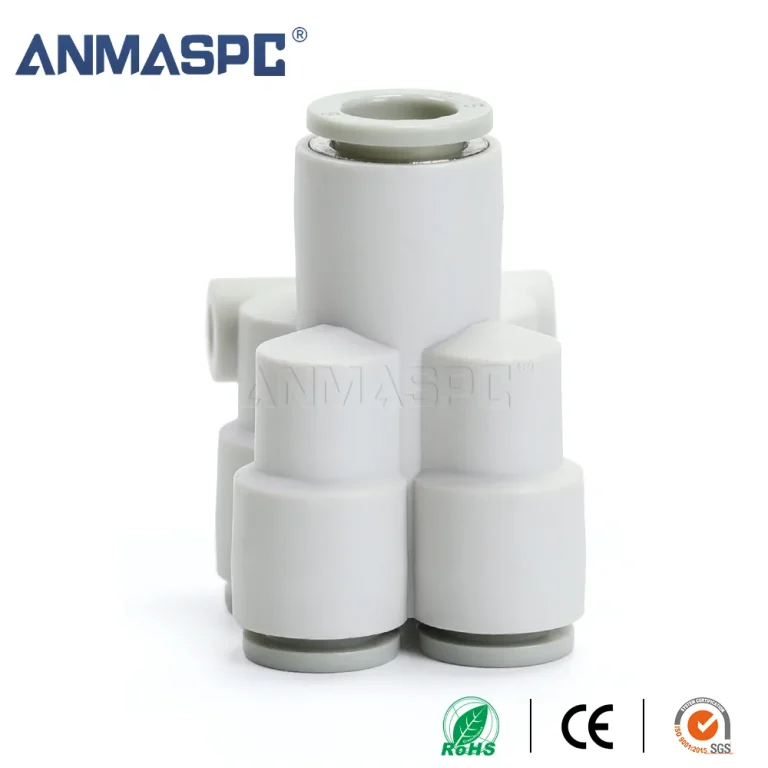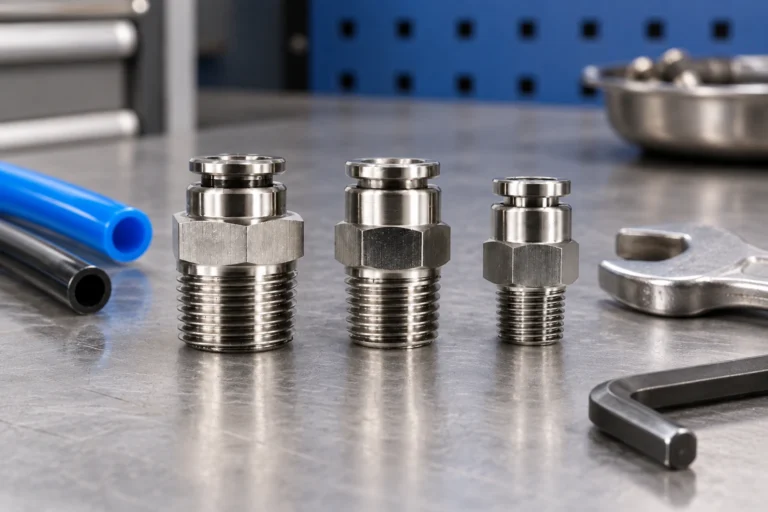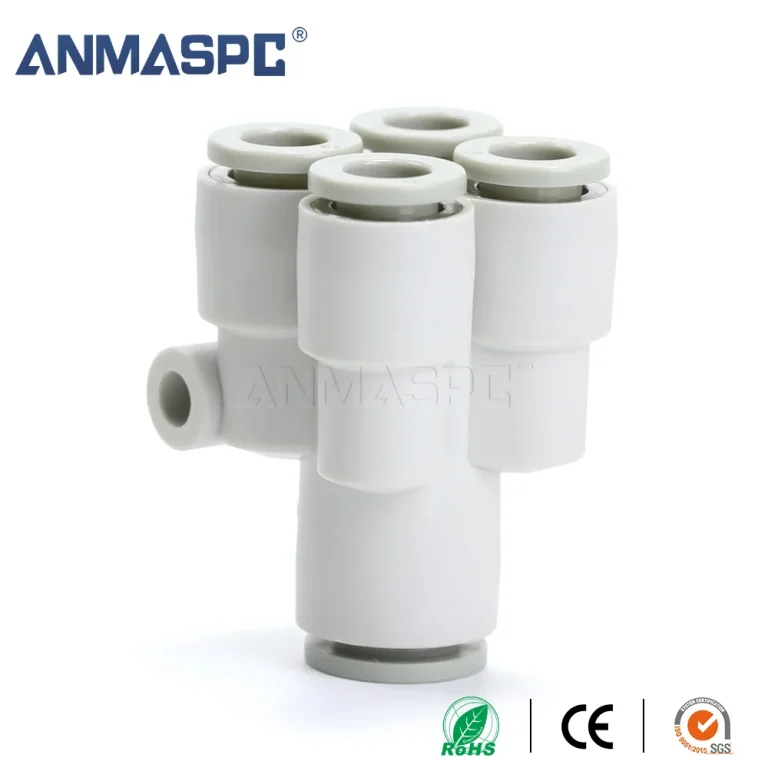
The cylinder refers to the cylindrical metal part that guides the piston to reciprocate linearly in the cylinder. The thermal energy of the air is expanded into mechanical energy in the engine cylinder; the gas compressor cylinder is compressed by the piston to increase the pressure.
Housings for turbines, rotary piston formula engines, etc. Also known as the “cylinder”. Application fields of cylinder: printing (tension control), semiconductor (spot welding machine, chip grinding), automation control, robot, etc.
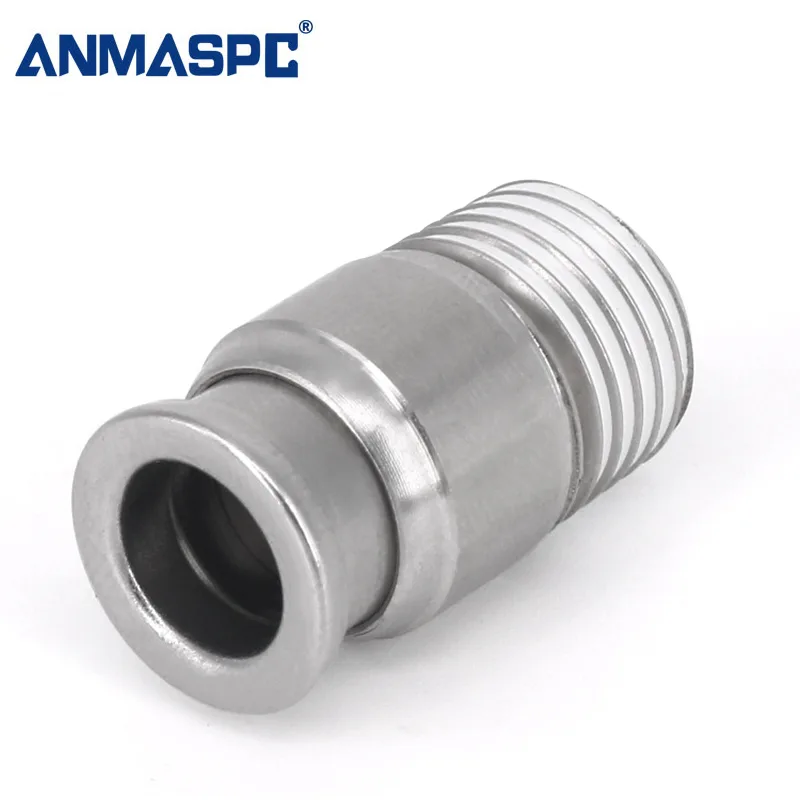
피스톤의 캐비티는 내연기관의 실린더 블록 위에 배치됩니다. 이는 피스톤 운동의 궤적입니다. 이 궤적에서 가스가 연소하며 팽창하고, 실린더 벽을 통해 가스에 의해 전달된 폭발 폐열의 일부가 방출될 수 있어 엔진이 정상적인 작동 온도를 유지할 수 있습니다. 실린더는 일체형과 단독 주조형 모델로 제공됩니다. 단독 주조는 건식과 습식으로 나뉩니다. 실린더와 실린더 블록이 일체로 주조될 때 이를 일체형 실린더라 하고, 실린더와 실린더 블록이 별도로 주조될 때 단독 주조된 실린더 블록을 실린더 셋이라고 합니다. 냉각수와 직접 접촉하는 실린더 그룹을 습식 실린더 그룹이라 하고, 냉각수와 직접 접촉하지 않는 실린더 그룹을 건식 실린더 그룹이라 합니다. 실린더와 피스톤 사이의 접촉 기밀성을 유지하고 그 안에서 피스톤의 운동으로 인한 마찰 손실을 줄이기 위해, 실린더의 내벽은 높은 가공 정밀도와 정확한 모양 및 크기를 가져야 합니다.
공압 전동에서 압축 가스의 압력 에너지를 기계적 에너지로 변환하는 공압 액추에이터. 실린더는 왕복 직선 운동과 왕복 스윙의 두 가지 유형이 있습니다. 왕복 직선 운동 실린더는 단동 실린더, 복동 실린더, 다이어프램 실린더, 충격 실린더의 네 가지 유형으로 나눌 수 있습니다.
① 단동 실린더: 피스톤 로드의 한쪽 끝에만 제공되며, 기압은 가스 공급 및 에너지 축적을 통해 피스톤 측에서 생성됩니다. 기압은 피스톤을 밀어 추력을 생성하고 스프링이나 자체 무게로 복귀합니다.
②복동식 실린더: 피스톤의 양쪽에 교대로 공기를 공급하여, 한 방향 또는 두 방향으로 힘을 출력합니다.
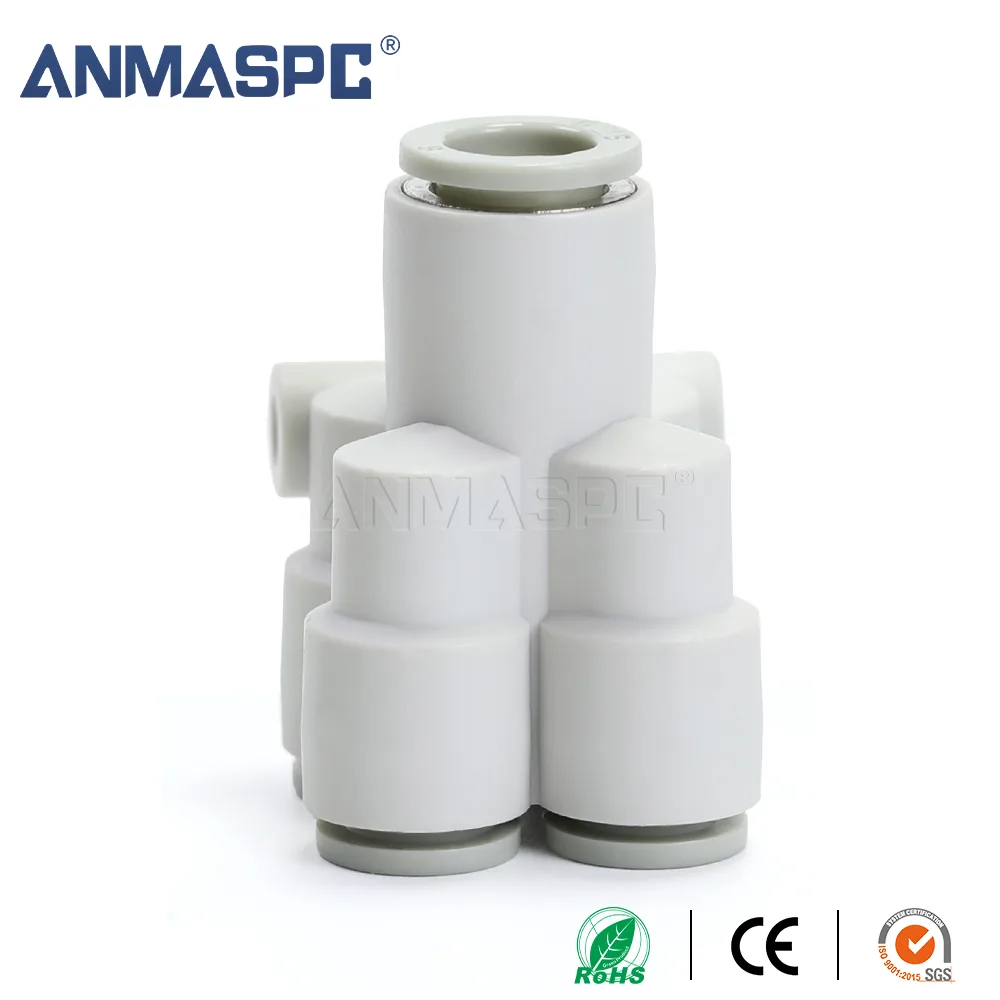
③ 다이어프램 식 실린더: 피스톤 대신 다이어프램을 사용하며, 한 방향으로만 힘을 출력하고 리셋을 위해 스프링을 사용합니다. 실링 성능은 좋으나 스트로크가 짧습니다.
④ 임팩트 실린더: 이것은 새로운 유형의 요소입니다. 압축 가스의 압력 에너지를 고속(10 ~ 20 m/s)으로 움직이는 피스톤의 운동 에너지로 변환하여 일을 합니다.
⑤ 로드리스 실린더: 피스톤 로드가 없는 실린더의 총칭. 자석식 실린더와 케이블식 실린더의 두 가지 종류가 있다.
스윙 실린더는 스윙 실린더라고 불리며, 내부 공동이 날개에 의해 둘로 나뉘고, 두 공동이 교대로 공기를 공급하며, 출력축이 스윙하고, 스윙 각도는 280° 미만입니다. 이 외에도 로터리 실린더, 가스-유압 댐핑 실린더, 스테핑 실린더 등이 있습니다.
2026 selection update: a cylinder is a motion system
A pneumatic 원통 needs a matched force calculation 그리고 maintenance plan. Bore and stroke are only the starting fields; mounting, side load, cushioning, sensing, pressure, speed and contamination determine whether the actuator will run reliably.
| Design field | Verify before release |
|---|---|
| Load | Force direction, effective area, friction, acceleration and guidance. |
| Motion | Stroke, speed, cushioning, cycle rate and end-position sensing. |
| 서비스 | Air quality, temperature, washdown, seal kit and access for inspection. |
Use the basic force relationship for an initial estimate, then confirm the exact manufacturer’s force table and mounting limits. The pneumatic parts range can be matched after the valve, tube and sensor requirements are known.
Why can a correctly sized cylinder still stall?
Side load, guide friction, low supply pressure, flow restriction, valve switching or a binding mechanism can remove the expected margin.
What does a cycle counter add?
It helps expose drift or missed strokes earlier, but it does not replace alignment checks, leak inspection or the supplier’s maintenance instructions.
Which standard should be quoted?
Use the standard applicable to the cylinder family and project; ISO 15552 is a dimensional reference for its scope, not a universal seal or pressure rating.
Frequently asked questions about pneumatic cylinders
What does a pneumatic cylinder do?
It converts compressed-air energy into controlled linear motion through a piston and rod assembly.
How is cylinder force estimated?
Use pressure multiplied by effective piston area, then account for friction, return-spring effects, side loads and the project safety factor.
When should a single-acting cylinder be selected?
Choose it when the process needs powered motion in one direction and a spring or external force can provide the return, subject to the load and cycle requirements.
Why are sensors added to cylinders?
Sensors can confirm end position or cycle state for the controller. They do not correct poor alignment, excessive side load or an undersized actuator.
How do cushioning and speed relate?
Cushioning controls end-of-stroke impact. Set it with the actual load and speed; excessive cushioning can slow the cycle.
What should be included in a cylinder quotation?
Include bore, stroke, mounting, rod and thread details, pressure, speed, load, sensor requirement, environment and expected cycle rate.
참고문헌
- ISO 15552:2018 — official cylinder dimensional reference.
- ISO 4414:2010 — official pneumatic system safety reference.
Summary
Select a cylinder from the actual load and motion, not from bore alone. Confirm force, mounting, guidance, speed, cushioning, sensing and environment, then commission it under the real load. A small record of cycle count, leaks and end-position signals makes maintenance more useful and avoids promising a force or life value that belongs to another model.