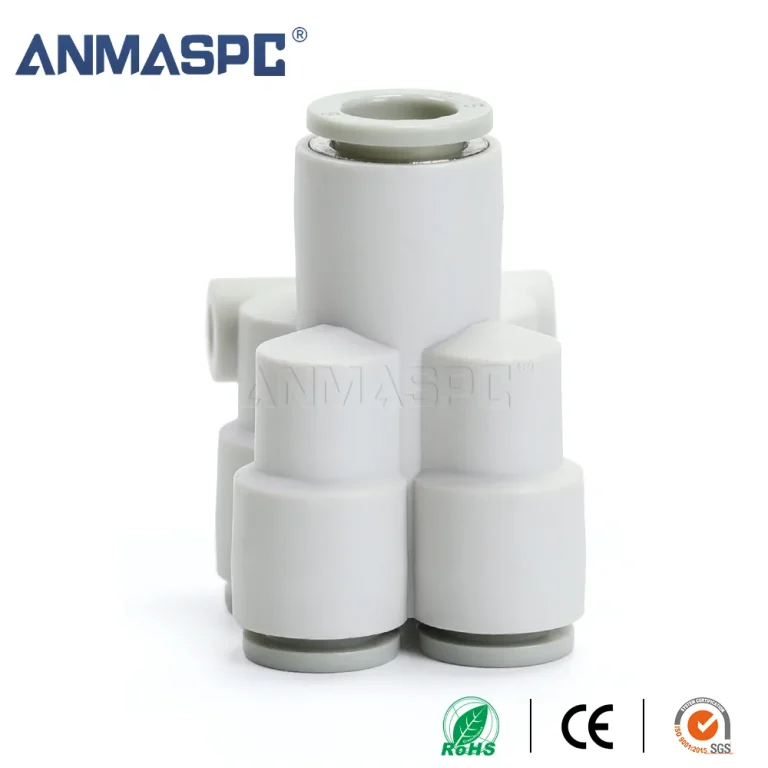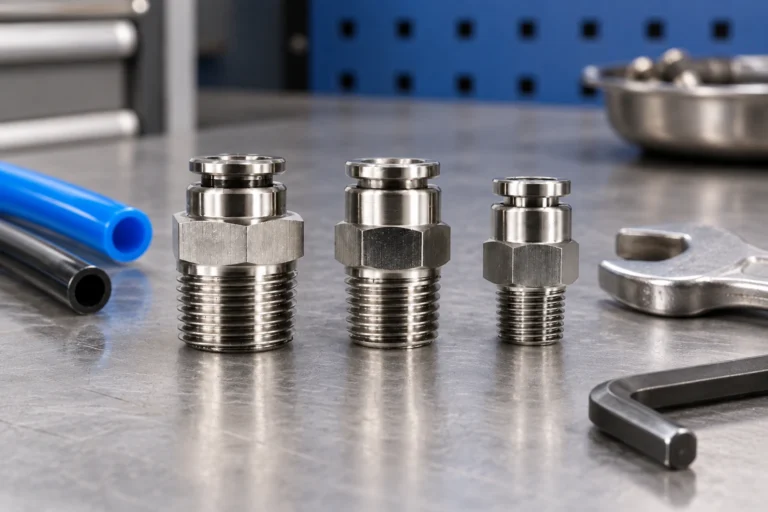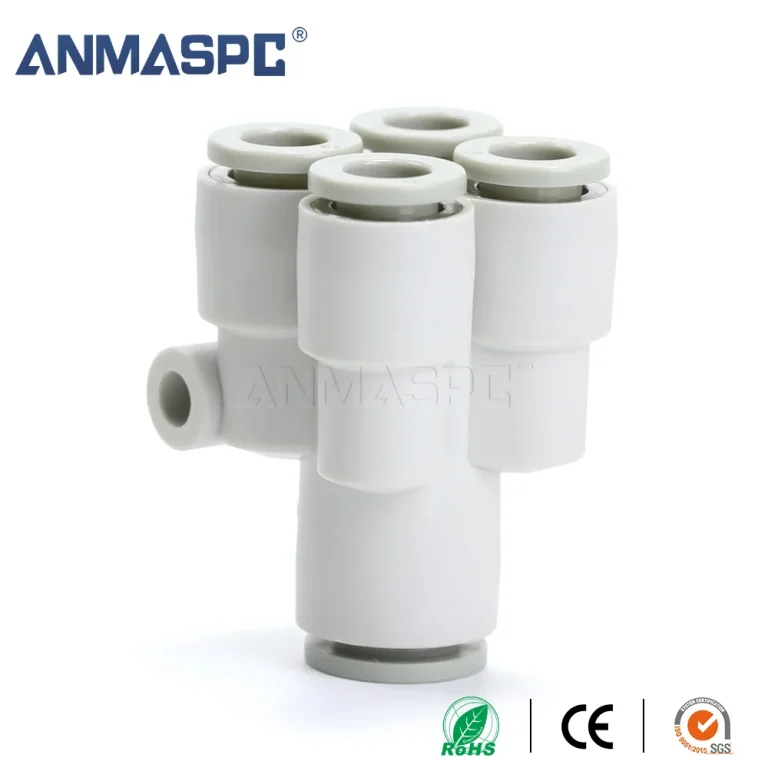
The cylinder refers to the cylindrical metal part that guides the piston to reciprocate linearly in the cylinder. The thermal energy of the air is expanded into mechanical energy in the engine cylinder; the gas compressor cylinder is compressed by the piston to increase the pressure.
Housings for turbines, rotary piston formula engines, etc. Also known as the “cylinder”. Application fields of cylinder: printing (tension control), semiconductor (spot welding machine, chip grinding), automation control, robot, etc.
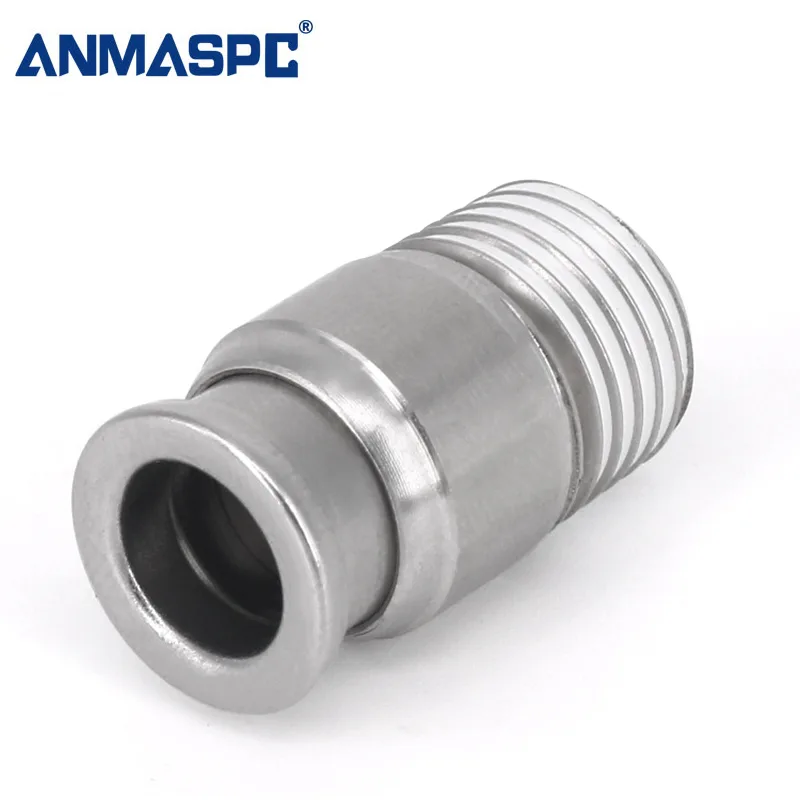
The cavity in the piston is placed on the cylinder block of an internal combustion engine. It is the trajectory of the piston movement. In this trajectory, the gas combustion expands, and through the cylinder wall, a part of the explosive waste heat transmitted by the gas can be dissipated, so that the engine can maintain a normal working temperature. Cylinders are available in one-piece and single-cast models. Single casting is divided into dry type and wet type. When the cylinder and the cylinder block are cast as a whole, it is called an integer cylinder; when the cylinder and the cylinder block are cast separately, the single cast cylinder block is called a cylinder set. The cylinder group that is in direct contact with the cooling water is called the wet cylinder group; the cylinder group that is not in direct contact with the cooling water is called the dry cylinder group. In order to maintain the tightness of the contact between the cylinder and the piston and reduce the friction loss caused by the movement of the piston in it, the inner wall of the cylinder should have high machining accuracy and precise shape and size.
A pneumatic actuator that converts the pressure energy of compressed gas into mechanical energy in pneumatic transmission. There are two types of cylinder reciprocating linear motion and reciprocating swing. Reciprocating linear motion cylinders can be divided into four types: single-acting cylinders, double-acting cylinders, diaphragm cylinders, and impact cylinders.
①Single-acting cylinder: only one end is provided with a piston rod, and air pressure is generated from the piston side through gas supply and energy accumulation. Air pressure pushes the piston to generate thrust and returns by spring or its own weight.
②Double-action cylinder: alternately supply air on both sides of the piston, and output force in one or two directions.
③Diaphragm type cylinder: The diaphragm is used instead of the piston, the force is output in only one direction, and the spring is used for reset. Its sealing performance is good, but the stroke is short.
④ Impact cylinder: This is a new type of element. It converts the pressure energy of the compressed gas into the kinetic energy of the piston moving at high speed (10 ~ 20 m/s) to do work.
⑤Rodless cylinder: The general term for cylinders without piston rods. There are two types of magnetic cylinders and cable cylinders.
The swinging cylinder is called a swinging cylinder, the inner cavity is divided into two by the blades, the two cavities supply air alternately, the output shaft swings, and the swing angle is less than 280°. In addition, there are rotary cylinders, gas-hydraulic damping cylinders and stepping cylinders, etc.
2026 selection update: a cylinder is a motion system
A pneumatic cylinder needs a matched force calculation and maintenance plan. Bore and stroke are only the starting fields; mounting, side load, cushioning, sensing, pressure, speed and contamination determine whether the actuator will run reliably.
| Design field | Verify before release |
|---|---|
| Load | Force direction, effective area, friction, acceleration and guidance. |
| Motion | Stroke, speed, cushioning, cycle rate and end-position sensing. |
| Service | Air quality, temperature, washdown, seal kit and access for inspection. |
Use the basic force relationship for an initial estimate, then confirm the exact manufacturer’s force table and mounting limits. The pneumatic parts range can be matched after the valve, tube and sensor requirements are known.
Why can a correctly sized cylinder still stall?
Side load, guide friction, low supply pressure, flow restriction, valve switching or a binding mechanism can remove the expected margin.
What does a cycle counter add?
It helps expose drift or missed strokes earlier, but it does not replace alignment checks, leak inspection or the supplier’s maintenance instructions.
Which standard should be quoted?
Use the standard applicable to the cylinder family and project; ISO 15552 is a dimensional reference for its scope, not a universal seal or pressure rating.
Frequently asked questions about pneumatic cylinders
What does a pneumatic cylinder do?
It converts compressed-air energy into controlled linear motion through a piston and rod assembly.
How is cylinder force estimated?
Use pressure multiplied by effective piston area, then account for friction, return-spring effects, side loads and the project safety factor.
When should a single-acting cylinder be selected?
Choose it when the process needs powered motion in one direction and a spring or external force can provide the return, subject to the load and cycle requirements.
Why are sensors added to cylinders?
Sensors can confirm end position or cycle state for the controller. They do not correct poor alignment, excessive side load or an undersized actuator.
How do cushioning and speed relate?
Cushioning controls end-of-stroke impact. Set it with the actual load and speed; excessive cushioning can slow the cycle.
What should be included in a cylinder quotation?
Include bore, stroke, mounting, rod and thread details, pressure, speed, load, sensor requirement, environment and expected cycle rate.
References
- ISO 15552:2018 — official cylinder dimensional reference.
- ISO 4414:2010 — official pneumatic system safety reference.
Summary
Select a cylinder from the actual load and motion, not from bore alone. Confirm force, mounting, guidance, speed, cushioning, sensing and environment, then commission it under the real load. A small record of cycle count, leaks and end-position signals makes maintenance more useful and avoids promising a force or life value that belongs to another model.