
난연성 튜브 문서화된 동작이 해당 라인의 노출 조건 및 기계적 작동 조건과 일치하는 경우에만 유용합니다. 재료의 가연성 시험 결과가 저항성을 자동으로 보장하지 않습니다. 용접 스패터, 지속적인 열 또는 압력 손실. 선택 시에는 광범위한 내화 표시에 의존하기보다는 정확한 튜브 구조, 시험 결과, 배관 경로 및 호환되는 피팅을 고려해야 합니다.
난연 튜브는 특정 용도에서 발화 또는 화염 확산을 제한하는 데 도움이 될 수 있지만, 자동으로 방화되거나 내열성이 있거나 직접적인 화염에 노출되는 상황에 적합한 것은 아닙니다. 구매자는 승인 전에 세 가지 사항을 반드시 확인해야 합니다: 정확한 시험 방법과 결과, 튜브의 구조와 크기, 그리고 설치 현장에서의 실제 노출 조건입니다. 실험실에서 얻은 플라스틱 난연성 결과가 호스 어셈블리 전체나 설치 전체를 인증하는 것은 아닙니다. 먼저 위험 요소를 명확히 정의한 다음, 이에 부합하는 문서를 요청하십시오.
어떤 난연성 튜브가 설계된 목적은 무엇인가요?
“난연 튜브”는 제품 설명일 뿐, 보편적인 성능 등급을 의미하지 않습니다. 특정 제형은 명시된 시험 조건 하에서 점화를 방지하거나 화염 확산을 늦추도록 설계될 수 있지만, 지속적인 열에 노출되면 여전히 연화되거나 수축하며, 연기를 발생시키거나 기계적 성능이 저하될 수 있습니다. 따라서 진정으로 물어야 할 질문은 “이 튜브가 불에 타지 않나요?”가 아니라 “어떤 화재 관련 특성이 어떤 시편을 대상으로, 어떤 용도에 맞춰 시험되었나요?”입니다.”
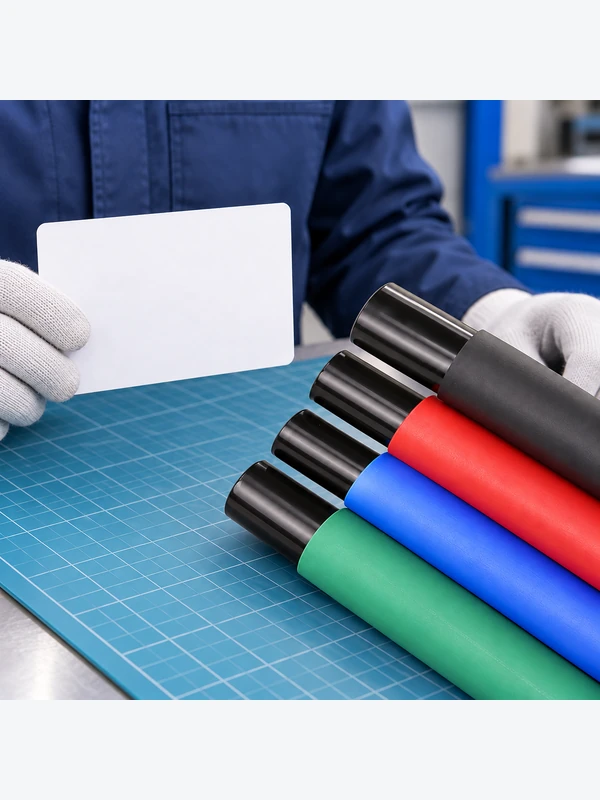
공압 및 산업용 라우팅에서는 배관이 압력 밀봉을 유지하고, 설계된 곡률 반경 내에서 굽혀지며, 피팅 및 유체와의 호환성을 유지해야 합니다. 화재 관련 사항은 작동 압력, 온도 범위, 마모, 화학물질 또는 설치 형상에 대한 검사를 대신할 수 없습니다. 검토하십시오. PU 및 PA 공기 호스의 차이점 기본 폴리머의 선택이 아직 확정되지 않은 경우.
내염성 튜브가 가치를 더할 수 있는 경우
실질적인 장점은 정해진 위치에서의 위험 관리입니다. 공압 라인, 케이블 슬리브 또는 보호 경로가 잠재적 발화원 근처를 지나가고 규격상 화염 확산을 억제해야 하는 경우, 튜브가 유용할 수 있습니다. 그러나 해당 제품이 의도된 사용 조건 하에서 실제로 지연 효과나 보호 기능을 제공하는지는 적용 사례에 따른 증거가 필요하며, 이러한 이점은 제품 설명만으로는 추론할 수 없습니다.
그 혜택은 조건부입니다. 난연성 튜브는 인클로저의 방화 장벽이나 안전 가드의 대체물이 아니며, 화재 발생 시 시스템이 계속 작동할 것이라는 보장도 아닙니다. 설계 시 분리, 차폐, 환기 및 비상 절차를 반드시 포함하십시오. NFPA의 코드 및 표준 디렉터리 이는 설치를 규율하는 적용 코드를 파악하는 데 유용한 출발점입니다. 관련 코드는 마케팅 상의 수식어만이 아니라 시장과 용도에 따라 달라집니다.
화재 성능 주장 검증 방법
명시된 메서드부터 시작하세요.
표준 번호, 판수, 실험실 또는 사내 방법, 시편 두께, 방향, 조건화 및 보고된 결과를 요청하십시오. UL의 가연성 시험 개요 플라스틱 시험이 정의된 재료와 시험 장비 구성에 반드시 연계되어야 하는 이유를 설명합니다. 시험 대상 구조가 명시되지 않은 방법명은 불완전한 증거입니다.
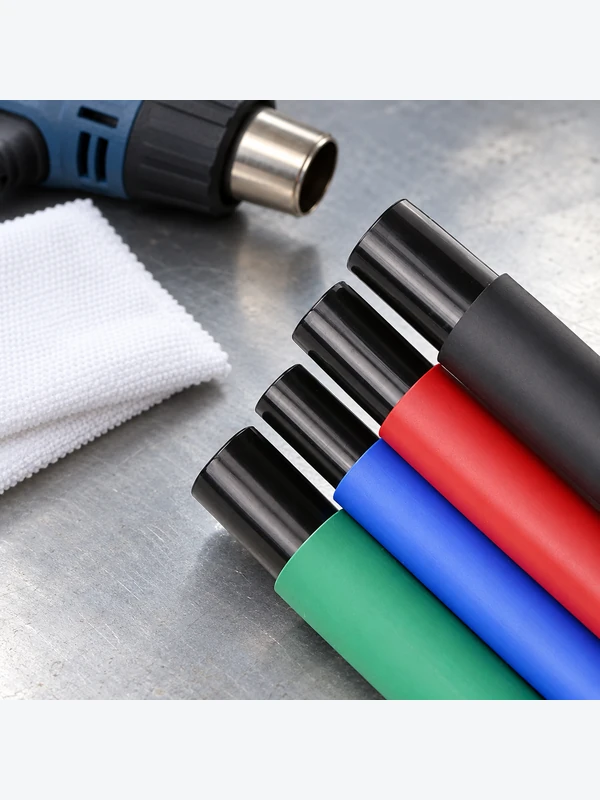
시험 방법과 인증을 분리하십시오.
플라스틱 시험 방법은 동일한 수지로 제조된 모든 관을 포괄적으로 인증하는 것이 아닙니다. 평판, 다른 벽 두께 또는 다른 색상에 대한 보고서가 완제품 관을 대표하지 않을 수 있습니다. 구매하려는 실제 구성이 명시된 보고서나 선언문을 요청하고, 요구 사항이 재료, 부품, 또는 조립된 시스템 중 무엇을 대상으로 하는지 확인하십시오.
테스트를 노출에 맞추세요.
단시간 화염 노출, 복사열, 용접 스패터, 고온 표면 및 밀폐된 화재 환경은 각각 다른 위험 요소입니다. 예상되는 접촉 여부, 지속 시간, 이격 거리, 이동 방식을 기록하고, 튜브가 압력에 견딜 수 있어야 하는지 여부도 명시하십시오. 요구되는 성능 증빙 자료가 없는 경우, 해당 튜브는 잠정적으로 난연 튜브로 기술하되, 명시된 등급이 있는 내화 튜브로 과대 포장해서는 안 됩니다.
UL 94, V-0 및 VTM-0를 동등하게 취급하지 마십시오.
UL의 연소 및 화재 시험 개요 정해진 조건 하에 수행되는 소규모 플라스틱 시험을 설명합니다. UL 94 분류는 시편과 시험 구성에 따라 달라집니다. 얇은 재료에 대한 VTM-0 결과는 V-0와 동등하게 취급할 수 없습니다. 규격에서 특정 분류를 요구할 때에는, 두 결과 모두 숫자 ‘0’을 포함하고 있다는 이유만으로 서로 다른 명칭의 결과를 받아들여서는 안 됩니다.
지원 문서에서 재료 명칭, 시험 두께, 해당되는 경우 색상 커버리지, 조건 처리 및 방향을 확인하십시오. 그런 다음, 해당 증거가 구매한 튜브의 벽체와 구조와 어떻게 관련되는지 문의하십시오. 수지 샘플이나 평판이 다층 압력 튜브의 거동을 자동으로 입증하는 것은 아닙니다. 그 관계가 문서화되어 있지 않다면, 주장을 확대하지 말고 해당 제한 사항을 기록하십시오.
비교하기 PU 및 PA 호스 재질 선택 전체 적용 요구사항에 따라 평가하십시오. 두 고분자 명칭 모두 가연성 등급, 연기 발생 성능 또는 용접 스패터 저항 성능을 규정하지 않습니다. 이러한 증빙 요청 사항은 치수, 압력 및 fitting-compatibility checks so that a successful material test is not asked to answer an unrelated mechanical question.
Match tubing flexibility and cover construction to the installation
Fire performance is only one line in the specification. A tube that passes a named flammability test can still be the wrong choice if its bend radius, fitting grip, pressure capability, or chemical compatibility does not suit the route. Treat total cost as the cost of the tube, compatible fittings, installation time, inspection, replacement, and the consequence of an unplanned shutdown; avoid assuming that a higher-cost formulation is automatically the lowest-risk option.
| 결정 차원 | 무엇을 비교할 것인가 | 구매자의 행동 |
|---|---|---|
| Flame behavior | Named method, specimen, result, and exposure relevance | Obtain the report for the exact construction |
| Mechanical fit | Outside diameter, wall, bend route, pressure, and fitting grip | Check the drawing and perform a representative assembly trial |
| 환경 | Heat, abrasion, chemicals, UV, moisture, and moving parts | Use the supplier’s compatibility data and define limits |
| 유지보수 | Inspection access, replacement interval, and spare format | Document a visual and pressure-check routine |
| Commercial risk | Traceability, change control, lead time, and evidence pack | Make documentation a purchase-order requirement |
Check the hose against heat, movement and cleaning exposure
| 지원 조건 | 요청할 증거 | Open question before approval |
|---|---|---|
| Near occasional hot particles | Exposure description and material test scope | What prevents direct, sustained contact? |
| Inside a guarded machine | Assembly drawing, routing and inspection instructions | Can the tube be replaced without disturbing the guard? |
| Continuous outdoor routing | UV, temperature and weathering limits, if required | Is the fire requirement separate from outdoor durability? |
| Pressure line with frequent motion | Pressure, bend, cycle and fitting compatibility data | Does the selected tube remain secure through the motion? |
Specify heat, spatter and pressure retention separately
Welding spatter introduces a local hot-particle exposure. Radiant heat, sustained contact with a hot surface and a small laboratory flame are different conditions. Describe the expected source, location, duration and movement of the line, and ask what evidence addresses that exposure. Do not infer resistance to molten particles from a general self-extinguishing or flame-retardant description.
Pressure retention is another requirement. A tube may stop burning under a test condition yet soften, puncture or lose its intended fitting engagement under a different exposure. Define whether the project needs only a documented material behavior, a protected route or continued pneumatic function under specified conditions. Any claim about remaining operational needs relevant assembly-level evidence; a UL material classification alone does not provide it.
그 welding-area pneumatic hose guide is a starting point for the application questions. Confirm the actual product’s limits and protection method before selection. Route changes, shielding, separation and accessible isolation may be necessary regardless of the tube formulation, and their suitability belongs in the machine or site risk assessment.
Assess the tube and pneumatic connection components together. Record tube dimensions, fitting family, movement and replacement access. At inspection, investigate surface damage, kinks or discolouration under the approved maintenance procedure rather than continuing operation on the assumption that a flame-retardant label permits heat damage. Keep replacement construction tied to the approved specification and notify engineering when a proposed alternative changes the evidence basis.
Confirm which fire test applies to the quoted tubing
- UL plastics flammability testing: a testing service overview; confirm the method, material, specimen and report scope before using a result in a specification.
- A material test report must be checked against its stated scope; it does not automatically approve a finished tube in every application.
- NFPA codes and standards: an index for application-specific fire and life-safety requirements. The applicable edition and jurisdiction must be checked by the project team.
Unsupported wording can create technical and commercial exposure: a “fireproof” claim may be read as continuous fire endurance, while the available evidence may only address flame spread in a laboratory specimen. Put the limitation in the datasheet and purchase specification. The same discipline applies to claims about smoke, toxicity, self-extinguishing behavior, or regulatory approval.
Procurement checklist for a flame retardant tubing project
- Describe the hazard: flame, hot particle, radiant heat, hot surface, or another condition; include duration and clearance.
- Define the tube job: air or fluid, pressure, motion, bend radius, fitting family, and inspection access.
- Request the exact test method, report or declaration, specimen details, and any exclusions.
- Trial the selected size and fitting in a representative route; inspect for kinks, pull-out, abrasion, and heat exposure.
- Freeze the approved construction and require change notification for resin, wall, color, supplier, or process changes.
For fitting selection, use the practical checks in our guide to choosing plastic pneumatic fittings. If you need to compare available connection options, review the pneumatic fittings range alongside the tubing drawing rather than treating the tube as a standalone component.
자주 묻는 질문
Is flame retardant tubing fireproof?
No. Flame retardant normally describes a defined resistance to ignition or flame spread under a test condition; it does not promise continuous fire exposure, structural integrity, or zero smoke. Verify the method and application limits before using the term in a safety claim.
What is the difference between flame-resistant and flame-retardant tubing?
Usage varies by supplier and industry, so the words are not a reliable substitute for a test result. Ask what behavior was measured, on which construction, and whether the result applies to the finished tube or only a material sample.
Can flame retardant tubing be used near welding equipment?
Possibly, but proximity to welding introduces hot particles, radiant heat, abrasion, and movement that may not be represented by a plastics flammability test. Define shielding, clearance, exposure duration, and pressure requirements, then confirm the route with the responsible safety engineer.
Does a UL or ISO reference mean the tube is certified?
Not by itself. UL and ISO references can identify a test service or method; certification, listing, or approval requires the specific program and scope to be verified. Request the document that names the purchased construction and the claim you intend to make.
How should I specify a flame retardant tube for a pneumatic line?
Specify the medium, pressure, temperature, outside diameter and wall, bend and motion, fitting system, environmental exposure, and required fire-performance evidence. Include the test method and documentation requirement instead of relying on “flame resistant” as the only line item.
What should I do if the supplier cannot provide a test report?
Ask for a signed technical declaration with the exact construction and limitations, or commission a suitable evaluation before making a regulated or safety-critical claim. Until evidence is available, use conservative language and do not treat the tubing as a verified fire-protection component.
Is a UL 94 VTM-0 result equivalent to V-0 for tubing?
No. The classifications use different test arrangements and are not interchangeable. Check the exact material, specimen thickness, result and relationship to the purchased construction. Do not replace a specified V-0 requirement with VTM-0 without a justified and approved technical review.
Does a UL 94 material classification prove a tube will retain compressed air near welding spatter?
No. Material flammability and pressure retention under hot-particle exposure are different requirements. Request evidence for the intended tube assembly and exposure, and address routing, shielding and isolation in the application risk assessment.
참고문헌
- UL, Flammability Testing.
- NFPA, Codes & Standards.
- UL Solutions: Combustion and Fire Tests for Plastics
요약
Select flame retardant tubing by matching the exact construction and test evidence to the real exposure. Keep V-0 and VTM-0 classifications distinct, and assess heat, welding spatter, smoke requirements and pressure retention separately. Confirm dimensions, movement and fitting compatibility alongside the fire-related evidence. Document the approved route and protection measures so maintenance staff know which damage requires investigation and which replacement construction has actually been accepted.



