
難燃性チューブ その有用性は、文書化された挙動が当該ラインの露出条件および機械的負荷要件に適合している場合に限られます。材料の燃焼特性に関する結果だけでは、耐性が自動的に確立されるわけではありません。 溶接スパッタ, 、継続的な熱または圧力の損失。選定にあたっては、広義の耐火ラベルに頼るのではなく、正確な管構造、試験結果、配管経路、および互換性のある継手を考慮する必要があります。.
難燃性チューブは、特定の用途において着火や炎の拡がりを抑制するのに役立ちますが、自動的に耐火・耐熱性能を備えているわけでも、直接の炎にさらされる用途に適しているわけでもありません。購入者は承認前に以下の3点を確認する必要があります:正確な試験方法とその結果、チューブの構造とサイズ、および設置時の実際の使用環境です。ラボでのプラスチックの燃焼試験結果は、ホースアセンブリ全体や設置状況を証明するものではありません。まず危険源を明確に定義し、それに適合する資料を要求してください。.
難燃性チューブの設計目的
“「難燃性チューブ」とは製品の説明であり、普遍的な性能等級を示すものではありません。ある配合は、特定の試験条件下で着火を抑制したり炎の拡がりを遅らせたりするよう設計されている一方で、持続的な熱にさらされると軟化・収縮し、煙を発生させたり、機械的性能が低下したりすることがあります。したがって、真摯な問いは「このチューブは耐火性ですか?」ではなく、「どの火災関連挙動が、どのような試験片を用いて、どのような用途に対して試験されたのか?」です。”
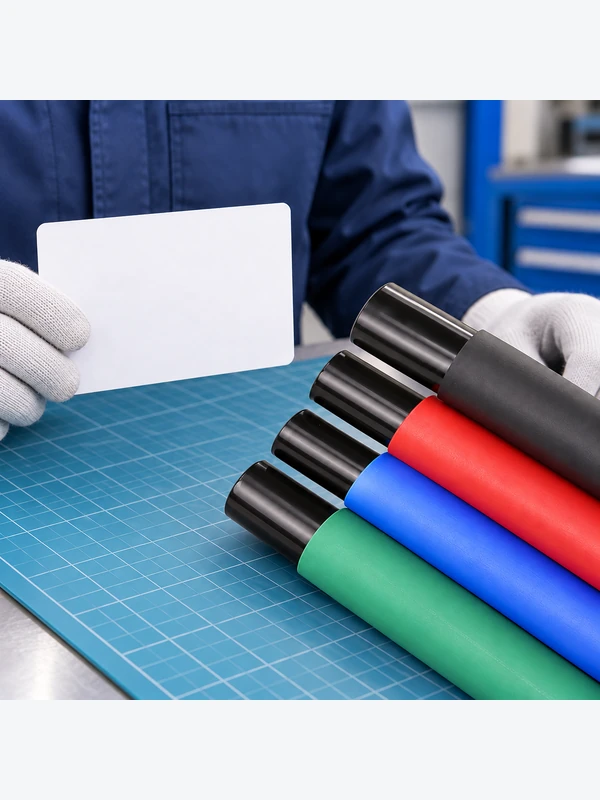
空気圧および産業用配管においては、チューブもまた、耐圧シールを維持し、所定の曲げ半径で屈曲可能であり、接続部品および流体と互換性を保つ必要があります。火災に関する記述は、使用圧力、温度範囲、耐摩耗性、薬品への耐性、または設置時の幾何学的条件の確認に代わるものではありません。検討してください。 PUホースとPAホースの違い ベースポリマーの選択がまだ確定していない場合。.
難燃性チューブが付加価値をもたらす場面
実用的な利点は、特定の箇所でのリスク管理です。空気圧ライン、ケーブルスリーブ、または保護経路が発火源の近くを通る場合で、仕様書に燃焼拡散の低減が求められる場合には、チューブが有効なことがあります。想定される条件下で実際に遅延や保護効果が得られるかどうかは、用途ごとの実証データが必要であり、製品仕様書だけからはその効果を推測することはできません。.
その利点には条件があります。難燃性チューブは、筐体の防火仕切りでも、保護対策の代替でもなく、火災時にシステムが稼働し続けることを保証するものでもありません。設計時には、隔離、遮蔽、換気、および緊急時の手順を必ず考慮してください。NFPAの コードおよび規格のディレクトリ は、インストールを規定する適用法令コードを特定するための有用な出発点です。該当するコードは、マーケティング上の修飾語のみに依存するのではなく、市場および用途によって異なります。.
防火性能に関する主張の検証方法
指定されたメソッドから開始してください
規格番号、版、試験所または社内手法、試験片の厚さ、方向、調整状態、および報告される結果を必ず確認してください。ULの flammability testing overview explains why a plastics test has to be tied to a defined material and test setup. A method name without the tested construction is incomplete evidence.
Separate test method from certification
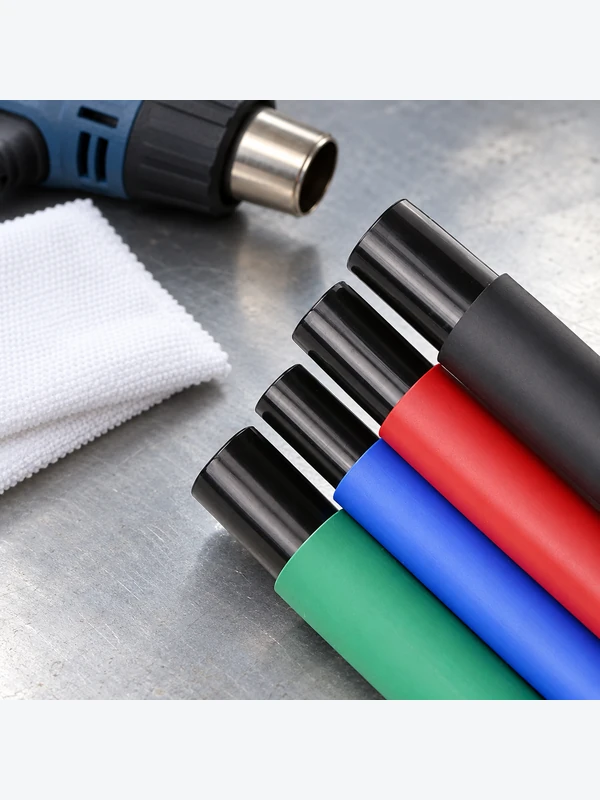
A plastics test method is not blanket certification of every tube made from a similar resin. A report for a flat plaque, a different wall thickness, or a different color may not represent the finished tube. Request a report or declaration that identifies the actual construction being purchased, and confirm whether the requirement is for the material, the component, or the assembled system.
Match the test to the exposure
Short-duration flame exposure, radiant heat, welding spatter, hot surfaces, and an enclosed fire scenario are different hazards. Record the expected contact, duration, clearance, movement, and whether the tube must remain pressure-tight. If the required evidence is unavailable, describe the tube conservatively as flame-retardant tubing rather than fire resistant tubing with an implied rating.
Do not treat UL 94 V-0 and VTM-0 as equivalent
UL’s combustion and fire testing overview describes small-scale plastics tests performed under defined conditions. UL 94 classifications depend on the specimen and test configuration. A VTM-0 result for thin material is not interchangeable with V-0. When a specification calls for one classification, do not accept a differently named result merely because both contain the number zero.
Check the material designation, tested thickness, colour coverage where relevant, conditioning and orientation in the supporting documentation. Then ask how that evidence relates to the purchased tube wall and construction. A resin sample or flat plaque does not automatically demonstrate the behavior of a multilayer pressure tube. If the relationship is not documented, record the limitation instead of extending the claim.
Compare the PU and PA hose material choices on their full application requirements. Neither polymer name establishes a flammability classification, smoke result or welding-spatter performance. Keep those evidence requests separate from dimensional, pressure and fitting-compatibility checks so that a successful material test is not asked to answer an unrelated mechanical question.
Match tubing flexibility and cover construction to the installation
Fire performance is only one line in the specification. A tube that passes a named flammability test can still be the wrong choice if its bend radius, fitting grip, pressure capability, or chemical compatibility does not suit the route. Treat total cost as the cost of the tube, compatible fittings, installation time, inspection, replacement, and the consequence of an unplanned shutdown; avoid assuming that a higher-cost formulation is automatically the lowest-risk option.
| 決定の次元 | 何を比較するか | 購入者の行動 |
|---|---|---|
| Flame behavior | Named method, specimen, result, and exposure relevance | Obtain the report for the exact construction |
| Mechanical fit | Outside diameter, wall, bend route, pressure, and fitting grip | Check the drawing and perform a representative assembly trial |
| 環境 | Heat, abrasion, chemicals, UV, moisture, and moving parts | Use the supplier’s compatibility data and define limits |
| メンテナンス | Inspection access, replacement interval, and spare format | Document a visual and pressure-check routine |
| Commercial risk | Traceability, change control, lead time, and evidence pack | Make documentation a purchase-order requirement |
Check the hose against heat, movement and cleaning exposure
| 応募条件 | 要求する証拠 | Open question before approval |
|---|---|---|
| Near occasional hot particles | Exposure description and material test scope | What prevents direct, sustained contact? |
| Inside a guarded machine | Assembly drawing, routing and inspection instructions | Can the tube be replaced without disturbing the guard? |
| Continuous outdoor routing | UV, temperature and weathering limits, if required | Is the fire requirement separate from outdoor durability? |
| Pressure line with frequent motion | Pressure, bend, cycle and fitting compatibility data | Does the selected tube remain secure through the motion? |
Specify heat, spatter and pressure retention separately
Welding spatter introduces a local hot-particle exposure. Radiant heat, sustained contact with a hot surface and a small laboratory flame are different conditions. Describe the expected source, location, duration and movement of the line, and ask what evidence addresses that exposure. Do not infer resistance to molten particles from a general self-extinguishing or flame-retardant description.
Pressure retention is another requirement. A tube may stop burning under a test condition yet soften, puncture or lose its intended fitting engagement under a different exposure. Define whether the project needs only a documented material behavior, a protected route or continued pneumatic function under specified conditions. Any claim about remaining operational needs relevant assembly-level evidence; a UL material classification alone does not provide it.
ザ welding-area pneumatic hose guide is a starting point for the application questions. Confirm the actual product’s limits and protection method before selection. Route changes, shielding, separation and accessible isolation may be necessary regardless of the tube formulation, and their suitability belongs in the machine or site risk assessment.
Assess the tube and pneumatic connection components together. Record tube dimensions, fitting family, movement and replacement access. At inspection, investigate surface damage, kinks or discolouration under the approved maintenance procedure rather than continuing operation on the assumption that a flame-retardant label permits heat damage. Keep replacement construction tied to the approved specification and notify engineering when a proposed alternative changes the evidence basis.
Confirm which fire test applies to the quoted tubing
- UL plastics flammability testing: a testing service overview; confirm the method, material, specimen and report scope before using a result in a specification.
- A material test report must be checked against its stated scope; it does not automatically approve a finished tube in every application.
- NFPA codes and standards: an index for application-specific fire and life-safety requirements. The applicable edition and jurisdiction must be checked by the project team.
Unsupported wording can create technical and commercial exposure: a “fireproof” claim may be read as continuous fire endurance, while the available evidence may only address flame spread in a laboratory specimen. Put the limitation in the datasheet and purchase specification. The same discipline applies to claims about smoke, toxicity, self-extinguishing behavior, or regulatory approval.
Procurement checklist for a flame retardant tubing project
- Describe the hazard: flame, hot particle, radiant heat, hot surface, or another condition; include duration and clearance.
- Define the tube job: air or fluid, pressure, motion, bend radius, fitting family, and inspection access.
- Request the exact test method, report or declaration, specimen details, and any exclusions.
- Trial the selected size and fitting in a representative route; inspect for kinks, pull-out, abrasion, and heat exposure.
- Freeze the approved construction and require change notification for resin, wall, color, supplier, or process changes.
For fitting selection, use the practical checks in our guide to choosing plastic pneumatic fittings. If you need to compare available connection options, review the pneumatic fittings range alongside the tubing drawing rather than treating the tube as a standalone component.
よくある質問
Is flame retardant tubing fireproof?
No. Flame retardant normally describes a defined resistance to ignition or flame spread under a test condition; it does not promise continuous fire exposure, structural integrity, or zero smoke. Verify the method and application limits before using the term in a safety claim.
What is the difference between flame-resistant and flame-retardant tubing?
Usage varies by supplier and industry, so the words are not a reliable substitute for a test result. Ask what behavior was measured, on which construction, and whether the result applies to the finished tube or only a material sample.
Can flame retardant tubing be used near welding equipment?
Possibly, but proximity to welding introduces hot particles, radiant heat, abrasion, and movement that may not be represented by a plastics flammability test. Define shielding, clearance, exposure duration, and pressure requirements, then confirm the route with the responsible safety engineer.
Does a UL or ISO reference mean the tube is certified?
Not by itself. UL and ISO references can identify a test service or method; certification, listing, or approval requires the specific program and scope to be verified. Request the document that names the purchased construction and the claim you intend to make.
How should I specify a flame retardant tube for a pneumatic line?
Specify the medium, pressure, temperature, outside diameter and wall, bend and motion, fitting system, environmental exposure, and required fire-performance evidence. Include the test method and documentation requirement instead of relying on “flame resistant” as the only line item.
What should I do if the supplier cannot provide a test report?
Ask for a signed technical declaration with the exact construction and limitations, or commission a suitable evaluation before making a regulated or safety-critical claim. Until evidence is available, use conservative language and do not treat the tubing as a verified fire-protection component.
Is a UL 94 VTM-0 result equivalent to V-0 for tubing?
No. The classifications use different test arrangements and are not interchangeable. Check the exact material, specimen thickness, result and relationship to the purchased construction. Do not replace a specified V-0 requirement with VTM-0 without a justified and approved technical review.
Does a UL 94 material classification prove a tube will retain compressed air near welding spatter?
No. Material flammability and pressure retention under hot-particle exposure are different requirements. Request evidence for the intended tube assembly and exposure, and address routing, shielding and isolation in the application risk assessment.
参考文献
- UL, Flammability Testing.
- NFPA, Codes & Standards.
- UL Solutions: Combustion and Fire Tests for Plastics
要約
Select flame retardant tubing by matching the exact construction and test evidence to the real exposure. Keep V-0 and VTM-0 classifications distinct, and assess heat, welding spatter, smoke requirements and pressure retention separately. Confirm dimensions, movement and fitting compatibility alongside the fire-related evidence. Document the approved route and protection measures so maintenance staff know which damage requires investigation and which replacement construction has actually been accepted.



