
لوله ضد آتش فقط زمانی مفید است که رفتار مستندش با در دسترس بودن و بار کاری مکانیکی خط هماهنگ باشد. یک نتیجه قابلیت اشتعال مواد بهطور خودکار مقاومت در برابر را ثابت نمیکند. پاشش جوشکاری, ، از دست دادن مداوم گرما یا فشار. انتخاب باید به ساختار دقیق لوله، شواهد آزمایشی، نحوه کشیدن خطوط و اتصالات سازگار متصل شود، نه اینکه تنها بر روی یک برچسب گسترده مقاوم در برابر آتش تکیه کرد.
لولههای ضد اشتعال میتوانند در کاربردهای مشخص به محدود کردن شعلهگیری یا گسترش آتش کمک کنند، اما این به معنای مقاومت ذاتی در برابر حرارت یا مناسب بودن برای تماس مستقیم با شعله نیست. خریداران قبل از تأیید باید سه مورد را بررسی کنند: روش و نتیجه دقیق آزمایش، ساختار و اندازه لوله، و شرایط واقعی قرارگیری در محل نصب. یک نتیجه آزمایشی مقاومت در برابر شعله در مواد پلاستیکی در آزمایشگاه، تمامیت یک مجموعه لوله یا نصب را تأیید نمیکند. ابتدا خطر را تعیین کنید، سپس مدارکی را تقاضا کنید که با آن مطابقت داشته باشد.
لوله ضد آتش طراحی شده برای انجام چه کاری است؟
“لوله ضد اشتعال” یک توصیف محصول است، نه یک درجه عملکرد جهانی. یک فرمولاسیون ممکن است برای مقاومت در برابر اشتعال یا کاهش سرعت پخش شعله تحت یک شرایط آزمایشی مشخص طراحی شده باشد، اما هنوز هم ممکن است در معرض حرارت مداوم نرم شود، منقبض شود، دود تولید کند یا از لحاظ مکانیکی از کار بیفتد. بنابراین، سوال صادقانه این نیست که “آیا این لوله ضد آتش است؟” بلکه این است که “چه رفتاری مرتبط با آتش بر روی چه نمونهای و برای چه کاربردی آزمایش شده است؟”
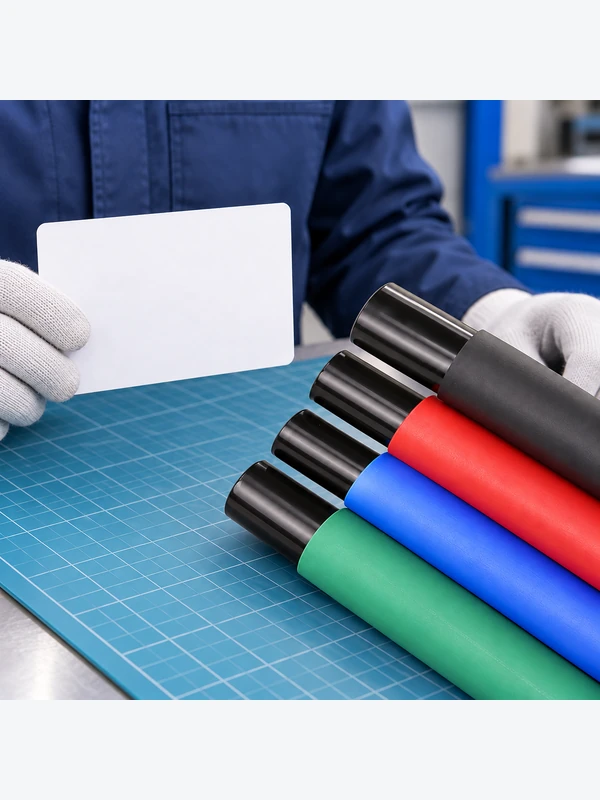
در مسیریابی فشارهوایی و صنعتی، لولهها نیز باید از جوشکاری تحت فشار محافظت کنند، در شعاع طراحیشده خم شوند و با اتصالات و سیال مطابقت داشته باشند. یک ادعای مربوط به آتشنشانی نمیتواند جایگزین بررسیهای فشار عملیاتی، دامنه دما، سایش، مواد شیمیایی یا هندسه نصب شود. بررسی کنید تفاوتهای بین شلنگ هوای پییو و پیاِی زمانی که انتخاب پلیمر پایه هنوز مشخص نیست.
جایی که یک لوله مقاوم در برابر شعله میتواند ارزش افزوده ایجاد کند
بهره عملی آن، کنترل خطر در یک مکان مشخص است. لولهای ممکن است در مواردی مفید باشد که خط هوای فشرده، پوشش کابل یا مسیر محافظتی در نزدیکی منبع احتمالی شعله قرار دارد و مواصفات به جلوگیری از گسترش شعله اشاره دارد. اینکه آیا تحت تأثیرات مورد نظر تأخیر یا حفاظت قابل توجهی ایجاد میکند، نیازمند شواهد مختص به کاربرد است؛ این مزایا تنها از روی توصیف محصول قابل استنباط نیستند.
آن مزیت مشروط است. لوله ضد اشتعال، یک سد آتش برای یک محفظه، جایگزینی برای محافظت، یا اثبات اینکه یک سیستم در حین آتشسوزی فعال باقی خواهد ماند، نیست. در طراحی، فاصلهگذاری، محافظت، تهویه و دستورالعملهای اضطراری را رعایت کنید. NFPA فهرست کدها و استانداردها نقطه شروع مفیدی برای شناسایی کد کاربردی که نصب را تنظیم میکند است؛ کد مرتبط به بازار و نحوه استفاده بستگی دارد، نه فقط به صفت بازاریابی.
چگونه ادعاهای عملکرد در برابر آتش را تأیید کنیم
با روش نامگذاری شده شروع کنید
شماره استاندارد، چاپ، روش آزمایشگاهی یا داخلی، ضخامت نمونه، جهتگیری، شرایط پیشآمادهسازی و نتیجه اعلامشده را بپرسید. UL بازبینی آزمون فرااندامشدن توضیح میدهد که چرا یک آزمایش پلاستیک باید به یک مواد و ساختار آزمایش تعیین شده متصل باشد. یک نام روش بدون ذکر ساختار مورد آزمایش، شواهد ناقص است.
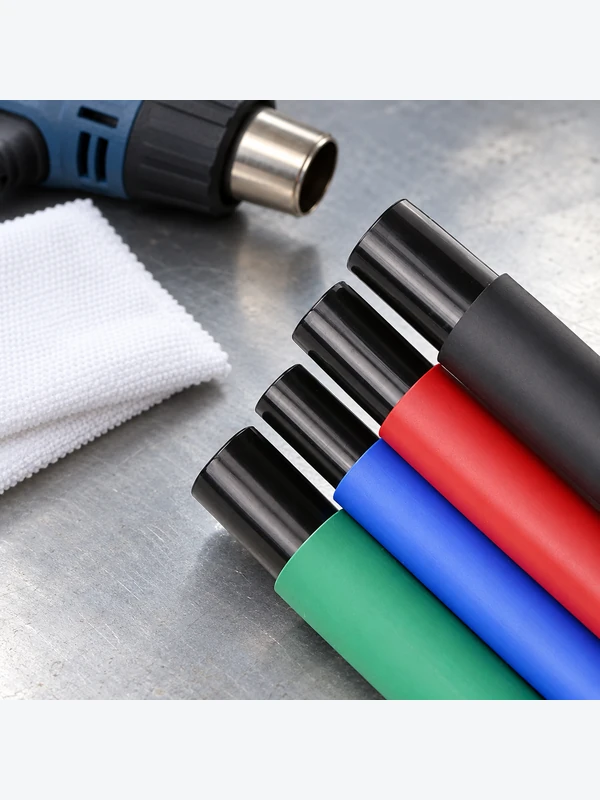
روش آزمایش را از گواهینامه جدا کنید
روش آزمایش پلاستیک، تأیید همه لولههای ساختهشده از یک نوع رزین مشابه نیست. گزارش مربوط به یک صفحه صاف، یا دارای ضخامت دیواره یا رنگ متفاوت، ممکن است نماینده لوله نهایی نباشد. درخواست گزارش یا بیانیهای کنید که ساختار واقعی خریداریشده را مشخص کند، و مطمئن شوید که الزام مربوط به مواد، قطعه، یا سیستم سرهمبسته است.
آزمایش را با معرض تطابق دهید.
در معرض قرار گرفتن به مدت کوتاه با شعله، حرارت تابشی، پاشش جوشکاری، سطوح داغ و یک سناریوی آتشسوزی در فضای بسته، همه خطرات مختلفی هستند. زمان انتظار برای تماس، مدت زمان، فاصله، حرکت و اینکه آیا لوله باید تحت فشار محکم بماند را ثبت کنید. اگر مدارک مورد نیاز موجود نباشد، لوله را به صورت محتاطانه به عنوان لوله ضدآتش توصیف کنید، نه به عنوان لوله مقاوم در برابر آتش با ارزیابی ضمنی.
UL 94، V-0 و VTM-0 را به عنوان معادل نگیرید.
بازشناسی آزمایشات احتراق و حریق UL شامل آزمایشهای پلاستیکی کوچکمقیاس با شرایط تعیینشده میشود. UL 94 تصانیف بستگی به نمونه و پیکربندی آزمایش دارد. نتیجه VTM-0 برای مواد باریک با V-0 قابل جایگزینی نیست. هنگامی که یک مشخصه فنی یک تصنیف را درخواست میکند، نتیجهای با نام متفاوت را فقط به این دلیل که هر دو شامل عدد صفر هستند، قبول نکنید.
در مستندات پشتیبان، مشخصات مواد، ضخامت آزمایششده، پوشانندگی رنگ (در موارد مرتبط)، شرایط و راستیابی را بررسی کنید. سپس بپرسید که این شواهد چگونه با دیواره و ساختار لوله خریداریشده مرتبط است. نمونه رزین یا یک تخته صاف بهطور خودکار عملکرد یک لوله فشاری چندلایه را ثابت نمیکند. اگر این ارتباط مستند نباشد، بهجای تعمیم دادن ادعای خود، این محدودیت را ثبت کنید.
مقایسه کنید گزینههای مواد لولههای PU و PA بر اساس کاملترین نیازهای کاربردی آنها. هیچکدام از نامهای پلیمر، طبقهبندی قابلیت اشتعال، نتیجه دود یا عملکرد در برابر پاشش جوشکاری را تعیین نمیکنند. درخواستهای مربوط به اثبات این ویژگیها را از جنبههای اندازهگیری، فشار و چکهای سازگاری و مناسب بودن بهطوری که در یک آزمایش مواد موفق، از فرد سؤالی مرتبط با مکانیک پرسیده نشود.
انعطافپذیری لوله و ساختار پوشش را با نحوه نصب هماهنگ کنید.
عملکرد در برابر آتش تنها یک بند در مشخصات فنی است. لولهای که از یک آزمون قابلیت اشتعال معینی با موفقیت عبور کند، همچنان میتواند انتخاب نادرستی باشد، اگر شعاع خمش، قدرت گرفتن اتصالات، توانایی تحمل فشار یا سازگاری شیمیایی آن با مسیر مناسب نباشد. هزینه کل را شامل هزینه لوله، اتصالات سازگار، زمان نصب، بازرسی، جایگزینی و پیامدهای توقف غیرمنتظره میدانید؛ از این فرض که فرمولاسیون با هزینه بالاتر به طور خودکار گزینه با کمترین خطر است، اجتناب کنید.
| بعد تصمیمگیری | چه چیزی را باید مقایسه کرد | اقدامات خریدار |
|---|---|---|
| رفتار شعله | روش نامگذاری، نمونه، نتیجه و اهمیت قرار گرفتن در معرض | گزارش را برای ساخت دقیق دریافت کنید |
| سازگاری مکانیکی | قطر بیرونی، دیواره، مسیر خم، فشار و گرفتاری اتصال | طرح را بررسی کنید و یک آزمایش مونتاژ نماینده انجام دهید. |
| محیط زیست | گرما، سایش، مواد شیمیایی، اشعه UV، رطوبت و قطعات در حال حرکت | از دادههای سازگاری تأمینکننده استفاده کنید و محدودیتها را تعیین کنید. |
| نگهداری | دسترسی به بازرسی، فاصله زمانی تعویض و فرمت قطعات یدکی | یک روال بصری و بررسی فشار مستندسازی کنید |
| خطر تجاری | قابلیت ردیابی، کنترل تغییرات، زمان تأمین و بسته شواهد | مستندات را به یک الزام در سفارش خرید تبدیل کنید. |
محلول را در برابر حرارت، حرکت و تماس با مواد شوینده بررسی کنید.
| شرایط درخواست | مدارک لازم برای درخواست | سوال باز قبل از تأیید |
|---|---|---|
| نزدیک به ذرات گرم گاهگاهای | توضیحات در مورد نمایش و حوزه آزمایش مواد | چه چیز مانع ارتباط مستقیم و پایدار میشود؟ |
| در داخل یک دستگاه تحت حفاظت | Assembly drawing, routing and inspection instructions | Can the tube be replaced without disturbing the guard? |
| Continuous outdoor routing | UV, temperature and weathering limits, if required | Is the fire requirement separate from outdoor durability? |
| Pressure line with frequent motion | Pressure, bend, cycle and fitting compatibility data | Does the selected tube remain secure through the motion? |
Specify heat, spatter and pressure retention separately
Welding spatter introduces a local hot-particle exposure. Radiant heat, sustained contact with a hot surface and a small laboratory flame are different conditions. Describe the expected source, location, duration and movement of the line, and ask what evidence addresses that exposure. Do not infer resistance to molten particles from a general self-extinguishing or flame-retardant description.
Pressure retention is another requirement. A tube may stop burning under a test condition yet soften, puncture or lose its intended fitting engagement under a different exposure. Define whether the project needs only a documented material behavior, a protected route or continued pneumatic function under specified conditions. Any claim about remaining operational needs relevant assembly-level evidence; a UL material classification alone does not provide it.
The welding-area pneumatic hose guide is a starting point for the application questions. Confirm the actual product’s limits and protection method before selection. Route changes, shielding, separation and accessible isolation may be necessary regardless of the tube formulation, and their suitability belongs in the machine or site risk assessment.
Assess the tube and pneumatic connection components together. Record tube dimensions, fitting family, movement and replacement access. At inspection, investigate surface damage, kinks or discolouration under the approved maintenance procedure rather than continuing operation on the assumption that a flame-retardant label permits heat damage. Keep replacement construction tied to the approved specification and notify engineering when a proposed alternative changes the evidence basis.
Confirm which fire test applies to the quoted tubing
- UL plastics flammability testing: a testing service overview; confirm the method, material, specimen and report scope before using a result in a specification.
- A material test report must be checked against its stated scope; it does not automatically approve a finished tube in every application.
- NFPA codes and standards: an index for application-specific fire and life-safety requirements. The applicable edition and jurisdiction must be checked by the project team.
Unsupported wording can create technical and commercial exposure: a “fireproof” claim may be read as continuous fire endurance, while the available evidence may only address flame spread in a laboratory specimen. Put the limitation in the datasheet and purchase specification. The same discipline applies to claims about smoke, toxicity, self-extinguishing behavior, or regulatory approval.
Procurement checklist for a flame retardant tubing project
- Describe the hazard: flame, hot particle, radiant heat, hot surface, or another condition; include duration and clearance.
- Define the tube job: air or fluid, pressure, motion, bend radius, fitting family, and inspection access.
- Request the exact test method, report or declaration, specimen details, and any exclusions.
- Trial the selected size and fitting in a representative route; inspect for kinks, pull-out, abrasion, and heat exposure.
- Freeze the approved construction and require change notification for resin, wall, color, supplier, or process changes.
For fitting selection, use the practical checks in our guide to choosing plastic pneumatic fittings. If you need to compare available connection options, review the pneumatic fittings range alongside the tubing drawing rather than treating the tube as a standalone component.
سوالات متداول
Is flame retardant tubing fireproof?
No. Flame retardant normally describes a defined resistance to ignition or flame spread under a test condition; it does not promise continuous fire exposure, structural integrity, or zero smoke. Verify the method and application limits before using the term in a safety claim.
What is the difference between flame-resistant and flame-retardant tubing?
Usage varies by supplier and industry, so the words are not a reliable substitute for a test result. Ask what behavior was measured, on which construction, and whether the result applies to the finished tube or only a material sample.
Can flame retardant tubing be used near welding equipment?
Possibly, but proximity to welding introduces hot particles, radiant heat, abrasion, and movement that may not be represented by a plastics flammability test. Define shielding, clearance, exposure duration, and pressure requirements, then confirm the route with the responsible safety engineer.
Does a UL or ISO reference mean the tube is certified?
Not by itself. UL and ISO references can identify a test service or method; certification, listing, or approval requires the specific program and scope to be verified. Request the document that names the purchased construction and the claim you intend to make.
How should I specify a flame retardant tube for a pneumatic line?
Specify the medium, pressure, temperature, outside diameter and wall, bend and motion, fitting system, environmental exposure, and required fire-performance evidence. Include the test method and documentation requirement instead of relying on “flame resistant” as the only line item.
What should I do if the supplier cannot provide a test report?
Ask for a signed technical declaration with the exact construction and limitations, or commission a suitable evaluation before making a regulated or safety-critical claim. Until evidence is available, use conservative language and do not treat the tubing as a verified fire-protection component.
Is a UL 94 VTM-0 result equivalent to V-0 for tubing?
No. The classifications use different test arrangements and are not interchangeable. Check the exact material, specimen thickness, result and relationship to the purchased construction. Do not replace a specified V-0 requirement with VTM-0 without a justified and approved technical review.
Does a UL 94 material classification prove a tube will retain compressed air near welding spatter?
No. Material flammability and pressure retention under hot-particle exposure are different requirements. Request evidence for the intended tube assembly and exposure, and address routing, shielding and isolation in the application risk assessment.
مراجع
- UL, Flammability Testing.
- NFPA, Codes & Standards.
- UL Solutions: Combustion and Fire Tests for Plastics
خلاصه
Select flame retardant tubing by matching the exact construction and test evidence to the real exposure. Keep V-0 and VTM-0 classifications distinct, and assess heat, welding spatter, smoke requirements and pressure retention separately. Confirm dimensions, movement and fitting compatibility alongside the fire-related evidence. Document the approved route and protection measures so maintenance staff know which damage requires investigation and which replacement construction has actually been accepted.



