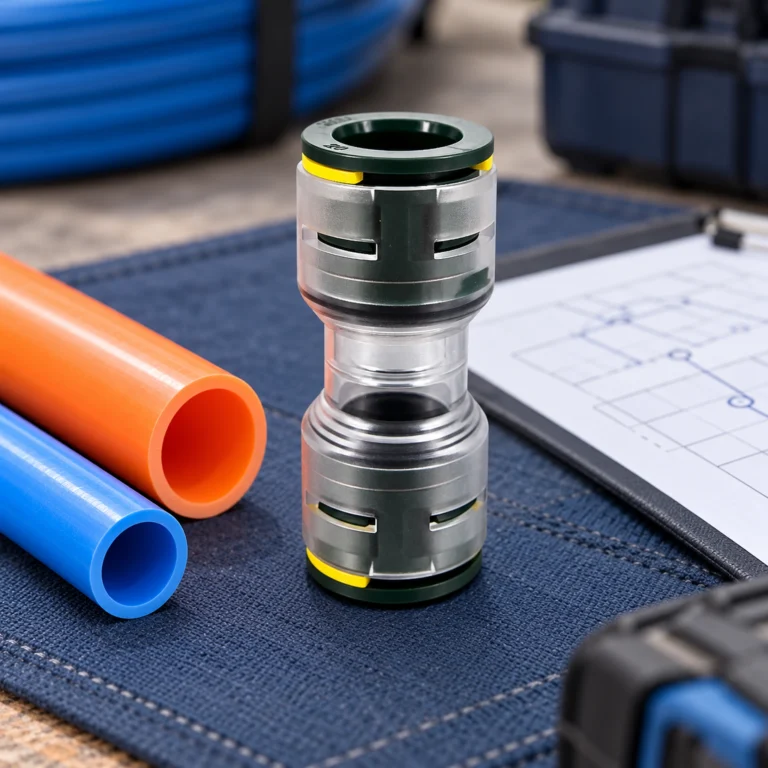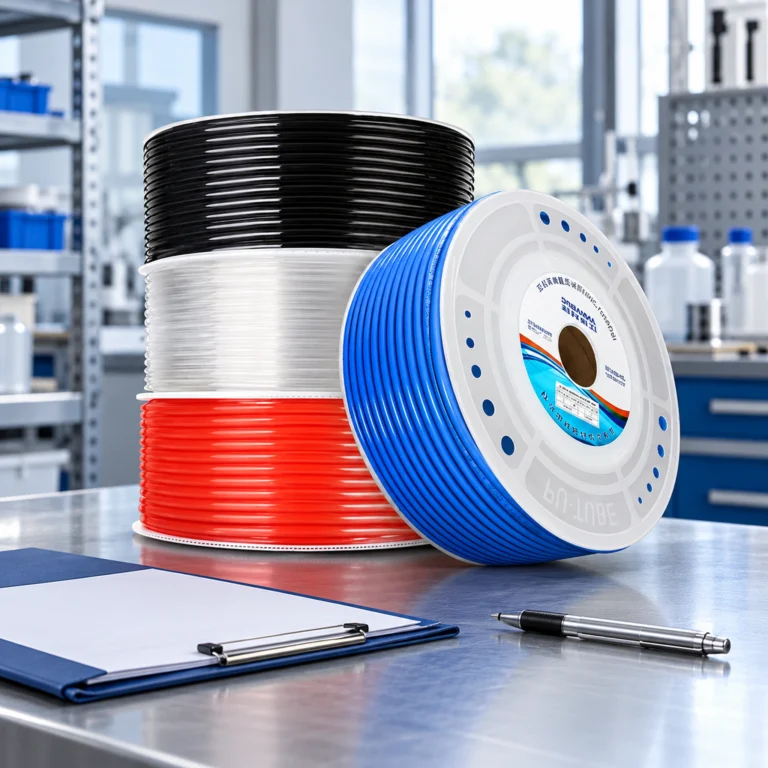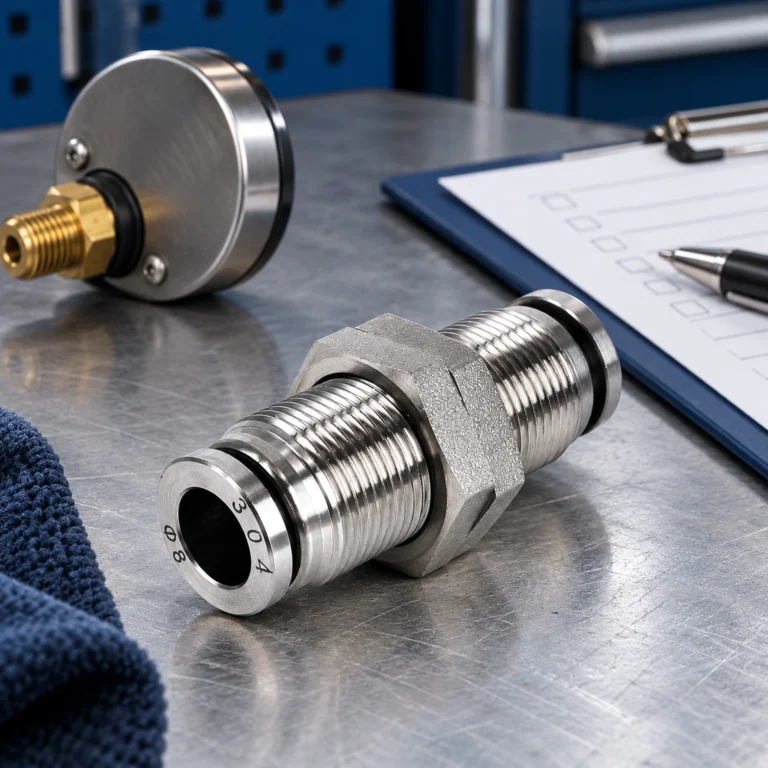
A pneumatic straight fitting can leak at the tube entry, threaded port, body or adjacent tubing. Those faults can sound similar while requiring different repairs. Locate the actual interface first, then inspect the tube, thread, seal and support under the plant’s isolation and testing procedure. Replacing the connector without finding the cause often leaves a recurring fault.
Common fitting faults involve tube preparation, pressure and temperature, thread treatment or material compatibility. Inspect these conditions alongside the fitting itself. ISO 4414 frames pneumatic systems around safe design and operation, while ISO 8573-1 classifies compressed-air contaminants; use them alongside the supplier instructions to check tube OD, cut quality, thread interface, and air quality before replacing parts. Start with a controlled isolation and leak test, then correct the cause rather than repeatedly tightening the joint.
Pneumatic straight fittings join tubing or threaded ports in a direct line. Their reliability depends on the complete interface through installation, vibration, and service—not on the connector alone.
Why a straight fitting starts to leak
Tube-end defects and incomplete engagement. In a push-in connection, the collet holds the tube and an internal seal closes around its outside diameter. An angled, burred, scratched, painted, or out-of-round tube can defeat either function. Make a square, clean cut and insert fully to the stated stop; after rework, do not shorten the tube into a damaged section.
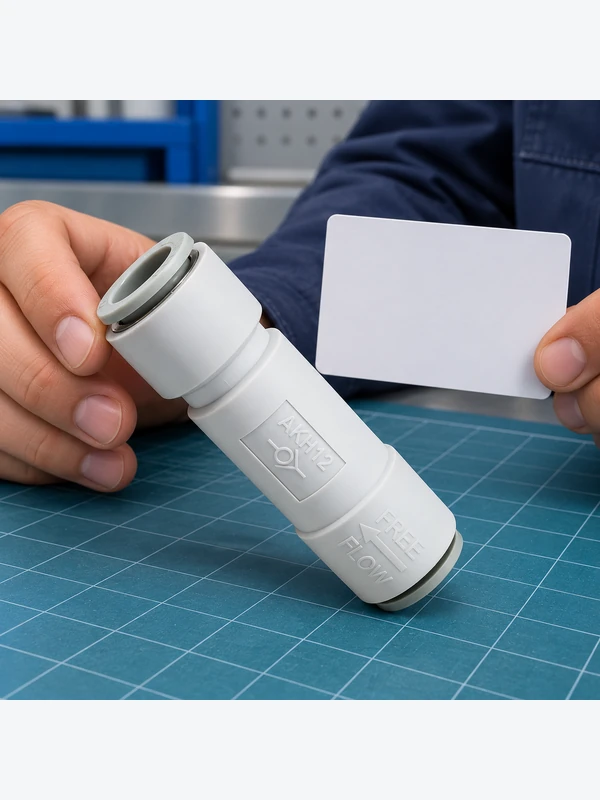
Thread, seal, and torque errors. BSPP, BSPT, NPT, and metric threads are not interchangeable because they look similar. Some use a face seal or bonded washer; tapered threads need controlled engagement and the approved sealing method. Cross-threading, excess tape, and overtightening can damage a port. ISO 4414 is a system-safety standard, not a fitting certification.
Duty conditions beyond the specification. Pressure spikes, heat, vibration, washdown, lubricants, and contaminated air change risk. A nominal 6 bar line is about 600 kPa, but selection must use the actual maximum pressure and transient conditions. ISO 8573-1 classifies particulate, water, and oil contamination; it does not certify a connector for every chemical.
Check the tube, thread, and seal before replacing parts
អនុវត្តតាមនីតិវិធីញែករោងចក្រ បញ្ចេញថាមពលដែលរក្សាទុក បន្ទាប់មកពិនិត្យមើលគ្រឿងបរិក្ខារ បំពង់ រន្ធ និងឧបករណ៍ទ្រទ្រង់។ OSHA ព្រមានថាខ្យល់ដែលបានបង្ហាប់អាចបណ្តាលឱ្យមានរបួសធ្ងន់ធ្ងរ។ ស្តារសម្ពាធឡើងវិញតាមរបៀបដែលគ្រប់គ្រង ហើយប្រើវិធីសាស្ត្ររកឃើញការលេចធ្លាយដែលត្រូវបានអនុម័តដោយកន្លែង។ ដំណោះស្រាយពពុះមានប្រយោជន៍នៅក្នុងស្រុក។ កម្មវិធីដែលមានផលវិបាកខ្ពស់គួរតែប្រើការធ្វើតេស្តរលួយសម្ពាធដែលបានកំណត់ដោយក្រុមហ៊ុនផលិតឧបករណ៍ និងកត់ត្រាសម្ពាធ និងរយៈពេល។.
Air leakage is often audible, but a hiss does not prove the connector is the source. After safe depressurization, inspect seating, the witness mark, seal, and tube end. Replace cracked parts; if the leak returns after a cycle, investigate tube movement, bend radius, side load, and vibration support.
| រោគសញ្ញាដែលបានសង្កេតឃើញ | យន្តការដែលទំនងជា | មូលប្បទានប័ត្រមានប្រយោជន៍ | សកម្មភាពកែតម្រូវ |
|---|---|---|---|
| សំឡេងហ៊ោពេលចូលបំពង់ | បំពង់ខូច ទំហំមិនសម ឬបញ្ចូលមិនពេញលេញ | ពិនិត្យស្នាមកាត់ការ៉េ និងស្នាមបញ្ចូលសាក្សី | កាត់ឡើងវិញ ឬជំនួសបំពង់; បញ្ចូលទៅចំណុចឈប់ដែលបានបញ្ជាក់ |
| លេចធ្លាយនៅច្រកដែលមានខ្សែ | ខ្សែស្រឡាយខុស វិធីសាស្ត្រផ្សាភ្ជាប់ ឬកម្លាំងបង្វិលជុំខុស | ផ្ទៀងផ្ទាត់លក្ខណៈបច្ចេកទេសនៃរន្ធ និងខ្សែភ្ជាប់ | ប្រើផ្នែកផ្គូផ្គង និងវិធីសាស្រ្តផ្សាភ្ជាប់ដែលបានបញ្ជាក់ |
| បំពង់បញ្ចេញចេញក្រោមបន្ទុក | បញ្ហានៃការភ្ជាប់បំពង់ OD/tolerance ឬ collet | ពិនិត្យ tube material, OD, and retention after isolation | ជំនួសផ្នែកដែលមិនឆបគ្នា; ដកបន្ទុកចំហៀងចេញ |
| ឧបករណ៍បញ្ជាយឺត ឬការបាត់បង់សម្ពាធ | ការលេចធ្លាយ ការដាក់កម្រិត ឬការផ្គត់ផ្គង់ដែលមានការបំពុល | ប្រៀបធៀបសម្ពាធនៅចំណុចផ្គត់ផ្គង់ និងចំណុចប្រើប្រាស់ | កំណត់ទីតាំងការបាត់បង់ និងពិនិត្យមើលការច្រោះ និងការកំណត់ទំហំខ្សែ |
Locate tube-entry and port-thread leaks separately
Mark the suspected joint and distinguish the two interfaces before disassembly. A push-in tube entry seals against the tube’s outside surface; a threaded adapter has a separate port interface whose sealing arrangement depends on its design. The location of a hiss alone is unreliable because air can travel along surrounding surfaces. Use the site-approved leak-detection method to identify where leakage first appears, under controlled test conditions and with access kept outside moving or stored-energy hazards.
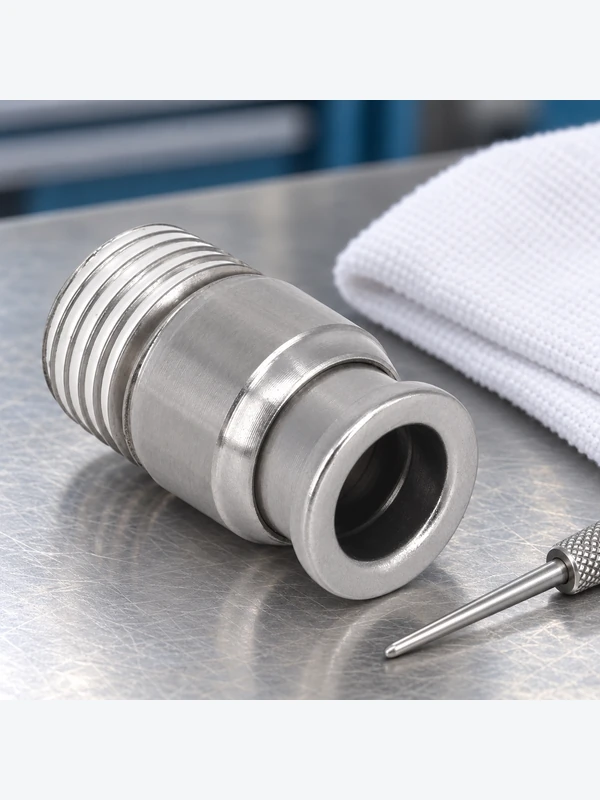
Isolate the equipment and release stored pressure before touching, loosening or removing the assembly. Inspect the tube sealing zone for scoring, an angled cut, ovality and damage from a previous collet. Verify tube OD and material from markings or the controlled specification rather than colour. Confirm the fitting’s insertion instructions and release method. The one-touch fitting guide gives background on the gripping and sealing interface, while the actual supplier instructions determine the permitted tube combination.
Inspect the port separately. Record the complete thread designation and how the joint is intended to seal: on the thread, against a face, or through a specified gasket or O-ring. A fitting that starts to screw into a port is not proof of compatibility. Avoid adding sealant to a tube entry or compensating for damaged threads with extra tape. Replacement and assembly torque must follow the exact product and port instructions.
After the approved correction, perform a controlled retest. Keep the local leakage result separate from a pressure-drop observation across the whole circuit; a restriction elsewhere can still slow an actuator after the joint is repaired. Record the fitting code, tube identity, observed leak location, corrective action and test conditions. This turns a repeated “bad fitting” complaint into a fault history that engineering can compare across machines.
Choose the connection for the service conditions
Push-to-connect fittings can reduce assembly time when the specified tube and duty conditions are respected. Threaded adapters may better suit a fixed port interface. Include rework, leak testing, downtime and possible port damage in the cost comparison.
| វិមាត្រជ្រើសរើស | ឧបករណ៍ភ្ជាប់ត្រង់ចុចចូល | អាដាប់ទ័រត្រង់ដែលមានខ្សែស្រឡាយ | ផលប៉ះពាល់នៃការផ្គត់ផ្គង់ |
|---|---|---|---|
| ល្បឿនដំឡើង | លឿននៅពេលដែលបំពង់ត្រូវបានកាត់ជាការ៉េ ហើយដាក់ជាប់ល្អ | តម្រូវឱ្យមានការចូលរួមខ្សែស្រឡាយដែលបានគ្រប់គ្រង | ប្រៀបធៀបកម្លាំងពលកម្មដែលបានដំឡើង មិនមែនគ្រាន់តែតម្លៃទិញនោះទេ |
| ការគ្រប់គ្រងភាពឆបគ្នាចម្បង | អង្កត់ផ្ចិតបំពង់, សម្ភារៈ, ភាពអត់ធ្មត់ និងសម្ពាធ | ក្រុមខ្សែស្រឡាយ ប្រភេទផ្សាភ្ជាប់ សម្ភារៈរន្ធ និងកម្លាំងបង្វិលជុំ | បញ្ជាក់ភាគីទាំងសងខាងនៃចំណុចប្រទាក់នៅលើ PO |
| ការប៉ះពាល់នឹងការថែទាំ | បំពង់អាចត្រូវបានជំនួសដោយមិនចាំបាច់បង្វិលតួ | ការរុះរើម្តងហើយម្តងទៀតអាចប៉ះពាល់ដល់ខ្សែស្រឡាយ ឬស្នាមផ្សាភ្ជាប់ | រៀបចំផែនការវិធីសាស្ត្រត្រួតពិនិត្យ/ជំនួសដែលបានកត់ត្រាទុក |
| កម្មវិធីបញ្ជាថ្លៃដើមសរុប | គុណភាពកាត់ និងជៀសវាងការខូចខាតបំពង់ | ការផ្សាភ្ជាប់ត្រឹមត្រូវ និងការជៀសវាងការខូចខាតរន្ធ | តាមដានការហៅទូរស័ព្ទលេចធ្លាយម្តងហើយម្តងទៀត និងពេលវេលាម៉ាស៊ីនមិនដំណើរការ |
For example, a connector that costs slightly more but avoids one repeat call-out can lower total cost when the avoided labor, lost output, and re-test time exceed the price difference. This is not a universal saving claim; the result depends on labor rates, machine criticality, and the documented failure rate at the site.
Reproduce a movement-related fault without handling a live joint
A connection that seals at rest but leaks during a machine cycle needs a test that represents that cycle. First review tube routing in the safely isolated state: check whether travel pulls the tube sideways, whether the bend tightens at one end of motion, and whether a support transfers force into the connector. A stronger fitting will not necessarily correct a short tube, an unsuitable bend or a moving assembly that requires a different connection design.
Agree a controlled test with the responsible maintenance and safety personnel. Record the machine position, authorised operating cycle, supply conditions and point where the symptom occurs. Observe through the normal safeguards or appropriate remote instrumentation; never reproduce the fault by pushing, bending or tightening a pressurised joint by hand. If the test cannot be performed with the required guarding and access controls, revise the procedure before continuing.
Compare the rest condition and movement condition at the same identified measurement points. Note pressure at the supply and point of use, the timing of the leak, actuator demand and any temperature change. Do not label ordinary cycle-related pressure change as a quantified leakage rate without the necessary measurement method. The សៀវភៅណែនាំអំពីការថែទាំ can support the inspection plan, but it does not establish a universal pass pressure, test duration or number of cycles.
The U.S. Department of Energy’s leak-management guidance treats detection, repair and follow-up as a continuing process. After each repair, verify the result, tag unresolved faults and check whether leakage returns at the same location. Calculate any energy saving from measured operating hours and site data rather than attaching a generic percentage to a new connector. Check the ប្រភេទផ្នែក pneumatic only after the interface and duty requirements have been defined.
Follow isolation rules and check the fitting’s operating limits
Use standards precisely. ISO 4414 addresses safety requirements for compressed air systems and components. ISO 8573-1 establishes compressed-air purity classes. ISO 12100 addresses machine risk assessment and reduction. None by itself proves a fitting is approved for food contact, potable water, explosive atmospheres, or every market.
ស្នើសុំឧបករណ៍ផ្សព្វផ្សាយដែលមានចំណាត់ថ្នាក់ ជួរសម្ពាធ និងសីតុណ្ហភាព សម្ភារៈបំពង់ដែលឆបគ្នា ស្តង់ដារខ្សែស្រឡាយ និងឯកសារសាកល្បង។ ការធ្វើតេស្តសម្ពាធ-រលួយគឺជាវិធីសាស្ត្រ ឬនីតិវិធីទទួលយក លុះត្រាតែស្តង់ដារគ្រប់គ្រង និងវិសាលភាពរបស់វាត្រូវបានបញ្ជាក់។ ការទាមទារអនុលោមភាពដែលមិនត្រូវបានគាំទ្របង្កើតហានិភ័យពាណិជ្ជកម្ម។.
What to record after a repair
- កំណត់ខ្សែស្រឡាយរន្ធ ការផ្សាភ្ជាប់ ទំហំបំពង់/សម្ភារៈ សម្ពាធ សីតុណ្ហភាព មេឌៀ និងការប៉ះពាល់នៅលើការបញ្ជាទិញ។.
- ធ្វើឱ្យការត្រួតពិនិត្យការកាត់ និងការដាក់បំពង់មានលក្ខណៈស្តង់ដារ; ជៀសវាងការខូចខាតឧបករណ៍ និងបន្ទុកចំហៀង។.
- កំណត់គោលដៅគុណភាពខ្យល់ ISO 8573-1 នៅកន្លែងសមស្រប ហើយតម្រឹមការច្រោះឱ្យស្របតាមមុខងារ។.
- កត់ត្រាកំហុសដដែលៗ; ពិនិត្យមើលទ្រ កាំពត់ និងរំញ័រម៉ាស៊ីន មុនពេលជំនួសគ្រឿងបន្លាស់ម្តងទៀត។.
- ស្នើសុំឯកសារវិមាត្រ និងឯកសារអនុវត្តសម្រាប់ខ្សែសំខាន់ៗ។ ឧបករណ៍ភ្ជាប់ ANMASPC / Microduct អាចជួយអ្នកទិញពិនិត្យមើលជម្រើសផលិតផល និងឯកសារដែលអាចកំណត់រចនាសម្ព័ន្ធបានមុនពេលការផ្លាស់ប្តូរផលិតកម្ម។ សម្រាប់ការពិភាក្សាអំពីកម្មវិធី សូមប្រើប្រាស់ក្រុមទំនាក់ទំនង។.
សំណួរដែលសួរញឹកញាប់
ហេតុអ្វីបានជាបំពង់ខ្យល់ត្រង់លេចធ្លាយ?
មូលហេតុទូទៅរួមមាន ការកាត់បំពង់រដុប ឬមានមុំ ការបញ្ចូលមិនពេញលេញ OD បំពង់ខុស ផ្ទៃផ្សាភ្ជាប់ខូច ខ្សែស្រឡាយមិនឆបគ្នា ឬកាតព្វកិច្ចនៅខាងក្រៅជួរសម្ពាធ និងសីតុណ្ហភាពដែលបានកំណត់។ ញែកខ្សែចេញ ពិនិត្យចំណុចប្រទាក់ពេញលេញ ហើយសាកល្បងបន្ទាប់ពីការកែតម្រូវ។ កុំសន្មតថាតួសមដែលអាចមើលឃើញគឺជាប្រភព។.
តើអ្នកធ្វើដូចម្តេចដើម្បីបញ្ឈប់ការលេចធ្លាយបំពង់ខ្យល់?
កំណត់ថាតើការលេចធ្លាយគឺនៅច្រកចូលបំពង់ ខ្សែស្រឡាយ តួ ឬបំពង់ជាប់គ្នាមុនពេលផ្លាស់ប្តូរផ្នែក។ ប្រើវិធីសាស្ត្របំពង់ និងខ្សែស្រឡាយដែលបានបញ្ជាក់ដោយអ្នកផលិតគ្រឿងបរិក្ខារ រៀបចំបំពង់ឱ្យស្អាត ហើយបញ្ជាក់ចំណុចភ្ជាប់ជាមួយនឹងការត្រួតពិនិត្យការលេចធ្លាយដែលបានគ្រប់គ្រងនៅលក្ខខណ្ឌប្រតិបត្តិការដែលបានគ្រោងទុក។.
តើអ្វីបណ្តាលឱ្យឧបករណ៍ភ្ជាប់ push-to-connect បរាជ័យ?
គ្រឿងបន្លាស់ដែលអាចរុញចូលអាចបាត់បង់ការរក្សា ឬការផ្សាភ្ជាប់នៅពេលដែលបំពង់មិនឆបគ្នា ហួសពីការអត់ធ្មត់ កោស កាត់មិនបានល្អ ឬរងនូវបន្ទុកចំហៀងលើសកម្រិត។ ការចម្លងរោគ កម្ដៅ ការប៉ះពាល់នឹងសារធាតុគីមី ឬការដំឡើងលើសពីជួរសម្ពាធដែលបានបញ្ជាក់ក៏អាចប៉ះពាល់ដល់ដំណើរការផងដែរ។ សូមពិនិត្យឯកសារផលិតផល និងស្ថានភាពប្រព័ន្ធជាមួយគ្នា។.
តើអាចប្រើឡើងវិញនូវបំពង់ខ្យល់បានទេ?
ការប្រើប្រាស់ឡើងវិញអាស្រ័យលើការណែនាំរបស់អ្នកផលិត និងស្ថានភាពនៃគ្រឿងបរិក្ខារ ការផ្សាភ្ជាប់ បំពង់ និងខ្សែស្រឡាយ។ កុំប្រើសមាសធាតុឡើងវិញដែលមានតួប្រេះ ដង្កៀបខូច ត្រាខូច ខ្សែស្រឡាយខូច ឬប្រវត្តិសេវាកម្មដែលមិនស្គាល់។ សម្រាប់សេវាកម្មសំខាន់ៗ ការជំនួស និងការធ្វើតេស្តដែលបានកត់ត្រាជាធម្មតាគឺជាជម្រើសថែទាំដែលមានសុវត្ថិភាពជាង។.
តើឧបករណ៍ភ្ជាប់ខ្យល់គួរតឹងប៉ុណ្ណា?
គ្រឿងបន្លាស់ដែលមានខ្សែស្រឡាយគួរតែត្រូវបានរឹតបន្តឹងទៅតាមកម្លាំងបង្វិលជុំ ឬការតំរង់ទិសនៃការផ្គុំរបស់អ្នកផលិតសម្រាប់ខ្សែស្រឡាយ សម្ភារៈរន្ធ និងការរៀបចំការផ្សាភ្ជាប់ពិតប្រាកដ។ ការតភ្ជាប់បំពង់ដែលរុញចូលមិនត្រូវបានរឹតបន្តឹងដោយកម្លាំងបង្វិលជុំទេ៖ បញ្ចូលបំពង់ដែលបានរៀបចំឱ្យពេញលេញទៅនឹងចំណុចឈប់ ហើយផ្ទៀងផ្ទាត់ការរក្សាស្របតាមនីតិវិធីរបស់អ្នកផ្គត់ផ្គង់។.
តើបំពង់អ្វីខ្លះដែលដំណើរការល្អបំផុតជាមួយនឹងគ្រឿងបរិក្ខារត្រង់ដែលមានខ្យល់?
បំពង់ដ៏ល្អបំផុតគឺជាសម្ភារៈ និងអង្កត់ផ្ចិតខាងក្រៅពិតប្រាកដដែលក្រុមហ៊ុនផលិតគ្រឿងបរិក្ខារបានរាយបញ្ជីសម្រាប់សម្ពាធ សីតុណ្ហភាព កាំពត់ និងឧបករណ៍ផ្សព្វផ្សាយនៅក្នុងកម្មវិធី។ បំពង់ប៉ូលីអាមីត ប៉ូលីយូរីថេន ប៉ូលីអេទីឡែន និងហ្វ្លុយអូរ៉ូប៉ូលីមែរនីមួយៗមានភាពបត់បែន និងលក្ខណៈគីមី/កម្ដៅខុសៗគ្នា ដូច្នេះសូមបញ្ជាក់ពីឯកសារជាជាងការជ្រើសរើសតាមរូបរាង។.
Does ISO 4414 specify the pressure rating of every straight fitting?
No. ISO 4414 gives general rules and safety requirements for pneumatic systems and components. The exact fitting datasheet still controls the approved pressure, temperature, medium and installation limits.
What evidence should a buyer request after a recurring fitting leak?
Request the fitting code, tube OD and material, thread standard, seal specification, operating conditions, failure location, corrective action and the retest record. That evidence is more useful than a generic claim that the fitting is high pressure.
Why can a fitting seal when stationary but leak while the machine moves?
Tube movement can impose side load, tighten a bend or disturb a damaged sealing zone. Inspect the route while safely isolated and reproduce only the authorised operating cycle with safeguards in place. A static pass does not demonstrate satisfactory behaviour during movement; record the cycle condition and location of the fault.
Should thread tape be added to stop a leak at the tube entry?
No. Thread sealant is not a repair for the tube-to-seal interface. Identify tube size, insertion, surface condition and compatibility, then follow the manufacturer’s repair instructions. A threaded port may require its own specified sealing method, but the two interfaces should be diagnosed separately.
ឯកសារយោង
- SMC — KQ/KQ2 one-touch fittings catalogue (series-specific tube and assembly data)
- U.S. Department of Energy — Improving Compressed Air System Performance: Minimize Compressed Air Leaks
- ASME B1.20.1 — Pipe Threads, General Purpose (Inch), official scope
Summary
Locate the leak at the tube entry or threaded port before deciding how to repair the fitting. Separate the tube entry from the threaded port, isolate stored energy before intervention and inspect the complete tube-and-fitting combination. Correct the root cause, then verify the result under the authorised conditions that produced the fault. Where leakage appears during movement, check routing and support and use a safeguarded operating-cycle test rather than manipulating a live connection. Retain the part identities, leak location and before-and-after observations. Those records make repeated faults easier to investigate and help distinguish a connector defect from tube damage, incompatible threads, restricted flow or mechanical loading.