When a maintenance engineer in Suzhou reconnects a machine after a planned service, a push-in joint can release air within minutes of restart. The visible symptom is a hiss at the fitting, but the reversal is important: the fitting may be sound while the tube outside diameter, thread form, or documented working range was never matched to the circuit. This guide gives a repeatable way to specify Pneumatic Quick Connect Fittings before a purchase or reconnection.
សេចក្តីសង្ខេប៖ Measure the tube OD with the tube specification or a calibrated gauge, identify whether the port is BSP, BSPT, or NPT, then verify the fitting’s pressure and temperature limits for the actual air service. Check the flow path and retention method as well as the nominal size. ISO 4414:2010 places component selection and safe pneumatic-system design in the context of the complete circuit, so the recommended action is to record these checks on the purchase order and recheck tube seating after a controlled pressure test.
Why does a quick-connect choice fail after the machine starts?
Push-in technology is convenient because a prepared tube enters a collet and is retained by an internal gripping and sealing arrangement. Convenience does not remove the need for dimensional control. A tube that is close to the nominal size can still be too large for insertion, too small for reliable retention, oval after cutting, or scratched where the seal contacts it.
Thread mismatch creates a second failure path. BSP, BSPT, and NPT are not interchangeable simply because their nominal names appear similar. Port drawings, the equipment manual, or the removed component should establish the thread family and nominal size. Do not infer thread identity from an outside diameter alone; pitch, flank form, and whether the thread seals on the thread or at a face all matter.
Finally, a fitting is one part of an air path. A narrow passage, a restrictive elbow, a contaminated filter, or an underspecified valve can create a pressure drop that is incorrectly blamed on the connector. Review the fitting, tube, valve, and regulator as a connected assembly. The ប្រភេទផ្នែក pneumatic is a useful starting point for comparing connected components, but the final selection still requires the equipment maker’s port and service data.
How should tube outside diameter and thread be matched?
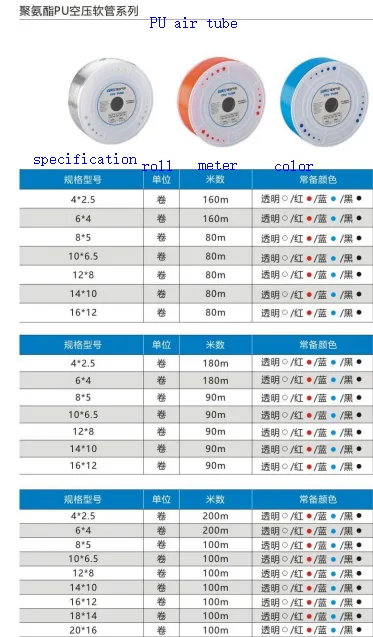
Start with the tube, not the fitting box. Record the tube material, stated outside diameter, wall construction, and cut condition. Use the supplier’s dimensional tolerance when it is available. For a field replacement, compare the marking on the tube or the maintenance bill of materials with the fitting’s catalogue description. A metric tube OD should not be substituted with an inch tube merely because both appear to fit by hand.
| Checkpoint | What to record | Why it prevents a wrong match |
|---|---|---|
| Tube outside diameter | Nominal OD, unit system, material, and supplier tolerance | Determines whether the collet and seal can grip the tube consistently |
| Tube end condition | Square cut, clean edge, no flattening or longitudinal scratches | Provides an even sealing surface and full insertion depth |
| Port thread | BSP, BSPT, or NPT; nominal size; port drawing or removed-part reference | Prevents cross-threading and an unreliable threaded seal |
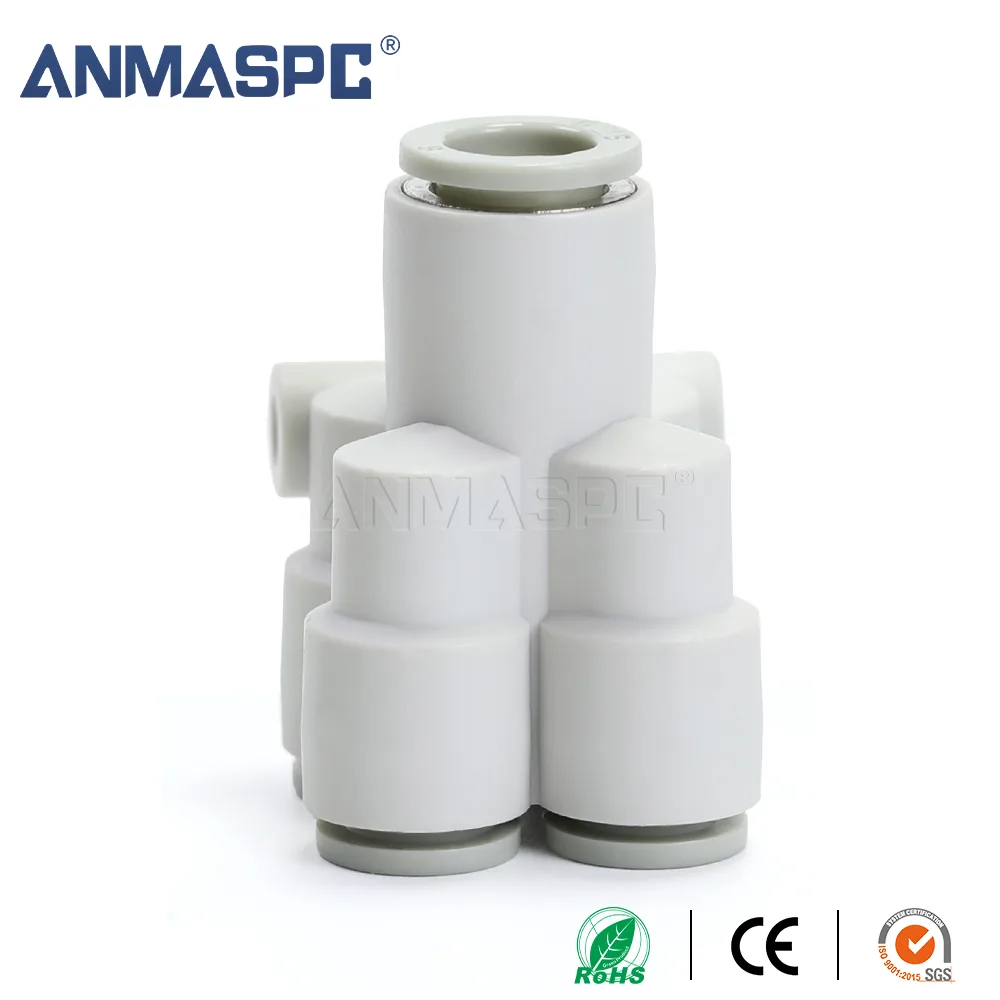
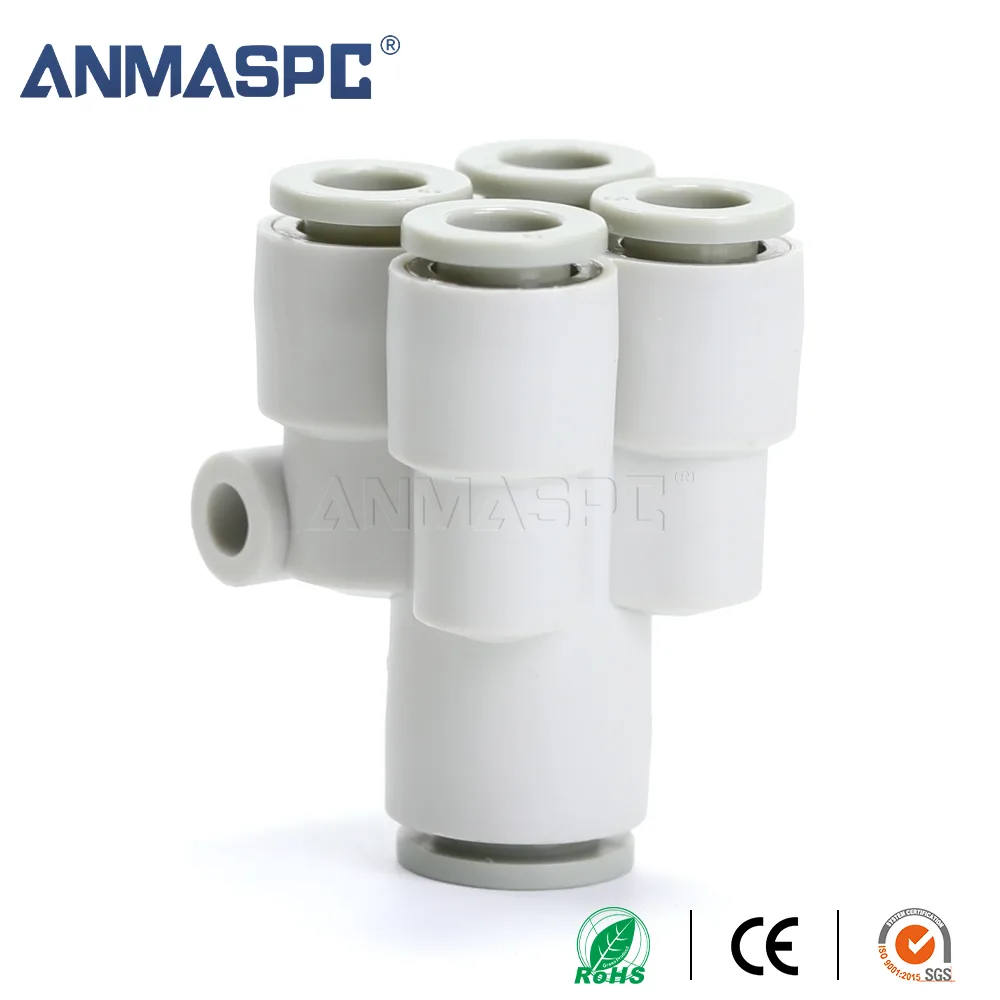
| Connection geometry | Straight, elbow, tee, bulkhead, or manifold connection | Preserves access, bend radius, and the intended flow path |
After cutting, deburr only as the tube maker permits; do not chamfer aggressively or leave a wedge-shaped end. Push the tube to the fitting’s positive stop, then apply the manufacturer’s retention check. A light pull test is a practical assembly check, not a substitute for the system’s specified pressure test. If the tube can rotate excessively, backs out, or releases when the line is moved, stop and inspect the cut, OD, and collet rather than tightening the tube by force.
Which thread form, pressure and temperature data belong on the specification?
Thread form is a procurement field, not a guess. BSPP commonly uses a parallel thread with a separate sealing element or face; BSPT and NPT are tapered systems with different thread geometry and sealing practice. The fitting datasheet and the mating port drawing should agree. When replacing an imported component, ask the supplier to confirm the thread designation in writing and keep that confirmation with the bill of materials.
Pressure and temperature must be evaluated together. Request the fitting’s documented working pressure range, test basis, temperature range, and any derating or medium restrictions. Do not convert a burst pressure or a laboratory value into a continuous operating limit. ISO 4414:2010 is concerned with safe pneumatic-fluid-power systems; it does not certify every commercial connector or create a universal pressure rating.
Also record the air quality and installation environment. Oil, water, cleaning agents, outdoor exposure, heat near a cylinder, and repeated movement can affect the selected polymer or metal and the seal compound. Where a catalogue offers more than one material, compare the documented service range rather than assuming that metal is always safer or plastic is always adequate.
How do flow path, vibration and replacement compatibility change the choice?
Nominal tube size does not fully describe airflow. Compare the fitting’s internal passage, port size, and geometry with the valve and actuator requirements. A compact elbow may save space but introduce more directional change than a straight fitting. Where flow data is provided, use the supplier’s stated test conditions; where it is not, avoid inventing a flow-rate value and ask for the relevant curve or restriction information.
Vibration adds a retention question. Route the tube so that the fitting is not carrying a bending load, support long runs, and leave the maintenance access needed to depress the release ring correctly. A tube that is pulled sideways during machine motion can slowly damage the sealing area even when the thread remains tight. Inspect the collet, seal, tube end, and port for wear after any release event.
| លក្ខខណ្ឌនៃការដាក់ពាក្យ | សំណួរជ្រើសរើស | ភស្តុតាងដែលត្រូវរក្សាទុក |
|---|---|---|
| Fixed machine air line | Does the straight or angled geometry preserve the intended flow and access? | Port drawing, tube OD, fitting drawing, and assembly instruction |
| Moving or vibrating assembly | Is the tube supported, and is the retention method suitable for the movement? | Routing sketch, service movement description, and post-installation inspection record |
| Warm, wet, or chemically exposed area | Are seal and body materials documented for the actual environment? | Temperature, medium, cleaning-agent, and material compatibility information |
| Replacement or retrofit | Are OD, thread, geometry, port depth, and release access identical or formally approved? | Removed-part label, new-part datasheet, and a controlled fit check |
Replacement compatibility means more than matching a catalogue family name. Compare the tube OD, thread form, body geometry, sealing interface, flow direction where applicable, and available clearance. If any field is unknown, quarantine the substitute until the equipment owner or component supplier confirms it. The products directory can help locate a form factor, while the pneumatic fittings maintenance guide provides a maintenance-oriented checklist for inspection and replacement.
What do ISO 4414 and ISO 12100 change in procurement?
ISO 4414:2010 sets general rules and safety requirements for pneumatic fluid-power systems and their components. In practical procurement, that means the connector should be considered with isolation, stored energy, pressure control, routing, and maintenance access. ISO 12100:2010 provides a machinery risk-assessment framework; it helps the machine builder identify hazards caused by unexpected movement, hose release, access, or maintenance conditions. Neither standard should be presented as a product certification unless the relevant conformity evidence actually exists.
For compressed-air projects, the U.S. Department of Energy’s industrial compressed-air resources also emphasize system-level assessment. The commercial consequence is straightforward: require a datasheet, material information, thread designation, pressure-temperature limits, and installation instructions before approving a substitute. Keep the records with the machine’s technical file so future maintenance does not depend on memory.
What is a practical buying and installation checklist?
- Measure and identify: confirm tube OD, material, and thread family from controlled documentation.
- Match the service: record normal and transient pressure, temperature, medium, motion, and environmental exposure.
- Choose the geometry: check straight, elbow, tee, bulkhead, and manifold dimensions against bend radius and access.
- Verify the flow path: compare the passage and port arrangement with valve, regulator, and actuator requirements.
- Control the installation: cut square, insert to the stop, confirm retention, pressurize in a controlled manner, and inspect for leaks.
Oulu / ANMASPC (Zhejiang Oulu Automatic Equipment Co., Ltd.) supplies pneumatic push-in fittings, tubing, valves, cylinders, and related parts for B2B sourcing. Treat that product range as a starting point for a documented selection: provide the tube OD, port thread, operating conditions, geometry, and replacement requirement so the supplier can return a traceable proposal rather than a visually similar part. For machines using multiple control functions, the guide to solenoid valve types can help keep valve and fitting decisions aligned.
សំណួរដែលសួរញឹកញាប់
How do you install the Pneumatic Quick Connect Fittings without cutting or scratching the tube?
Use a suitable tube cutter to make a square, clean end, then remove debris and inspect the circumference. Push the tube fully into the fitting until it reaches the internal stop, and perform the supplier’s retention check before pressurizing. A scratched or oval end should be cut back to sound material.
Can the Pneumatic Quick Connect Fittings be disconnected and reused in a maintenance job?
Many push-in designs can be released for service, but reuse depends on the fitting instructions, tube condition, seal condition, and the number of prior releases. Depressurize and isolate the circuit first; replace a fitting or tube when the collet, seal, thread, or tube end shows damage. Do not assume that a fitting is reusable solely because it can be disconnected.
Which sealing method is best for the threaded side of the Pneumatic Quick Connect Fittings?
Follow the fitting maker’s instruction for the identified thread form. Parallel threads may use a specified seal or face arrangement, while tapered threads require a compatible sealing practice; avoid adding tape or sealant where it can enter the air path or interfere with seating. Confirm the method against the port drawing and product documentation.
How do you measure the Pneumatic Quick Connect Fittings before ordering replacement parts?
Record the tube OD, port thread family and nominal size, body geometry, overall envelope, and any visible marking. Compare those observations with the original bill of materials and the replacement datasheet. If the thread cannot be identified confidently, send the supplier a drawing or controlled part reference instead of ordering from a photograph alone.
What causes a tube to release from the Pneumatic Quick Connect Fittings under vibration?
Common causes include a wrong tube OD, an angled or damaged cut, incomplete insertion, a worn collet or seal, and side loading from unsupported tubing. Inspect the tube end and retention parts, support the route, and confirm that the selected fitting is documented for the movement and environment. A loose thread is only one possible cause.
Is plastic, brass or stainless steel better for the Pneumatic Quick Connect Fittings application?
There is no universal winner. Compare the documented pressure, temperature, medium, corrosion exposure, movement, weight, and maintenance requirements with the material options in the datasheet. Select the least-complex material that satisfies the verified service conditions, and request compatibility evidence when cleaning chemicals or unusual media are involved.
ឯកសារយោង
- ISO 4414:2010, Pneumatic fluid power — General rules and safety requirements for systems and their components.
- ISO 12100:2010, Safety of machinery — General principles for design — Risk assessment and risk reduction.
- U.S. Department of Energy, Industrial Technologies Office: compressed-air systems resources.
សេចក្តីសន្និដ្ឋាន
Reliable quick-connect selection is a record-keeping exercise before it becomes an installation exercise. Confirm the tube OD and cut condition, identify the thread form from controlled information, and compare pressure and temperature limits with the real duty cycle. Then check geometry, airflow restrictions, vibration support, and replacement compatibility as one connected decision. ISO 4414 and ISO 12100 provide useful system-level discipline, but neither replaces the fitting datasheet or a controlled commissioning check. Oulu / ANMASPC can help B2B buyers compare pneumatic fittings, tubing, and related parts when the request includes the port, tube, environment, and service data. The principle is simple: match evidence to every interface, document the choice, and only then pressurize the machine.
For a project-specific recommendation, review the ប្រភេទផ្នែក pneumatic and contact the supplier with your tube OD, thread, pressure, temperature, and application details.