
ការជ្រើសរើសរវាង ឧបករណ៍បង្ហូរខ្យល់ pneumatic ហើយការតភ្ជាប់ដែលមានសរសៃខ្សៀវជាញឹកញាប់ត្រូវបានកាត់បន្ថយទៅលើល្បឿននៃការដំឡើង ប៉ុន្តែការសម្រេចចិត្តពិតប្រាកដគឺទាក់ទងនឹងចំណុចប្រសព្វនៃប្រព័ន្ធបញ្ជូនខ្យល់ទាំងមូល។ A តំណភ្ជាប់បញ្ចូល អាចងាយស្រួលក្នុងការថែទាំ ខណៈពេលដែលការតភ្ជាប់ប្រភេទរន្ធអាចសមស្របសម្រាប់ច្រកដែលមានទីតាំងជាក់លាក់ ឬសម្រាប់គ្រឿងផ្គុំដែលកម្រនឹងត្រូវប៉ះពាល់។ ទាំងពីរនេះអាចធ្លាយបាននៅពេលដែល ស្តង់ដារខ្សែ, ការបិទជិត, ការគាំទ្របំពង់ ឬវិធីសាស្ត្រថែទាំមិនត្រឹមត្រូវ។ ការប្រៀបធៀបនេះផ្តល់នូវវិធីដ៏មានប្រយោជន៍មួយក្នុងការជ្រើសរើសប្រភេទនៃការតភ្ជាប់ ដោយមិនចាំបាច់ចាត់ទុកការរចនាមួយថាល្អជាសកលនោះឡើយ។.
ចម្លើយលឿន៖ ជ្រើសរើសឧបករណ៍ភ្ជាប់ខ្យល់បង្ហូរដោយសន្ទុះ នៅពេលដែលបំពង់ដែលវាស់ត្រឹមត្រូវ ការចូលដំណើរការដោយស្អាត និងការថែទាំដែលអាចធ្វើឡើងវិញបានជាអាទិភាព; ជ្រើសរើសឧបករណ៍ភ្ជាប់មាន螺紋 នៅពេលដែលរន្ធ និង វិធីសាស្ត្របិទជិត ត្រូវបានកំណត់ជាស្ថិរភាព ហើយការផ្គុំត្រូវបានរចនាឡើងដោយផ្អែកលើខ្សែស្រឡាយដែលបានផ្ទៀងផ្ទាត់។ ធៀបសម្ពាធខ្យល់, សីតុណ្ហភាព, ការរំញ័រ, ការប៉ះពាល់សារធាតុគីមី, ការចូលដំណើរការ និងដែនកំណត់របស់អ្នកផ្គត់ផ្គង់ទៅនឹង ISO 4414:2010 មុនពេលអនុម័តការរចនា។ ឧបករណ៍ភ្ជាប់បញ្ចូលដោយខ្សែស្រឡាយអាចរួមបញ្ចូលទាំងចំណុចប្រទាក់ទាំងពីរ ដូច្នេះត្រូវកំណត់ថាតើការតភ្ជាប់ណាដែលកំពុងត្រូវបានប្រៀបធៀប មុនពេលជ្រើសរើសការរចនា ឬវាយតម្លៃថ្លៃថែទាំរបស់វា។.
តើឧបករណ៍ភ្ជាប់មួយអាចមានទាំងការតភ្ជាប់ប្រភេទចុច និងការតភ្ជាប់ប្រភេទខ្សែស្រឡាយដែរឬទេ?
បាទ។ A ឧបករណ៍ភ្ជាប់បញ្ចូលដោយមានខ្សែ螺纹 រួមបញ្ចូលគ្នារវាងកន្ត្រកខ្សែបំពង់ និងស៊ីលជាមួយនឹងការតភ្ជាប់បំពង់ដែលមានស្នាម螺紋។ ដូច្នេះ ប្រភេទបញ្ចូល និងប្រភេទ螺纹មិនមែនជាប្រភេទដែលមិនអាចប្រើបានជាមួយគ្នានោះទេ។ ការប្រៀបធៀបដែលមានប្រយោជន៍មួយបញ្ជាក់ថា តើចំណុចប្រសព្វណាដែលកំពុងផ្លាស់ប្តូរ៖ ការរក្សាខ្សែបំពង់បែបបញ្ចូល ប្រៀបធៀបនឹងចុងខ្សែបំពង់បែបកៀប ឬរចនាបថនៃការបិទបំពង់មួយប្រៀបធៀបនឹងរចនាបថមួយទៀត។ កាតាឡុកបុកសំណល់KQ2របស់ SMC បង្ហាញពីការរួមបញ្ចូលគ្នានេះជាមួយនឹងធាតុដាច់ដោយឡែកៗ ដូចជាខ្សែបំពង់, កន្ត្រក, រ៉ូប៊ីង O-ring និងដងស្នាម螺纹។ រចនាសម្ព័ន្ធរបស់វាគ្រាន់តែជាឧទាហរណ៍ មិនមែនជាភស្តុតាងថាអ្នកផលិតផ្សេងទៀតមានដែនកំណត់ដូចគ្នា ឬមានគ្រឿងបន្លាស់ដែលអាចផ្លាស់ប្តូរបាននោះទេ។ តារាងប្រៀបធៀបខាងលើពិពណ៌នាអំពីចំណុចប្រសព្វ; គំនូរផ្នែកកំណត់ថាតើចំណុចប្រសព្វណាខ្លះដែលមាននៅលើឧបករណ៍ភ្ជាប់ដែលបានជ្រើសរើស។.
តើការតភ្ជាប់នីមួយៗពិតជាបិទជិតអ្វី?
ឧបករណ៍ភ្ជាប់ប្រភេទចុច ប្រើស៊ីឡាំងចងព័ទ្ធដើម្បីរក្សាទុកបំពង់ និងប្រអប់បិទជិតខាងក្នុងដើម្បីបិទជុំវិញអង្កត់ផ្ចិតខាងក្រៅរបស់វា។ ដូច្នេះ ចុងបំពង់ ភាពបត់បែននៃអង្កត់ផ្ចិតខាងក្រៅ និងកម្លាំងផ្នែកចំហៀង គឺសំខាន់យ៉ាងខ្លាំង។ ចំណែកឧបករណ៍ភ្ជាប់ប្រភេទ螺紋 ធ្វើការបិទជិតតាមរយៈទម្រង់螺纹 ដែលបានកំណត់ បំពង់បិទជិត រង្វង់អូ-រីង កំពូលខួង ឬការរៀបចំសារធាតុបិទជិត អាស្រ័យលើរចនាបថ។. ប៊ីអេសភីភី, ប៊ីអេសភីធី និង អិនភីធី មិនអាចជំនួសគ្នាបានឡើយ ដោយគ្រាន់តែពួកវាមើលទៅស្រដៀងគ្នា។ ការប្រៀបធៀបដែលត្រឹមត្រូវ គឺផ្ទៃប្រសព្វទាំងមូល៖ ការភ្ជាប់, បំពង់ ឬរន្ធ, ធាតុបិទជិត, ឧបករណ៍ដំឡើង និងច្រកចូលសម្រាប់ការថែទាំនាពេលក្រោយ។.
តើពេលណាដែលឧបករណ៍ភ្ជាប់ប្រភេទដាល់ចូលគឺជាជម្រើសដែលមានលក្ខណៈជាក់ស្តែងជាង?
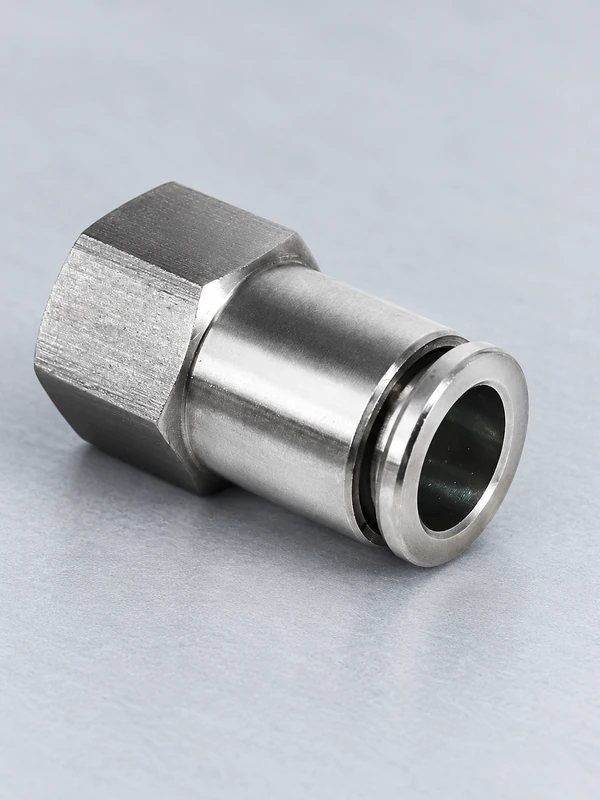
ឧបករណ៍ភ្ជាប់ប្រភេទដាល់ចូលមានប្រយោជន៍សម្រាប់ប្រព័ន្ធបញ្ចូលខ្សែរបស់ម៉ាស៊ីន ក្រុមវ៉ាល់ និងការតភ្ជាប់ខ្លីៗ ដែលអ្នកបច្ចេកទេសត្រូវការ ជំនួសបំពង់ ដោយមិនបង្វិលគ្រឿងផ្គុំទាំងមូលឡើយ។ ពួកវាអាចកាត់បន្ថយការប្រើប្រាស់ឧបករណ៍ និងធ្វើឱ្យសាខាមួយងាយស្រួលក្នុងការកំណត់អត្តសញ្ញាណអំឡុងពេលថែទាំ។ គុណសម្បត្តិរបស់ពួកវាបាត់ទៅវិញនៅពេលដែលបំពង់មិនមានការគាំទ្រគ្រប់គ្រាន់ បានទទួលការបំពុល ឬត្រូវបានដោះចេញម្តងហើយម្តងទៀតដោយមិនបានត្រួតពិនិត្យ។ រចនាបថបញ្ចូលភ្លាមៗក៏ត្រូវការចន្លោះទំនេរគ្រប់គ្រាន់ដើម្បីចុចក្រវ៉ាត់បញ្ចេញ និងប្រវែងត្រង់គ្រប់គ្រាន់ដើម្បីឱ្យបំពង់ចូលដោយមិនបត់។ នៅក្នុងអ័ក្សដែលកំពុងចល័ត ឧបករណ៍ណែនាំ និងការគ្រប់គ្រងកាំងបត់នៅតែជាធាតុចាំបាច់។.
តើការភ្ជាប់ប្រភេទខ្សែស្រឡាយមានន័យច្បាស់លាស់ជាងនៅពេលណា?
Threaded fittings are often selected for fixed ports, metal pipe transitions, pressure regulators and assemblies where the connection is made once and protected from routine disturbance. They can provide a robust mechanical interface when the port standard, torque method and sealing element are documented. The trade-off is slower replacement and a higher risk of cross-threading or sealant contamination during field work. The installer must know whether the joint seals on the thread, a face, a washer or an O-ring; adding tape to the wrong design can create a leak.
How do vibration and movement change the decision?
Vibration does not automatically disqualify either type. The question is where the movement is absorbed. A push-in fitting needs a supported tube route so the collet and seal do not carry a bending moment. A threaded fitting needs adequate engagement and a locking or support arrangement when the port can rotate. Flexible tubing, clamps and strain relief should be specified as part of the assembly rather than added after the first failure. If technicians must disconnect the line often, access and repeatability may outweigh a small difference in initial assembly time.
Does switching connection type automatically solve pressure drop?
No. Pressure measured upstream at idle does not establish the pressure available at an actuator while air is flowing. The passage through the fitting, tube length and bore, valve capacity, filters and exhaust components all affect the working circuit. Compare supplier flow or pressure-drop data using equivalent conditions where it is available. If no suitable data exists, request clarification or conduct the machine-approved functional assessment rather than assigning a flow rating from nominal thread size. Changing only the connection method may leave the restrictive passage unchanged. Record the gauge positions and machine state when comparing before and after results.
What are the maintenance and total-cost trade-offs?
Initial purchase price is only one line in the decision. Consider labour for tube changes, thread cleaning, replacement seals, leak investigation, downtime and inventory. A push-in fitting can make a planned tube change quicker, but repeated removal can mark the tube or wear the seal. A threaded fitting can remain stable for a long period, but a seized or contaminated thread may extend a repair. Record the maintenance interval and failure mode for the actual machine; do not convert a catalogue claim into a promise about អាយុកាលសេវាកម្ម across the site. Separate failures caused by installation or routing from wear findings before using maintenance records to compare the two connection designs.
How should a trial compare installation and maintenance effort?
Use the same tube route, port requirement and acceptance method for both candidates. Record preparation, assembly, support installation, leak-check time and the work needed to disconnect and reconnect during a representative service task. Include spare seals and adapters where required. Separate active labour from time spent waiting for the machine to be made safe. Do not compare a fully prepared push-in connection with a threaded joint that still needs port identification. Repeated removal should follow each manufacturer’s reuse instructions. This method produces a site-specific cost comparison without claiming that one fitting universally saves a percentage of labour or energy. Record whether both candidates fit the same maintenance envelope and require the same isolation work. A fast release has little value if the technician must remove a neighbouring manifold to reach it. Likewise, a fixed threaded joint is not automatically more economical when every repair requires another seal or adapter.
Which specifications must be matched?
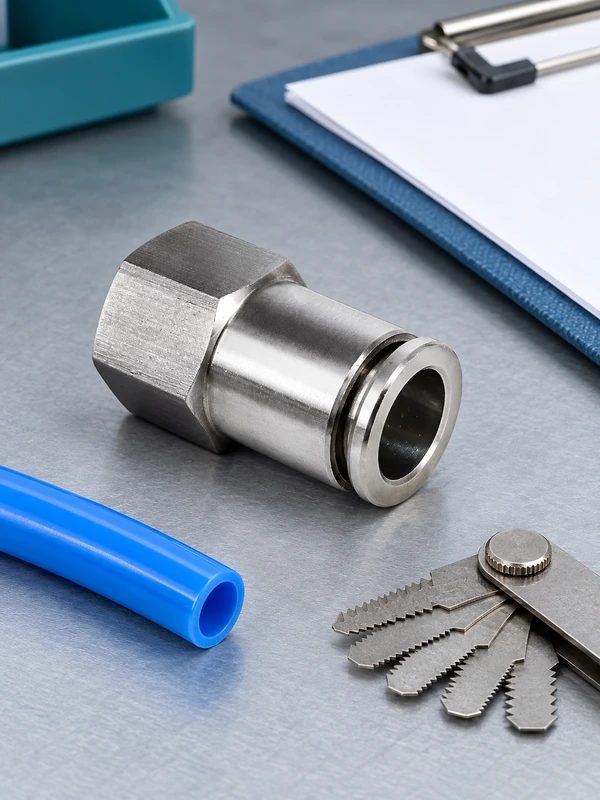
For a push-in design, confirm tube OD, material, wall, medium, pressure, temperature, minimum bend radius and seal compatibility. For a threaded design, confirm thread family, nominal size, engagement, sealing method, torque or assembly instruction and material compatibility. For both, check vibration, cleaning chemicals, ambient conditions and the lowest limit in the complete circuit. A connector that meets a catalogue value alone does not prove the assembled line meets the machine requirement. Retain the exact tube and port designations with the selected drawing so purchasing and installation review the same assembly rather than similar names.
How should the final choice be documented?
A purchase line should name the connection type, tube or port interface, thread standard, seal material, medium, operating envelope and required documentation. Include a small installation sketch when the route or support is safety-relevant. The comparison should be revisited after a pilot installation or recurring maintenance review. If the selected option changes, update spare parts, work instructions and training together so the next technician does not mix two sealing methods.
How should replacement compatibility be approved?
A substitute needs more than the same nominal tube and thread labels. Compare overall envelope, port depth, wrench access, release-collar clearance, tube compatibility, seal arrangement and the documented operating limits. A longer stud may bottom before the intended seal seats; a larger body can obstruct an adjacent fitting. Treat an added adapter as another interface to inspect, not as an invisible part of the connection. Update the approved bill of materials and service instruction together. Otherwise the next repair may reintroduce the old sealing method even though the replacement was correctly installed once.
Which differences matter when comparing air-line connections?
| កត្តា | Push-in pneumatic air fitting | Threaded fitting |
|---|---|---|
| Primary interface | Tube OD, collet and internal seal | Verified thread plus specified seal |
| Routine service | Fast tube release with collar access | Tools and thread/seal inspection required |
| Main risk | Scored tube, shallow insertion or side load | Wrong thread, cross-threading or sealant misuse |
| Best decision evidence | Tube drawing and routing review | Port drawing, sealing method and assembly instruction |
អ្វីដែលអ្នកដំឡើងគួរតែកត់ត្រាទុក?
- Identify the service task: fixed installation, frequent tube change or moving route.
- Verify the interface and seal from the drawing rather than visual similarity.
- Check the complete pressure, temperature, medium and vibration envelope.
- Provide support, strain relief and tool access in the layout.
- Record the selected interface and the acceptance test in the work pack.
សំណួរដែលសួរញឹកញាប់
Are push-in fittings always better than threaded fittings?
No. Specify the interface being compared first because a fitting can have both a threaded port and push-in tube connection. Then compare service access, movement, sealing method and documented limits rather than declaring one design universally better.
Can BSPT be screwed into an NPT port?
Do not assume compatibility. Similar nominal sizes do not establish a correct thread match. Confirm both standards from controlled information and use an approved adapter or matching fitting if the equipment design requires one.
តំណភ្ជាប់ភ្ជាប់ដោយខ្សែរឹតអាចកាត់បន្ថយការហូរចេញនៃសារធាតុបានទេ?
No. A damaged thread, wrong port, unsuitable sealing arrangement or incorrect assembly can still leak. Establish the leak location under the approved procedure before tightening or adding sealant. Check the tube interface separately where one is present.
Can push-in fittings be used on moving equipment?
Only when the selected fitting and tube are suitable for the documented duty. Review the full travel, support and bend radius so movement is absorbed by the intended flexible route. Do not interpret an adjustable body as a continuously rotating union.
Which type is easier to maintain?
Push-in tube connections can simplify release where the collar is accessible and reuse is permitted. Threaded port connections require tools and the correct sealing procedure. The actual service task, not the catalogue label alone, determines maintenance effort.
What should be compared besides price?
Include assembly labour, isolation and test work, adapters, spare seals, downtime and the consequences of failure. Use equivalent application conditions for the comparison. Do not transfer a saving measured on one machine to every installation.
ឯកសារយោង
- SMC, បានចងក្រងទុកនូវសៀវភៅណែនាំឧបករណ៍ភ្ជាប់ដោយចុចតែម្តង KQ2: រូបភាពបង្ហាញពីការសាងសង់ និងការកំណត់រចនាសម្ព័ន្ធ; ជាឯកសារយោងប្រវត្តិសាស្ត្រ មិនមែនជាលក្ខណៈបច្ចេកទេសសម្រាប់ឧបករណ៍ ANMASPC/Oulu នោះទេ។.
- ក្រសួងថាមពលសហរដ្ឋអាមេរិក, កាត់បន្ថយការធ្លាយខ្យល់ដែលត្រូវបានបង្ហាប់, សន្ទស្សន៍ខ្យល់បង្ហូរចេញ 3, កែសម្រួលខែសីហា 2004: ការកំណត់អត្តសញ្ញាណ ការជួសជុល និងការផ្ទៀងផ្ទាត់ការលេចធ្លាយ; ការណែនាំអំពីការថែទាំប្រវត្តិសាស្ត្រ។.
- OSHA 29 CFR 1910.147, ការគ្រប់គ្រងថាមពលដែលមានគ្រោះថ្នាក់: តម្រូវការសេវាកម្មដែលអនុវត្តបានរបស់សហរដ្ឋអាមេរិក រួមទាំងថាមពលដែលបានផ្ទុក។ ដែនអាណាចក្រផ្សេងទៀតតម្រូវឱ្យមានការត្រួតពិនិត្យផ្នែកនិយតកម្មរបស់ខ្លួនផ្ទាល់។.
សេចក្តីសន្និដ្ឋាន
There is no universal winner between a pneumatic air fitting and a threaded fitting. Start with the port and tube interface, then assess service frequency, movement, environment, sealing method and maintenance access. A push-in choice is only efficient when the tube is prepared and supported correctly; a threaded choice is only reliable when the thread and seal are positively identified. Document the complete assembly and test method before release to production. ANMASPC/Oulu’s pneumatic parts range can be reviewed against those inputs, while the final decision should remain tied to the machine drawing and operating limits. Review the pneumatic parts range with the verified tube, port and service requirements when requesting a configuration.



