
蘇州の保守エンジニアが計画的な保守作業の後で機械を再接続する際、プッシュイン継手では再起動から数分以内に空気が漏れることがあります。見た目の症状としては継手からの「シュー」という音ですが、重要なのはその原因です。つまり、継手自体は問題なく見えても、外部配管の外径やねじ形状、あるいは仕様書に記載された使用範囲が回路に適合していなかった可能性があるのです。本ガイドでは、再現性のある指定方法を示します。 空気圧用クイックコネクト継手 購入または再接続の前に行います。.
まとめ: チューブの外径を、チューブ仕様書または校正済みのゲージで測定し、ポートがBSP、BSPT、NPTのいずれであるかを特定した上で、実際の空気使用条件における継手の耐圧および耐温度限界を確認してください。また、流路および保持方式、ならびに公称サイズも確認してください。ISO 4414:2010は、コンポーネントの選定と安全な空気圧システム設計を回路全体の文脈の中で位置付けていますので、推奨される対応としては、これらのチェック項目を発注書に記録し、制御された圧力試験後にチューブの座付き状態を再確認することです。.
機械起動後に、クイックコネクトの選択が失敗するのはなぜですか?
プッシュイン方式は、準備されたチューブをコレットに挿入するだけで、内部の把持・シール機構によって保持されるため、非常に便利です。しかし、利便性が寸法管理の必要性をなくすわけではありません。公称サイズに近いチューブであっても、挿入には大きすぎたり、確実な保持には小さすぎたり、切断後に変形して楕円状になったり、シール部との接触箇所で傷が付いたりすることがあります。.
ねじの不一致は、別の故障原因を生じさせます。BSP、BSPT、NPTは、名称が似ているからといって単純に互換性があるわけではありません。ポート図面、機器取扱説明書、または取り外した部品によって、ねじの種類と公称サイズを確認してください。外径だけからねじの種類を推測しないでください。ピッチ、山形、およびねじ自体でシールするか、面でシールするかといった点も重要です。.
最後に、継手はエア経路の一部です。狭い通路、流れを制限するエルボ、汚染されたフィルター、または仕様不足のバルブが圧力損失を引き起こし、それが誤ってコネクタのせいだとされることがあります。継手、チューブ、バルブ、レギュレータを一体の組み立てとして確認してください。 空気圧部品のラインナップ 接続部品の比較を行う際の有用な出発点ではありますが、最終的な選定には依然として機器メーカーのポートおよびサービスに関するデータが必要です。.
チューブの外径とねじはどのように組み合わせるべきですか?
まず、継手箱ではなくチューブから確認を始めましょう。チューブの材質、公称外径、肉厚構成、切断状態を記録してください。供給業者の寸法公差が提供されている場合は、それを使用してください。現場での交換作業では、チューブに記された刻印または保守用部品表と、継手のカタログ記載内容を照合してください。メートル法のチューブ外径を、単に手で適合するように見えるという理由だけでインチ規格のチューブに置き換えることは避けてください。.
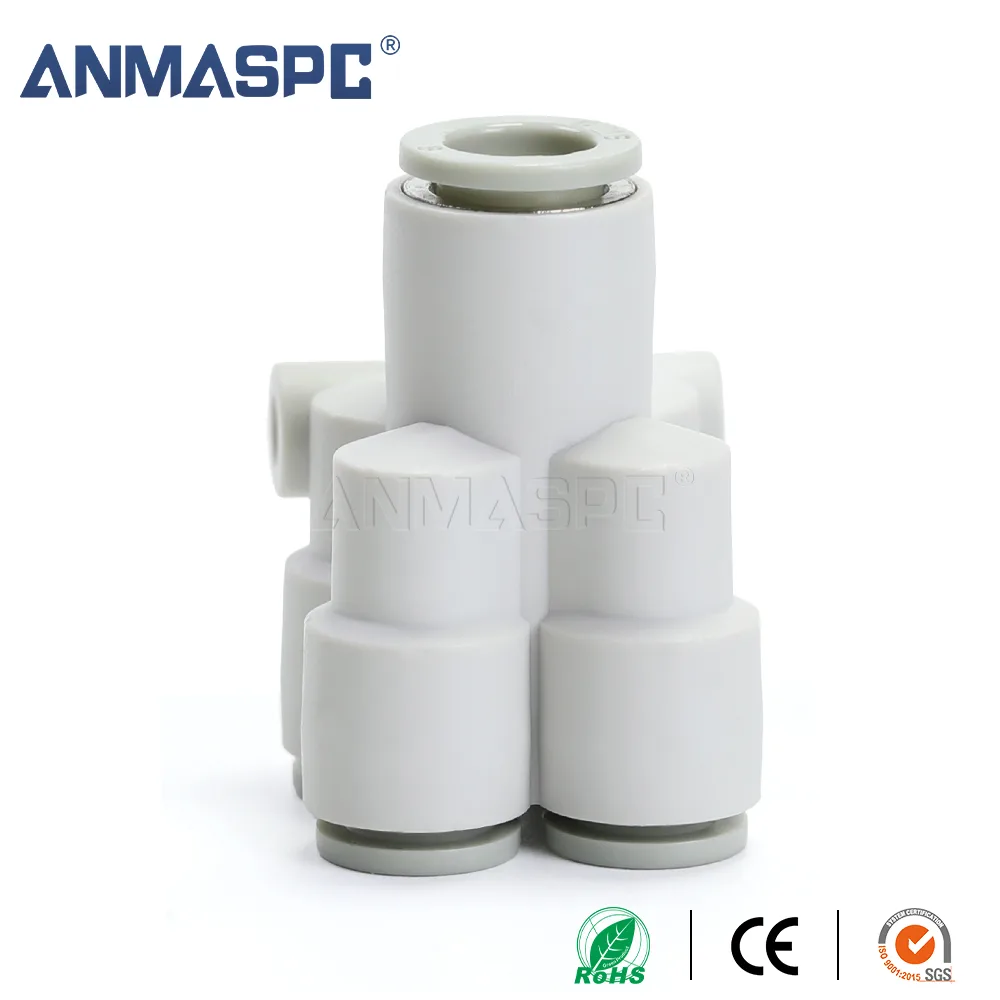
| チェックポイント | 何を記録するか | なぜ誤った一致を防ぐのか |
|---|---|---|
| チューブ外径 | 公称外径、単位系、材質、および供給業者の公差 | コレットとシールがチューブを安定して保持できるかどうかを判定します。 |
| チューブ端部の状態 | スクエアカット、クリーンなエッジ、平面化や縦方向の傷なし | 均一なシール面と十分な挿入深さを確保します。 |
| ポートスレッド | BSP、BSPT、またはNPT;公称サイズ;ポート図面または取り外し部品の参照 | スレッドの交差を防ぎ、信頼性の低いねじ締結を防止します。 |
| 接続ジオメトリ | ストレート、エルボー、ティー、バルクヘッド、またはマニフォールド接続 | アクセス、曲げ半径、および意図された流路を保持します。 |
切断後は、チューブ製造業者の指示に従ってのみバリ取りを行ってください。過度に面取りしたり、くさび状の端部を残したりしないでください。チューブを継手のストップ位置まで押し込み、その後、メーカーが定める保持確認を行ってください。軽い引っ張り試験は実用的な組み立て確認手段ですが、システムに規定された圧力試験の代わりにはなりません。配管を動かした際にチューブが過度に回転する、抜け出す、または解放される場合は、無理に締め付けず、切断状態、外径、およびコレットを点検してください。.
どのねじの形状、圧力、温度のデータを仕様書に記載すべきですか?
ねじの形式は推測ではなく、調達上の分野です。BSPPでは一般的に、別途のシール部品または面密着による密封が用いられる平行ねじを使用します。一方、BSPTおよびNPTは、ねじ形状や密封方法が異なるテーパーねじシステムです。継手のデータシートと相手側ポートの図面は一致している必要があります。輸入部品を交換する際には、サプライヤーにねじ規格を書面で確認してもらい、その確認書を部品表とともに保管してください。.
圧力と温度は併せて評価する必要があります。継手の公表された使用圧力範囲、試験基準、温度範囲、および降格係数や使用流体の制限を必ず確認してください。破裂圧力や実験室での測定値を連続運転限界に変換してはなりません。ISO 4414:2010は安全な空気圧動力システムに関するものであり、すべての市販コネクタを認証したり、普遍的な耐圧等級を設定したりするものではありません。.
空気の品質および設置環境も記録してください。油、水、洗浄剤、屋外への暴露、シリンダー近傍の熱、および繰り返しの動作は、選定したポリマーまたは金属ならびにシール材に影響を及ぼす可能性があります。カタログに複数の材料が掲載されている場合は、金属が常に安全であるとかプラスチックで十分であると決めつけず、記載された使用条件範囲を比較検討してください。.
流れ経路、振動、交換互換性は、選択にどのように影響しますか?
公称管サイズだけでは気流を完全に表すことはできません。継手の内径、ポートサイズ、形状をバルブおよびアクチュエータの要件と比較してください。コンパクトなエルボは省スペースにはなりますが、ストレート継手よりも流れの方向変化が大きくなる場合があります。流量データが提供されている場合は、サプライヤーが示す試験条件を必ず使用し、データがない場合は、流量値を勝手に推定せず、該当する特性曲線や絞りに関する情報を求めましょう。.
振動は保持に関する課題を生じます。継手に曲げ応力をかけないように配管し、長距離の配管には支持を取り付け、リリースリングを正しく押し込むための保守スペースを確保してください。機械の動作中にチューブが横方向に引っ張られると、ねじ部がしっかり締まっていてもシール部が徐々に損傷する可能性があります。リリースが発生した場合は、コルセット、シール、チューブ端部、ポートの摩耗を必ず点検してください。.
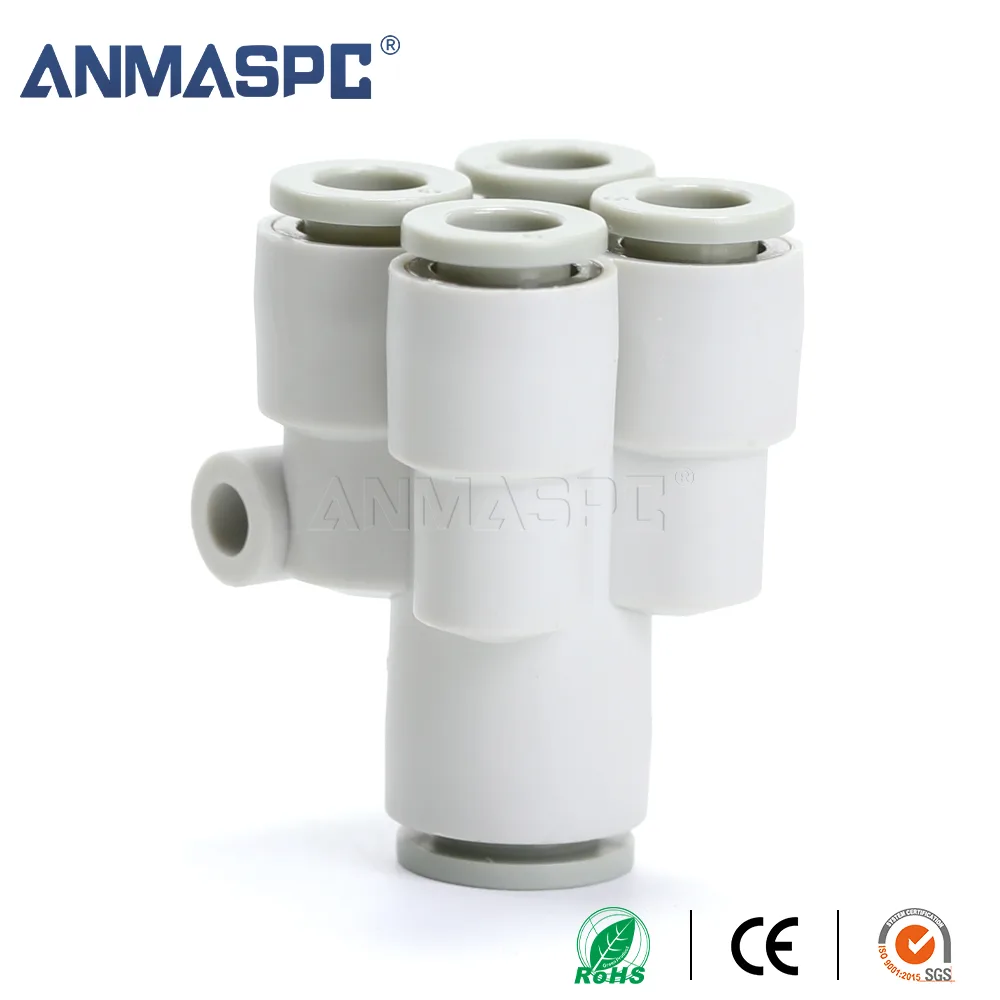
| 応募条件 | 選択問題 | 保持すべき証拠 |
|---|---|---|
| Fixed machine air line | Does the straight or angled geometry preserve the intended flow and access? | Port drawing, tube OD, fitting drawing, and assembly instruction |
| Moving or vibrating assembly | Is the tube supported, and is the retention method suitable for the movement? | Routing sketch, service movement description, and post-installation inspection record |
| Warm, wet, or chemically exposed area | Are seal and body materials documented for the actual environment? | Temperature, medium, cleaning-agent, and material compatibility information |
| Replacement or retrofit | Are OD, thread, geometry, port depth, and release access identical or formally approved? | Removed-part label, new-part datasheet, and a controlled fit check |
Replacement compatibility means more than matching a catalogue family name. Compare the tube OD, thread form, body geometry, sealing interface, flow direction where applicable, and available clearance. If any field is unknown, quarantine the substitute until the equipment owner or component supplier confirms it. The products directory can help locate a form factor, while the 空気圧継手の保守ガイド provides a maintenance-oriented checklist for inspection and replacement.
What do ISO 4414 and ISO 12100 change in procurement?
ISO 4414:2010 sets general rules and safety requirements for pneumatic fluid-power systems and their components. In practical procurement, that means the connector should be considered with isolation, stored energy, pressure control, routing, and maintenance access. ISO 12100:2010 provides a machinery risk-assessment framework; it helps the machine builder identify hazards caused by unexpected movement, hose release, access, or maintenance conditions. Neither standard should be presented as a product certification unless the relevant conformity evidence actually exists.
For compressed-air projects, the U.S. Department of Energy’s industrial compressed-air resources also emphasize system-level assessment. The commercial consequence is straightforward: require a datasheet, material information, thread designation, pressure-temperature limits, and installation instructions before approving a substitute. Keep the records with the machine’s technical file so future maintenance does not depend on memory.
What is a practical buying and installation checklist?
- Measure and identify: confirm tube OD, material, and thread family from controlled documentation.
- Match the service: record normal and transient pressure, temperature, medium, motion, and environmental exposure.
- Choose the geometry: check straight, elbow, tee, bulkhead, and manifold dimensions against bend radius and access.
- Verify the flow path: compare the passage and port arrangement with valve, regulator, and actuator requirements.
- Control the installation: cut square, insert to the stop, confirm retention, pressurize in a controlled manner, and inspect for leaks.
Oulu / ANMASPC (Zhejiang Oulu Automatic Equipment Co., Ltd.) supplies pneumatic push-in fittings, tubing, valves, cylinders, and related parts for B2B sourcing. Treat that product range as a starting point for a documented selection: provide the tube OD, port thread, operating conditions, geometry, and replacement requirement so the supplier can return a traceable proposal rather than a visually similar part. For machines using multiple control functions, the guide to solenoid valve types can help keep valve and fitting decisions aligned.
よくある質問
How do you install the Pneumatic Quick Connect Fittings without cutting or scratching the tube?
Use a suitable tube cutter to make a square, clean end, then remove debris and inspect the circumference. Push the tube fully into the fitting until it reaches the internal stop, and perform the supplier’s retention check before pressurizing. A scratched or oval end should be cut back to sound material.
Can the Pneumatic Quick Connect Fittings be disconnected and reused in a maintenance job?
Many push-in designs can be released for service, but reuse depends on the fitting instructions, tube condition, seal condition, and the number of prior releases. Depressurize and isolate the circuit first; replace a fitting or tube when the collet, seal, thread, or tube end shows damage. Do not assume that a fitting is reusable solely because it can be disconnected.
Which sealing method is best for the threaded side of the Pneumatic Quick Connect Fittings?
Follow the fitting maker’s instruction for the identified thread form. Parallel threads may use a specified seal or face arrangement, while tapered threads require a compatible sealing practice; avoid adding tape or sealant where it can enter the air path or interfere with seating. Confirm the method against the port drawing and product documentation.
How do you measure the Pneumatic Quick Connect Fittings before ordering replacement parts?
Record the tube OD, port thread family and nominal size, body geometry, overall envelope, and any visible marking. Compare those observations with the original bill of materials and the replacement datasheet. If the thread cannot be identified confidently, send the supplier a drawing or controlled part reference instead of ordering from a photograph alone.
What causes a tube to release from the Pneumatic Quick Connect Fittings under vibration?
Common causes include a wrong tube OD, an angled or damaged cut, incomplete insertion, a worn collet or seal, and side loading from unsupported tubing. Inspect the tube end and retention parts, support the route, and confirm that the selected fitting is documented for the movement and environment. A loose thread is only one possible cause.
Is plastic, brass or stainless steel better for the Pneumatic Quick Connect Fittings application?
There is no universal winner. Compare the documented pressure, temperature, medium, corrosion exposure, movement, weight, and maintenance requirements with the material options in the datasheet. Select the least-complex material that satisfies the verified service conditions, and request compatibility evidence when cleaning chemicals or unusual media are involved.
参考文献
- ISO 4414:2010, Pneumatic fluid power — General rules and safety requirements for systems and their components.
- ISO 12100:2010, Safety of machinery — General principles for design — Risk assessment and risk reduction.
- U.S. Department of Energy, Industrial Technologies Office: compressed-air systems resources.
結論
Reliable quick-connect selection is a record-keeping exercise before it becomes an installation exercise. Confirm the tube OD and cut condition, identify the thread form from controlled information, and compare pressure and temperature limits with the real duty cycle. Then check geometry, airflow restrictions, vibration support, and replacement compatibility as one connected decision. ISO 4414 and ISO 12100 provide useful system-level discipline, but neither replaces the fitting datasheet or a controlled commissioning check. Oulu / ANMASPC can help B2B buyers compare pneumatic fittings, tubing, and related parts when the request includes the port, tube, environment, and service data. The principle is simple: match evidence to every interface, document the choice, and only then pressurize the machine.
For a project-specific recommendation, review the 空気圧部品のラインナップ and contact the supplier with your tube OD, thread, pressure, temperature, and application details.



