
A គម្របបញ្ចប់មីក្រូឌាក់ត์ ការដែលវាលើសចេញមក បង្កឱ្យក្រុមថែទាំមានសំណួរពីរ៖ តើឧបករណ៍ភ្ជាប់បានបាត់ការជាប់ឬយ៉ាងណា ឬខ្សែបំពង់បានឈប់បិទជិតហើយ? កំហុសទាំងនោះអាចកើតឡើងរួមគ្នា ប៉ុន្តែការចាត់ទុកវាថាជាបញ្ហាដូចគ្នា អាចជំរុញឱ្យមានការដាក់វាឡើងវិញម្តងហើយម្តងទៀត ដោយមិនរកឃើញមូលហេតុ។ គម្របអាចចាប់ជាប់បំពង់មុនពេលបំពង់ទៅដល់ទីតាំងបិទជិត; ផ្ទុយទៅវិញ ការមានទឹកឃើញនៅជុំវិញគម្របមិនបញ្ជាក់ថាទឹកបានចូលតាមផ្លូវណាទេ។ មុនពេលបញ្ជាទិញគ្រឿងជំនួស ឬចល័តក្រុមបូមខ្សែ ត្រូវកំណត់ម៉ូដែលគម្រប វាស់ខ្សែបំពង់ និងពិនិត្យស្ថានភាពនៃការតភ្ជាប់។ ការត្រួតពិនិត្យខាងក្រោមនេះ បែងចែកកំហុសទាក់ទងនឹងទំហំ ការរៀបចំ ការបញ្ចូល និងការរក្សាទុក រួចបង្ហាញថាពេលណាការកែតម្រូវនៅទីតាំងគួរបញ្ឈប់ ហើយការពិនិត្យពីអ្នកផ្គត់ផ្គង់គួរចាប់ផ្តើម។.
ចម្លើយខ្លីគឺត្រូវបំបែកផ្នែកនោះចេញ និងបន្ថយសម្ពាធឱ្យអស់ ព្រមទាំងបញ្ជាក់ថាប្រដាប់បិទបើកត្រូវគ្នាជាមួយលូយ៉ាងច្បាស់ ហើយត្រូវពិនិត្យមើលការកាត់ ការបញ្ចូល ការបិទជិត និងគ្រឿងបន្លាស់ដែលត្រូវការសម្រាប់រក្សាទុក។ លូដែលទទេត្រូវការបិទបើក ចំណែកលូដែលមានខ្សែកាបត្រូវការបិទជិតដែលសមស្របនៅជុំវិញខ្សែកាប។ ប្រដាប់បិទបើកដែលអាចដោះចេញបាន ការពារលូដែលទទេរហូតដល់ពេលរៀបចំសម្រាប់ការបូមខ្សែ ហើយត្រូវដោះចេញមុនពេលបូមខ្សែកាបឆ្លងកាត់ច្រកនោះ។ EN 50411-2-8:2009 រួមបញ្ចូលការបិទលូដែលបើកនៅក្នុងវិសាលភាពនៃឧបករណ៍ភ្ជាប់របស់ខ្លួន ប៉ុន្តែក្នុងបញ្ជីផលិតផលរបស់វាមិនបានកំណត់កម្រិតសម្ពាធសម្រាប់ប្រដាប់បិទបើកមួយឡើយ។ សូមប្រើប្រាស់ការណែនាំនៃម៉ូឌែល និងនីតិវិធីនៃការទទួលយកផ្លូវ ជាជាងប្រើប្រាស់ច្បាប់សម្ពាធឬច្បាប់ជួសជុលដែលមានលក្ខណៈទូទៅ។.
ហេតុអ្វីបានជាគម្របបញ្ចប់ទុយយោមីក្រូអាចចាប់កាន់ទុយយោ ប៉ុន្តែនៅតែធ្លាយ?
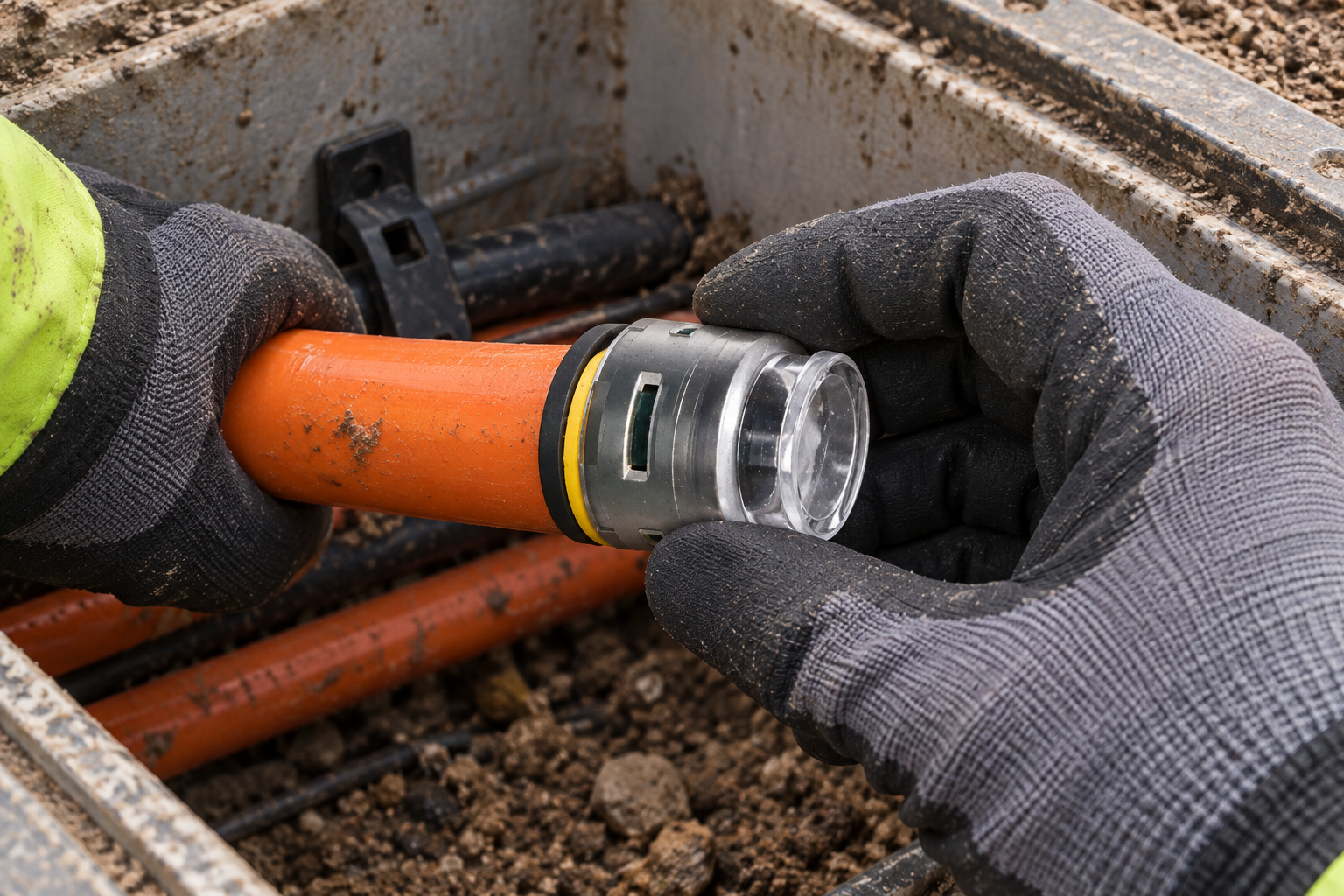
ការរក្សាទុកតាមបែបមេកានិក និងការស្អំគឺជាការត្រួតពិនិត្យដាច់ដោយឡែកពីគ្នា៖ ការទប់ទ្រលំអិតខ្សែបញ្ជូនអណ្តូងទឹកឱ្យនៅនឹងកន្លែងមិនមែនជាភ័ស្តុតាងថា ចំណុចប្រសព្វនៃការបិទជិតបំពង់ ត្រូវបិទជិតក្រោមលក្ខខណ្ឌដែលបានអនុម័ត។ សន្ទះដែលបានដំឡើងមិនបញ្ជាក់ថាមានការបិទជិតពេញលេញនោះទេ។.
FCST’s ការណែនាំសម្រាប់ការដំឡើងឧបករណ៍ភ្ជាប់មីក្រូឌាក់ ចេញផ្សាយនៅខែសីហា 2025, ជាក់ស្តែង គេបានកត់សម្គាល់ថា បំពង់អាចត្រូវបានចាប់កាន់ដោយមិនចាំបាច់បញ្ចូលឱ្យទៅជាទីតាំងពេញលេញឡើយ ដែលបណ្តាលឱ្យមានការលេចធ្លាយ។ វាតម្រូវឱ្យមានវិមាត្រស្អាត បំពង់មូលដែលមិនខូច ការកាត់ជាគ្រាប់ឈូក និងការដកស្នាមរបកចេញ។ នេះគឺជាឧទាហរណ៍ដ៏មានប្រយោជន៍មួយពីអ្នកផលិតខាងក្រៅ មិនមែនជាលក្ខណៈបច្ចេកទេសនៃការដំឡើងសម្រាប់គម្របចុងនីមួយៗឡើយ។.
| រោគសញ្ញាដែលបានសង្កេតឃើញ | មូលហេតុដែលអាចកើតមានដែលត្រូវស៊ើបអង្កេត | សកម្មភាពបន្ទាប់ពីការបន្ថយសម្ពាធហើយ |
|---|---|---|
| កាប់បែរទិស ឬដោះចេញ | អង្កត់ផ្ចិតខាងក្រៅនៃបំពង់មិនត្រឹមត្រូវ, ការភ្ជាប់មិនពេញលេញ ឬកងសន្ទុះដែលត្រូវការខ្វះចន្លោះ | ប្រៀបធៀប OD ដែលបានវាស់ជាមួយនឹងគំនូរពិតប្រាកដ; ពិនិត្យការបញ្ចូល និងផ្នែកទប់ដែលបានកំណត់ |
| កាប់ប្រភេទ Cap មើលទៅមានសុវត្ថិភាព ប៉ុន្តែការធ្វើតេស្តបង្ហាញថា មានការលេចធ្លាយ។ | ការដំឡើងមិនពេញលេញ, ការបំពុល ឬការខូចខាតនៅផ្ទៃប៉ះគ្នាសម្រាប់បិទជិត | បែងចែកផ្ទៃប្រសព្វ ពិនិត្យការរៀបចំ និងផ្ទៀងផ្ទាត់សញ្ញាបង្ហាញការដាក់តាំងរបស់ម៉ូដែល |
| ចុងបំពង់មានរាងជាផ្លែទ្រូង ឬខូចខាតយ៉ាងច្បាស់ | ផ្ទៃបិទជិត និងកាន់មិនសមស្រប | វាយតម្លៃថាតើបំពង់សំឡេងអាចត្រូវបានរៀបចំនៅក្នុងគម្រោង និងតាមការណែនាំរបស់អ្នកផលិតដែរឬទេ; កុំកំណត់ការកាត់បន្ថយជាស្ថិតិ។ |
| ទឹកព័ទ្ធជុំវិញគម្រប | ការជ្រៀតចូលនៅផ្នែកផ្សេងទៀតនៃដំណើរការ ឬកំហុសនៃចំណុចប្រសព្វក្នុងស្រុក | ស្រាវជ្រាវតាមដំណើរការ និងបំបែកចេញនូវចំណុចប្រទាក់មុនពេលផ្តល់ប្រភពទៅកាន់គែប |
| ចលនាត្រឡប់មកវិញបន្ទាប់ពីការកែតម្រូវ | បញ្ហាបែបបទដែលមិនទាន់ដោះស្រាយ ការផ្គុំ ការដំណើរការ ឬកំហុសគ្រឿងបន្លាស់ | បញ្ឈប់ការដាក់តំរឹមឡើងវិញជាបន្តបន្ទាប់; រក្សាផ្នែកនោះ និងផ្ញើឯកសារទំហំ និងការតំឡើងសម្រាប់ពិនិត្យ |
ទាំងនេះគឺជាគន្លងនៃការស៊ើបអង្កេត មិនមែនជាមូលហេតុដែលបានបញ្ជាក់នោះទេ។ ឧបករណ៍ចងចាំដែលធ្វើឡើងដោយខ្លួនឯងមិនអាចដោះស្រាយបញ្ហាបំពង់ដែលមានទំហំខុសពីការកំណត់ ឬការផ្គុំដែលខូចនោះទេ។.
តើគួរពិនិត្យអ្វីខ្លះមុនពេលដាក់គម្របចុងឡើងវិញ?
កំណត់អត្តសញ្ញាណគម្រប និងទុយោ ជាជាងពឹងផ្អែកលើទំហំដែលបានកំណត់។ ត្រួតពិនិត្យអង្កត់ផ្ចិតខាងក្រៅ (OD) ធៀបនឹងរូបគំនូរនៃគម្រប ដោយវាស់ក្នុងច្រើនទិសដើម្បីពិនិត្យភាពមិនមូល។ អង្កត់ផ្ចិតខាងក្នុង (ID) នៃទុយោ និងទំហំជញ្ជាំង គឺជាព័ត៌មានអំពីភាពឆបគ្នាដាច់ដោយឡែកពីគ្នា។ ប្រើដែនកំណត់នៃភាពមិនច្បាស់លាស់របស់អ្នកផ្គត់ផ្គង់ មិនមែនដែនកំណត់របស់ម៉ាកផ្សេងទៀតឡើយ។.
បន្ទាប់មកពិនិត្យផ្ទៃដែលត្រូវកាត់ និងផ្ទៃប៉ះទង្គិច។ ចុងរាងជ្រុង គ្មានស្នាមកោស និងមិនខូចខាត គឺជាចំណុចចាប់ផ្តើមដែលបានបង្ហាញនៅក្នុងការណែនាំ FCST។ ប្រសិនបើការខូចខាតតម្រូវឱ្យមានការកាត់ត ត្រូវកំណត់អំពីទំហំនៃការកាត់តនោះ ដោយផ្អែកលើស្ថានភាពនៃបំពង់ និងនីតិវិធីដែលអនុវត្តបាន មិនមែនដោយផ្អែកលើការបន្ថែម 30-50 មីលីម៉ែត្រជាសកលនោះទេ។ សម្អាតដោយប្រើវិធីដែលត្រូវបានអនុម័ត; កុំសន្មតថាការលាងសម្អាតទាំងស្រុងនៃផ្លូវ ឬការប្រើប្រាស់សារធាតុរំអិល គឺសមស្របសម្រាប់គម្របគ្រប់ប្រភេទឡើយ។ ប្រសិនបើបំពង់នោះត្រូវបានប្រើដោយខ្សែកាប្លិ៍នៅពេលក្រោយ ត្រូវប្រៀបធៀបតម្រូវការនៃការបិទជិតចុងក្រោយជាមួយនឹង ឧបករណ៍ភ្ជាប់ប្លុកឧស្ម័ន ជាជាងការប្រើឡើងវិញនូវគម្របបំពង់ទទេដោយសន្មត។.
ត្រួតពិនិត្យការដាក់អង្គុយដោយប្រើសញ្ញាបញ្ជាក់ការបញ្ចូលដែលបានកំណត់របស់ម៉ូឌែល និងដំឡើងផ្នែករក្សាទុកដែលចាំបាច់របស់វា។. គ្រាប់ចុចបិទសំប៉ែត ប្រៀបធៀបនឹងការបិទជិតរបស់ឧបករណ៍បញ្ចេញហ្គាស ពន្យល់ថាហេតុអ្វីការទប់ស្កាត់ការបញ្ចេញមិនអាចជួសជុលស្នូលដែលខូចបាន។ ស្នូល និងគ្រាប់ចុចដែលមានរូបរាងស្រដៀងគ្នា ដែលផលិតដោយអ្នកផ្គត់ផ្គង់ផ្សេងៗគ្នា មិនអាចជំនួសគ្នាដោយស្វ័យប្រវត្តិបានឡើយ។.
តើការដោះស្រាយបញ្ហាគួរបញ្ឈប់ និងផ្ទេរទៅកាន់ការពិនិត្យឡើងវិញរបស់អ្នកផ្គត់ផ្គង់នៅពេលណា?
ឈប់ និងបញ្ជូនបន្ត ប្រសិនបើមិនអាចកំណត់គំរូ ឬចំណាត់ថ្នាក់បានទេ, ឬប្រសិនបើរូបវិទ្យាដែលបានវាស់វែងធ្លាក់ចេញពីជួរដែលបានចុះបញ្ជី, ផ្ទៃខ្លួន ឬផ្ទៃស្អិតត្រូវបានខូច, ឬការចល័ត ឬការលេចធ្លាយកើតឡើងវិញបន្ទាប់ពីការកែតម្រូវដែលបានអនុម័ត។ រក្សាឧបករណ៍ដែលសង្ស័យមិនឱ្យប្រើក្នុងប្រព័ន្ធដែលមានសម្ពាធ រហូតដល់ភាគីទទួលខុសត្រូវកំណត់វិធីព្យាបាលដែលសមស្រប។ កុំបង្កើនសម្ពាធការធ្វើតេស្ត ដើម្បីបង្ខំឱ្យមានការ诊断មិនច្បាស់លាស់។.
បែងចែកការសង្កេតអំពីការច្រោះ និងការលេចធ្លាយនៅក្នុងកំណត់ត្រាការជួសជុល។ នេះគឺជាដំបូន្មានអំពីភាពអាចតាមដានបានដ៏មានប្រយោជន៍ មិនមែនជាទម្រង់ដែលតម្រូវឱ្យប្រើឡើយ។.
| Record category | Information worth retaining | ការសម្រេចចិត្តដែលវាគាំទ្រ |
|---|---|---|
| Retention | Model, lot/code, measured duct geometry, insertion indication, retainer identity and photographs of movement | Whether the assembly matches its drawing and release-prevention requirements |
| ការផ្សាភ្ជាប់ | Isolated interface, seal condition, medium, approved test procedure, instrument and result | Whether leakage is local and the required sealing condition was evaluated |
| Correction and retest | Preparation performed, approved parts used, assembly state and subsequent observations | Whether correction resolved the original fault or further review is needed |
Preserve the failed cap and duct evidence. Repeated failures across a lot warrant review, but do not establish a manufacturing defect.
How should a temporary cap be removed before cable blowing?
Model-specific removal instructions govern the release method. Isolate the section and confirm depressurization before disassembly. FCST describes removing the clip, pushing the collet and pulling the duct for its covered connector design; apply that sequence to an end cap only when its manufacturer specifies it. A different closure may use a different release arrangement.
Inspect the duct after removal and prepare it under the cable-installation plan. A removable cap protects the waiting duct, not the opening during blowing. If cable occupies the duct, consult end-stop versus gas-block closure selection rather than adapting an empty-duct cap.
What evidence is needed for pressure and outdoor service?
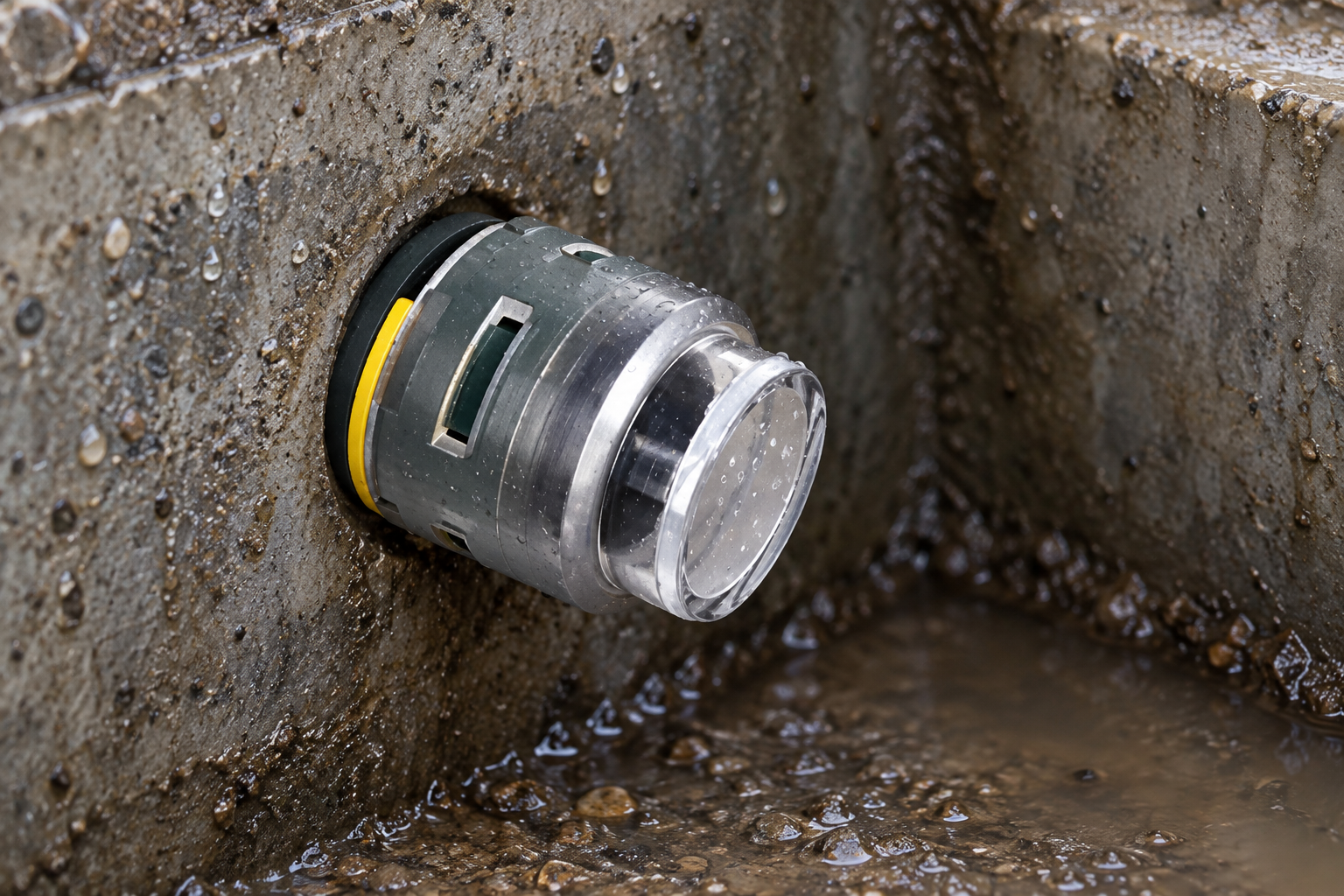
Request the exact model’s installation instructions, service limits and relevant test evidence. The official EN 50411-2-8:2009 catalogue describes initial dimensional, mechanical, optical and environmental requirements for installed blown-fibre microduct connectors in protected installations. It excludes connectors intended for direct sunlight. Citing its name therefore does not prove that a particular cap is UV-qualified or suitable for direct burial.
IEC TR 63431:2025, Microduct technology guidance, covers repairs, environmental expectations and installation guidance, not universal component ratings. Obtain documented temperature and exposure limits; assess burial protection separately. Distinguish component ratings from the route owner’s medium, pressure, duration and acceptance criteria.
What else should maintenance teams ask about loose end caps?
How tightly should the microduct end cap be fitted to stop dust and water?
Fit the documented duct size and achieve the model’s specified seating condition. Extra force or an improvised clamp is not evidence of sealing. A សន្ទះចងខ្សៀរមីក្រូដាក្ត, where required, addresses retention rather than replacing the seal.
Can the microduct end cap remain installed while cable is blown later?
It can protect a vacant duct until blowing preparation if approved for that use. Remove it before blowing cable through that opening; follow the release instructions after depressurization.
What pressure test confirms that the microduct end cap is sealing correctly?
Use the model limits and project-approved procedure, recording the medium, instrument, test conditions and result. No single pressure or hold time applies to every cap, and an empty-duct test does not validate a seal around installed cable.
Is a locking clip needed with every microduct end cap?
Only the exact design instructions establish whether a clip is required and which one fits. A clip can prevent inadvertent release, but cannot correct wrong OD, a crack or a damaged seal.
How do you remove the microduct end cap without damaging the duct?
Isolate and depressurize, then use the maker’s release method. Do not assume every closure has a push-collet mechanism or needs the same tool. Inspect the duct before reassembly or blowing preparation.
What UV and temperature rating should an outdoor microduct end cap have?
Choose documented limits suitable for the intended exposure and exact body-and-seal combination. Direct sunlight, protected chamber use and burial are different conditions; a standard reference alone does not establish suitability.
Can a removed end cap be reused?
Reuse only when the exact manufacturer permits it and inspection and retesting support return to service. There is no universal reuse-cycle allowance or automatic replacement schedule.
What should be sent to the supplier when a cap repeatedly loosens?
Send the model, lot/code, measurements, photographs, test records and correction history. Separate retention from leakage observations and preserve failed components.
Which primary references support these checks?
- FCST, Installation Instruction For Microduct Connector, August 22, 2025: a maker-specific example of preparation, seating, clips and release.
- NEN, EN 50411-2-8:2009 catalogue: connector scope and protected-installation limitations.
- IEC, TR 63431:2025, published September 8, 2025: microduct repairs, environmental expectations and installation guidance.
How can the team decide whether to correct or replace the cap?
A loose cap needs a documented diagnosis, not simply more force or another identical fitting. Establish the model and duct geometry first, then decide whether the observed fault concerns retention, sealing or both. Correct preparation or assembly only within the applicable instructions and record the retest before returning the section to service. Repeated movement, uncertain compatibility or damaged components warrants supplier review rather than repeated trial fitting. Keep the closure in place during the approved waiting period, but remove it before blowing through that opening. Oulu / ANMASPC’s microduct end-cap product page is a starting point for selection; contact the supplier with the measured duct dimensions, intended environment and failure record to request the matching drawing and installation requirements.



