
A درپوش میکروداکت هر زمان که یک اتصال شل میشود، دو سوال برای تیم نگهداری و نظارت پیش میآید: آیا اتصال قدرت گرفتن خود را از دست داده است یا لوله دیگر محکم بسته نیست؟ این عیوب میتوانند همزمان رخ دهند، اما در نظر گرفتن آنها به عنوان یک مشکل واحد، باعث میشود که بدون یافتن علت اصلی، بارها و بارها اصلاحات انجام شود. یک سرپوش ممکن است قبل از اینکه لوله به موقعیت بستهبندی خود برسد، روی لوله جا بگیرد؛ در عوض، وجود آب در اطراف سرپوش، نشاندهنده محل ورود آب به مسیر نیست. پیش از اینکه قطعات جایگزین را سفارش دهید یا تیم فشردن کابل را فعال کنید، مدل سرپوش را شناسایی کنید، قطر لوله را اندازهگیری کنید و وضعیت مونتاژ را بررسی کنید. بررسیهای زیر، عیوب اندازهگیری، آمادهسازی، وارد کردن و نگهداری را از هم جدا میکنند و سپس نشان میدهند که در چه زمانی باید اصلاحات میدانی متوقف شود و بررسی توسط تأمینکننده آغاز شود.
پاسخ سریع این است که آن بخش را جدا و فشار آن را برطرف کنید، مطابقت دقیق کلاهک با لوله را تأیید کنید، و قسمتهای برشخورده، وارد شده، جلوقفل و اجزای نگهدارنده مورد نیاز را کنترل کنید. یک لوله خالی به یک درپوش نیاز دارد؛ لوله حاوی کابل نیز به یک جلوقفل سازگار در اطراف کابل نیاز دارد. یک کلاهک قابل جدایی لوله خالی را تا زمان آمادهسازی برای پراندن محافظت میکند، و سپس قبل از پراندن کابل از آن سوراخ خارج میشود. EN 50411-2-8:2009 شامل بستن لولههای باز در چارچوب اتصالات خود میباشد، اما فهرست محصولات آن محدودیت فشاری برای یک کلاهک منفرد تعیین نمیکند. به جای یک قانون جامع فشار یا تعمیر، از دستورالعملهای مدل و روش تصویب مسیر استفاده کنید.
چرا میتواند یک سرپوش پایانی میکروکانال کانال را بگیرد اما همچنان نشت داشته باشد؟
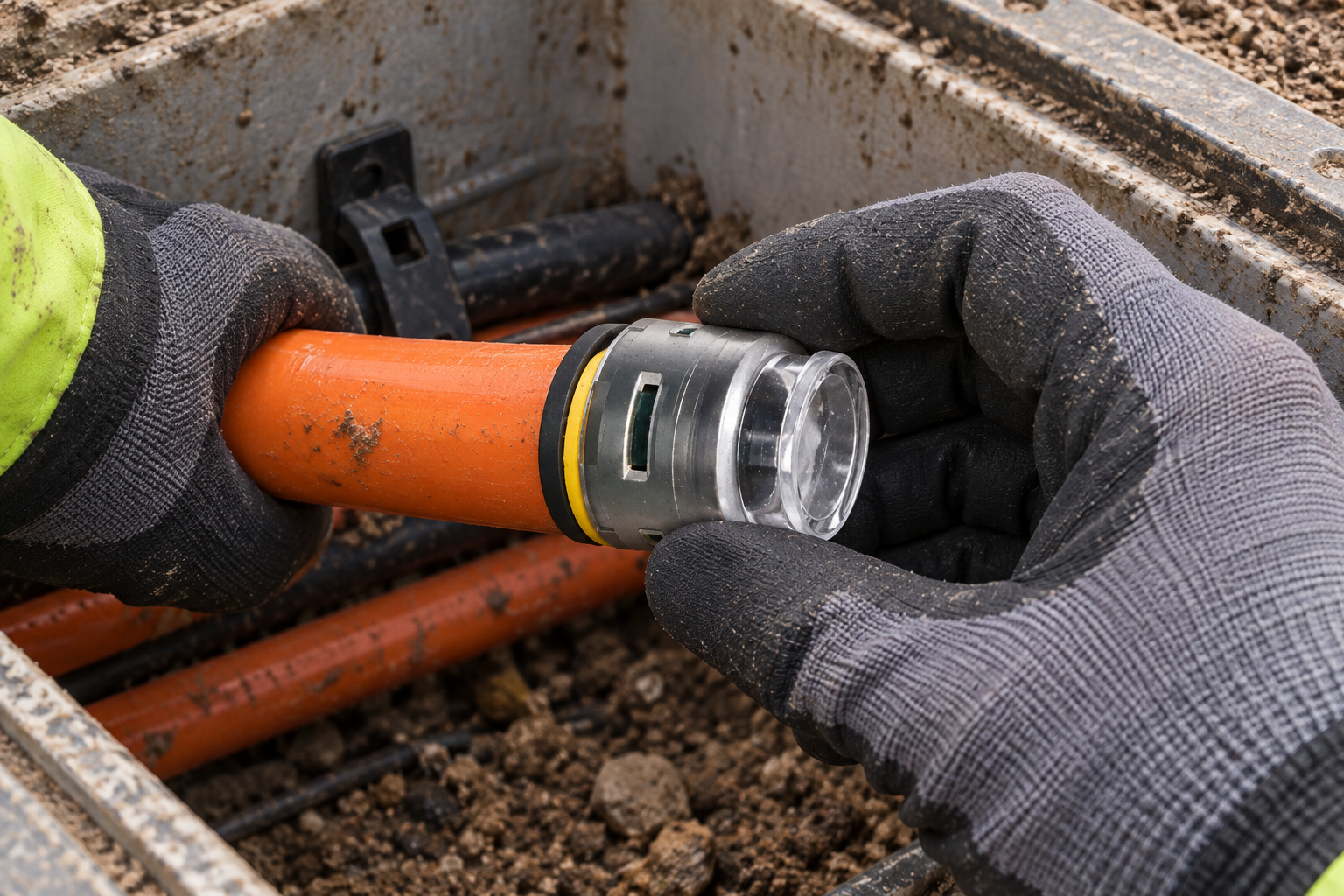
نگهداری مکانیکی و محکمسازی دو چک جداگانه هستند: نگه داشتن لوله در جای خود، به معنای اثبات اینکه روابط بستهبندی لولهها در شرایط تأییدشده، مهر و موم میکند. یک کلیپ نصبشده، دلیل بر مهر و موم کامل نیست.
پیشبینی FCST دستورالعمل نصب اتصالگر میکروکانال، منتشر شده در آگوست 2025, بهطور خاص، اشاره میکند که لوله میتواند بدون نصب کامل گرفته شود و این باعث نشت میشود. این دستورالعمل به اندازههای دقیق، یک لوله دور و بدون آسیب، برش مستقیم و حذف لبههای تیز اشاره دارد. این یک مثال مفید برای سازنده خارجی است، نه یک مشخصات نصب برای هر نوع سرپوش پایانی.
| عارضه مشاهده شده | علت احتمالی برای بررسی | اقدام بعدی پس از کاهش فشار |
|---|---|---|
| کلاه حرکت میکند یا جدا میشود | قطر خارجی لوله ناقص، اتصال ناکامل یا حذف قفل مورد نیاز | OD اندازهگیریشده را با نقشه دقیق مقایسه کنید؛ ورود و قطعات نگهدارنده تعیینشده را بررسی کنید. |
| کاپ امن به نظر میرسد، اما آزمایش نشانگر نشتی است. | ناتمام بودن نشست، آلودگی یا آسیب در سطح اتصال مهر و موم | رویکرد را جدا کنید، آمادهسازی را بررسی کنید و نشانگر جایگیری مدل را تأیید کنید. |
| پایان لوله به طور مشهود بیضی شکل یا آسیب دیده است | سطح مناسب برای مهر و گرفتن نیست | بررسی کنید که آیا میتوان درونکش صوتی را طبق دستورالعملهای پروژه و سازنده تهیه کرد یا خیر؛ هیچ کاهش ثابتی تعیین نکنید. |
| آب کلاهک را احاطه کرده است. | وارد شدن در سایر قسمتهای مسیر یا خطا در رابط محلی | مسیر را بررسی کنید و قبل از اختصاص منبع به کلاهک، رابطها را جدا کنید. |
| حرکت پس از اصلاح بازگشت مییابد | مشکل هندسی، مونتاژ، نحوه کاربرد یا خطا در قطعات حل نشده است | دوباره نصب کردن را متوقف کنید؛ قطعه را حفظ کنید و گزارشهای اندازهگیری و نصب را برای بازبینی ارسال کنید. |
اینها مسیرهای تحقیق هستند، نه علل قطعی. گیرههای ساختهشده بهسرعت نمیتوانند مشکل لوله خارج از دامنه یا مجموعه آسیبدیده را حل کنند.
قبل از بازگرداندن یک سرپوش پایانی، چه چیزی باید بررسی شود؟
شناخت کلاهک و لوله را به جای تکیه بر اندازه اسمی انجام دهید. قطر بیرونی را با توجه به نقشه کلاهک بررسی کنید و برای تعیین میزان بیضیشکلی، در چندین جهت مختلف اندازهگیری کنید. قطر داخلی لوله و ابعاد دیواره اطلاعات جداگانهای درباره سازگاری هستند. از محدودههای تolerance تأمینکننده استفاده کنید، نه از محدودههای یک برند دیگر.
سپس سطوح برش و تماس را بررسی کنید. یک انتهای مربع، بدون خراش و بدون آسیب نقطه شروعی است که در دستورالعملهای FCST نشان داده شده است. اگر آسیب نیاز به برش داشته باشد، میزان آن را از وضعیت لوله و روش قابل اعمال تعیین کنید، نه اینکه به طور جهانی 30-50 میلیمتر پیشبینی کنید. با روش تأییدشده تمیز کنید؛ فرض نکنید که شستشوی کامل مسیر یا استفاده از روغن برای هر کلاهک مناسب است. اگر بعداً کابل در داخل لوله قرار بگیرد، الزام نهایی برای محکم کردن را با اتصال بلوک گاز به جای اینکه به طور فرضی از یک سرپوش کانال خالی دوباره استفاده شود.
موقعیت را با استفاده از نشانگر ورود مشخص شده در مدل تأیید کنید و قطعات نگهدارنده مورد نیاز را نصب کنید. گیرههای قفلشونده در مقابل مهرهکننده بلُک گاز explains why preventing release does not correct a faulty seal. Similar-looking seals and clips from mixed suppliers are not automatically interchangeable.
When should troubleshooting stop and move to supplier review?
Stop and escalate if the model or rating cannot be established, measured geometry falls outside the documented range, the body or sealing surface is damaged, or movement or leakage returns after an approved correction. Keep a suspect assembly out of pressure service until the responsible party determines a suitable remedy. Do not increase test pressure to force an uncertain diagnosis.
Separate grip and leakage observations in the repair record. This is practical traceability advice, not a mandated form.
| Record category | Information worth retaining | تصمیم که آن را حمایت میکند |
|---|---|---|
| Retention | Model, lot/code, measured duct geometry, insertion indication, retainer identity and photographs of movement | Whether the assembly matches its drawing and release-prevention requirements |
| درزبندی | Isolated interface, seal condition, medium, approved test procedure, instrument and result | Whether leakage is local and the required sealing condition was evaluated |
| Correction and retest | Preparation performed, approved parts used, assembly state and subsequent observations | Whether correction resolved the original fault or further review is needed |
Preserve the failed cap and duct evidence. Repeated failures across a lot warrant review, but do not establish a manufacturing defect.
How should a temporary cap be removed before cable blowing?
Model-specific removal instructions govern the release method. Isolate the section and confirm depressurization before disassembly. FCST describes removing the clip, pushing the collet and pulling the duct for its covered connector design; apply that sequence to an end cap only when its manufacturer specifies it. A different closure may use a different release arrangement.
Inspect the duct after removal and prepare it under the cable-installation plan. A removable cap protects the waiting duct, not the opening during blowing. If cable occupies the duct, consult end-stop versus gas-block closure selection rather than adapting an empty-duct cap.
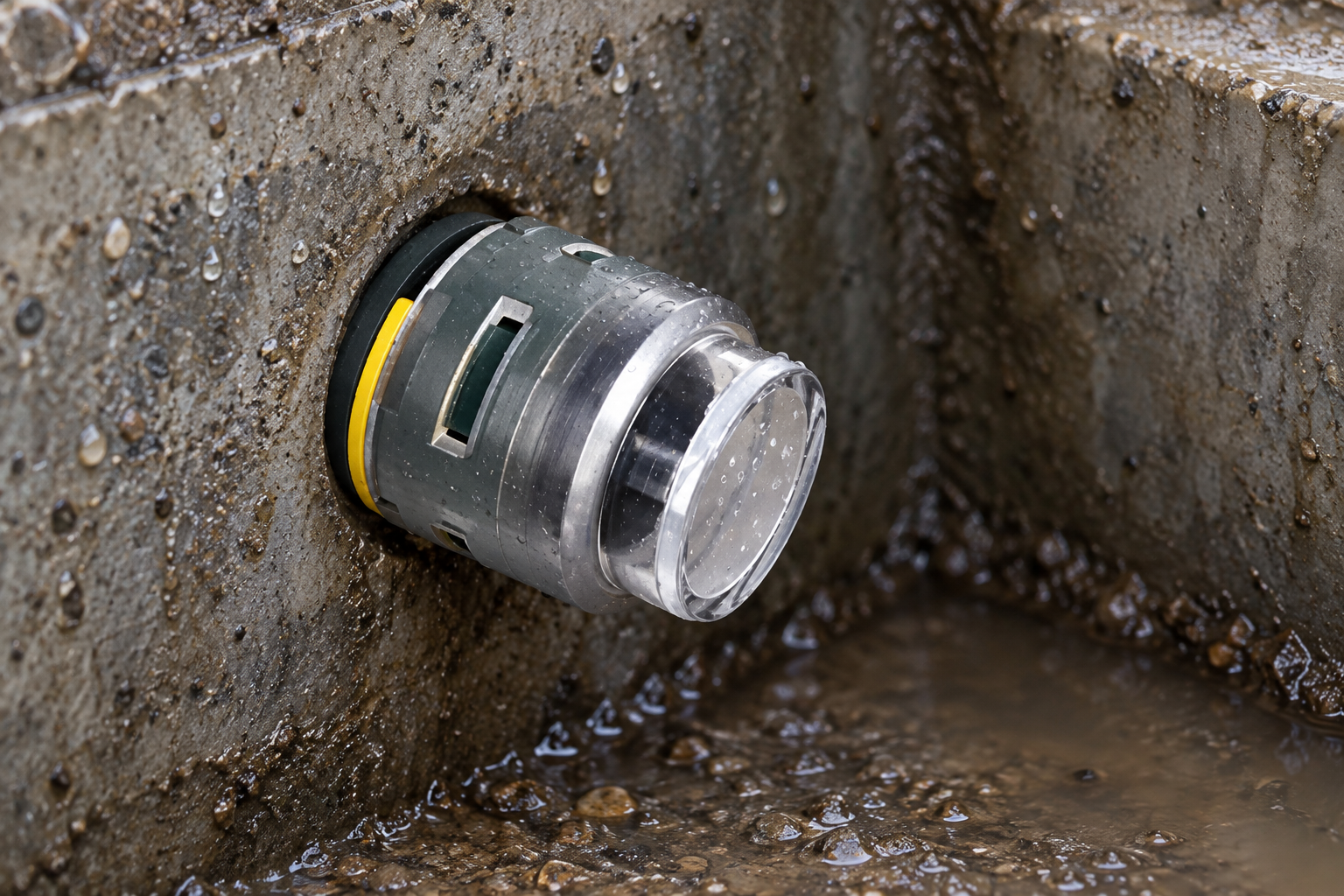
What evidence is needed for pressure and outdoor service?
Request the exact model’s installation instructions, service limits and relevant test evidence. The official EN 50411-2-8:2009 catalogue describes initial dimensional, mechanical, optical and environmental requirements for installed blown-fibre microduct connectors in protected installations. It excludes connectors intended for direct sunlight. Citing its name therefore does not prove that a particular cap is UV-qualified or suitable for direct burial.
IEC TR 63431:2025, Microduct technology guidance, covers repairs, environmental expectations and installation guidance, not universal component ratings. Obtain documented temperature and exposure limits; assess burial protection separately. Distinguish component ratings from the route owner’s medium, pressure, duration and acceptance criteria.
What else should maintenance teams ask about loose end caps?
How tightly should the microduct end cap be fitted to stop dust and water?
Fit the documented duct size and achieve the model’s specified seating condition. Extra force or an improvised clamp is not evidence of sealing. A کلید قفل میکروروپد, where required, addresses retention rather than replacing the seal.
Can the microduct end cap remain installed while cable is blown later?
It can protect a vacant duct until blowing preparation if approved for that use. Remove it before blowing cable through that opening; follow the release instructions after depressurization.
What pressure test confirms that the microduct end cap is sealing correctly?
Use the model limits and project-approved procedure, recording the medium, instrument, test conditions and result. No single pressure or hold time applies to every cap, and an empty-duct test does not validate a seal around installed cable.
Is a locking clip needed with every microduct end cap?
Only the exact design instructions establish whether a clip is required and which one fits. A clip can prevent inadvertent release, but cannot correct wrong OD, a crack or a damaged seal.
How do you remove the microduct end cap without damaging the duct?
Isolate and depressurize, then use the maker’s release method. Do not assume every closure has a push-collet mechanism or needs the same tool. Inspect the duct before reassembly or blowing preparation.
What UV and temperature rating should an outdoor microduct end cap have?
Choose documented limits suitable for the intended exposure and exact body-and-seal combination. Direct sunlight, protected chamber use and burial are different conditions; a standard reference alone does not establish suitability.
Can a removed end cap be reused?
Reuse only when the exact manufacturer permits it and inspection and retesting support return to service. There is no universal reuse-cycle allowance or automatic replacement schedule.
What should be sent to the supplier when a cap repeatedly loosens?
Send the model, lot/code, measurements, photographs, test records and correction history. Separate retention from leakage observations and preserve failed components.
Which primary references support these checks?
- FCST, Installation Instruction For Microduct Connector, August 22, 2025: a maker-specific example of preparation, seating, clips and release.
- NEN, EN 50411-2-8:2009 catalogue: connector scope and protected-installation limitations.
- IEC, TR 63431:2025, published September 8, 2025: microduct repairs, environmental expectations and installation guidance.
How can the team decide whether to correct or replace the cap?
A loose cap needs a documented diagnosis, not simply more force or another identical fitting. Establish the model and duct geometry first, then decide whether the observed fault concerns retention, sealing or both. Correct preparation or assembly only within the applicable instructions and record the retest before returning the section to service. Repeated movement, uncertain compatibility or damaged components warrants supplier review rather than repeated trial fitting. Keep the closure in place during the approved waiting period, but remove it before blowing through that opening. Oulu / ANMASPC’s microduct end-cap product page is a starting point for selection; contact the supplier with the measured duct dimensions, intended environment and failure record to request the matching drawing and installation requirements.



