INDUSTRY INSIGHTS

News & Blog

Industry news, technical guides and practical project insights for microduct, fiber installation and pneumatic connection professionals.

Latest Articles

Articles

Why Does a PU Pneumatic Hose Leak or Kink? Practical Routing Fixes

Why Does a PU Pneumatic Hose Leak or Kink? Practical Routing Fixes

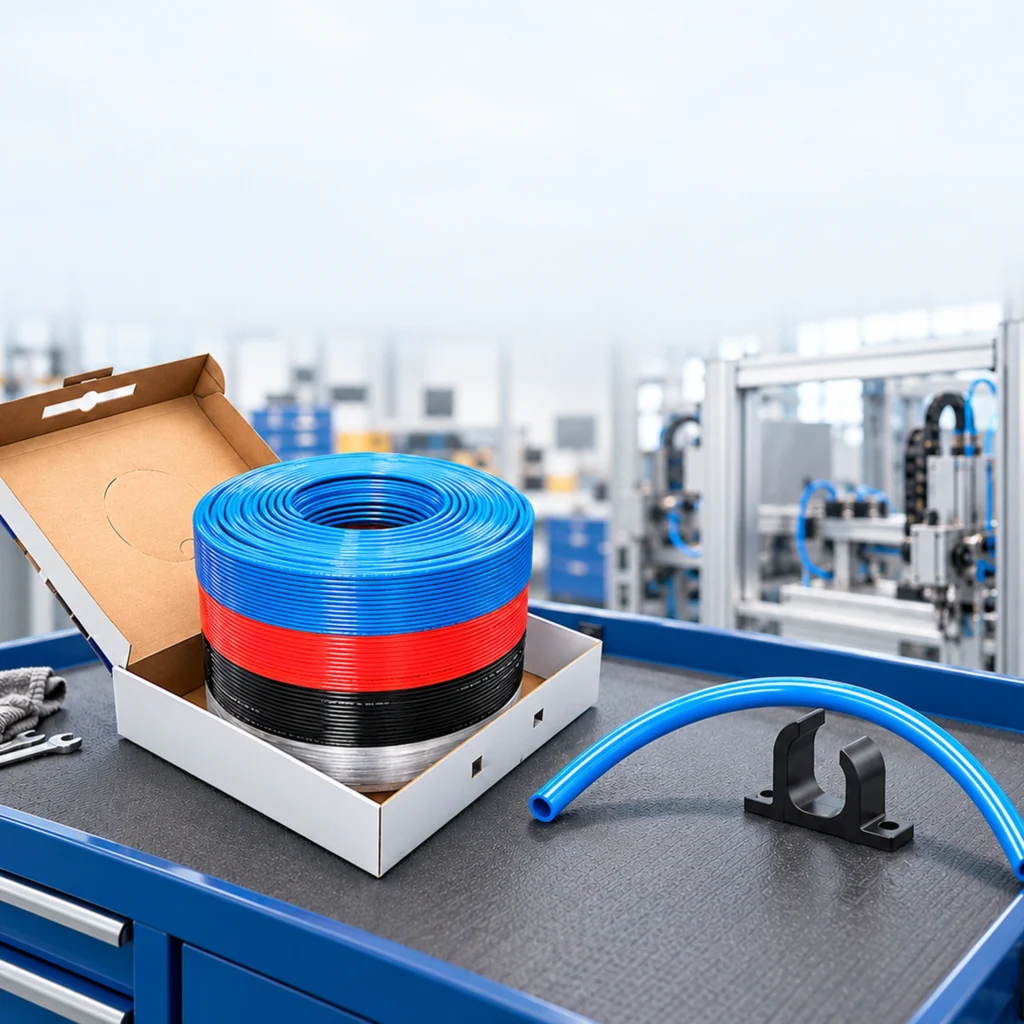
A pneumatic tube that leaks only when an actuator moves is giving a different clue from a line that leaks continuously at a threaded port. Replacing both with the same spare hose can hide the cause for a short period while leaving the routing, temperature or connector mismatch unchanged. Flexible polyurethane tubing is convenient around machinery, but flexibility does not remove its minimum bend…
View Detail
Brass Pneumatic Fittings: How to Match Tube Size, Thread and Working Pressure

Brass Pneumatic Fittings: How to Match Tube Size, Thread and Working Pressure

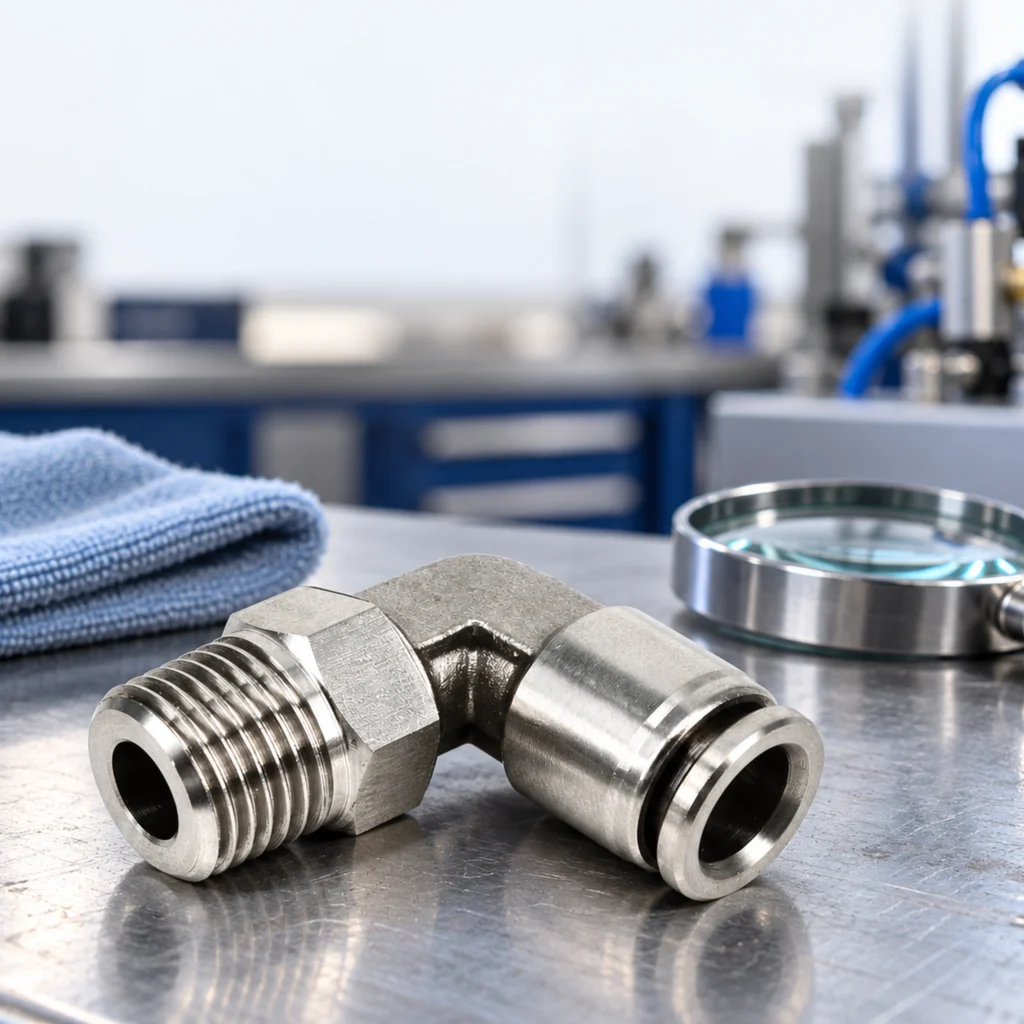
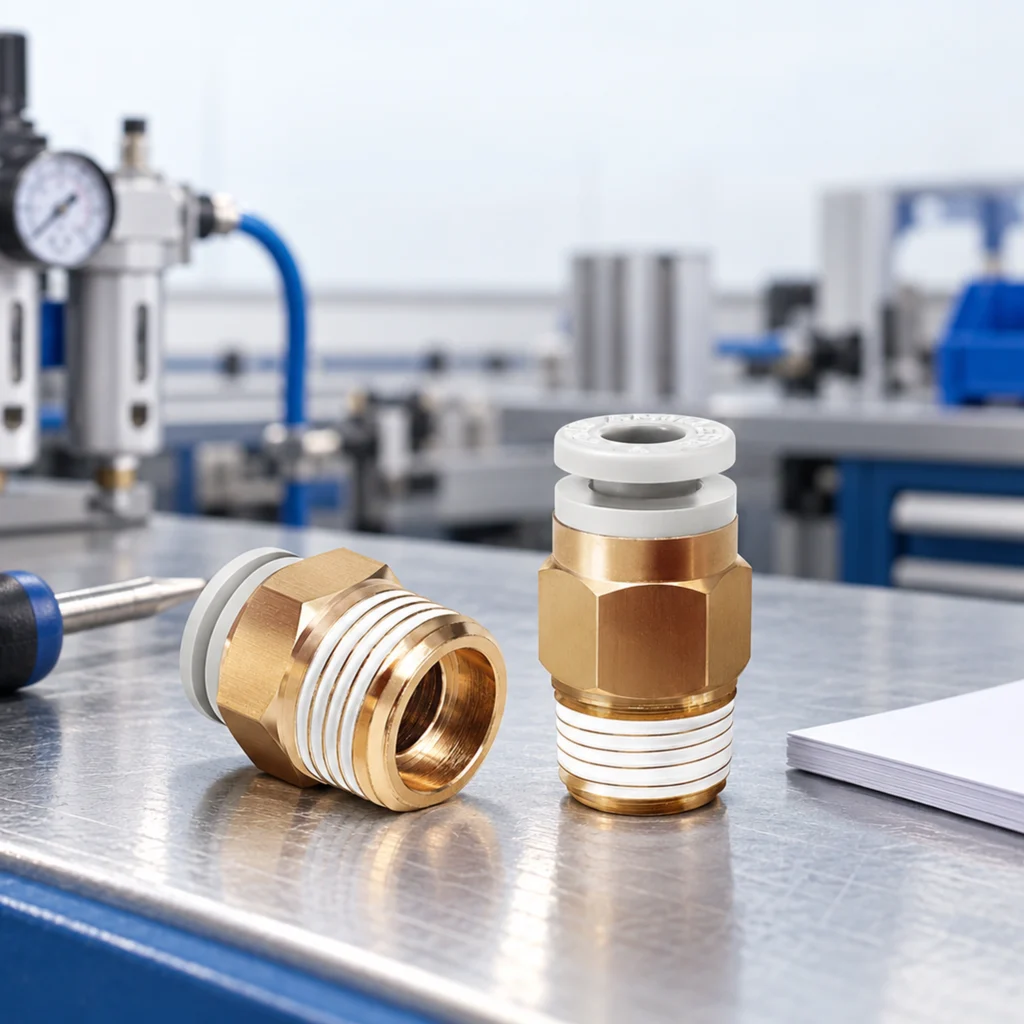
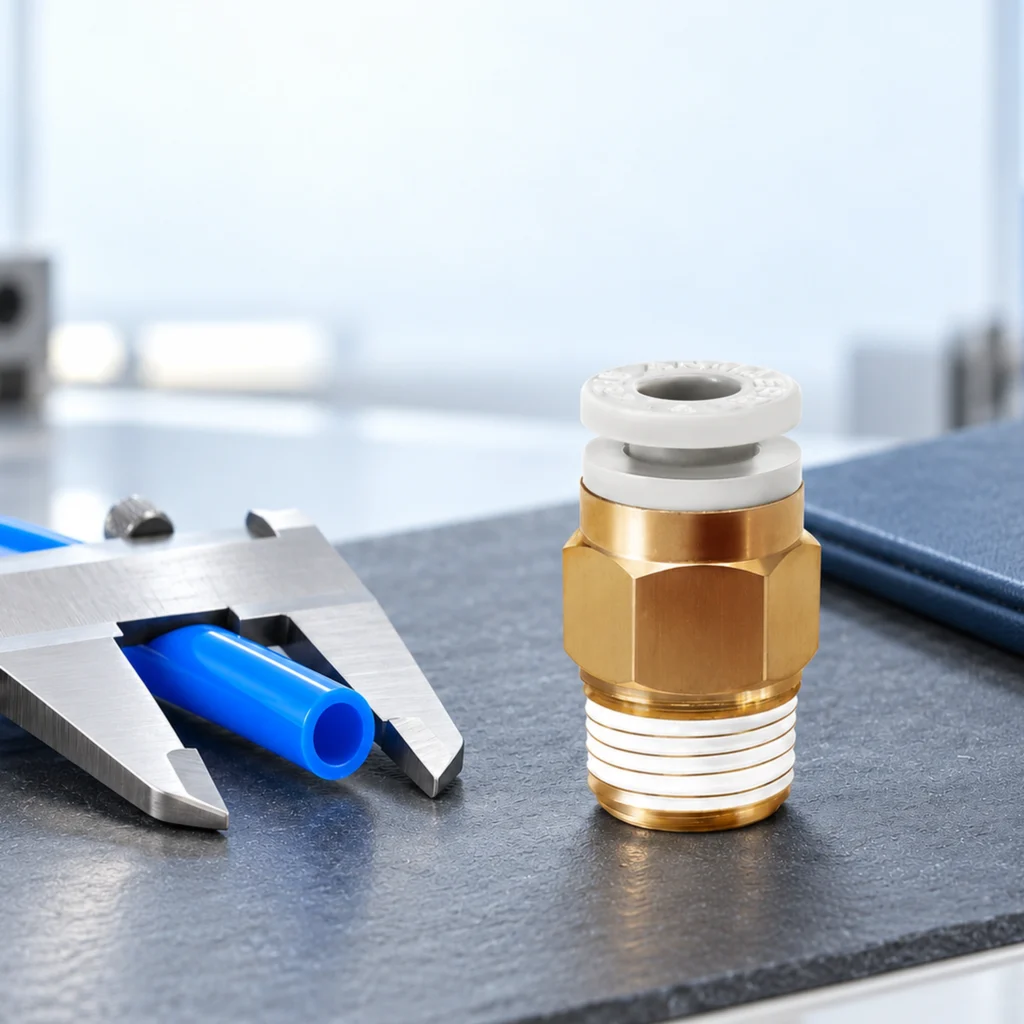
A brass connector can screw into a port and grip a tube while still being the wrong component for the machine. The tube may be an inch size that looks like a metric equivalent, the port may require a face seal rather than thread sealant, or the hose may lose its pressure margin beside a warm motor. These mismatches are difficult to identify from…

View Detail
Can You Reuse T Type Thread Pneumatic Quick Connect Plastic Air Push Fitting? What Engineers Check Before Reconnecting

Can You Reuse T Type Thread Pneumatic Quick Connect Plastic Air Push Fitting? What Engineers Check Before Reconnecting

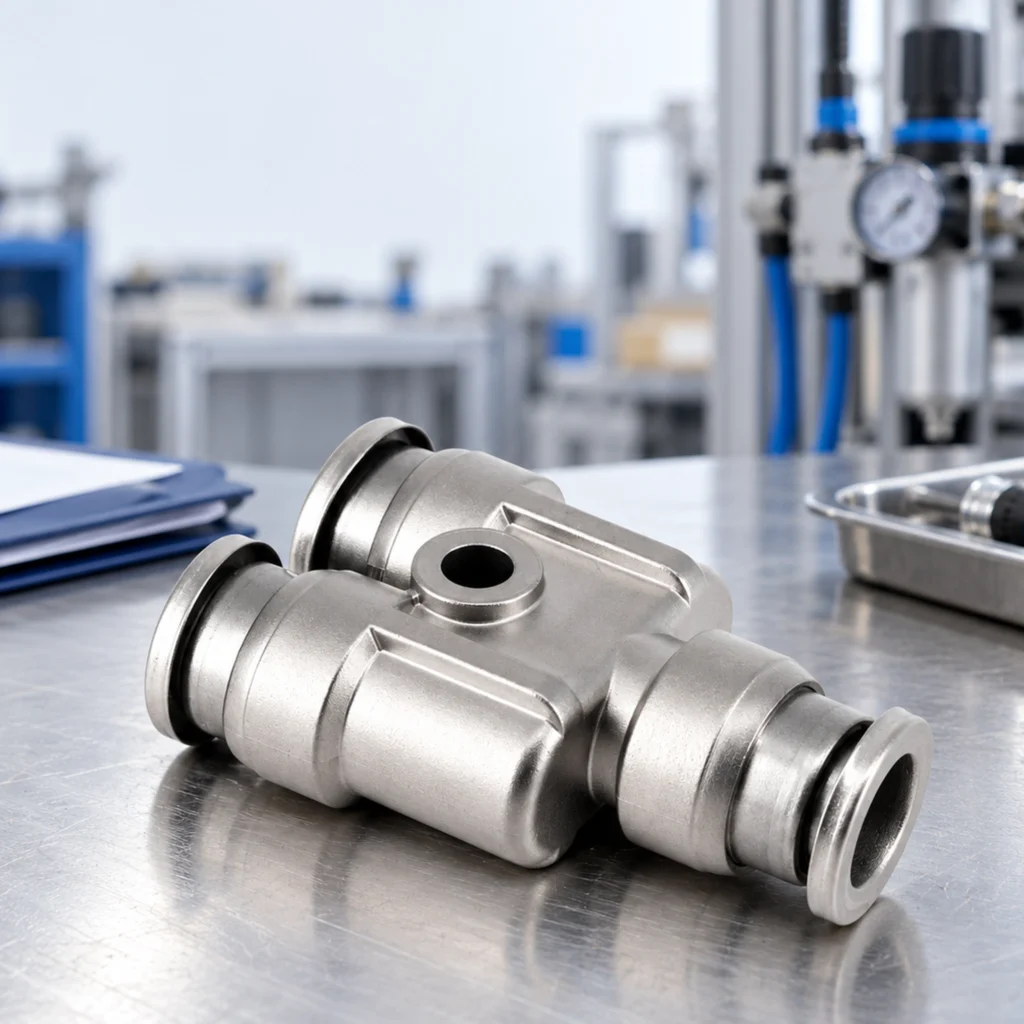
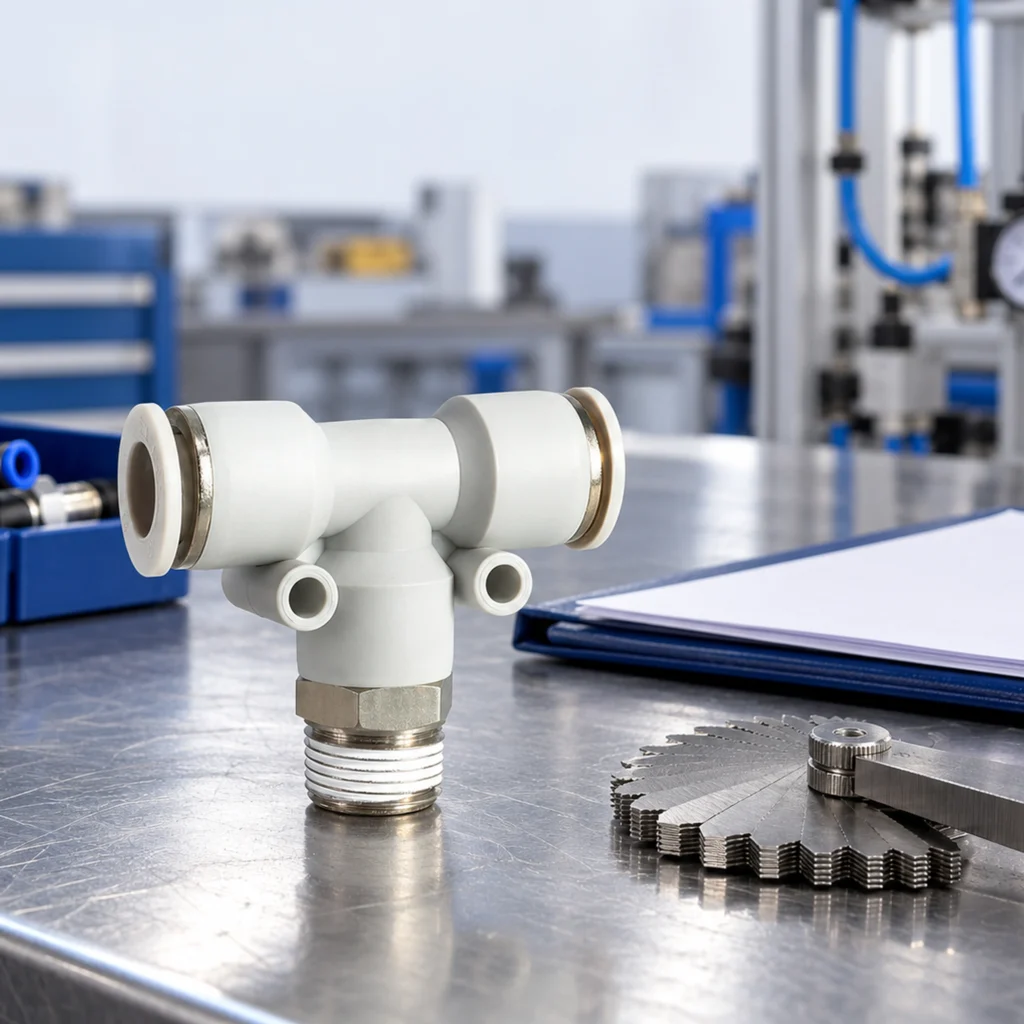
A T-type threaded plastic air push fitting may look unchanged after a tube is removed, but a safe reconnection depends on the condition of several small interfaces. The branch can be stressed by tools, the collet can lose retention, the seal can flatten, and the tube end can carry a score into the new joint. Reuse is therefore neither automatically acceptable nor automatically forbidden.…

View Detail
Pneumatic Push Connector Selection Checklist for Automated Equipment and Air Lines

Pneumatic Push Connector Selection Checklist for Automated Equipment and Air Lines

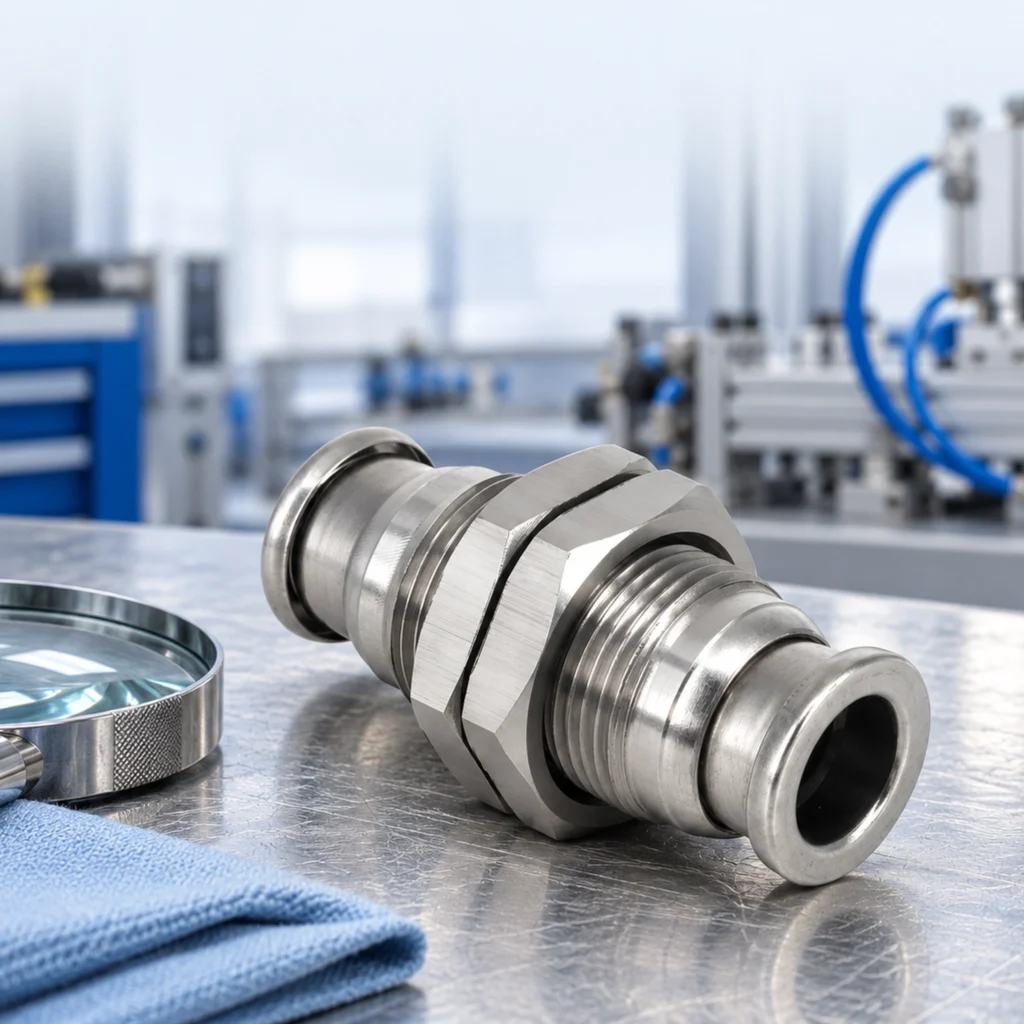
A catalogue photograph cannot tell an engineer whether a pneumatic push connector will fit a real automated line. Procurement needs the tube outside diameter, port thread, seal, medium, pressure, temperature, movement, chemicals, access and documentation before a part number is approved. Omitting one field can create a mismatch that is expensive to discover during commissioning. This checklist turns those fields into a practical selection…

View Detail
Pneumatic Hose Connector Troubleshooting: Restore Airflow Without Replacing Everything

Pneumatic Hose Connector Troubleshooting: Restore Airflow Without Replacing Everything

Low airflow, a slow actuator or an intermittent machine cycle can make a pneumatic hose connector look faulty even when the root cause is a kinked tube, blocked exhaust, wrong thread or partially inserted line. Replacing every fitting without separating those possibilities increases downtime and can introduce new assembly errors. This troubleshooting guide uses a safe, section-by-section sequence: define the symptom, isolate stored energy,…

View Detail
How Long Should a Air Hose Fitting Last in an Automated System?

How Long Should a Air Hose Fitting Last in an Automated System?

“How long will this air hose fitting last?” sounds like a request for one number, but a calendar interval or cycle count is unsafe without the application conditions. A fitting in a clean, static cabinet sees a different load from one on a robot dress pack, beside oil mist or exposed to repeated temperature changes. The useful answer is a condition-based service plan: establish…

View Detail
Pneumatic air fitting vs. Threaded Fittings: Which Is Better for Your Air Line?

Pneumatic air fitting vs. Threaded Fittings: Which Is Better for Your Air Line?

The choice between a pneumatic air fitting and a threaded fitting is often reduced to installation speed, yet the real decision is about the complete air-line interface. A push-in connector may be easier to service, while a threaded connection may suit a fixed port or an assembly that is rarely disturbed. Either can leak when the thread standard, seal, tube support or maintenance method…

View Detail
Pneumatic Pipe Connector Installation Guide: Make Push-In Connections Hold

Pneumatic Pipe Connector Installation Guide: Make Push-In Connections Hold

A pneumatic pipe connector can be assembled in seconds and still fail during the first pressure cycle. The usual causes are not mysterious: the tube was cut at an angle, its outside diameter was assumed rather than measured, the port thread was mixed, or the bend was allowed to load the connector. These mistakes create nuisance leaks, actuator drift and repeat maintenance. This guide…

View Detail
Why Are Pneumatic Straight Fittings Leaking? Six Checks That Usually Find the Cause

Why Are Pneumatic Straight Fittings Leaking? Six Checks That Usually Find the Cause

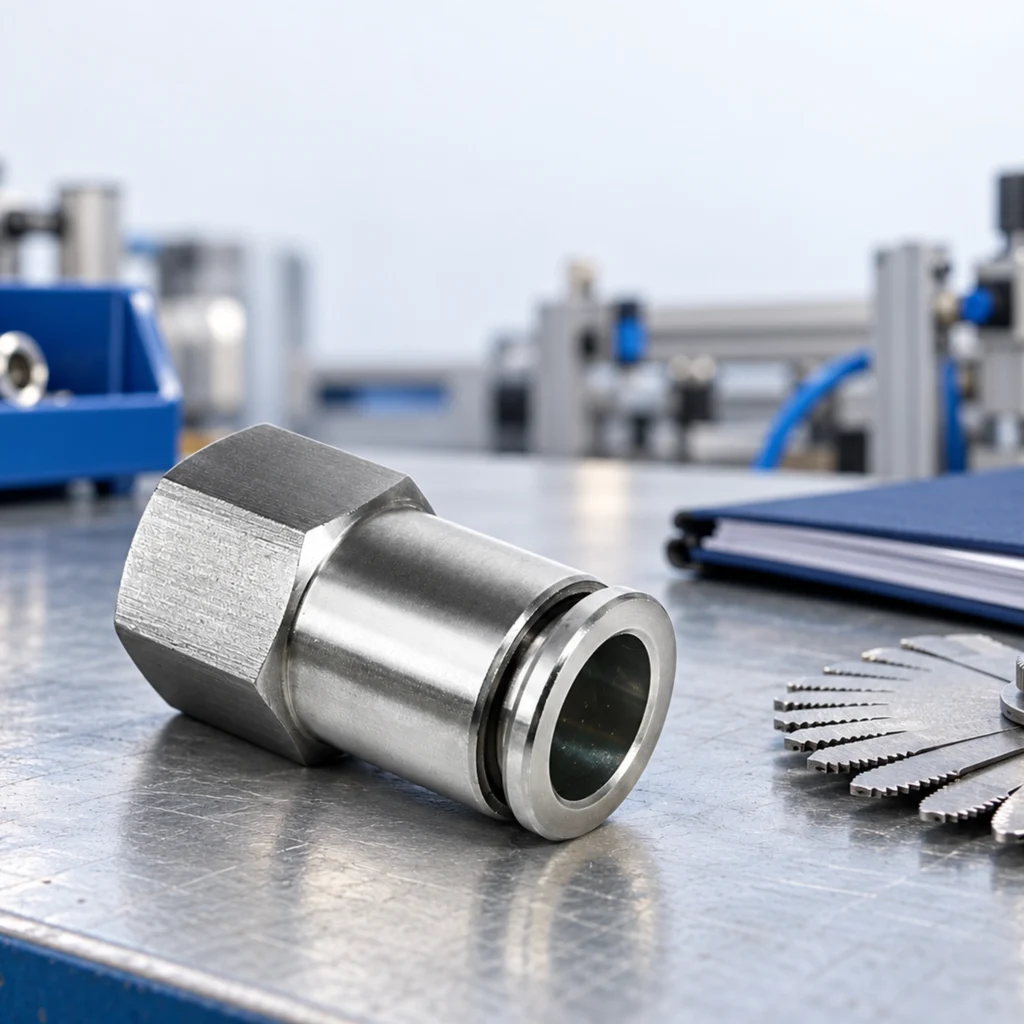
When a maintenance technician finds a hissing straight connector on an automated air line, tightening the fitting is an understandable first move. It is also why the same leak can return at the next shift change. A straight fitting may be sound while the tube OD, thread form, cut, insertion depth, seal, routing or replacement part is wrong. The visible symptom is air loss;…

View Detail