
닝보의 한 유지보수 엔지니어가 자동 조립 셀을 점검할 때, 피팅에서 발생하는 작은 공기 누설이 눈에 띄는 고장으로 나타날 수 있습니다. 그리퍼가 반복 동작을 제대로 수행하지 못해 생산 라인이 정지되면, 가장 먼저 액추에이터를 문제의 원인으로 지목하게 됩니다. 그러나 이와 같은 사례에서 중요한 점은 역발상입니다. 근본 원인은 결함이 있는 실린더가 아니라 부품 선택, 배관 경로 설계, 공압 안정성 또는 유지보수 접근성일 수 있습니다. 따라서 자동화 분야에서 공압 제품의 미래는 모든 구성 요소를 “스마트’하다고 단언하기보다는, 적절히 설계된 공기 회로를 제어 시스템, 센서 및 체계적인 유지보수와 통합하는 데 더 큰 초점이 맞춰져야 합니다.
공압 제품은 여전히 빠르고 반복 가능한 동작과 간단한 힘 전달에 유용하지만, 그 미래 가치는 시스템 설계에 달려 있습니다. ISO 4414:2010는 공압 시스템 및 구성 요소의 안전 요구 사항을 다루며, 포괄적인 효율성 인증서는 아닙니다. 하중, 사이클, 압력, 환경 및 안전 상태부터 시작한 다음, 누설 및 압력 특성을 측정한 후 연결된 모니터링 또는 다른 동작 기술을 선택하십시오.
공압 제품은 현대 자동화 설비에서 어떤 위치를 차지하나요?
공압 부품은 변환합니다 압축공기 에너지를 제어된 운동이나 스위칭으로 변환합니다. 전형적인 자동화 설비는 선형 운동을 위해 실린더를, 방향 제어를 위해 밸브를, 공급을 위해 이음쇠와 호스를 사용하며, 공기를 정화하거나 압력을 조절하기 위해 레귤레이터나 필터를 사용합니다. 실용적인 장점은 구조가 단순하다는 점입니다. 컨트롤러가 밸브를 명령하면, 각 스테이션에서 모터, 구동장치, 기계적 전달장치 없이도 액추에이터가 정해진 행정을 수행할 수 있습니다.
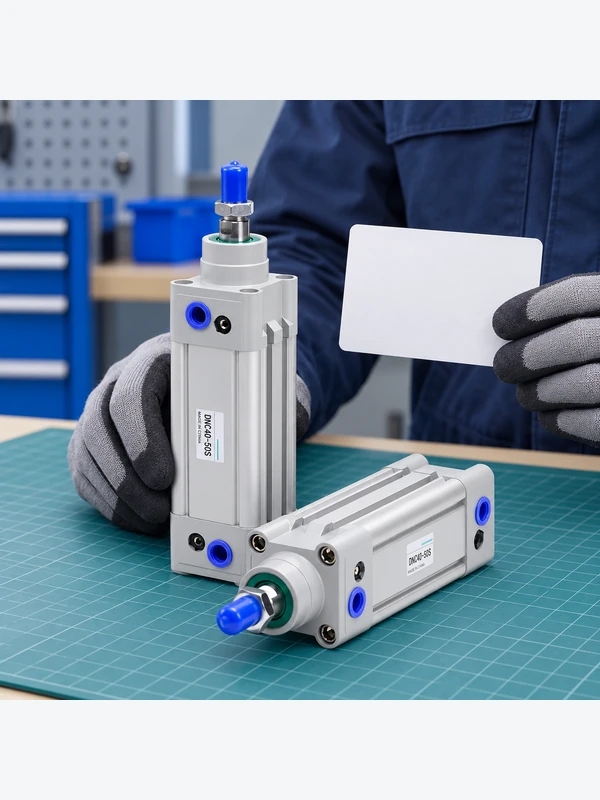
그러한 장점에도 한계는 있다. 압축공기는 공급원에서 생성되므로, 설치 비용과 운영 효율은 압축기, 공기 정화 설비, 배관망, 가동률 및 누설 여부에 따라 달라진다. 미국 에너지부의 압축공기 자료집에서는 공기 시스템을 하나의 통합된 시스템으로 관리할 것을 권장하며, 개별 부품의 “낮은 에너지 소비’만으로는 공장 전체 수준의 성능을 입증하기에는 충분하지 않다고 지적한다.
연결형 센싱은 공압 자동화를 어떻게 변화시킬 수 있을까요?
산업 4.0 통합은 센서가 정의된 유지보수 또는 품질 관련 질문에 답할 때 가장 유용합니다. 압력 센서는 회로가 의도한 작동 범위에 도달했는지 여부를 보여줄 수 있고, 스위치는 실린더의 끝 위치를 확인할 수 있으며, 유량 또는 누출 모니터링 장치는 비정상적인 소비 패턴을 나타낼 수 있습니다. 이러한 신호들은 경보, 추세 검토 및 유지보수 작업 지시를 위해 PLC나 상위 관리 시스템에 매핑될 수 있습니다.
연결성이 부적합한 회로를 적합하게 만드는 것은 아닙니다. 게이트웨이를 추가하기 전에 신호의 결정 규칙을 정의하십시오. 예를 들어, 알려진 주기 동안 반복적인 저압 사건 발생 시 경보를 울리도록 설정하는 것입니다. 센서의 위치, 샘플링 가정 및 허용 가능한 작동 범위를 기계 문서에 기록하십시오. ISO 12100:2010는 기계의 위험 평가 및 위험 저감 프레임워크이며, 고장과 예기치 않은 동작을 안전하게 처리하는 데 지침이 될 수 있지만 특정 센서 네트워크를 인증하지는 않습니다.
부품 선택은 제어 문제에 따라야 한다. A 솔레노이드 밸브 설명은 방향 제어 용어를 명확히 하는 데 도움이 될 수 있으며, 제조업체의 공압 부품 range는 사용 가능한 피팅, 호스, 실린더 및 밸브를 확인하기 위한 시작점을 제공합니다. 모든 등급과 인터페이스를 최신 제품 문서와 비교하여 확인하십시오.
공압 부품은 어떤 실질적인 이점을 제공할 수 있습니까?
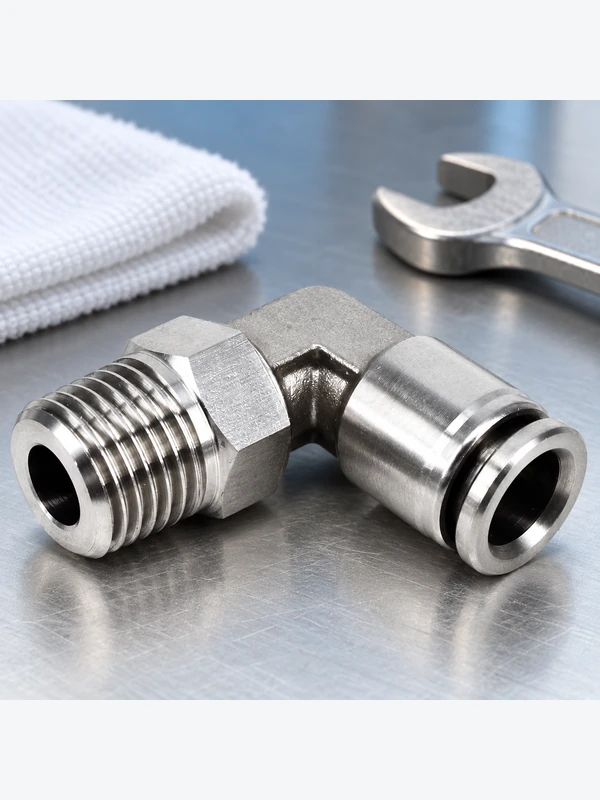
공압 제품의 경쟁 우위는 절대적인 것이 아니라 적용 분야에 따라 달라집니다. 이 제품들은 빠른 온오프 동작을 구현하고, 적절히 규격화된 경우 잦은 작동 주기를 견딜 수 있으며, 컴팩트한 기계 설계를 지원합니다. 또한, 피팅과 호스를 사용하면 프로토타입이나 유지보수용 조립체의 변경이 비교적 간단합니다. 이러한 장점은 동작이 이진형이거나 위치 정밀도 요구가 크지 않고, 공기 정제 및 배기 경로가 이미 확보되어 있을 때 가장 두드러집니다.
| 결정 차원 | 공압 방식 | 전동 모션 방식 | 엔지니어링 질문 |
|---|---|---|---|
| 일반적인 동작 | 단일 스트로크, 클램프, 이젝트 또는 그립 | 서보 또는 스테퍼 위치 프로파일 | 필요한 동작은 이진형입니까, 아니면 연속적으로 명령됩니까? |
| 제어 정밀도 | 밸브, 센싱, 압력 및 기계적 특성에 따라 달라집니다. | 종종 명령된 위치 루프와 속도 루프에 적합합니다. | 어떤 반복 정밀도와 안정화 특성이 명시되어 있습니까? |
| 인프라스트럭처 | 압축공기 생성 및 처리가 필요합니다. | 전원 공급, 구동 장치 및 케이블링이 필요합니다. | 기계에는 이미 어떤 유틸리티가 설치되어 있습니까? |
| 유지보수 중심 | 누출, 오염, 튜브 체결, 밀봉재 및 압력 | 냉각, 베어링, 케이블, 드라이브 및 기계적 전달 장치 | 팀이 점검하고 정비할 수 있는 고장 모드는 무엇입니까? |
| 안전 상태 설계 | 저장된 공압 에너지와 배기 거동을 반드시 다루어야 합니다. | 전기적 및 기계적 에너지를 반드시 다루어야 합니다. | 전원 또는 공기가 끊어진 후에는 어떻게 되나요? |
이는 성능 순위가 아닌 선택 기준입니다. 혼합형 아키텍처가 종종 합리적입니다: 클램프나 단순 이송에는 공압을, 정밀한 위치 제어에는 전동축을 사용하는 방식입니다. 적절한 선택은 동작 프로필, 위험 평가, 이용 가능한 유틸리티 및 총소유비용(TCO)에 따라 결정됩니다.
엔지니어는 폐기물과 계획되지 않은 정지를 어떻게 줄여야 할까요?
기준값부터 설정하세요. 압축기 압력, 기계 흡입구 압력, 사이클 횟수, 그리고 고장이 발생하는 운전 상태를 기록합니다. 그런 다음, 일반적인 누설 지점을 점검하세요: 완전히 체결되지 않은 푸시인 연결부, 손상된 튜브 단부, 균열이 생긴 호스, 막힌 소음기, 오염된 필터, 그리고 잘못 설정된 레귤레이터입니다. DOE 자료집에서는 누설 관리와 압력 최적화를 시스템 차원의 관행으로 다루고 있으며, 이는 피팅의 마케팅 설명에서 추론되어서는 안 됩니다.
반복 가능한 정비 절차를 사용하십시오. 연결 부위에 표시를 하고, 튜브 절단부와 굽힘 반경을 점검하며, 교체 부품이 나사산, 튜브, 밀봉재, 온도 및 압력 요구사항과 일치하는지 확인하십시오. 저장된 에너지 또는 보호 장치에 영향을 미치는 변경 사항이 있는 경우, 기계의 위험 평가와 격리 절차를 업데이트하십시오. 명확한 BOM(부품표)과 접근성이 좋은 예비 부품을 갖추면, 보장된 비율의 절감을 주장하지 않더라도 복구 시간을 단축할 수 있습니다.
공기 절약 개조는 어떻게 측정해야 하나요?
정의하십시오 측정 경계 센서를 선택하거나 절감 효과를 약속하기 전에 먼저 확인하세요. 한 기계의 유량계는 해당 지점의 유량을 측정하고, 압축기 전력계는 보다 광범위한 공급 시스템의 전기적 특성을 측정합니다. 두 측정값은 서로 다른 질문에 대한 답을 제공합니다. 기준 생산 속도, 제품 구성, 사이클 시간, 공급 압력, 가동 시간 및 정지 시간을 기록하여, 비교 시 이전과 이후가 동일한 작업 조건을 반영하도록 하세요.
기계 수준의 평가를 위해, 승인된 생산 주기당 공기 소비량을 필요한 주기 시간 및 품질 결과와 함께 보고하십시오. 유량 단위와 그 기준 조건을 명시하십시오. 한 관행에서 얻은 표준 부피 측정값을 실제 라인 부피 측정값이나 다른 기준과 묵인하여 혼용해서는 안 됩니다. 운전 압력이나 측정 위치의 변화도 고려해야 합니다. 기계 속도를 늦추거나 양품 수를 줄여 얻은 낮은 유량 값은 동등한 효율 개선을 의미하는 것이 아닙니다.
미국 에너지부의 압축공기 평가 프로토콜은 기준 상태와 개조 후 평가를 구분하며, 압축기 제어 동작이 전력 절감에 왜 중요한지 설명합니다. 또한 ‘압축공기 누설 최소화’ 팁 시트에서는 수요 감소에 맞춰 압축기 가동을 조정할 것을 권장합니다. 이들 자료는 모든 개조 사례에 대해 정해진 비율의 절감 효과를 단정하기보다는 신중한 비교를 지원합니다. 계측기 식별 정보, 측정 기간, 불확도 정보 및 운전 기록을 유지하고, 모든 에너지 절감 주장은 적절한 전문가의 검토를 거쳐야 합니다.
조달 전에 어떤 구성 요소 및 통합 검사가 중요한가요?
조달 팀은 카탈로그 사진으로 선택하기보다는 기계 요구사항을 부품 사양으로 번역해야 합니다. 시운전 시 필요한 증거 자료를 포함하여, 적용 사례에서 설치된 부품에 이르기까지 의사결정 과정을 추적 가능하게 유지하십시오.
| 확인 | 문서화할 내용 | 시운전 시 중요한 이유 |
|---|---|---|
| 모션 및 하중 | 스트로크, 하중 방향, 사이클 프로파일, 완충 및 요구되는 반복 정밀도 | 액추에이터나 밸브가 공칭 구경만으로 치수를 결정되는 것을 방지합니다. |
| 에어컨 | 가용 압력, 공기 품질, 온도 및 예상 수요 | 필터, 레귤레이터, 씰 및 작동 한계를 실제 회로와 일치시킵니다. |
| 인터페이스 | 튜브 외경, 나사 유형, 포트 방향, 밸브 신호 및 장착 | 재작업을 줄이고 호환되지 않는 대체를 방지합니다. |
| 안전 및 격리 | 배기 경로, 잔류 압력, 보호 장치, 록아웃 및 재시작 동작 | Supports the risk-reduction process described by ISO 12100 and ISO 4414 |
| 검증 계획 | Leak check, stroke confirmation, sensor response, and acceptance records | Creates evidence for handover and future fault finding |
For a reference on motion terminology, see the guide to how a 공압 실린더 works. For part discovery across product families, use the products directory, then request current drawings, material information, and operating limits for the exact part under consideration.
Which sensor signals lead to a useful maintenance action?
A pressure alarm is useful only when its location, timing and response are defined. A pressure dip during acceleration may mean something different from a slow decay during a documented hold period. Similarly, increased flow could reflect a leak, an intentional process change or a faster production cycle. Relate measurements to the machine state and compare the same operation before creating a fault diagnosis.
Start with one observable failure mode, such as a recurring leak at a moving connection or a clamp that no longer reaches its expected state. Define the signal that warrants inspection, who receives the alert and what evidence the technician should collect. The 공압 부품 유지 관리 가이드 can provide the connection-level inspection context. A monitoring dashboard without an agreed action can add data while leaving the underlying maintenance problem unresolved.
For purchasing, specify access to the readings, sensor replacement arrangements and configuration records. Check how loss of a sensor or network connection affects ordinary control and the separately designed safety functions. Predictive maintenance should be presented as an application to validate, not a guarantee that software will predict every seal failure. Evaluate connected pneumatics against electric alternatives using the same motion, utility and maintenance requirements rather than an Industry 4.0 label.
What do the relevant standards actually cover?
- ISO 4414:2010: general rules and safety requirements for pneumatic fluid-power systems and their components. It informs design and safety practices; it is not, by itself, proof that every component has a specific performance certification.
- ISO 12100:2010: general principles for machinery design, risk assessment, and risk reduction. Apply it to the machine and its hazards, including unexpected pneumatic movement and stored energy.
- DOE compressed-air sourcebook: an industry guide to improving compressed-air system performance. It is practical guidance, not a product certificate or a substitute for site measurements.
Applicability depends on the machine, destination market, installation environment, and claims made in technical or marketing documents. Ask suppliers to identify the exact standard edition, scope, test evidence, and limitations. Avoid converting a test method, design guideline, or general conformity statement into an unsupported efficiency, safety, or environmental claim.
자주 묻는 질문
What are pneumatic products used for in automation equipment?
They are used for functions such as clamping, gripping, ejecting, indexing, and other controlled linear or rotary actions. A valve, actuator, air-preparation device, hose, and fitting work as a circuit, so the application requirement must be checked as a system.
Are pneumatic systems still relevant to Industry 4.0 automation?
Yes, when their signals and maintenance needs are made visible through suitable sensors and controls. Connectivity supports diagnostics and trend review, but it does not remove the need for correct sizing, safe isolation, and leakage control.
How can a factory reduce compressed-air waste in an automated line?
Measure the system at representative operating states, repair leaks, confirm pressure settings, and review unnecessary blow-off or idle demand. Use the DOE sourcebook as system guidance and verify any improvement with site measurements rather than a component-level claim.
What should engineers check before replacing a pneumatic actuator?
Check stroke, load direction, cycle rate, available pressure, cushioning, mounting, ports, seals, temperature, and the required safe state. Confirm the replacement against the valve, tubing, sensors, and machine risk assessment before installation.
Which sensors are useful for monitoring pneumatic equipment?
Pressure, end-position, flow, and leak-monitoring sensors can be useful when each has a defined decision or alarm rule. Select the location, range, response, environment, and interface from the diagnostic question, not from connectivity alone.
When should an automation line use electric motion instead of pneumatics?
Electric motion is often worth evaluating when the process needs coordinated profiles, frequent position changes, or tightly controlled speed and position. Compare both options using the actual cycle, utility infrastructure, safety design, maintenance capability, and total cost of ownership.
What is the difference between air savings and electricity savings?
Air savings describe reduced demand at a defined flow-measurement boundary. Electricity savings depend additionally on compressor loading, control response and operating hours. Measure both quantities when making a claim about both.
Does lower air consumption per hour prove that a retrofit is more efficient?
No. Compare accepted production output, cycle time, pressure and operating state. A machine running more slowly may consume less per hour without improving consumption for the required production task.
참고문헌
- U.S. Department of Energy / NREL, Uniform Methods Project, Chapter 22: Compressed Air Evaluation Protocol, 2014
- 미국 에너지부, 압축공기 누출 최소화, 팁 시트 3
요약
Pneumatics remains useful when the required motion, available air supply and maintenance arrangements fit the application. Future improvements should be judged by measurable operating results: reliable motion, controlled air demand and faults that technicians can investigate. Define the production task and measurement boundary before adding sensors or claiming an efficiency gain. Compare air consumption at equivalent output, and check compressor behavior before converting reduced demand into an electricity-saving claim. Keep ordinary monitoring separate from the machine’s validated safety functions. Oulu’s pneumatic parts can be reviewed as components of that documented design, with the actual interfaces, operating conditions and service requirements established before procurement or replacement.



