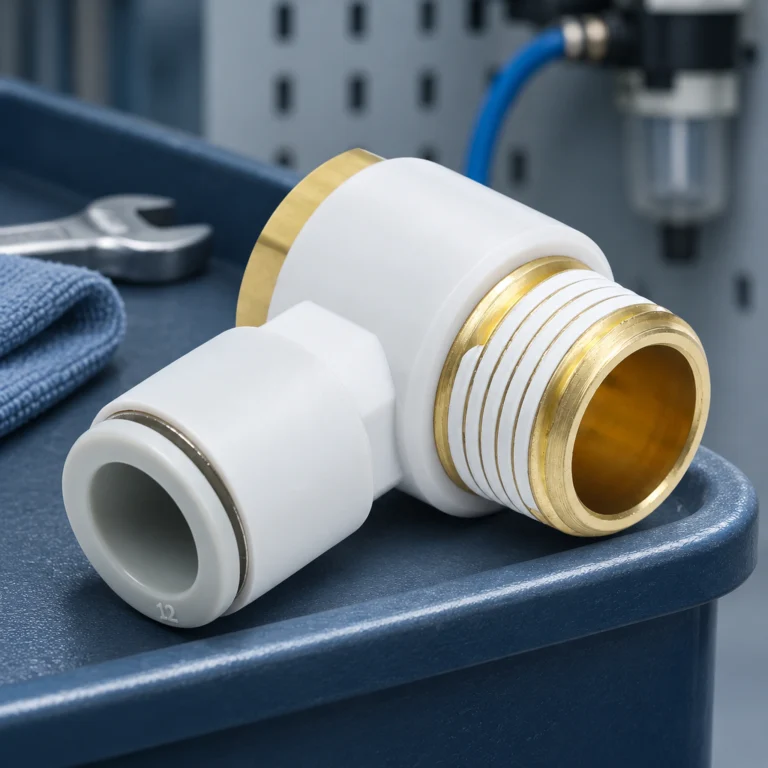
寧波の保守エンジニアが自動組立セルを点検する際、継手からのわずかなエア漏れが目に見える不具合として現れることがあります。例えば、グリッパが再現性のある動作を行えずラインが停止すると、まずアクチュエータに原因があると考えがちです。しかし、この例示的な計画シナリオでは、その逆の考え方こそが重要です。根本原因は、不良なシリンダではなく、部品の選定、配管経路の設計、圧力の安定性、あるいは保守作業のアクセス性にある可能性があります。そのため、自動化における空気圧製品の未来は、普遍的に「スマート」なコンポーネントを謳うことよりも、適切に仕様化されたエア回路を制御装置やセンサ、そして厳格な保守体制と統合することにかかっているのです。.
空気圧製品は、高速で再現性の高い動作や単純な力伝達において依然として有用ですが、その将来の価値はシステム設計に依存します。ISO 4414:2010は、空気圧システムおよびコンポーネントの安全要件を規定するものであり、一律の効率認証ではありません。荷重、サイクル、圧力、環境、安全状態をまず考慮し、その後、漏れおよび圧力挙動を測定してから、接続型モニタリングまたは他の運動技術を選択してください。.
空気圧製品は、現代の自動化設備においてどのような位置づけにあるのでしょうか。
空気圧部品は変換します 圧縮空気 エネルギーを制御された運動や切り替えに変換します。一般的な自動化設備では、直線運動にはシリンダー、方向制御にはバルブ、配管には継手やホース、空気の調整やろ過にはレギュレーターやフィルターが用いられます。その実用的な利点は、構成が単純であることです。コントローラーがバルブを指令し、各ステーションでモーターや駆動装置、機械的伝達機構を必要とせずに、アクチュエーターが所定のストロークを行います。.
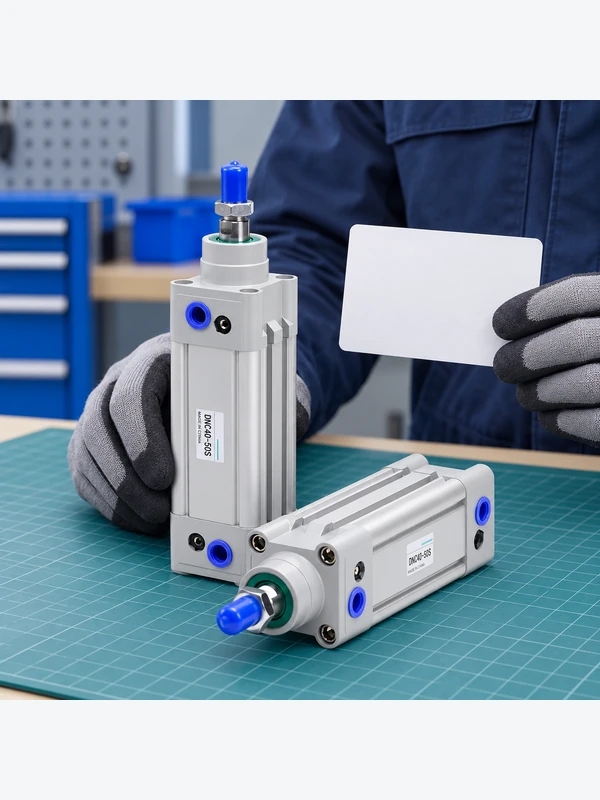
その利点には限界があります。圧縮空気は上流で生成されるため、導入コストや運用上の影響は、コンプレッサーや処理設備、配管ネットワーク、稼働率、および漏れの状況に左右されます。米国エネルギー省が発行する圧縮空気ハンドブックでは、空気システムを包括的なシステムとして扱うことが推奨されており、「低エネルギー消費」という部品単位の主張だけでは、工場全体の性能を評価することはできません。.
コネクテッドセンシングは、空気圧自動化をどのように変革するのでしょうか?
4.0の産業統合は、センサーが特定の保守または品質に関する課題に答えられる場合に最も有効です。圧力センサーは、回路が想定される動作範囲に達しているかどうかを示すことができますし、スイッチはシリンダーの端位置を確認できます。流量またはリーク監視装置は、異常な消費パターンを明らかにします。これらの信号は、警報、トレンドの確認、および保守作業指示のためにPLCや監視システムにマッピングすることができます。.
接続性は、不適切な回路を適切なものにはしません。ゲートウェイを追加する前に、信号の判定ルールを定義してください。例えば、既知のサイクル中に低圧イベントが繰り返された場合にアラームを発するといったものです。センサーの設置場所、サンプリングに関する前提条件、および許容される動作範囲を機械のドキュメントに記録してください。ISO 12100:2010は、機械のリスク評価およびリスク低減のフレームワークであり、故障や予期しない動きに対する安全な対処を導くことができますが、特定のセンサーネットワークを認証するものではありません。.
部品の選定は制御課題に従うべきである。A ソレノイドバルブ 説明は方向制御用語の理解を深めるのに役立ちますが、メーカーの 空気圧部品 レンジは、利用可能な継手、ホース、シリンダー、バルブの確認を始めるための起点となります。すべての定格およびインターフェースについて、最新の製品仕様書で必ず確認してください。.
空気圧コンポーネントは、どのような実用的な利点を提供できますか?
空圧製品の優位性は、絶対的なものではなく、用途に依存します。適切なサイズ選定を行えば、迅速なオン/オフ動作を実現し、頻繁なサイクルにも耐えることができ、コンパクトな機械レイアウトをサポートします。また、継手やホースを使用することで、試作段階や保守時の変更も比較的容易です。これらの利点は、動作が二値制御または位置決め精度がそれほど高くない場合、さらにエア処理設備と排気経路が既に整備されている場合に最も顕著になります。.
| 決定の次元 | 空気圧式アプローチ | 電動モーションアプローチ | 技術的な質問 |
|---|---|---|---|
| 一般的な動作 | 個別のストローク、クランプ、排出、またはグリップ | サーボまたはステッピングモーターの位置プロファイル | 必要な動作は二値入力ですか、それとも連続制御ですか? |
| 制御精度 | バルブ、センシング、圧力、およびメカニズムに依存します | 多くの場合、指令位置ループおよび速度ループに適しています。 | 指定されている繰り返し精度と安定化特性は何ですか? |
| インフラストラクチャー | 圧縮空気の生成および処理が必要です | 電源、ドライブ、およびケーブリングが必要です。 | 機械にはすでにどのユーティリティが搭載されていますか? |
| メンテナンスの重点 | 漏れ、汚染、チューブの取り付け、シール、圧力 | 冷却、軸受、ケーブル、ドライブ、および機械的伝動 | チームはどの故障モードを点検および保守できますか? |
| 安全状態設計 | 蓄えられた空気圧エネルギーおよび排気挙動に対処する必要がある | 電気エネルギーおよび機械エネルギーに対処する必要がある | 電源またはエアの供給が失われた後、何が起こりますか? |
これは選定フレームワークであり、性能ランキングではありません。混合アーキテクチャは多くの場合合理的です:クランプや単純な搬送には空気圧を、制御された位置決めには電動軸を使用します。適切な選択は、モーションプロファイル、リスク評価、利用可能なインフラ設備、および総所有コストに従って決定されます。.
エンジニアは、無駄や計画外の停止をどのように削減すべきでしょうか?
まずベースラインを設定しましょう。コンプレッサーの圧力、機械の吸入圧、サイクル数、および故障が発生する運転状態を記録します。次に、一般的な漏れ箇所を点検してください:確実に締め込まれていないプッシュイン接続、損傷したチューブ端部、亀裂の入ったホース、目詰まりした消音器、汚染されたフィルター、および誤って設定されたレギュレーターです。米国エネルギー省(DOE)のガイドブックでは、漏れ管理と圧力最適化はシステム全体の運用手法として扱われており、いずれも継手の販売説明から推測してはなりません。.
再現性のある保守手順を採用してください。接続部に印を付け、チューブの切断面や曲げ半径を点検し、交換部品がねじ、チューブ、シール、温度、圧力の仕様要件に適合していることを確認してください。蓄積エネルギーまたは保護装置に影響を及ぼす変更がある場合は、機械のリスク評価および隔離手順を更新してください。明確な部品表と入手しやすい予備部品により、回復時間を短縮できますが、具体的な節約率を保証するものではありません。.
省エネ改修はどのように評価すべきですか?
定義する 測定境界 センサーを選定したり、省エネ効果を約束したりする前に、まずは現状を把握しましょう。ある機械に設置された流量計はその枝系統の流量を測定し、コンプレッサー用電力計はより広範な供給システム全体の電気的挙動を測定します。これら二つの測定値は、それぞれ異なる問いに答えるものです。ベースラインとなる生産速度、製品構成、サイクルタイム、供給圧力、稼働時間、アイドル時間を記録しておき、比較対象となる「before」と「after」が同等の作業条件を反映するようにしてください。.
機械レベルの評価においては、承認済みの生産サイクルあたりの空気消費量を、所要サイクル時間および品質結果とともに報告してください。流量の単位とその基準条件を明記し、ある規格に基づく標準体積の測定値を、実際のライン体積の測定値や別の基準との間で無断で混同しないでください。運転圧力または測定位置の変更も考慮に入れてください。機械の稼働速度を落としたり、合格品の生産数を減らしたりして得られた低い流量の測定値は、同等条件での効率向上を示すものではありません。.
米国エネルギー省の圧縮空気評価プロトコルでは、ベースライン時の評価と改修後の評価を区別し、コンプレッサーの制御動作が電力節約にどのように影響するかを説明しています。また、「圧縮空気の漏れを最小限に抑える」ヒントシートでは、コンプレッサーの運転を需要の減少に合わせることを推奨しています。これらの資料は、あらゆる改修に対して一定の節約率を想定するのではなく、定量的な比較を支援するものです。メーターの識別情報、測定期間、不確かさに関する情報、運用記録を保持し、すべてのエネルギー削減に関する主張については適切な専門家による検証を受けるようにしてください。.
調達前にどのコンポーネントと統合の確認が重要ですか?
調達チームは、カタログの写真から選定するのではなく、機械の要求仕様を部品仕様書に落とし込むべきです。運用開始時に必要な証拠を含め、アプリケーションから設置済み部品に至るまで、意思決定の経緯を追跡可能にしてください。.
| 確認 | 何を文書化するか | 試運転時に重要な理由 |
|---|---|---|
| 動きと荷重 | ストローク、荷重方向、サイクルプロファイル、緩衝、および要求される繰り返し精度 | アクチュエーターやバルブが公称口径だけで選定されることを防ぎます。 |
| 空調 | 利用可能な圧力、空気品質、温度、および予想される需要 | フィルタ、レギュレータ、シール、および動作限界を実際の回路に合わせます。 |
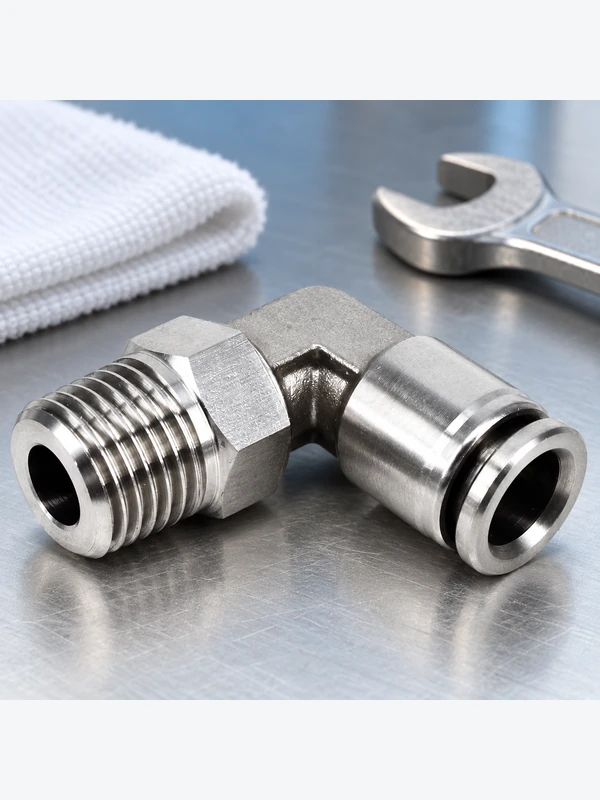
| インターフェース | Tube OD, thread type, port orientation, valve signal, and mounting | Reduces rework and prevents incompatible substitutions |
| Safety and isolation | Exhaust path, residual pressure, guarding, lockout, and restart behavior | Supports the risk-reduction process described by ISO 12100 and ISO 4414 |
| 検証計画 | Leak check, stroke confirmation, sensor response, and acceptance records | Creates evidence for handover and future fault finding |
For a reference on motion terminology, see the guide to how a 空気圧シリンダー works. For part discovery across product families, use the products directory, then request current drawings, material information, and operating limits for the exact part under consideration.
Which sensor signals lead to a useful maintenance action?
A pressure alarm is useful only when its location, timing and response are defined. A pressure dip during acceleration may mean something different from a slow decay during a documented hold period. Similarly, increased flow could reflect a leak, an intentional process change or a faster production cycle. Relate measurements to the machine state and compare the same operation before creating a fault diagnosis.
Start with one observable failure mode, such as a recurring leak at a moving connection or a clamp that no longer reaches its expected state. Define the signal that warrants inspection, who receives the alert and what evidence the technician should collect. The 空気圧継手の保守ガイド can provide the connection-level inspection context. A monitoring dashboard without an agreed action can add data while leaving the underlying maintenance problem unresolved.
For purchasing, specify access to the readings, sensor replacement arrangements and configuration records. Check how loss of a sensor or network connection affects ordinary control and the separately designed safety functions. Predictive maintenance should be presented as an application to validate, not a guarantee that software will predict every seal failure. Evaluate connected pneumatics against electric alternatives using the same motion, utility and maintenance requirements rather than an Industry 4.0 label.
What do the relevant standards actually cover?
- ISO 4414:2010: general rules and safety requirements for pneumatic fluid-power systems and their components. It informs design and safety practices; it is not, by itself, proof that every component has a specific performance certification.
- ISO 12100:2010: general principles for machinery design, risk assessment, and risk reduction. Apply it to the machine and its hazards, including unexpected pneumatic movement and stored energy.
- DOE compressed-air sourcebook: an industry guide to improving compressed-air system performance. It is practical guidance, not a product certificate or a substitute for site measurements.
Applicability depends on the machine, destination market, installation environment, and claims made in technical or marketing documents. Ask suppliers to identify the exact standard edition, scope, test evidence, and limitations. Avoid converting a test method, design guideline, or general conformity statement into an unsupported efficiency, safety, or environmental claim.
よくある質問
What are pneumatic products used for in automation equipment?
They are used for functions such as clamping, gripping, ejecting, indexing, and other controlled linear or rotary actions. A valve, actuator, air-preparation device, hose, and fitting work as a circuit, so the application requirement must be checked as a system.
Are pneumatic systems still relevant to Industry 4.0 automation?
Yes, when their signals and maintenance needs are made visible through suitable sensors and controls. Connectivity supports diagnostics and trend review, but it does not remove the need for correct sizing, safe isolation, and leakage control.
How can a factory reduce compressed-air waste in an automated line?
Measure the system at representative operating states, repair leaks, confirm pressure settings, and review unnecessary blow-off or idle demand. Use the DOE sourcebook as system guidance and verify any improvement with site measurements rather than a component-level claim.
What should engineers check before replacing a pneumatic actuator?
Check stroke, load direction, cycle rate, available pressure, cushioning, mounting, ports, seals, temperature, and the required safe state. Confirm the replacement against the valve, tubing, sensors, and machine risk assessment before installation.
Which sensors are useful for monitoring pneumatic equipment?
Pressure, end-position, flow, and leak-monitoring sensors can be useful when each has a defined decision or alarm rule. Select the location, range, response, environment, and interface from the diagnostic question, not from connectivity alone.
When should an automation line use electric motion instead of pneumatics?
Electric motion is often worth evaluating when the process needs coordinated profiles, frequent position changes, or tightly controlled speed and position. Compare both options using the actual cycle, utility infrastructure, safety design, maintenance capability, and total cost of ownership.
What is the difference between air savings and electricity savings?
Air savings describe reduced demand at a defined flow-measurement boundary. Electricity savings depend additionally on compressor loading, control response and operating hours. Measure both quantities when making a claim about both.
Does lower air consumption per hour prove that a retrofit is more efficient?
No. Compare accepted production output, cycle time, pressure and operating state. A machine running more slowly may consume less per hour without improving consumption for the required production task.
参考文献
- U.S. Department of Energy / NREL, Uniform Methods Project, Chapter 22: Compressed Air Evaluation Protocol, 2014
- U.S. Department of Energy, Minimize Compressed Air Leaks, Tip Sheet 3
要約
Pneumatics remains useful when the required motion, available air supply and maintenance arrangements fit the application. Future improvements should be judged by measurable operating results: reliable motion, controlled air demand and faults that technicians can investigate. Define the production task and measurement boundary before adding sensors or claiming an efficiency gain. Compare air consumption at equivalent output, and check compressor behavior before converting reduced demand into an electricity-saving claim. Keep ordinary monitoring separate from the machine’s validated safety functions. Oulu’s pneumatic parts can be reviewed as components of that documented design, with the actual interfaces, operating conditions and service requirements established before procurement or replacement.