
깔끔해 보이는 공압 연결부에서도 여전히 누출이 발생할 수 있으며, 변색된 연결부만으로는 문제의 원인을 파악할 수 없습니다. 유지보수 시에는 제거 가능한 오염물과 손상된 튜브, 마모된 연결면, 부적절한 세척 조치, 그리고 회로 내 다른 부분의 결함을 구분해야 합니다. 그렇지 않으면, 고장의 원인이 되었던 상태가 그대로인 채로 피팅을 연마하여 재설치하게 될 수 있습니다.
유지 스테인리스 스틸 공기 피팅 통제된 절차를 통해 다음과 같이 진행합니다: 결함을 기록하고, 해당 장비를 격리하며, 승인된 방법으로 세척하고, 개별 인터페이스를 점검한 뒤, 근거에 기반한 재사용 여부를 결정하고, 복귀 전에 조립 상태를 검증합니다. 허용되는 세척, 분해 및 재사용 방식은 각 제품의 정확한 사용 설명서에 따라야 합니다. 본 가이드는 보편적인 세척 공정이나 교체 주기를 임의로 설정하지 않고 해당 작업을 체계적으로 수행하는 방법을 안내합니다.
연결을 분해하기 전에 문제를 기록하십시오.
고장이 발생하는 위치와 발생 시 기계의 동작 상태를 기록하십시오. 튜브 연결부 누출과 나사산 포트 누출, 손상된 튜브 경로 또는 인근 밸브 고장을 구분하십시오. 최근에 사용한 세척제 변경, 튜브 교체, 경로 변경, 장비 이동 등 최근 변경 사항을 기록해 두십시오. 이러한 관찰 내용은 어셈블리를 청소하고 분리하면 사라질 수 있습니다.
승인된 현장 절차가 운전 중 누출 탐지를 허용하는 경우, 연결부를 느슨하게 하거나 조작하지 않은 채로 이를 사용하십시오. 누출 점검과 수리는 별개의 활동입니다. 미국 에너지부의 압축공기 관리 지침은 누출을 식별하고 수리한 뒤 재점검할 것을 권고하며, 가압 상태의 부속품을 작업하거나 특정 교체 부품이 명시된 절감 효과를 달성할 것임을 보증하지 않습니다.
유지보수 기록에는 일관된 부품 참조를 사용하십시오. 원래 라인의 사진과 정확한 부품 명칭을 기재하면 의도치 않은 대체를 방지하는 데 도움이 됩니다. 관찰 당시의 조건을 반드시 기록하여, 최종 시험에서 보고된 고장 원인을 해결하고 관련 없는 편리한 작동 상태만 점검하는 일이 없도록 하십시오.
피팅을 만지기 전에 저장된 에너지를 격리하십시오.
배관을 분리하거나, 릴리스 슬리브를 작동시키거나, 나사 조인트를 풀기 전에 기계의 문서화된 에너지 격리 절차를 반드시 따르십시오. 설비 수준의 평가 시에는 포집된 압력과 공압 액추에이터의 움직임을 반드시 고려하십시오. 컴프레서의 전원을 끄거나 밸브 하나를 잠갔다고 해서 회로의 모든 지점에서 안전한 상태가 확보되었다고 단정하지 마십시오.
승인된 절차에 따라 필요한 격리 조치를 완료하고 상태를 확인한 후에만 작업을 진행하십시오. 푸시-인 연결 방식이 반드시 자체 밀봉형 차단 장치는 아닙니다. 연결된 튜브를 해제하면 회로가 개방될 수 있으며, 일반적인 커넥터의 외관만으로는 격리된 분기가 독립적으로 안전하게 정비 가능하다고 단정할 수 없습니다.
연결을 개시하기 전에 작업 구역을 사전에 계획하십시오. 재사용 가능한 부품은 깨끗하게 보관하고, 노출된 포트는 승인된 방법으로 오염으로부터 보호하며, 교체 부품은 사전에 식별해 두십시오. 공압 부품 유지 관리 가이드 더 광범위한 회로 점검을 정리하기 위한 추가 질문을 제공합니다.
튜브 소켓을 오염시키지 않도록 외부를 청소하십시오.
부품 제조사가 승인한 외부 세척 방법부터 시작하십시오. 느슨해진 이물질이 튜브 소켓이나 개방된 장비 포트로 유입되지 않도록 하십시오. 적합한 전용 도구와 재료를 사용하십시오. 작업장용 걸레, 탄소강 와이어 브러시 또는 구할 수 있는 용제가 모든 공압 어셈블리에 적합하다고 단정하지 마십시오.
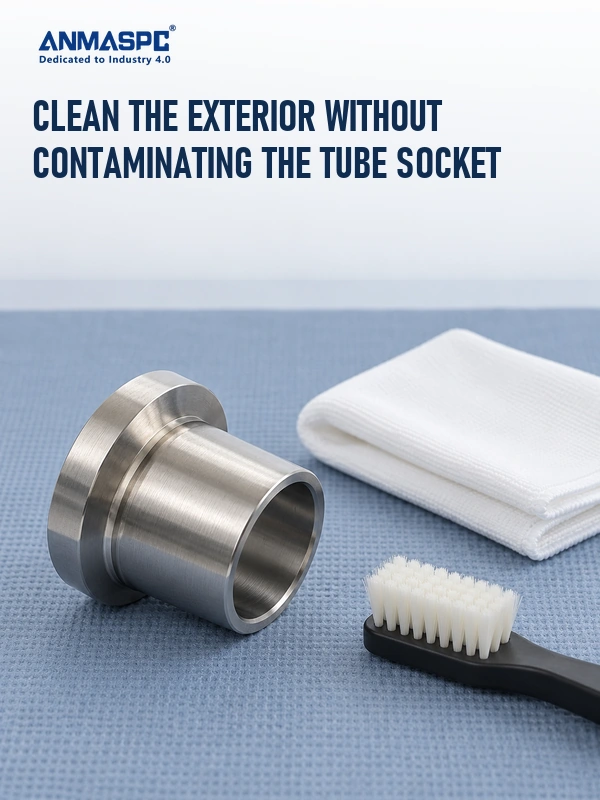
ASSDA의 실내 스테인리스 스틸 세척 지침은 신중한 표면 관리, 헹굼 및 건조를 권장하며, 스테인리스 표면을 손상시키거나 오염시킬 수 있는 작업을 자제할 것을 경고합니다. 이는 스테인리스 표면에 대한 지침일 뿐, 조립된 씰을 제안된 세척 용액에 담그는 것을 승인하는 것은 아닙니다. 선택한 피팅과 배관의 모든 노출된 재료에 대해 해당 세정제와 방법을 반드시 확인하십시오.
지침에 명시되지 않은 경우, 농도, 담금 시간 또는 세척 공정을 임의로 설정하지 마십시오. 승인된 방법이 있는지 공급업체에 문의하거나, 허용된 유지보수 범위 내에서 복구할 수 없는 경우에는 해당 부품을 교체하십시오. 노출된 금속 표면을 밝게 보이도록 하는 방법이라 하더라도, 여전히 씰을 손상시키거나 후단 공정에 오염을 유입시킬 수 있습니다.
세척 후에는 적절한 조명 아래에서 점검하고, 규정된 헹굼 및 건조 지침을 따르십시오. 심한 얼룩, 이음매 부위의 침전물 또는 거친 부분은 연마로 은폐하기보다는 원인을 조사해야 합니다. 상태를 기록하고, 세척제, 배수 상태 및 주변 환경을 검토한 후 해당 문제가 외관상 문제인지 아니면 사용성에 영향을 미치는지 판단하십시오.
튜브와 장비의 나사를 각각 점검하십시오.
튜브 인터페이스는 올바른 외경, 재질 및 준비 상태에 따라 달라집니다. 제거된 튜브의 그립 부위 근처에 스크래치, 찌그러짐, 경화 또는 변형이 있는지 확인하십시오. SMC의 KQG2 사용 설명서에는 사용되었거나 늘어난 튜브를 단순히 다시 삽입할 수 없는 경우를 포함한 튜빙 주의사항이 나와 있습니다. 재연결을 무제한으로 간주하지 말고, 선택한 제품 고유의 재사용 기준을 적용하십시오.
나사식 연결부의 경우, 접근 가능한 나사산과 밀봉면에 손상, 이물질 또는 비정상적인 체결 흔적이 있는지 확인하십시오. 원래의 나사 규격 및 의도된 밀봉 방식을 검증하십시오. 과도한 힘을 가하는 것은 진단 방법이 아닙니다. 장비의 나사가 조여져도 튜브 측에서 누출이 그대로 유지될 수 있습니다.
사용하다 일반적인 직선 핏 문제 해결 가이드 부품을 교체하기 전에 가능한 원인들을 구분하십시오. 라우팅과 지지대도 점검하세요: 올바르게 준비된 튜브라도 부적절한 배치로 인해 측면으로 편향되어 장착될 수 있습니다. 청소만으로는 그러한 기계적 원인을 제거할 수 없습니다.
| 검사 구역 | 관찰할 사항 | 다음 조치 |
|---|---|---|
| 연결 부근의 튜브 | 점수 처리, 평탄화 또는 변형 | 튜브 및 피팅 제조사의 재사용 기준을 적용하십시오. |
| 접근 가능한 소켓 외부 | 잔해, 손상 또는 제한된 해제 접근 | 허용된 청소 또는 교체 절차를 사용하십시오. |
| 장비 나사산 및 밀봉면 | 손상, 오염 또는 비정상적인 결합 | 기하학을 확인하고 강제 재조립을 중지합니다. |
| 라우팅 및 지원 | 급격한 굽힘, 마찰 또는 측면 하중 | 승인된 배관 요구사항 내에서 레이아웃을 수정하십시오. |
| 외부 금속 표면 | 잔여물, 얼룩 또는 국소적 부식 | 청소 노출 및 서비스 가능성을 검토합니다. |
교체가 세척이나 수리보다 더 나은 경우는 언제인가요?
오염 제거 작업은 기계적 수리와 별도로 진행하십시오. 공급업체의 품질 기준을 벗어나는 상태이거나, 식별이 불가능하거나, 사용 중인 조건에 적합하지 않은 재질을 가진 부품은 교체하십시오. 손상된 나사는 보수하지 말고, 내부 부품을 대체하거나 서비스 불가 조립품을 분해하지 마십시오. 단, 제조사에서 해당 절차를 명시적으로 허용한 경우는 예외입니다.
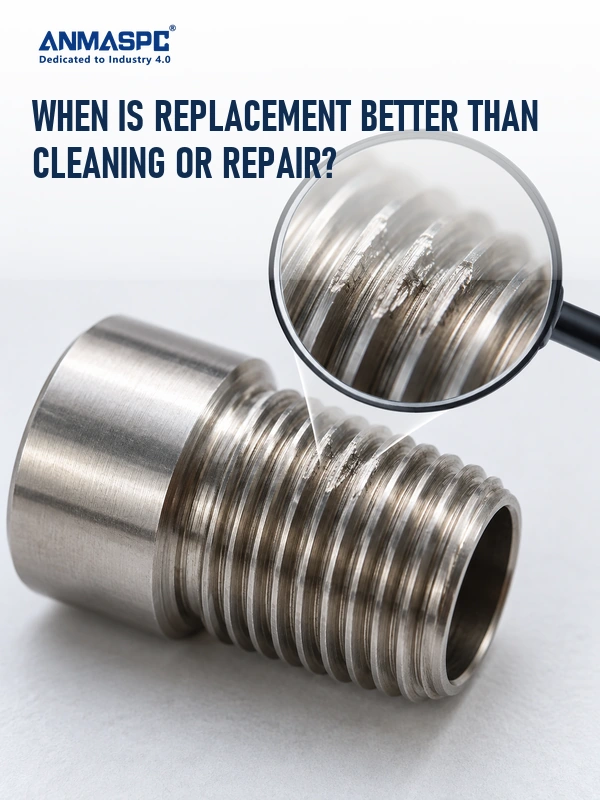
오루의 POC 스레드 튜브 커넥터 페이지를 통해 현재 도면 및 모델별 문서를 요청할 수 있습니다. 사진만 보고 주문하지 말고, 제공된 정확한 사양을 기준으로 선택하십시오. 교체 시에는 본체 등급, 밀봉 부품 상세, 나사 규격 및 허용 사용 조건을 반드시 확인해야 합니다.
반복적인 고장은 원인 분석이 필요합니다. 클리너를 교체했거나 튜브가 옆으로 당겨지고 있는 경우, 동일한 부품을 다시 장착해도 고장이 일시적으로 해소될 뿐입니다. 발견된 내용, 증거에 의해 뒷받침되는 원인, 그리고 변경된 사항을 기록하십시오. 여러 관련 없는 조정 후 어셈블리가 한 번의 테스트를 통과했다는 이유만으로 근본 원인을 단정하지 마십시오.
나사를 억지로 조이거나 손상된 튜브를 재사용하지 않고 재조립하십시오.
Follow the approved assembly sequence for the selected part. Confirm tube preparation and full insertion, access to the release mechanism and the intended retention check. Use the specified equipment-side sealing method and designated tool surfaces. A torque value from another fitting, a bolt table or an online rule of thumb is not a substitute for the applicable instruction.
ASSDA’s galling guidance explains why stainless threads can suffer adhesive damage under loaded contact. Cleanliness, fit and controlled assembly matter; changing from 304 to 316 is not a guaranteed cure. Stop if engagement becomes abnormal, and only use a lubricant or sealing product approved for the medium, seals and cleanliness requirements.
Check the final tube route before repressurization. Leave the required bend and service clearance, secure the approved supports and ensure neighboring parts do not press against the tube or release sleeve. Positioning a fitting during installation does not establish that it can operate as a continuously rotating joint.
Retest the repaired assembly and record the result
그 return-to-service check should address both leakage and the reported machine behavior. Restore the equipment through its authorized procedure, using the agreed test conditions and acceptance criteria. Inspect the tube and port interfaces separately, then confirm operation through the required cycle. Do not equate a visually clean surface with a verified seal.
| Maintenance record | Information to capture | How it helps later work |
|---|---|---|
| Original fault | Location, operating state and recent changes | Makes the final check relevant to the complaint |
| Inspection finding | Tube, thread, surface and routing condition | Separates observed damage from assumptions |
| Work completed | Cleaning method, parts and layout changes | Shows what was actually altered |
| 확인 | Method, conditions, acceptance and result | Provides a usable baseline for comparison |
| Follow-up | Inspection trigger and responsible role | Connects recurring faults to planned action |
Set the next inspection from service severity, the supplier’s requirements and actual history rather than inventing one interval for every installation. Include triggers such as a cleaning-process change, recurring leakage or visible tube damage. Oulu’s 공압 부품 범위 can support a replacement enquiry once the cause and required configuration are defined.
자주 묻는 질문
구매자는 어떤 표면 처리와 밀봉 재료를 지정해야 할까요?
Specify what the air quality, external cleaning process and application require, then obtain documents for the chosen variant. A stainless appearance does not identify the elastomer or establish a particular surface finish. Include these details in the approved assembly record and replacement specification.
When should stainless steel air fittings be replaced rather than repaired?
Replace them when damage exceeds the maker’s reuse criteria, suitability cannot be established or no approved repair is available. Investigate recurrent leakage before fitting another part. Do not assume that polishing, retightening or replacing an internal seal is permitted for every design.
Why choose stainless instead of a plated fitting?
Choose between defined alternatives using the operating environment, cleaning exposure and complete assembly requirements. Stainless construction can be relevant to material selection, but it does not independently prove compatibility, hygiene approval or lower maintenance cost. Check the seals and tubing alongside the body.
튜브 외경과 나사 유형을 어떻게 맞추나요?
Verify the tube outside diameter, material and tolerance separately from the equipment-side thread and sealing arrangement. Use the actual part drawing and port specification. A connector that begins to engage is not necessarily correct, and forced assembly can damage the mating component.
부식성 또는 세척공간에 적합한 스테인리스 재질은 무엇인가요?
Assess the actual chemicals, concentration, temperature, residue and cleaning cycle. ASSDA’s corrosion guidance does not make 304 or 316 universally suitable. Obtain the selected assembly’s material and cleaning evidence, including its seals and tubing, before approving the environment.
How do you prevent galling during installation?
Use clean undamaged threads, verified mating geometry and the maker’s controlled assembly method. Apply only approved sealing or lubrication products and stop abnormal engagement. General stainless-fastener guidance explains the risk but does not supply a universal fitting torque or justify unapproved lubricant.
참고문헌
- ASSDA, Cleaning your indoor stainless steel: external surface-care guidance.
- ASSDA, Galling 및 그 관리.
- ASSDA, 기술 FAQ 8: 일반 부식 저항.
- SMC, KQG2 catalogue: series-specific tubing, installation and service precautions.
- US Department of Energy, Improving compressed air system performance: minimizing compressed-air leaks.
요약
Good maintenance begins with a recorded fault and verified isolation, then separates cleaning from mechanical inspection. Use an approved exterior-care method, keep contamination out of open connections and inspect the tube, thread and route independently. Base 대체 결정 on the selected product’s criteria and the actual duty rather than surface appearance or an invented service interval. Reassemble with the correct interfaces and approved materials, stop abnormal engagement and check the repaired circuit under relevant conditions. Retain the part identity, findings, work and test result so the next technician has a reliable baseline. That record supports condition-based maintenance and helps resolve recurring causes instead of repeatedly cleaning or replacing the same connection.



