
ការតភ្ជាប់ខ្យល់ដែលមើលទៅស្អាត នៅតែអាចធ្លាយបានដែរ ហើយការតភ្ជាប់ដែលប្រែពណ៌ មិនបង្ហាញពីមូលហេតុនៃបញ្ហាដោយខ្លួនវាទេ។ ការថែទាំត្រូវចែករំលែកការកខ្វក់ដែលអាចដកចេញបាន ពីបំពង់ខ្សែដែលខូច, ផ្ទៃតភ្ជាប់ដែលជើង, ការលាងសម្អាតដែលមិនសមស្រប និងកំហុសនៅកន្លែងផ្សេងទៀតក្នុងសៀគ្វី។ បើមិនដូច្នោះទេ ឧបករណ៍តភ្ជាប់អាចត្រូវបានជូតសម្អាត និងតំឡើងឡើងវិញ ខណៈដែលស្ថានភាពដែលបណ្តាលឱ្យខូចនៅតែមិនប្រែប្រួល។.
រក្សាទុក គ្រឿងបន្លាស់ខ្យល់ដែកអ៊ីណុក តាមរយៈលំដាប់ដែលបានគ្រប់គ្រង៖ កត់ត្រាកំហុស, ដាក់ឧបករណ៍នៅដាច់ពីគេ, សម្អាតតាមវិធីដែលបានអនុម័ត, ពិនិត្យមើលចំណុចប្រទាក់ផ្សេងៗ, ធ្វើការសម្រេចចិត្តលើការប្រើប្រាស់ឡើងវិញដោយផ្អែកលើភស្តុតាង និងផ្ទៀងផ្ទាត់ការតំឡើងមុនពេលប្រើប្រាស់ឡើងវិញ។ សេចក្តីណែនាំផលិតផលជាក់លាក់គ្រប់គ្រងការសម្អាត, ការដោះចេញ និងការប្រើប្រាស់ឡើងវិញដែលត្រូវបានអនុញ្ញាត។ សៀវភៅណែនាំនេះពន្យល់ពីរបៀបរៀបចំការងារនោះ ដោយមិនចាំបាច់បង្កើតរូបមន្តសម្អាតជាសកល ឬចន្លោះពេលនៃការជំនួសឡើយ។.
កត់ត្រាបញ្ហាមុនពេលរុះរើការតភ្ជាប់
សូមកត់សម្គាល់ថាតើការលេចធ្លាយកើតឡើងនៅកន្លែងណា និងម៉ាស៊ីនកំពុងដំណើរការយ៉ាងណានៅពេលដែលវាកើតឡើង។ ត្រូវបែងចែកការលេចធ្លាយនៅច្រកបំពង់ ពីការលេចធ្លាយនៅបំពង់ជ័រដែលមានខ្សែភ្ជាប់ ផ្លូវបំពង់ខូច ឬកំហុសនៃវ៉ាល់ដែលនៅជិតនោះ។ សូមកត់ត្រាការផ្លាស់ប្តូរថ្មីៗដូចជាការប្រើសារធាតុលាងសម្អាតផ្សេងពីមុន ការជំនួសបំពង់ ការផ្លាស់ប្តូរទិសដៅបំពង់ ឬការផ្លាស់ប្តូរទីតាំងឧបករណ៍។ ការសង្កេតទាំងនេះអាចបាត់ទៅវិញបានភ្លាមៗ បន្ទាប់ពីការផ្គុំត្រូវបានសម្អាត និងដោះចេញ។.
នៅពេលដែលនីតិវិធីនៃទីតាំងដែលបានអនុម័តអនុញ្ញាតឱ្យមានការរកឃើញការលេចធ្លាយអំឡុងពេលប្រតិបត្តិការ សូមប្រើវាដោយមិនបន្ធូរ ឬកែប្រែការតភ្ជាប់។ ការស្ទង់មើលការលេចធ្លាយ និងការជួសជុលគឺជាសកម្មភាពផ្សេងៗពីគ្នា។ សេចក្តីណែនាំស្តីពីខ្យល់បង្ហូរដែលបានបង្កើនសម្ពាធរបស់ក្រសួងថាមពលសហរដ្ឋអាមេរិក គាំទ្រដល់ការកំណត់ ការជួសជុល និងការត្រួតពិនិត្យឡើងវិញនូវការលេចធ្លាយ; វាមិនអនុញ្ញាតឱ្យធ្វើការលើឧបករណ៍ដែលមានសម្ពាធទេ ហើយក៏មិនបញ្ជាក់ថាការជំនួសជាក់លាក់ណាមួយនឹងអាចសម្រេចបាននូវការសន្សំដែលបានបញ្ជាក់ឡើយ។.
ប្រើការយោងសមាសធាតុដែលស៊ីគ្នានៅក្នុងកំណត់ត្រាការថែទាំ។ រូបថតនៃផ្លូវដែលបានចេញដំបូង និងការកំណត់ពិសេសនៃផ្នែក អាចជួយបញ្ចៀសការជំនួសដោយចៃដន្យ។ រក្សាទុកលក្ខខណ្ឌនៃការពិនិត្យ ដូច្នេះការធ្វើតេស្តចុងក្រោយអាចដោះស្រាយបញ្ហាដែលបានរាយការណ៍ ជាជាងស្ថានភាពប្រតិបត្តិការដែលងាយស្រួល ប៉ុន្តែមិនទាក់ទងគ្នា។.
បំបាត់ថាមពលដែលបានផ្ទុកទុក មុនពេលប៉ះឧបករណ៍ភ្ជាប់
សូមអនុវត្តតាមនីតិវិធីដែលបានចងក្រងទុករបស់ម៉ាស៊ីនសម្រាប់ការផ្តាច់ថាមពល មុនពេលដោះបំពង់ ប្រើដៃគ្រប់គ្រងបញ្ចេញ ឬបន្ធូរចំណុចភ្ជាប់ដែលមានខ្សែស្រឡាយ។ ត្រូវពិចារណាលើសម្ពាធដែលជាប់គាំង និងចលនាពីឧបករណ៍បញ្ជាដោយខ្យល់ ដែលជាផ្នែកមួយនៃការវាយតម្លៃនៅកម្រិតឧបករណ៍។ កុំសន្មត់ថា ការបិទម៉ាស៊ីនស្វាន ឬការបិទមួកបិទមួយ បានបង្កើតស្ថានភាពសុវត្ថិភាពនៅគ្រប់ចំណុចទាំងអស់នៃសៀគ្វីឡើយ។.
សូមបន្តតែបន្ទាប់ពីដំណើរការអនុញ្ញាតបានបង្កើតការដាច់ចរន្តអគ្គិសនីដែលចាំបាច់ និងបានផ្ទៀងផ្ទាត់ស្ថានភាពហើយ។ ការតភ្ជាប់ប្រភេទដោតចូលមិនមែនជាឧបករណ៍បិទដោយខ្លួនឯងនោះទេ។ ការដោះបំពង់ចេញអាចធ្វើឱ្យសៀគ្វីបើក ហើយរូបរាងនៃឧបករណ៍ភ្ជាប់ធម្មតាមិនបានបញ្ជាក់ថាដេប៉ូដែលដាច់ចរន្តអគ្គិសនីអាចសេវាកម្មដោយឯករាជ្យបានដោយសុវត្ថិភាពឡើយ។.
គ្រោងផែនការតំបន់ការងារមុនពេលបើកការតភ្ជាប់។ រៀបចំកន្លែងស្តុកទុកដែលស្អាតសម្រាប់គ្រឿងបន្លាស់ដែលអាចប្រើឡើងវិញបាន ការពាររន្ធដែលបើកចំហពីការបំពុលតាមវិធីដែលបានអនុម័ត និងកំណត់អត្តសញ្ញាណសម្ភារៈជំនួសជាមុន។ ក មគ្គុទ្ទេសក៍ថែទាំឧបករណ៍ផ្សារភ្ជាប់ខ្យល់ ផ្តល់នូវសំណួរបន្ថែមសម្រាប់ការរៀបចំការត្រួតពិនិត្យសៀគ្វីដ៏ធំទូលាយ។.
សម្អាតផ្នែកខាងក្រៅដោយមិនបង្កគ្រោះថ្នាក់ដល់រន្ធបំពង់
ចាប់ផ្តើមដោយប្រើវិធីសាស្រ្តសម្អាតខាងក្រៅដែលត្រូវបានអនុម័តដោយក្រុមហ៊ុនផលិតគ្រឿងបន្លាស់។ ចៀសវាងការរុញសំណល់ដែលរលួយចូលទៅក្នុងថ្នាំងបំពង់ ឬរន្ធឧបករណ៍ដែលបើកចំហ។ ប្រើឧបករណ៍ និងសម្ភារៈជាក់លាក់ដែលសមស្រប; កុំសន្មត់ថាក្រណាត់រោងចក្រ, ច្រាសដែកកាបូន, ឬសារធាតុរំលាយដែលមាននៅទីនោះអាចប្រើបានសម្រាប់គ្រប់ការផ្គុំបំពង់ខ្យល់ទាំងអស់។.
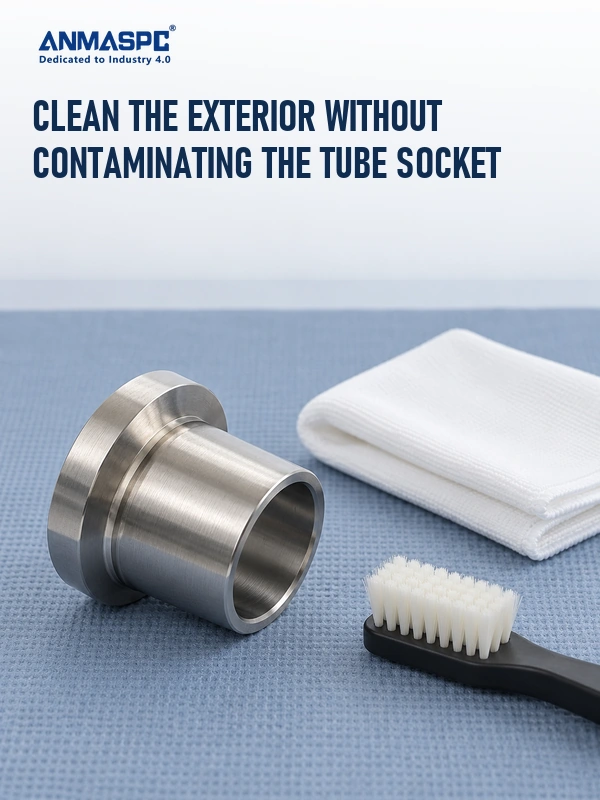
ការណែនាំរបស់ ASSDA ស្តីពីការលាងសម្អាតដែកអ៊ីណុកក្នុងផ្ទះ គាំទ្រដល់ការថែទាំផ្ទៃប្រកបដោយការយកចិត្តទុកដាក់ ការលាងសម្អាតជាមួយទឹក និងការសម្ងួត ហើយព្រមានប្រឆាំងនឹងវិធីសាស្ត្រដែលអាចបំផ្លាញ ឬបំពុលផ្ទៃដែកអ៊ីណុក។ នេះគឺជាការណែនាំសម្រាប់ផ្ទៃដែកអ៊ីណុក មិនមែនជាការអនុញ្ញាតឱ្យជ្រមុជស៊ីលដែលបានផ្គុំរួចទៅក្នុងសារធាតុលាងសម្អាតដែលបានស្នើឡើយ។ សូមបញ្ជាក់ពីសារធាតុលាងសម្អាត និងវិធីសាស្ត្រ ទៅនឹងសម្ភារៈដែលបានប៉ះពាល់គ្រប់ប្រភេទនៅក្នុងឧបករណ៍ភ្ជាប់ និងបំពង់ដែលបានជ្រើសរើស។.
កុំបង្កើតកម្រិតផ្សំ ពេលវេលាដាក់ត្រាំ ឬដំណើរការលាងសម្អាតឡើយ នៅពេលដែលសេចក្តីណែនាំមិនបានបញ្ជាក់។ សូមសួរអ្នកផ្គត់ផ្គង់អំពីវិធីសាស្រ្តដែលបានអនុម័ត ឬជំនួសគ្រឿងបន្លាស់នោះ ប្រសិនបើវាមិនអាចស្តារឡើងវិញបានក្នុងកម្រិតការថែទាំដែលបានអនុញ្ញាត។ វិធីសាស្រ្តដែលធ្វើឱ្យលោហៈស្អាតមើលទៅភ្លឺចែងចាំង អាចនៅតែបំផ្លាញស៊ីល ឬបញ្ចូលសារធាតុបំពុលចូលក្នុងដំណើរការបន្ទាប់។.
បន្ទាប់ពីការសម្អាត ត្រូវពិនិត្យក្រោមពន្លឺដែលសមស្រប និងធ្វើតាមការណែនាំចាំបាច់សម្រាប់ការលាងសម្អាត និងការស្ងួត។ ស្នាមជ្រីវជ្រួញ ការប្រមូលផ្តុំនៅត្រង់គែម ឬភាពរឹងរូសដែលនៅសល់ គួរត្រូវបានពិនិត្យ ជាជាងលាក់បាំងដោយការខាត់។ ត្រូវកត់ត្រាស្ថានភាព និងពិចារណាលើសារធាតុសម្អាត ការបង្ហូរទឹក និងបរិស្ថាន មុននឹងសម្រេចថាតើបញ្ហានោះជាបញ្ហាផ្នែកសោភ័ណភាព ឬប៉ះពាល់ដល់ការប្រើប្រាស់។.
ពិនិត្យមើលបំពង់ និងការភ្ជាប់ឧបករណ៍ដោយឡែកពីគ្នា
ចំណុចប្រទាក់សំបកបំពង់អាស្រ័យលើអង្កត់ផ្ចិតខាងក្រៅ សម្ភារៈ និងការរៀបចំដែលត្រឹមត្រូវ។ ត្រួតពិនិត្យសំបកបំពង់ដែលបានដកចេញសម្រាប់ស្នាមឆ្កូត ការរំកិល ការរឹង ឬការប្រែប្រួលរូបរាងនៅជិតតំបន់ចាប់កាន់។ សៀវភៅណែនាំ KQG2 របស់ SMC ពិភាក្សាអំពីការប្រុងប្រយ័ត្នក្នុងការប្រើប្រាស់សំបកបំពង់ រួមទាំងស្ថានភាពដែលសំបកបំពង់ដែលបានប្រើ ឬបានពង្រីកហើយ មិនអាចដាក់ចូលវិញបានភ្លាមៗឡើយ។ អនុវត្តតាមលក្ខណៈវិនិច្ឆ័យនៃការប្រើប្រាស់ឡើងវិញរបស់ផលិតផលដែលបានជ្រើសរើស ជំនួសឱ្យការចាត់ទុកថាការតភ្ជាប់ឡើងវិញគឺមិនមានដែនកំណត់។.
សម្រាប់ចំណុចតភ្ជាប់ប្រភេទខ្សែរឹត សូមពិនិត្យមើលផ្ទៃខ្សែរឹតដែលអាចចូលដំណើរការបាន និងផ្ទៃបិទជិត ដើម្បីរកមើលការខូចខាត សំណល់ ឬភស្តុតាងនៃការភ្ជាប់មិនប្រក្រតី។ សូមផ្ទៀងផ្ទាត់សញ្ញាសម្គាល់ខ្សែរឹតដើម និងវិធីសាស្ត្របិទជិតដែលបានគ្រោងទុក។ ការប្រើកម្លាំងបន្ថែមមិនមែនជាវិធីសាស្ត្រធ្វើរោគវិនិច្ឆ័យឡើយ។ ការលេចធ្លាយនៅផ្នែកខាងបំពង់អាចនៅតែមិនប្រែប្រួល នៅពេលដែលខ្សែរឹតនៃឧបករណ៍ត្រូវបានចងជិត។.
ប្រើ មគ្គុទ្ទេសក៍សម្រាប់បញ្ហាទូទៅនៃការតំរឹមជួរ ដើម្បីបំបែកមូលហេតុដែលអាចកើតមាន មុនពេលផ្លាស់ប្តូរគ្រឿងបន្លាស់។ សូមពិនិត្យមើលការរៀបចំខ្សែភ្ជាប់ និងឧបករណ៍ទ្រទ្រង់ផងដែរ៖ បំពង់ដែលបានរៀបចំយ៉ាងត្រឹមត្រូវ នៅតែអាចត្រូវបានដាក់បញ្ឈរជើងដោយការរៀបចំដែលមិនសមស្រប។ ការសម្អាតតែមួយមុខមិនអាចដោះស្រាយមូលហេតុមេកានិកនោះបានឡើយ។.
| តំបន់ពិនិត្យ | អ្វីដែលត្រូវសង្កេតមើល | សកម្មភាពបន្ទាប់ |
|---|---|---|
| បំពង់នៅជិតចំណុចភ្ជាប់ | ការស្កេរ ការដុះស្មើ ឬការបត់បែន | អនុវត្តតាមលក្ខណៈវិនិច្ឆ័យនៃការប្រើឡើងវិញរបស់ក្រុមហ៊ុនផលិតទុយោ និងគ្រឿងតភ្ជាប់ |
| ផ្នែកខាងក្រៅរបស់ដុំភ្លើងដែលអាចចូលប្រើបាន | សំណល់, ការខូចខាត ឬការចូលដំណើរការបញ្ចេញដែលត្រូវបានរឹតបន្តឹង | ប្រើនីតិវិធីសម្អាត ឬជំនួសដែលត្រូវបានអនុញ្ញាត |
| ខ្សែស្រឡាយឧបករណ៍ និងផ្ទៃបិទជិត | ការខូចខាត ការបំពុល ឬការភ្ជាប់មិនប្រក្រតី | បញ្ជាក់រូបវិទ្យានិងបញ្ឈប់ការផ្គុំឡើងវិញដោយបង្ខំ |
| ការបញ្ជូន និងការគាំទ្រ | Sharp bends, rubbing or side load | Correct the layout within approved tubing requirements |
| External metal surface | Residue, staining or localized attack | Review cleaning exposure and serviceability |
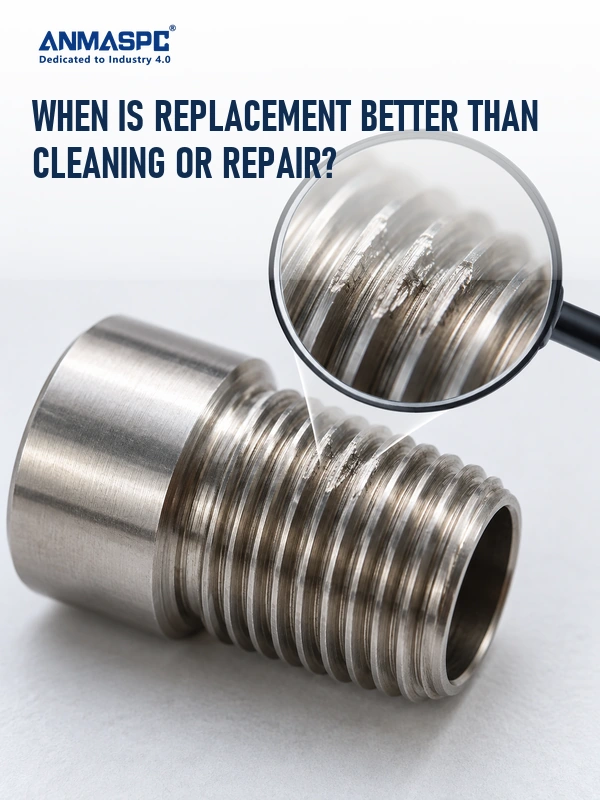
When is replacement better than cleaning or repair?
Keep contamination removal separate from mechanical repair. Replace a component whose condition falls outside the supplier’s acceptance criteria, whose identity cannot be confirmed or whose materials are unsuitable for the current duty. Do not dress damaged threads, substitute internal parts or dismantle a nonserviceable assembly unless the maker explicitly permits that procedure.
របស់អូលូ POC thread tube connector page can be used to request the current drawing and model-specific documents. Match the exact supplied variant rather than ordering from a photograph. Body grade, seal details, thread designation and permitted service conditions should be confirmed for the replacement.
Repeated failures deserve a cause review. If a cleaner changed or a tube is being pulled sideways, replacing the same fitting may only reset the fault temporarily. Record what was found, which cause is supported by the evidence and what changed. Avoid claiming a root cause solely because the assembly passed one test after several unrelated adjustments.
Reassemble without forcing threads or reusing damaged tubing
Follow the approved assembly sequence for the selected part. Confirm tube preparation and full insertion, access to the release mechanism and the intended retention check. Use the specified equipment-side sealing method and designated tool surfaces. A torque value from another fitting, a bolt table or an online rule of thumb is not a substitute for the applicable instruction.
ASSDA’s galling guidance explains why stainless threads can suffer adhesive damage under loaded contact. Cleanliness, fit and controlled assembly matter; changing from 304 to 316 is not a guaranteed cure. Stop if engagement becomes abnormal, and only use a lubricant or sealing product approved for the medium, seals and cleanliness requirements.
Check the final tube route before repressurization. Leave the required bend and service clearance, secure the approved supports and ensure neighboring parts do not press against the tube or release sleeve. Positioning a fitting during installation does not establish that it can operate as a continuously rotating joint.
Retest the repaired assembly and record the result
ទី return-to-service check should address both leakage and the reported machine behavior. Restore the equipment through its authorized procedure, using the agreed test conditions and acceptance criteria. Inspect the tube and port interfaces separately, then confirm operation through the required cycle. Do not equate a visually clean surface with a verified seal.
| Maintenance record | Information to capture | How it helps later work |
|---|---|---|
| Original fault | Location, operating state and recent changes | Makes the final check relevant to the complaint |
| Inspection finding | Tube, thread, surface and routing condition | Separates observed damage from assumptions |
| Work completed | Cleaning method, parts and layout changes | Shows what was actually altered |
| ការផ្ទៀងផ្ទាត់ | Method, conditions, acceptance and result | Provides a usable baseline for comparison |
| Follow-up | Inspection trigger and responsible role | Connects recurring faults to planned action |
Set the next inspection from service severity, the supplier’s requirements and actual history rather than inventing one interval for every installation. Include triggers such as a cleaning-process change, recurring leakage or visible tube damage. Oulu’s ប្រភេទផ្នែក pneumatic can support a replacement enquiry once the cause and required configuration are defined.
សំណួរដែលសួរញឹកញាប់
What surface finish and seal material should buyers specify?
Specify what the air quality, external cleaning process and application require, then obtain documents for the chosen variant. A stainless appearance does not identify the elastomer or establish a particular surface finish. Include these details in the approved assembly record and replacement specification.
When should stainless steel air fittings be replaced rather than repaired?
Replace them when damage exceeds the maker’s reuse criteria, suitability cannot be established or no approved repair is available. Investigate recurrent leakage before fitting another part. Do not assume that polishing, retightening or replacing an internal seal is permitted for every design.
Why choose stainless instead of a plated fitting?
Choose between defined alternatives using the operating environment, cleaning exposure and complete assembly requirements. Stainless construction can be relevant to material selection, but it does not independently prove compatibility, hygiene approval or lower maintenance cost. Check the seals and tubing alongside the body.
How do you match tube OD and thread type?
Verify the tube outside diameter, material and tolerance separately from the equipment-side thread and sealing arrangement. Use the actual part drawing and port specification. A connector that begins to engage is not necessarily correct, and forced assembly can damage the mating component.
តើដែកអ៊ីណុកប្រភេទណាសមស្របសម្រាប់តំបន់ដែលងាយរងការច្រេះ ឬតំបន់ដែលត្រូវលាងសម្អាត?
Assess the actual chemicals, concentration, temperature, residue and cleaning cycle. ASSDA’s corrosion guidance does not make 304 or 316 universally suitable. Obtain the selected assembly’s material and cleaning evidence, including its seals and tubing, before approving the environment.
How do you prevent galling during installation?
Use clean undamaged threads, verified mating geometry and the maker’s controlled assembly method. Apply only approved sealing or lubrication products and stop abnormal engagement. General stainless-fastener guidance explains the risk but does not supply a universal fitting torque or justify unapproved lubricant.
ឯកសារយោង
- ASSDA, Cleaning your indoor stainless steel: external surface-care guidance.
- ASSDA, ការជាប់គាំង និងការគ្រប់គ្រងវា.
- ASSDA, បច្ចេកទេសសំណួរញឹកញាប់ 8: ភាពធន់នឹងការច្រេះជាទូទៅ.
- SMC, KQG2 catalogue: series-specific tubing, installation and service precautions.
- US Department of Energy, Improving compressed air system performance: minimizing compressed-air leaks.
សេចក្តីសង្ខេប
Good maintenance begins with a recorded fault and verified isolation, then separates cleaning from mechanical inspection. Use an approved exterior-care method, keep contamination out of open connections and inspect the tube, thread and route independently. Base ការសម្រេចចិត្តជំនួស on the selected product’s criteria and the actual duty rather than surface appearance or an invented service interval. Reassemble with the correct interfaces and approved materials, stop abnormal engagement and check the repaired circuit under relevant conditions. Retain the part identity, findings, work and test result so the next technician has a reliable baseline. That record supports condition-based maintenance and helps resolve recurring causes instead of repeatedly cleaning or replacing the same connection.



