
یک اتصال هوای فشرده با ظاهر تمیز همچنان میتواند نشت داشته باشد، و یک اتصال تغییر رنگیافته به تنهایی علت مشکل را آشکار نمیکند. در نگهداری باید آلودگی قابل حذف را از لولههای آسیبدیده، سطوح اتصالات که خوردگی پیدا کردهاند، مدت زمان نامناسب تمیزکاری و نواقص در سایر قسمتهای مدار تشخیص داد. در غیر این صورت، ممکن است یک اتصال سمبادهزنی شده و دوباره نصب شود، در حالی که شرایطی که منجر به خرابی شده است بدون تغییر باقی بماند.
نگهداری کنید لوازم هوایی فولاد ضدزنگ از طریق یک روال کنترلشده: خطای رخداده را ثبت کنید، تجهیزات را جدا کنید، با روش مورد تأیید تمیز کنید، واجههای جداگانه را بررسی کنید، تصمیمی بر اساس شواهد برای استفاده مجدد بگیرید و پیش از بازگشت به حالت فعالیت، مونتاژ را تأیید کنید. دستورالعملهای دقیق محصول نحوههای مجاز تمیزکاری، خرد کردن و استفاده مجدد را تعیین میکنند. این راهنمای عملی نحوه سازماندهی آن کار را بدون ابداع یک دستورالعمل جامع تمیزکاری یا فاصله زمانی تعویض، توضیح میدهد.
قبل از جدا کردن اتصال، مشکل را ثبت کنید.
توجه کنید که نقص در کجاست و هنگام رخ دادن آن دستگاه چه کار میکند. تسرب از ورودی لوله را از تسرب از پورت خراشدار، مسیر لولههای آسیبدیده یا نقص سوپاپ نزدیک تشخیص دهید. تغییرات اخیر مانند استفاده از جوشکار متفاوت، تعویض لولهها، تغییر مسیر یا جابجایی تجهیزات را ثبت کنید. این مشاهدات ممکن است پس از تمیز شدن و جدا کردن مجموعه از بین برود.
هرگاه دستورالعمل تأییدشده مکان اجازه کشف نشتی را در حین عملیات بدهد، از آن استفاده کنید بدون اینکه اتصال را شل یا دستکاری کنید. بررسی نشتی و تعمیر، دو فعالیت جداگانه هستند. راهنماییهای وزارت انرژی ایالات متحده درباره هوای فشرده حمایت از شناسایی، تعمیر و بازچک نشتیها را پیشنهاد میدهد؛ اما به کار روی یک اتصال تحت فشار اجازه نمیدهد و نشان نمیدهد که جایگزین خاصی منجر به صرفهجویی تعیینشده خواهد شد.
در سوابق نگهداری از یک مرجع قطعه منسجم استفاده کنید. عکسی از مسیر اصلی و مشخصات دقیق قطعه میتواند به جلوگیری از جایگزینی تصادفی کمک کند. شرایط مشاهده را ثبت نگه دارید تا آزمون نهایی بتواند بر روی نقص گزارششده تمرکز کند، نه بر روی وضعیت عملیاتی مناسب اما غیرمربوط.
قبل از لمس اتصال، انرژی ذخیرهشده را جدا کنید.
قبل از جدا کردن لولهها، عملیات بر روی آستین رهاسازی یا شل کردن یک اتصال خراشیده، به دستورالعمل مستند جداسازی انرژی ماشین تبعیت کنید. فشار گیرافتاده و حرکت ناشی از سوپاپهای هوایی را بخشی از ارزیابی در سطح تجهیزات در نظر بگیرید. فرض نکنید که خاموش کردن یک کمپرسور یا بستن یک شیر، وضعیت ایمن را در تمام نقاط مدار ایجاد کرده است.
فقط پس از آنکه روش مجاز شده، عزل مورد نیاز را ایجاد و وضعیت را تأیید کرده است، ادامه دهید. اتصال فشاری لزوماً یک وسیله قطع خودمختار نیست. رها کردن لوله آن میتواند مدار را باز کند، و ظاهر یک اتصال معمولی نشان نمیدهد که یک شاخه عایقشده برای خدماترسانی مستقل ایمن است.
قبل از باز کردن اتصال، منطقه کار را برنامهریزی کنید. برای قطعات قابل استفاده مجدد، فضای نگهداری پاکیزه فراهم کنید، منافذ آشکار را با روش تأییدشده علیه آلودگی محافظت کنید و مواد جایگزین را مقدمانه شناسایی کنید. راهنمای نگهداری اتصالات پنوماتیک سوالات اضافی برای سازماندهی بازرسی گستردهتر مدار ارائه میدهد.
بیرونی را بدون آلوده کردن پایه لوله تمیز کنید.
با روش تمیزکاری بیرونی تأییدشده توسط سازنده قطعه شروع کنید. از وارد کردن آلودگیهای پراکنده به سوراخ لوله یا درب باز دستگاه خودداری کنید. از ابزارها و مواد مخصوص مناسب استفاده کنید؛ فرض نکنید که یک پارچه کارگاهی، یک برس سیمی فولاد کربنی یا یک محلول آزاد برای همه مجموعههای فلزی مناسب است.
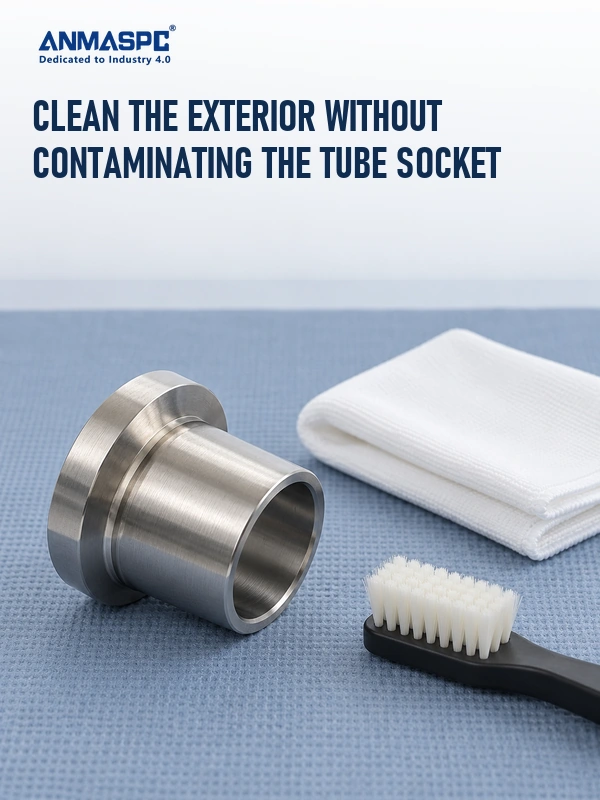
راهنمای تمیزکاری داخلی فولاد ضدزنگ ASSDA، حمایت از مراقبت دقیق از سطوح، شستشو و خشککردن را در بر میگیرد و هشدار میدهد که از روشهایی که میتواند به سطوح فولاد ضدزنگ آسیب برساند یا آنها را آلوده کند، پرهیز کنید. این راهنما فقط برای سطوح فولاد ضدزنگ است و تأییدی برای غوطهور کردن واشرهای نصبشده در مواد شوینده پیشنهادی نیست. لطفاً نوع شوینده و روش را نسبت به تمام مواد در معرض قرارگرفته در اتصالات و لولههای انتخابشده تأیید کنید.
هنگامی که دستورالعملها سکوت اختیار میکنند، غلظت، زمان خیساندن یا روش شستشو را ابداع نکنید. برای یافتن روش تأییدشده، با تأمینکننده تماس بگیرید یا اگر قابل بازیابی در چارچوب نگهداری مجاز نیست، آن قطعه را تعویض کنید. روشی که ممکن است باعث روشن شدن سطح فلز بدون پوشش شود، همچنان میتواند به جلوهگاه آسیب برساند یا آلودگی را به فرآیند بعدی وارد کند.
پس از تمیزکاری، زیر نور مناسب بررسی کنید و دستورالعملهای لازم برای شستشو و خشککردن را رعایت کنید. لکههای پایدار، رسوبات در یک جوش یا سطح خشن باید مورد بررسی قرار گیرند نه اینکه با سنبادهزنی پنهان شوند. وضعیت را ثبت کنید و قبل از تصمیمگیری اینکه مشکل ظاهری است یا بر عملکرد تأثیر میگذارد، به نوع مواد تمیزکاری، نظام تخلیه و محیط توجه کنید.
لولهها و سریز تجهیزات را به صورت جداگانه بررسی کنید.
روابط لولهای به قطر خارجی، نوع مواد و آمادهسازی صحیح بستگی دارد. لوله برداشتهشده را از نظر جوش زدن، تخت شدن، سخت شدن یا تغییر شکل در نزدیکی منطقه گرفتن بررسی کنید. دستورالعملهای KQG2 SMC در مورد احتیاطهای لولهکشی صحبت میکند، از جمله شرایطی که در آن لولههای استفادهشده یا بزرگشده نمیتوانند به سادگی دوباره وارد شوند. از معیارهای بازیافت محصول انتخابشده استفاده کنید تا به جای اینکه اتصال مجدد را بدون محدودیت در نظر بگیرید.
برای یک اتصال خراشیده، سطوح قابل دسترس خراش و مسدودکننده را برای وجود آسیب، آلودگی یا شواهدی از تماس غیرمعمول بررسی کنید. مشخصات اصلی خراش و روش مسدودکنندگی مورد نظر را تأیید کنید. اعمال نیروی اضافی، روشی برای تشخیص نیست. تسرب در طرف لوله ممکن است هنگام محکم کردن خراش دستگاه بدون تغییر بماند.
استفاده کنید راهنمای مشکلات رایج در ساختار مستقیم قبل از تعویض قطعات، علل احتمالی را جدا کنید. همچنین مسیریابی و پشتیبانی را نیز بررسی کنید: حتی یک لوله به درستی آمادهشده نیز میتواند به دلیل طراحی نامناسب به صورت جانبی بارگذاری شود. تنها تمیزکاری نمیتواند آن علت مکانیکی را از بین ببرد.
| منطقه بازرسی | چه چیزی باید رعایت شود | عمل بعدی |
|---|---|---|
| لوله نزدیک اتصال | اسکورینگ، صاف کردن یا تغییر شکل | از معیارهای بازیافت توسط سازندگان لولهها و اتصالات استفاده کنید. |
| سطح بیرونی پرتهای قابل دسترس | پرتش، خسارت یا محدودیت در دسترسی به رهاکننده | از روش مجاز تمیزکاری یا تعویض استفاده کنید. |
| پیچ و مهره تجهیزات و سطح مسدودکننده | آسیب، آلودگی یا تعامل غیرمعمول | هندسه را تأیید کنید و مجدداً سرهمبندی اجباری را متوقف کنید |
| مسیریابی و پشتیبانی | خمهای تیز، اصطکاک یا بار جانبی | چینش را در محدوده الزامات تاییدشده لولهکشی اصلاح کنید. |
| سطح فلزی بیرونی | بقایا، لکهدار شدن یا حمله موضعی | بررسی معرض تماس و قابلیت نگهداری |
When is replacement better than cleaning or repair?
Keep contamination removal separate from mechanical repair. Replace a component whose condition falls outside the supplier’s acceptance criteria, whose identity cannot be confirmed or whose materials are unsuitable for the current duty. Do not dress damaged threads, substitute internal parts or dismantle a nonserviceable assembly unless the maker explicitly permits that procedure.
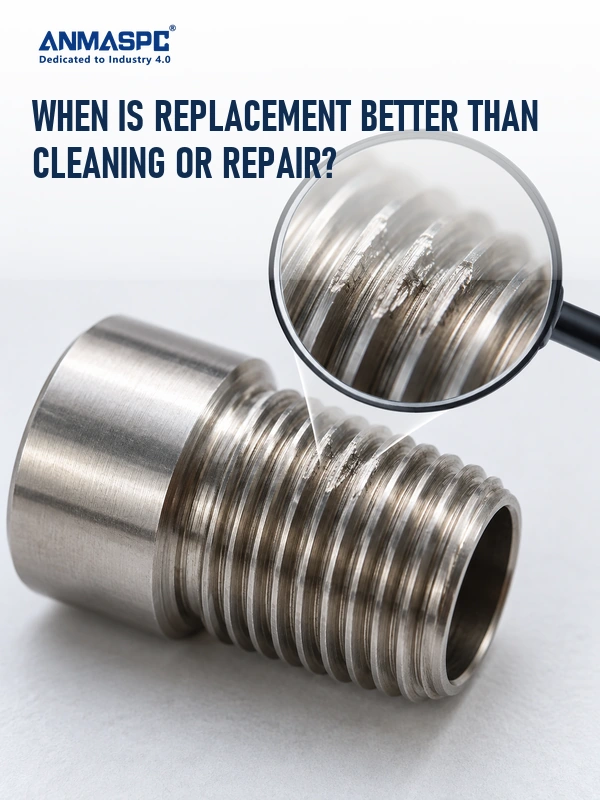
شهر اولو POC thread tube connector page can be used to request the current drawing and model-specific documents. Match the exact supplied variant rather than ordering from a photograph. Body grade, seal details, thread designation and permitted service conditions should be confirmed for the replacement.
Repeated failures deserve a cause review. If a cleaner changed or a tube is being pulled sideways, replacing the same fitting may only reset the fault temporarily. Record what was found, which cause is supported by the evidence and what changed. Avoid claiming a root cause solely because the assembly passed one test after several unrelated adjustments.
Reassemble without forcing threads or reusing damaged tubing
Follow the approved assembly sequence for the selected part. Confirm tube preparation and full insertion, access to the release mechanism and the intended retention check. Use the specified equipment-side sealing method and designated tool surfaces. A torque value from another fitting, a bolt table or an online rule of thumb is not a substitute for the applicable instruction.
ASSDA’s galling guidance explains why stainless threads can suffer adhesive damage under loaded contact. Cleanliness, fit and controlled assembly matter; changing from 304 to 316 is not a guaranteed cure. Stop if engagement becomes abnormal, and only use a lubricant or sealing product approved for the medium, seals and cleanliness requirements.
Check the final tube route before repressurization. Leave the required bend and service clearance, secure the approved supports and ensure neighboring parts do not press against the tube or release sleeve. Positioning a fitting during installation does not establish that it can operate as a continuously rotating joint.
Retest the repaired assembly and record the result
The return-to-service check should address both leakage and the reported machine behavior. Restore the equipment through its authorized procedure, using the agreed test conditions and acceptance criteria. Inspect the tube and port interfaces separately, then confirm operation through the required cycle. Do not equate a visually clean surface with a verified seal.
| Maintenance record | Information to capture | How it helps later work |
|---|---|---|
| Original fault | Location, operating state and recent changes | Makes the final check relevant to the complaint |
| Inspection finding | Tube, thread, surface and routing condition | Separates observed damage from assumptions |
| Work completed | Cleaning method, parts and layout changes | Shows what was actually altered |
| تأیید | Method, conditions, acceptance and result | Provides a usable baseline for comparison |
| Follow-up | Inspection trigger and responsible role | Connects recurring faults to planned action |
Set the next inspection from service severity, the supplier’s requirements and actual history rather than inventing one interval for every installation. Include triggers such as a cleaning-process change, recurring leakage or visible tube damage. Oulu’s رنج قطعات پنوماتیک can support a replacement enquiry once the cause and required configuration are defined.
سوالات متداول
What surface finish and seal material should buyers specify?
Specify what the air quality, external cleaning process and application require, then obtain documents for the chosen variant. A stainless appearance does not identify the elastomer or establish a particular surface finish. Include these details in the approved assembly record and replacement specification.
When should stainless steel air fittings be replaced rather than repaired?
Replace them when damage exceeds the maker’s reuse criteria, suitability cannot be established or no approved repair is available. Investigate recurrent leakage before fitting another part. Do not assume that polishing, retightening or replacing an internal seal is permitted for every design.
Why choose stainless instead of a plated fitting?
Choose between defined alternatives using the operating environment, cleaning exposure and complete assembly requirements. Stainless construction can be relevant to material selection, but it does not independently prove compatibility, hygiene approval or lower maintenance cost. Check the seals and tubing alongside the body.
How do you match tube OD and thread type?
Verify the tube outside diameter, material and tolerance separately from the equipment-side thread and sealing arrangement. Use the actual part drawing and port specification. A connector that begins to engage is not necessarily correct, and forced assembly can damage the mating component.
چه نوع استیل برای مناطق خورنده یا محلهای شستشوی مواد مناسب است؟
Assess the actual chemicals, concentration, temperature, residue and cleaning cycle. ASSDA’s corrosion guidance does not make 304 or 316 universally suitable. Obtain the selected assembly’s material and cleaning evidence, including its seals and tubing, before approving the environment.
How do you prevent galling during installation?
Use clean undamaged threads, verified mating geometry and the maker’s controlled assembly method. Apply only approved sealing or lubrication products and stop abnormal engagement. General stainless-fastener guidance explains the risk but does not supply a universal fitting torque or justify unapproved lubricant.
مراجع
- ASSDA, Cleaning your indoor stainless steel: external surface-care guidance.
- ASSDA، گالینگ و کنترل آن.
- ASSDA، سوالات متداول فنی ۸: مقاومت کلی در برابر خوردگی.
- SMC, KQG2 catalogue: series-specific tubing, installation and service precautions.
- US Department of Energy, Improving compressed air system performance: minimizing compressed-air leaks.
خلاصه
Good maintenance begins with a recorded fault and verified isolation, then separates cleaning from mechanical inspection. Use an approved exterior-care method, keep contamination out of open connections and inspect the tube, thread and route independently. Base تصمیمات جایگزینی on the selected product’s criteria and the actual duty rather than surface appearance or an invented service interval. Reassemble with the correct interfaces and approved materials, stop abnormal engagement and check the repaired circuit under relevant conditions. Retain the part identity, findings, work and test result so the next technician has a reliable baseline. That record supports condition-based maintenance and helps resolve recurring causes instead of repeatedly cleaning or replacing the same connection.



