
가스 블록 커넥터는 종종 더 강한 직선 커플러인 것처럼 주문된 다음, 다른 제품에서 복사한 압력 값을 사용해 시험을 진행합니다. 이러한 간편한 방법은 두 가지 서로 다른 기능—빈 경로를 통한 가스 압력 투입과 케이블 설치 후의 밀봉 압력—을 혼동하게 만들 수 있습니다. 올바른 선택은 덕트 외경, 케이블 외경, 밀봉 설계 및 정확한 제조사 지침부터 시작해야 합니다.
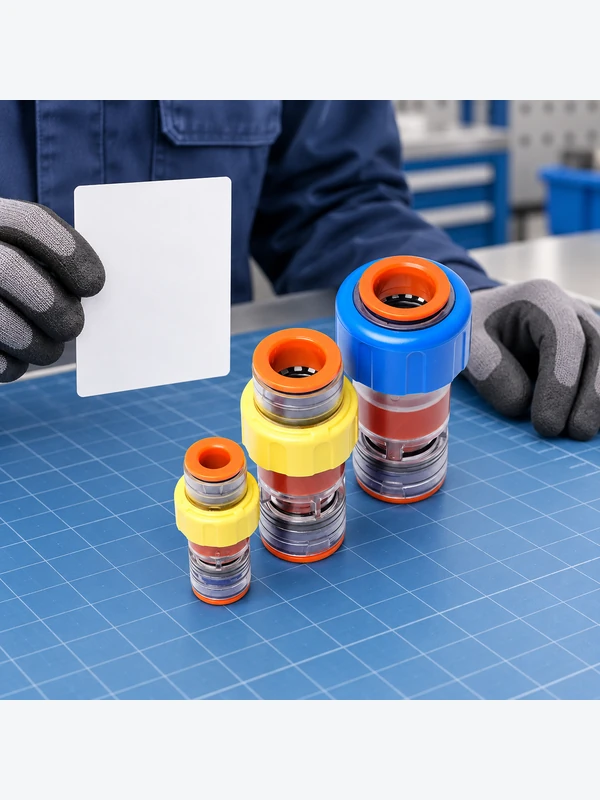
A 가스 블록 커넥터 설치된 케이블 주변의 환형 공간을 밀봉하는 반면, 직선 커넥터는 덕트를 연결하고 엔드 캡은 비어 있는 덕트를 막습니다. 오울루의 제품 페이지에는 해당 가스 블록에 대한 10 바 블로잉 조건이 명시되어 있으며, 최종 케이블 밀봉 요구 사항은 주문한 모델에 대해 별도로 확인해야 합니다. 정확한 것을 확인하십시오. 마이크로덕트, 케이블 및 시험 방법; 정격을 일반화하지 마십시오. 통제된 밀봉 시험 누출되는 인터페이스를 식별해야 합니다.
가스 블록은 무엇을 밀봉합니까?
이는 호환 가능한 마이크로덕트와 그 내부를 통과하는 케이블 사이의 공간을 밀봉합니다. 오울루 마이크로덕트 가스 블록 제품 페이지 치수 도면 및 설치 지침과 함께 반드시 확인하십시오. Nestor의 Optimus 설명서에서는 케이블 설치와 최종 밀봉 활성화를 구분하고 있으며, 이들의 작동 순서나 정격은 다른 제품 번호로 적용할 수 없습니다.
| 노선 상태 | 올바른 구성 요소 역할 | 확인 |
|---|---|---|
| 두 개의 동일한 크기 덕트 | 스트레이트 커넥터 | 덕트 외경, 삽입 깊이 및 본체 씰 |
| 입구를 통해 설치된 케이블 | 가스 블록 | 덕트 외경, 케이블 외경, 실링 활성화 및 시험 조건 |
| 빈 덕트 끝 | 엔드 캡 | 폐쇄 부착 상태 및 경로 환경 |
씰을 선택하기 전에 케이블 피복을 점검하십시오.
구매 시 명시되는 케이블 직경은 실제 밀봉 위치에서의 외장재를 기준으로 표기해야 합니다. 케이블 공급업체에 치수 허용오차를 문의한 뒤, 설치된 구간을 평탄화, 스크래치, 오염 또는 수리 슬리브 유무 여부로 점검하십시오. 광섬유 개수만으로는 외장재 직경을 판단할 수 없으며, 공칭 케이블 규격만으로는 특정 인서트가 적합한지 확인할 수 없습니다. 선택한 인서트와 본체를 함께 기록해 두어, 향후 납품 시 동일 제품군 내 다른 밀봉 부품으로 대체되지 않도록 하십시오.
표면을 확인하십시오. 케이블 씰 연락드리겠습니다. 손상이 확인되면, 조인트를 조립하기 전에 승인된 수리 또는 재배치 절차를 따르십시오. 잘못된 케이블 길이 또는 손상된 외장재를 보완하기 위해 과도한 압축을 가해서는 안 됩니다. 연결부가 굽힘을 펴거나 케이블 장력을 지탱하는 데 사용되지 않도록, 케이블 입구 부위를 충분히 지지하십시오.
윤활유 또한 호환성 검토 대상에 포함됩니다. Nestor는 자사의 Optimus 제품 사용자에게 가스 블록 재질과의 윤활유 호환성을 반드시 확인할 것을 명시적으로 요청합니다. 다른 공급업체의 경우, 해당 케이블 외피, 씰 및 설치용 윤활유에 대한 관련 지침을 요청하십시오. 승인된 제품명은 작업 문서에 기재하십시오. 도관에 적합한 윤활유가 케이블 씰에도 반드시 적합하다는 의미는 아닙니다. 이러한 검사는 다음 사항을 보완합니다. ABF 커넥터 선택 절차 경로가 비어 있는 덕트에서 사용 중인 덕트로 변경될 때.
Why are blowing and post-install pressures different?
During blowing, air moves through the duct to propel a fiber unit; the connector must maintain the route’s specified airflow without leakage. After installation, the seal may only need to limit gas or water migration around the cable. Pressure, duration, temperature and medium all affect the result. Record which assembly state is being tested and use the acceptance limit for that state.
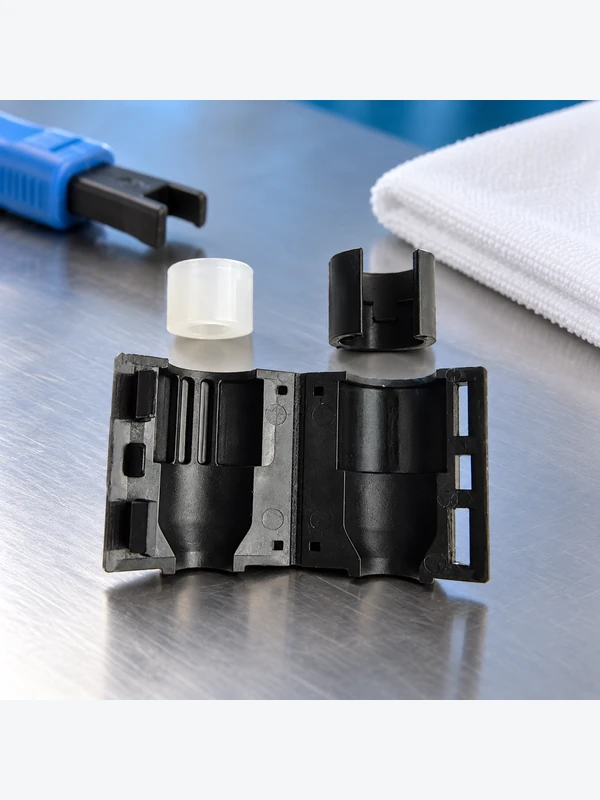
Before activation, measure both ODs, clean the duct and cable jacket, and confirm the cable is centred without side load. If leakage occurs, isolate the duct-to-body interface from the cable-to-seal interface rather than replacing parts without diagnosis.
How should a buyer specify a gas block?
- List duct material, measured OD and tolerance.
- List cable jacket OD and whether the cable is already installed.
- State the medium, pressure, stabilization and hold period for each test.
- Request the exact drawing, seal material, installation sequence and traceable part identification.
What should a gas-block connector quotation identify?
The quotation should list empty-duct blowing conditions and occupied-duct sealing conditions separately. It should identify the duct outside diameter, the installed cable diameter, seal configuration, body material, temperature range, installation sequence and the medium used for the test. It should also state whether a pressure value is a continuous working value, a short-term blowing value, a proof condition or a burst result. Without those labels, two numbers that look similar may describe completely different risks.
Public product pages show why model-specific review matters. The Oulu gas-block page describes a connector used around an installed cable and gives a model-specific blowing condition. Nestor’s Optimus Gas Block describes an open position for cable installation and tightening after installation, with separate short-term and burst information. Those details are useful examples of evidence categories, not ratings that can be transferred to another manufacturer’s part.
| Quotation item | 그것이 왜 중요한가 | 구매자의 행동 |
|---|---|---|
| Duct and cable OD | Determines fit, retention and seal compression | Measure the installed parts and attach the drawing |
| Pressure definition | Prevents working, proof and burst values being mixed | Write the test state, duration and acceptance limit |
| Assembly state | Blowing and post-install sealing have different duties | Specify whether the duct is empty or occupied |
| Service evidence | Future maintenance may require reopening or replacement | Request removal, reuse and traceability instructions |
How can a leak be located without replacing the whole assembly?
Stabilize the approved test condition first, then isolate the route into sections. Check open ends, branch valves and the connector body before assuming that the cable seal is at fault. A leak that appears only during blowing points to a different boundary than a leak that appears after cable installation. Record the duct, cable, connector revision, pressure, medium, stabilization time and observed loss so a supplier can review the same condition.
Connector choice should also account for the next operation. If a cable may be replaced, keep the release path accessible and document the seal activation step. If the route will be buried or exposed to water, request environmental evidence for the actual model and duration. The Hexatronic duct-integrity guidance is a useful reminder that pre-fiber testing reduces avoidable cable waste, but the project owner still defines the acceptance method.
Check the duct interior and building penetration separately
At a building entry, identify each possible passage on the drawing: the space around the cable inside the microduct, the space around the duct through the opening, and any unused neighbouring ducts. A connector selected for the cable annulus addresses its documented interface. The designer should separately specify the wall penetration and any required fire-stopping arrangement. A connector pressure result should not be entered as acceptance evidence for an untested building penetration.
Record who inspects each interface before it becomes concealed. Keep access to the cable-seal release mechanism where the manufacturer requires it, and mark spare ducts so later work does not leave them open. After a cable change, inspect the disturbed components and repeat the checks required for the new assembly. The HDPE microduct maintenance guide explains how to retain route and closure records alongside those changes.
자주 묻는 질문
Is a gas block connector the same as an end cap?
No. An end cap closes an empty microduct, whereas a gas block seals around a cable passing through an occupied duct. The cable outside diameter is therefore an additional selection variable for the gas block. A part that closes the duct end cannot be assumed to provide a seal around a cable simply because the duct diameter matches.
Can a gas block be used on any 15 bar blowing route?
No. A blowing value applies to a particular product, assembly state and set of test conditions. For example, the Oulu product page states a 10 bar blowing condition, while Nestor describes a separate 25 bar short-term condition for its Optimus product. Neither value qualifies another manufacturer’s part. Obtain the relevant model instruction and project limit rather than selecting a rating from a different catalog.
Can one gas block fit several cable diameters?
Some product families offer a cable-diameter range, but the range must belong to the actual ordered seal and body combination. Measure the cable jacket rather than inferring its size from fiber count. Confirm the duct OD, cable OD and any required insert together. A seal compressed beyond its documented range is not an acceptable substitute for the correct part.
When should the cable seal be tightened?
Follow the model-specific installation sequence. Nestor instructs installers to keep the Optimus compression arrangement fully open for cable installation and tighten it afterward; this is an example for that product, not a universal procedure. Check the cable position and jacket condition before activation. Do not pull cable through a closed seal unless the selected manufacturer explicitly permits that operation.
How can a leaking gas block be diagnosed?
First establish the approved test condition and check the other ends of the test section. Then distinguish a duct-to-body leak from a cable-to-seal leak, using the project-approved detection method. Record dimensions, pressure, medium and assembly state so the result can be reproduced. Stop if damage or an incorrect seal range is found instead of compensating with extra compression.
Can a gas block be reopened when a cable is replaced?
That depends on the exact design and the supplier’s service instructions. Confirm whether the seal can be released, whether an insert must be replaced and which parts are permitted to be reused. Nestor warns against pulling cable while its seal is closed and asks users to check lubricant compatibility. Keep the release access and replacement instructions available before the route is buried or enclosed.
Does a gas block also seal the hole through a building wall?
Check the documented interfaces. A gas block may seal the cable inside a microduct, while the opening around that duct needs a separately specified penetration seal. Any fire-stopping requirement also needs its applicable arrangement and evidence. Have the responsible designer identify each interface and its acceptance method.
Should lubricant compatibility be checked before installing a gas block?
Yes. Confirm compatibility with the cable jacket, seal and connector materials for the exact product. Nestor includes this check in its Optimus instructions. Obtain the corresponding approval for the selected supplier and lubricant rather than assuming that a lubricant used elsewhere on the route is suitable.
참고문헌
- Nestor Optimus Gas Block: installation and product-specific pressure conditions.
- Hexatronic: duct-integrity testing guidance.
- egeplast: distinct connector, gas-block and closure duties.
요약
Select the gas block for the installed cable, duct and required sealing conditions. The decision begins with measured duct and cable diameters, then moves to the seal range, installation sequence and environment. Separate empty-route blowing conditions from occupied-route sealing conditions, and require pressure figures to state their medium, duration and assembly state. A burst figure or another manufacturer’s catalog cannot supply a missing working limit. Before acceptance, locate any leak at the correct interface and retain a test record for the installed part. Oulu’s product catalog can help identify candidate components, but the purchase should be confirmed against the exact gas-block drawing and project procedure.



