
ការជំនួសមួយ ការតភ្ជាប់បំពង់ដែក ត្រូវតែស្របនឹងការតភ្ជាប់ដែលបានដំឡើង និងលក្ខខណ្ឌនៃសេវាកម្ម។ ទំហំជាមូលដ្ឋានតែមួយគ្មានអាចបញ្ជាក់ពីប្រព័ន្ធខ្សែរឹត, វិធីបិទជិត, សម្ភារៈ, មូលដ្ឋាននៃការវាយតម្លៃ និងចន្លោះនៃការដំឡើងបានឡើយ។ គំនូរដែលត្រូវបានគ្រប់គ្រង និងផ្នែកដែលត្រូវភ្ជាប់ដែលបានកំណត់ច្បាស់លាស់ ផ្តល់មូលដ្ឋានកាន់តែរឹងមាំសម្រាប់ការជំនួសក្នុងការទិញទំនិញ ជាងរូបថត ឬឧបករណ៍ដែលអាចបង្វិលបានប៉ុន្មានខ្សែរឹតដោយដៃ។.
ជ្រើសរើសការផ្សាភ្ជាប់ដោយផ្អែកលើការតភ្ជាប់ចុង, សម្ភារៈ, ដែនកំណត់សម្ពាធដង្ហើម, ប្រភេទសារធាតុដែលបានគ្រោងទុក និងកំណត់ត្រាការត្រួតពិនិត្យ ព្រមទាំងទំហំស្តង់ដាររបស់វា។ ខ្សែស្រឡាយ NPT និង ISO/BSP ប្រើទម្រង់ខុសៗគ្នា ខណៈដែលអនុកូណាស់ស្តង់ដាររបស់ NPT គឺ 1 ក្នុង 16 លើអង្កត់ផ្ចិត តាម ASME B1.20.1; សូមបញ្ជាក់រូបរចនា, ស្នើសុំការផ្ទៀងផ្ទាត់ខ្សែស្រឡាយដោយប្រើឧបករណ៍វាស់ និងអនុម័តលើបែបបទទិន្នន័យពេញលេញមុនពេលទិញ។.
សម្រាប់ការងារបំពង់ឧស្សាហកម្ម និងបំពង់ខ្យល់ដែលត្រូវបានបង្ហាប់ គឺជាការតភ្ជាប់បំពង់ដែកដែលជាឧបករណ៍ខ្លីៗ ដែលភ្ជាប់ចុងបំពង់ពីរដែលមានក្បាល螺紋ស្របគ្នា ឬចុងបំពង់ផ្សេងទៀតដែលបានកំណត់។ វាមើលទៅសាមញ្ញ ប៉ុន្តែវាស្ថិតនៅចំណុចប្រសព្វនៃការរក្សាសម្ពាធទឹក ហានិភ័យនៃការច្រេះ ការងារថែទាំ និងភាពឆបគ្នានៃប្រព័ន្ធ។ តម្លៃក្នុងមួយគ្រឿងទាបអាចក្លាយជាថ្លៃឡើងវិញ ប្រសិនបើការមិនសមបំណងបណ្ដាលឱ្យមានការធ្វើការឡើងវិញ ការបាត់បង់ខ្យល់ ការពន្យារពេលក្នុងការដាក់ឱ្យដំណើរការ ឬការផ្អាកប្រើប្រាស់ដោយមិនបានគ្រោងទុក។.
ពិនិត្យមើលការតភ្ជាប់ប្រឆាំងនឹងបំពង់ដែលបានតភ្ជាប់
ការពិពណ៌នាអំពីការទិញដ៏មានប្រយោជន៍ចាប់ផ្តើមដោយរចនាបថនៃការតភ្ជាប់ ហើយបញ្ចប់ដោយលក្ខខណ្ឌសេវាកម្ម។ “1-inch steel coupling” ទុកឱ្យ ការកំណត់អត្តសញ្ញាណខ្សែ, ការរចនាឆ្នាំង ឬឧបករណ៍ភ្ជាប់, ថ្នាក់, វិធីសាស្ត្របិទជិត, មូលដ្ឋាននៃសម្ពាធទឹក, និងសារធាតុ។ ផ្ទុយទៅវិញ, ធាតុមួយដូចជា “1-inch NPT គូប្លែងខ្សែភ្លើងប្រភេទស្ត្រី, ថ្នាក់ដែកអ៊ីណុកដែលបានកំណត់, សេវាកម្មខ្យល់ដែលបានបង្ហាប់, សម្ពាធការងារ និងជួរសីតុណ្ហភាពដែលបានចុះបញ្ជី” ផ្តល់ឱ្យផ្នែកវិស្វកម្ម និងការទិញនូវអ្វីដែលអាចធ្វើតេស្តបាន។.
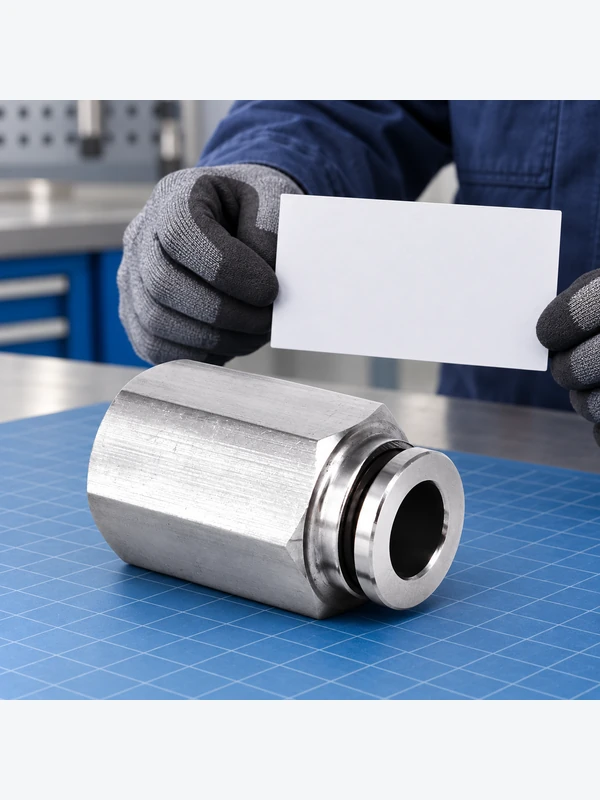
ចាប់ផ្តើមដោយបំបែកទំហំបំពង់សម្គាល់ចេញពីអង្កត់ផ្ចិតខាងក្រៅដែលវាស់បាន។ ទំហំបំពង់សម្គាល់គឺជាការកំណត់និមិត្តសញ្ញា មិនមែនជាការសន្យាថាអង្កត់ផ្ចិតដែលវាស់បានគ្រប់ទាំងអស់គឺ 1 អ៊ីញឡើយ។ បញ្ជាក់រូបរាងគ្រឿងបន្លាស់ដែលភ្ជាប់គ្នា ការកំណត់ខ្សែស្រឡាយ និងតម្រូវការនៃការភ្ជាប់គ្នា។ សម្រាប់ខ្សែស្រឡាយបំពង់បែបចុងស្រួច ASME B1.20.1 គ្របដណ្តប់លើវិមាត្រ និងការវាស់ស្ទង់ខ្សែស្រឡាយបំពង់អ៊ីញប្រើប្រាស់ទូទៅ; ប្រើឧបករណ៍វាស់ប្រភេទប៊ូឡុង និងរ៉ូឡុងដែលបានកែតម្រូវ ឬការត្រួតពិនិត្យសមមូលដែលកត់ត្រាដោយអ្នកផ្គត់ផ្គង់ ជាជាងវាយតម្លៃភាពសមស្របដោយគ្រាន់តែវាស់ចំនួនជុំដែលបិទដោយដៃប៉ុណ្ណោះ។.
នៅក្នុងការតំឡើងប្រព័ន្ធបង្ហូរខ្យល់ សូមបញ្ជាក់ពីគុណភាពខ្យល់ សម្ពាធ ការប្រើប្រាស់ជាវដ្ត ការរំញ័រ និងការចូលដំណើរការថែទាំ។ អ្នកទិញអាចធ្វើការប្រៀបធៀបអ្វីដែលទាក់ទង គ្រឿងបន្លាស់ខ្យល់ នៅក្នុងបរិបទនៃការផ្គុំទាំងមូល។.
ត្រូវប្រៀបធៀបផ្នែកដែលត្រូវភ្ជាប់គ្នា មុនពេលអនុម័តការជំនួស
បែងចែកប្រភេទនៃការតភ្ជាប់ផ្សេងៗគ្នានៅពេលចាប់ផ្តើមសំណួរ។ ឧបករណ៍ផ្សាភ្ជាប់បំពង់ដែលមានខ្សែក្រវ៉ាត់ជក់, ឧបករណ៍ផ្សាភ្ជាប់បំពង់ប្រភេទអណ្តាតភ្លើង, ឧបករណ៍ផ្សាភ្ជាប់បំពង់មានរន្ធ, និងឧបករណ៍ផ្សាភ្ជាប់លឿនប្រភេទខ្យល់ មិនមែនជាពិពណ៌នាផលិតផលដែលអាចជំនួសគ្នាបានឡើយ។ ទោះបីជាក៏ដោយ នៅពេលដែលផ្នែកពីរមាននៅក្នុង បញ្ជីផលិតផល, វិមាត្រដែលអនុវត្តបាន និងភស្តុតាងនៃការទទួលយកអាចខុសគ្នា។ សម្គាល់ការតភ្ជាប់ដែលបានដំឡើងពីរូបគំនូរ សញ្ញាសម្គាល់ និងកំណត់ត្រាឧបករណ៍របស់វា ហើយដោះស្រាយភាពមិនច្បាស់លាស់ណាមួយ មុនពេលជ្រើសរើសឧបករណ៍ជំនួស។.
សម្រាប់ការតភ្ជាប់ប្រភេទខ្សែរឹត សូមកំណត់ទំហំស្តង់ដារ និមិត្តសញ្ញាខ្សែរឹតពេញលេញ ទម្រង់ប្រភេទបុរស ឬស្ត្រី ចន្លោះនៃការភ្ជាប់ និងរៀបចំការបិទជិត។ កត់ត្រាអំពីសម្ភារៈនៃរន្ធដែលតភ្ជាប់ និងផ្ទៃបិទជិត ឬថ្មអង្ករដាច់ដោយឡែកណាមួយ។ សម្រាប់ការតភ្ជាប់បំពង់ប្រភេទ socket-welding ឬប្រភេទផ្សេងទៀតដែលជាប់គាំង សូមប្រើគំនូររចនានិងគំនូររបស់អ្នកផលិតដែលត្រូវបានអនុវត្ត ដើម្បីបញ្ជាក់ពីរូបរាងចុងបំពង់ តម្រូវការជញ្ជាំង និងចន្លោះសម្រាប់ការផ្គុំ។ កុំសន្មតលម្អិតទាំងនេះពីអង្កត់ផ្ចិតខាងក្រៅនៃតួឧបករណ៍។.
ការបំពាក់បន្ថែមក៏ត្រូវការការពិនិត្យទំហំសម្រាប់ដំឡើងផងដែរ។ សូមបញ្ជាក់អំពីប្រវែងសរុប, លទ្ធភាពចូលដោយឧបករណ៍បើក, សាខាដែលនៅជិតខាង និងថាតើបំពង់ណាមួយអាចបង្វិលបានដែរឬទេ។ ការភ្ជាប់ដែលមានរូបរាងស្រដៀងគ្នាអាចមិនអាចដំឡើងបាននៅចន្លោះបំពង់ដែលបានបិទជាប់; ការប្រើប្រាស់ចំណងប្រភេទ union ដែលបានអនុម័ត ឬការរៀបចំសមាសធាតុផ្សេងទៀតអាចត្រូវការ។ សូមកំណត់ការផ្លាស់ប្តូរនោះតាមរយៈការអនុម័តផ្នែកវិស្វកម្ម ជាជាងការកែប្រែប្រព័ន្ធបំពង់អំឡុងពេលការបិទប្រព័ន្ធដោយមិនបានគ្រោងទុក។.
រក្សាការប្រៀបធៀបពីរជួរ ដោយបង្ហាញលក្ខណៈសម្បត្តិដែលបានដំឡើង និងលក្ខណៈសម្បត្តិដែលស្នើឡើងជំនួស។ បញ្ចូលគ្រប់វាលដែលមិនទាន់ដោះស្រាយជាបញ្ហាដែលនៅបើកចំហ ដោយកំណត់អ្នកទទួលខុសត្រូវ មិនមែនចាត់ទុកថាជាការផ្គូផ្គងដោយស្វ័យប្រវត្តិនោះទេ។ អត្ថបទដោះស្រាយបញ្ហាដែលមានរាងត្រង់ វាមានប្រយោជន៍នៅពេលដែលគម្រោងតែមួយមានការតភ្ជាប់រន្ធបំពង់ខ្យល់ ប៉ុន្តែវាមិនគួរជំនួសការពិនិត្យឡើងវិញនៃការរចនាបំពង់សម្ពាធ។ ការអនុម័តគួរតែកំណត់លេខកូដផ្នែក និងកំណែគំនូរច្បាស់លាស់ ដូច្នេះក្រុមទិញទំនិញមិនអាចជំនួសដោយសមាជិកផ្សេងទៀតនៃគ្រួសារបញ្ជីផលិតផលដូចគ្នាដោយមិនដឹងខ្លួនបានឡើយ។.
កំណត់ពីសម្ភារៈ រូបវិទ្យា និងព័ត៌មានស្តីពីសម្ពាធណា
ដែកថែបកាបូនអាចសមស្របសម្រាប់បរិស្ថានក្នុងផ្ទះដែលគ្រប់គ្រងបាន នៅពេលដែលការការពារច្រែះ និងបរិយាកាសជុំវិញសមស្រប; ចំណែកជម្រើសដែកអ៊ីណុកត្រូវបានវាយតម្លៃជាទូទៅនៅពេលដែលសំណើម ការលាងសម្អាត ឬការប៉ះពាល់នឹងសារធាតុច្រេះ ធ្វើឱ្យប្រែប្រួលហានិភ័យ។ យ៉ាងណាមិញ ការដាក់ឈ្មោះលើស៊ុលមិនអាចបញ្ជាក់ពីភាពសមស្របបានឡើយ។ អ្នកទិញគួរតែបញ្ជាក់ពីថ្នាក់ ការបញ្ចប់ ឬស្រទាប់ការពារ (ប្រសិនបើមាន) បរិយាកាស សារធាតុចម្រុះ និងជួរសីតុណ្ហភាពដែលរំពឹងទុក។. ការតាមដានប្រភពវត្ថុធាតុដើម អាចមានសារៈសំខាន់សម្រាប់សេវាកម្មដែលគ្រប់គ្រង ឬសេវាកម្មសំខាន់ៗ ប៉ុន្តែទម្រង់ដែលត្រូវការរបស់វាអាស្រ័យលើលក្ខណៈបច្ចេកទេសនៃគម្រោង។.
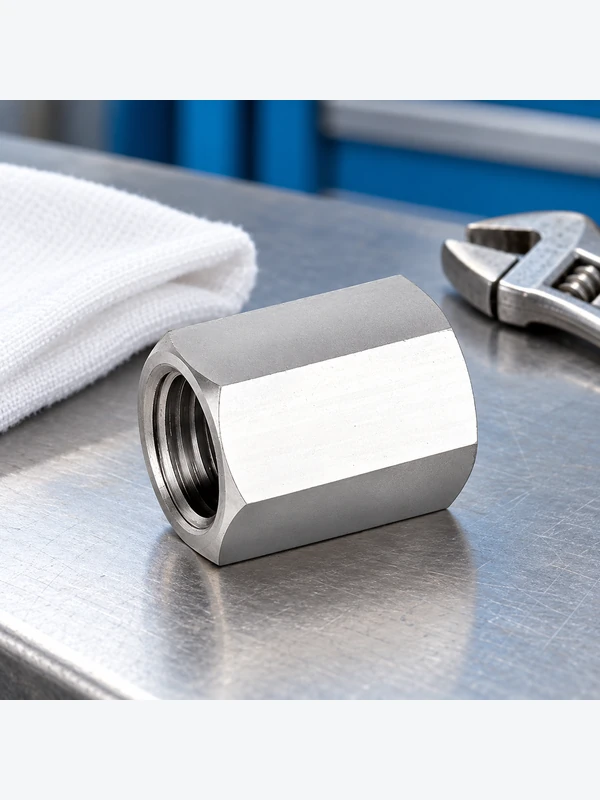
រូបវិទ្យាកំណត់ការដំឡើង និងលំហូរ។ ចំពុះភ្ជាប់ពេញលេញជាទូទៅផ្តល់ការភ្ជាប់តាមប្រវែងរបស់វា; ចំពុះភ្ជាប់បន្ថយភ្ជាប់ទំហំស្តង់ដារខុសគ្នា; ចំពុះភ្ជាប់ពាក់កណ្តាលបង្កើតចំណែកភ្ជាប់ដែលមានខ្សែស្រឡាយខ្លីជាង។ សម្រាប់សៀគ្វីដែលមានលំហូរខ្ពស់, ត្រូវគណនាការធ្លាក់សម្ពាធនៅតាមបណ្តោយខ្សែទាំងមូល រួមទាំងឧបករណ៍ភ្ជាប់របស់វាផងដែរ។ ដើម្បីពិនិត្យជាឧទាហរណ៍, ប្រៀបធៀបអង្កត់ផ្ចិតអប្បបរមារបស់ចំពុះភ្ជាប់ជាមួយនឹងខ្សែដែលវាភ្ជាប់, ហើយពិនិត្យមើលការរឹតត្បិតភ្លាមៗ។.
| ចំណុចសម្រេចចិត្ត | ត្រូវកំណត់អ្វីខ្លះ | ផលប្រយោជន៍ជាក់ស្តែង | ការផ្ទៀងផ្ទាត់ |
|---|---|---|---|
| ទម្រង់ខ្សែ | NPT, BSPT/ISO 7-1, BSPP/ISO 228-1, ឬប្រព័ន្ធដទៃទៀតដែលបានចែង | គ្រប់គ្រងរូបរាងនៃការភ្ជាប់ និងវិធីសាស្ត្រនៃការត្រួតពិនិត្យការលិចជ្រាប | ការពិនិត្យគំរូ; ការត្រួតពិនិត្យឧបករណ៍វាស់ដោយប្រើផ្លាក/ចង្កោម |
| សម្ភារៈ | ប្រភេទដែកដែលបានប្រកាស និងការស្រោប ឬការបញ្ចប់ផ្ទៃណាមួយ | ប៉ះពាល់ដល់ការអនុញ្ញាតឱ្យមានការច្រេះ និងការថែទាំតាមវដ្ដជីវិត | ឯកសារព័ត៌មានវត្ថុធាតុដើម នៅពេលដែលតម្រូវឱ្យមាន |
| សម្ពាធបូកសីតុណ្ហភាព | ដែនកំណត់ប្រតិបត្តិការសម្រាប់ការកំណត់រចនាសម្ព័ន្ធ និងសេវាកម្មពិតប្រាកដ | ការពារមិនឱ្យផ្ទេរចំណាត់ថ្នាក់ពីការតភ្ជាប់ដែលមិនសមនឹងគ្នា | ការពិនិត្យមើលសន្ទស្សន៍ទិន្នន័យ; ការធ្វើតេស្តសម្ពាធប្រព័ន្ធតាមករាល់ករណីដែលអនុវត្តបាន |
| វិធីសាស្ត្របិទជិត | ការរៀបចំសារធាតុបិទជិតខ្សែ, ស្រោមបិទ, ឬរង្វង់អូ-រីង ដូចដែលបានរចនា | ប៉ះពាល់ដល់ភាពស្អិតជាប់នៃការលេចធ្លាយ និងភាពងាយស្រួលក្នុងការថែទាំ | ការណែនាំក្នុងការតំឡើង និងការធ្វើតេស្តរកការលេចធ្លាយ |
ត្រូវប្រៀបធៀបគម្លាក់ជាមួយនឹងសារធាតុរាវ និងការដំឡើងជាក់ស្តែង
លក្ខណៈវិនិច្ឆ័យដែលត្រូវការសម្រាប់បំពង់ផ្សាភ្ជាប់ គួរតែឆ្លុះបញ្ចាំងពីភាពជាក់ស្តែងនៃការប្រើប្រាស់។ សាខាបង្ហូរខ្យល់ដែលស្ងួត និងបំពង់ដែលប៉ះនឹងទឹកកំបិតអាចមានទំហំស្ដង់ដារដូចគ្នា ប៉ុន្តែត្រូវការសម្ភារៈ សារធាតុបិទជិត និងឯកសារផ្សេងៗគ្នា។ សូមរួមបញ្ចូលពេលវេលាដំឡើង ការត្រួតពិនិត្យ រយៈពេលដែលម៉ាស៊ីនឈប់ដំណើរការ និងការចូលដំឡើងជំនួស ទៅក្នុងការប្រៀបធៀបតម្លៃ។.
| លក្ខខណ្ឌសេវាកម្ម | ការផ្តោតសំខាន់លើការជ្រើសរើសបឋម | ភស្តុតាងដែលមានប្រយោជន៍ | ការប្រុងប្រយ័ត្នទូទៅក្នុងការទិញ |
|---|---|---|---|
| ខ្យល់ដាក់សម្ពាធនៅក្នុងផ្ទះ | ប្រព័ន្ធទីតាំង, ជួរសម្ពាធខ្យល់, គុណភាពខ្យល់, ការញ័រ | Connection drawing; leak-test requirement | Assuming every “pipe thread” is interchangeable |
| Humid or washdown area | Corrosion mechanism, grade, surface condition | Declared material and service-environment review | Selecting by appearance rather than alloy and exposure |
| Maintenance retrofit | Exact mating geometry and tool clearance | Measured sample or controlled drawing | Using nominal size without thread confirmation |
| Project-controlled piping | Code, test pressure, traceability, approved documents | Project ITP and approved submittal | Treating a standard reference as a product approval |
What a coupling’s pressure class means at the operating temperature
A pressure class is a designation within a defined standard and product scope; it is not automatically a pressure value in psi or bar. ASME’s B16.11 scope covers ratings, dimensions, tolerances, marking and material requirements for forged socket-welding and threaded fittings. The official description distinguishes class designations for the two end types. Do not copy a class number onto an unrelated quick-release air fitting or assume it establishes the complete line’s allowable operating condition.
Ask which document governs the offered fitting, then verify material grade, applicable pressure-temperature basis, pipe or wall assumptions and service medium. The system designer must account for the weakest relevant component and the applicable piping requirements. A room-temperature catalogue value does not settle elevated-temperature operation, corrosion exposure, cyclic duty or compatibility of a seal used elsewhere in the assembly.
Request inspection evidence proportionate to the project: dimensional checks, thread gaging where applicable, material or lot traceability and the agreed test record. A material certificate identifies material evidence; a thread-gage result addresses the inspected interface; a pressure or leakage test addresses the stated test conditions. None should be described as a universal approval for all fluids, all temperatures or any mating port.
Have the responsible engineer review a proposed substitute before purchase. Note changes in material, thread, sealant, end connection or supplier instructions, and obtain the required approval before release. If delivery pressure forces a proposed alternative, communicate the unresolved fields rather than calling the item equivalent. Buyers can review related pneumatic parts for a separate air circuit while keeping the coupling’s design basis, documented rating and installation inspection distinct.
Check which piping and fitting standards apply
Standards answer different questions. ASME B1.20.1 defines dimensions and gaging for general-purpose inch pipe threads; ISO 7-1 addresses threads where pressure-tight joints are made on the threads; ISO 228-1 addresses pipe threads where pressure-tight joints are not made on the threads. These documents help establish thread compatibility, but citing one does not certify a specific coupling, prove the suitability of sealant, or approve the entire piping system.
ASME B16.11 covers forged-fitting requirements, including material, dimensions, marking, and pressure-temperature ratings within its scope. ASME B31.3 is a process-piping code with testing provisions, not a certificate for every pneumatic fitting. OSHA’s 29 CFR 1910.169 governs U.S. air receivers, not coupling material. Destination market, installation type, and contractual claims determine applicability; unsupported compliance language creates bid risk.
Four checks before ordering a replacement coupling
- Freeze the mating interface: nominal size, male/female configuration, thread designation, and seal method.
- State the full service envelope: medium, normal and maximum pressure, temperature, contaminants, cycle duty, and environment.
- Request the configuration-specific data sheet, dimensional drawing, material declaration, and agreed inspection records; specify thread gaging and pressure or leak testing when the project requires them.
- Approve a controlled sample or first-article check when a retrofit, safety-critical line, or mixed thread family creates uncertainty.
ANMASPC / Microduct Connector can support buyers who need configurable pneumatic connection components and clear sourcing communication. For a quotation or drawing review, use the ទំព័រទំនាក់ទំនង and provide the mating-thread callout, medium, and required documents.
សំណួរដែលសួរញឹកញាប់
តើឧបករណ៍ភ្ជាប់បំពង់ដែកជាអ្វី?
A steel pipe coupling is a fitting used to join two pipe ends, most often with compatible threaded ends in smaller industrial lines. The correct type depends on its geometry, material, connection standard, and the conditions of the complete system.
How do you choose the right pipe coupling size?
Match the nominal pipe size and, more importantly, the exact mating-thread designation and gender. Verify the drawing or a measured sample because nominal size alone does not identify the thread profile, pitch, or sealing method.
What is the difference between a coupling and a union?
A coupling normally joins pipe sections without an intended quick separation point. A union is designed to allow disconnection without rotating the connected pipe, which can simplify maintenance where access and alignment are constrained.
Are stainless steel couplings suitable for compressed air?
For compressed air, stainless steel fittings can be suitable when their material, pressure-temperature limits, thread form, and seal method match the service. Check air quality and condensate exposure; material choice does not replace system-level leak testing.
How do NPT and BSP threads differ?
NPT is an inch pipe-thread system covered by ASME B1.20.1 and uses a 60-degree thread angle. BSP thread systems use the 55-degree Whitworth profile; BSPT commonly relates to ISO 7-1 and BSPP to ISO 228-1. Do not force one into the other: confirm the exact callout and sealing arrangement.
What specifications should a pipe coupling data sheet include?
It should identify the part configuration, dimensions, thread designation, material, applicable working pressure and temperature limits, intended media, seal arrangement, and relevant inspection information. Add project-specific requirements such as marking, traceability, gauge inspection, and test records where they are contractually required.
What does ASME B16.11 actually tell a buyer?
It is a forged fittings standard covering the stated threaded and socket-welding scope, including dimensions, tolerances, ratings, marking and material-related requirements. It does not decide the complete piping design or certify every supplier’s product automatically.
Should a coupling be selected by pressure class alone?
No. Match pressure and temperature with the pipe, thread or weld end, material, corrosion conditions, design code and inspection requirements. Ask for the exact product documentation before approving a substitution.
Does a Class 3000 coupling automatically have a 3000 psi working pressure?
No. A class designation must be interpreted through the applicable standard, material, temperature and connection basis. Verify the exact product documentation and complete piping design rather than treating the class number as a universal gauge-pressure value.
Can a grooved coupling replace a threaded coupling of the same nominal size?
Not without an engineered change. The pipe-end preparation, dimensions, restraint, sealing and installation procedure differ. Confirm the approved assembly and system requirements before changing the connection type; nominal size alone does not establish interchangeability.
ឯកសារយោង
- ASME B16.11 — Forged Fittings, Socket-Welding and Threaded, official scope
- ASME B1.20.1 — ខ្សែស្រឡាយបំពង់ ប្រើប្រាស់ទូទៅ (អ៊ីញ), វិសាលភាពផ្លូវការ
សេចក្តីសង្ខេប
A replacement coupling must match the installed connections, operating conditions and approved design. Identify the connection type first, then compare nominal size, end geometry, material, seal arrangement, installation space and the applicable rating basis. Interpret a pressure class through its governing standard rather than as a stand-alone pressure value. Keep material, dimensional, thread and test records tied to the exact offered configuration, and resolve every difference before the part is released. Record the approved part code and drawing revision for engineering, purchasing and maintenance. Similar catalogue dimensions alone are insufficient to approve a substitute.



