When a project engineer in Rotterdam replaced a leaking 1-inch compressor-line connection during a shutdown, the new coupling appeared to seat cleanly—then hissed as soon as the line was re-pressurized. The visible failure arrived in minutes, but the reversal came from checking the drawing: a nominal size and a “pipe thread” note had been treated as a complete specification. The cause was selection and thread-system control, not simply a defective part.
The short answer is: A coupling should be selected from its actual end connection, material, pressure-temperature limit, media, and inspection evidence—not nominal size alone. NPT and ISO/BSP threads use different forms, while NPT’s nominal taper is 1 in 16 on diameter under ASME B1.20.1; confirm the drawing, request gauge-based thread verification, and approve the complete data sheet before purchase.
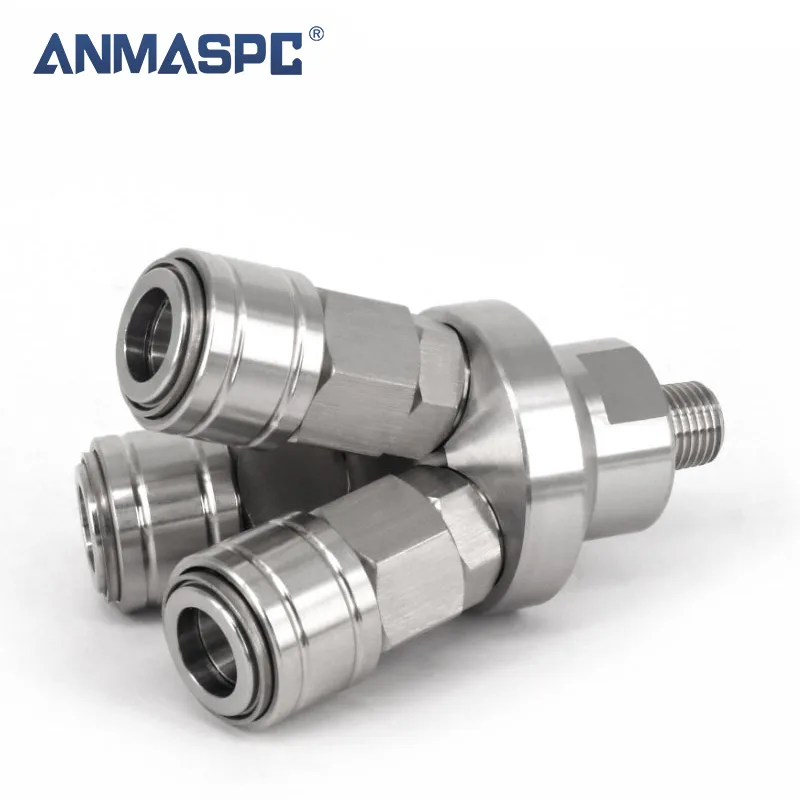
For industrial piping and compressed-air work, steel pipe couplings are short fittings that join two compatible male-threaded or otherwise specified pipe ends. They look simple, yet they sit at the intersection of pressure containment, corrosion risk, maintenance access, and system compatibility. A low unit price can become costly if a mismatch causes rework, air loss, a delayed commissioning window, or an unplanned isolation.
Read the specification as a system requirement
A useful purchase description begins with the connection style and ends with the service conditions. “1-inch steel coupling” leaves open the thread designation, wall or fitting design, grade, sealant method, pressure basis, and medium. By contrast, a line item such as “1-inch NPT female threaded coupling, specified stainless grade, compressed-air service, documented working-pressure and temperature range” gives engineering and procurement something testable.
Start by separating nominal pipe size from measured outside diameter. Nominal pipe size is a designation, not a promise that every measured diameter is 1 inch. Confirm the mating component’s drawing, thread callout, and engagement requirement. For tapered pipe threads, ASME B1.20.1 covers general-purpose inch pipe-thread dimensions and gaging; use calibrated plug and ring gauges or supplier-recorded equivalent inspection, rather than judging fit solely by hand-tight turns.
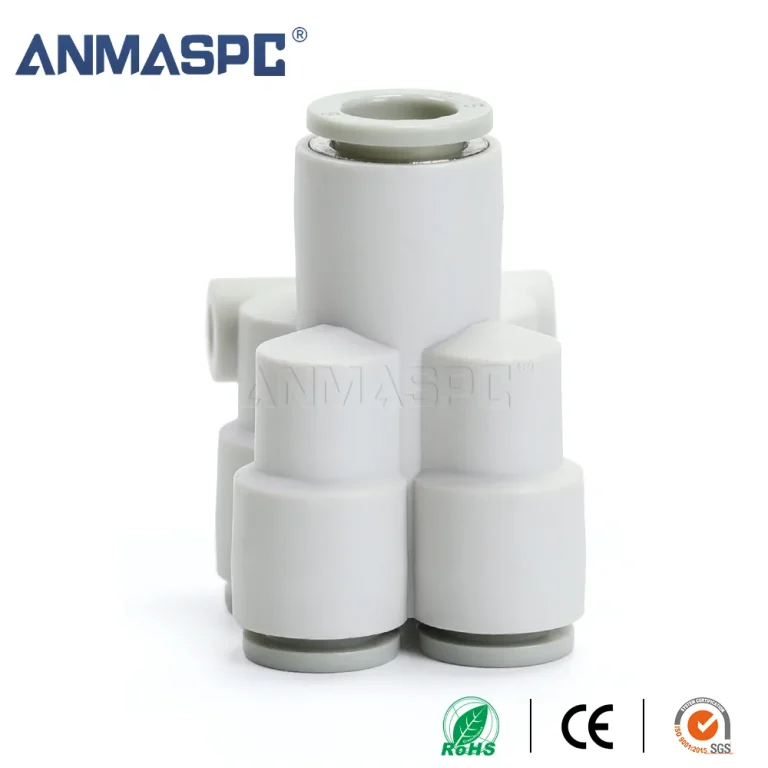
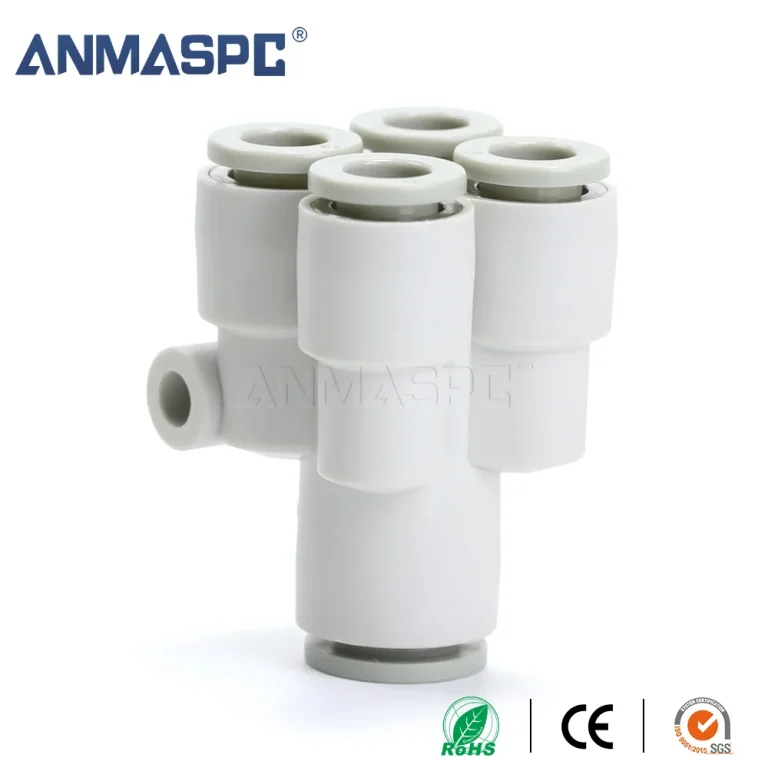
In pneumatic installations, confirm air quality, pressure, cyclic duty, vibration, and maintenance access. Buyers can compare related pneumatic parts in the context of the complete assembly.
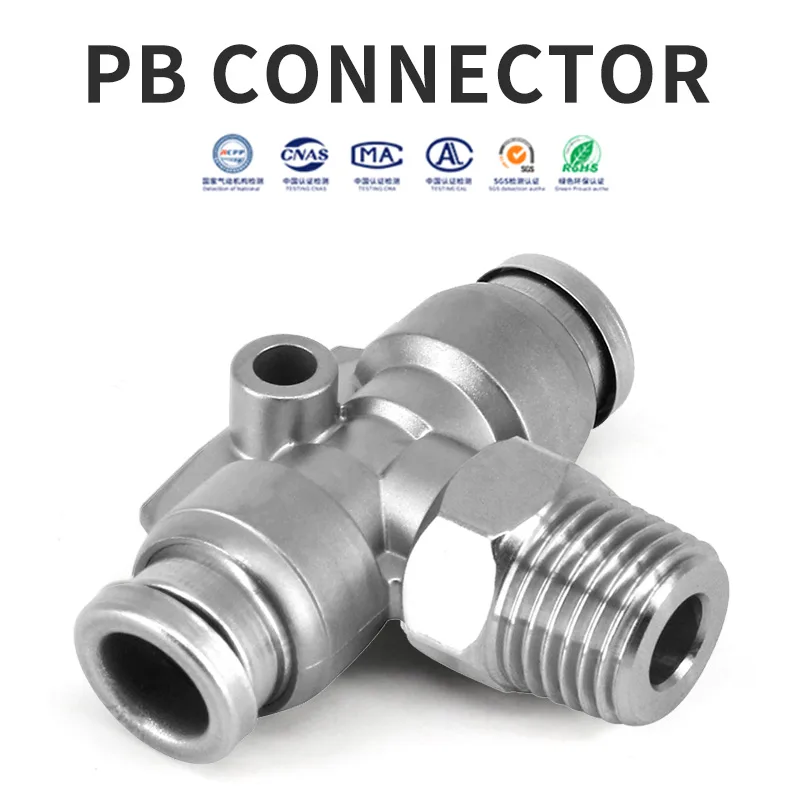
Specify material, geometry, and pressure information
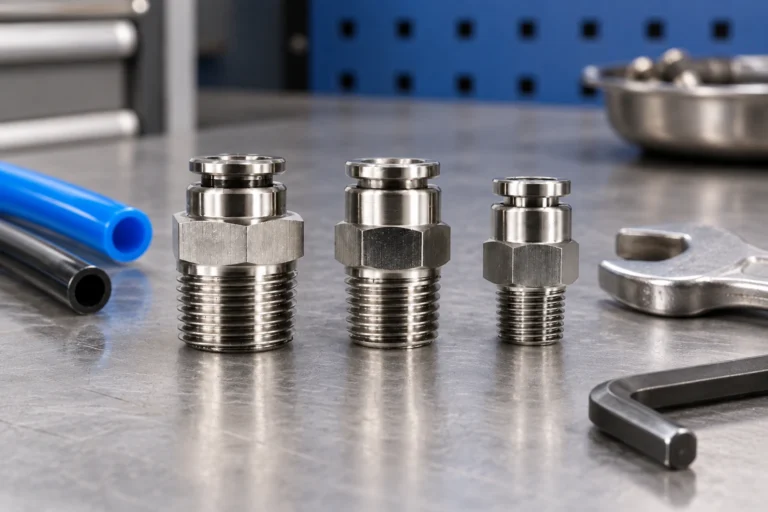
Carbon steel may suit controlled indoor environments when corrosion protection and the medium are appropriate; stainless options are commonly evaluated where humidity, washdown, or corrosive exposure changes the risk profile. However, alloy name alone does not establish suitability. The purchaser should state the grade, finish or coating where relevant, medium, contaminants, and expected temperature range. Material traceability may be important for regulated or critical service, but its required form depends on the project specification.
Geometry governs installation and flow. A full coupling generally provides engagement through its length; a reducing coupling joins different nominal sizes; a half coupling creates a shorter threaded outlet. For high-flow circuits, calculate pressure drop across the complete line—not the fitting alone. As an illustrative check, compare the coupling’s minimum bore with the mating line and investigate sudden restrictions.
| Karar noktası | What to specify | Practical effect | Verification |
|---|---|---|---|
| Thread form | NPT, BSPT/ISO 7-1, BSPP/ISO 228-1, or another stated system | Controls mating geometry and sealing approach | Drawing review; plug/ring gauge inspection |
| Material | Declared steel grade and any coating or finish | Influences corrosion allowance and life-cycle maintenance | Material documentation where required |
| Pressure/temperature | Working limit for the exact configuration and service | Prevents a rating being transferred from an unlike fitting | Data-sheet review; system pressure test as applicable |
| Seal method | Thread sealant, gasket, or O-ring arrangement as designed | Affects leak tightness and serviceability | Assembly instruction and leak test |
Match the coupling to the application—not a generic catalog label
The required pipe coupling specifications should reflect actual duty. A dry compressed-air branch and a line exposed to condensate may share a nominal size yet need different material, sealant, and documentation. Include installation time, inspection, downtime exposure, and replacement access in the cost comparison.
| Service condition | Primary selection focus | Useful evidence | Common procurement caution |
|---|---|---|---|
| Indoor compressed air | Thread system, pressure range, air quality, vibration | Connection drawing; leak-test requirement | Assuming every “pipe thread” is interchangeable |
| Humid or washdown area | Corrosion mechanism, grade, surface condition | Declared material and service-environment review | Selecting by appearance rather than alloy and exposure |
| Maintenance retrofit | Exact mating geometry and tool clearance | Measured sample or controlled drawing | Using nominal size without thread confirmation |
| Project-controlled piping | Code, test pressure, traceability, approved documents | Project ITP and approved submittal | Treating a standard reference as a product approval |
Understand the limits of standards and compliance language
Standards answer different questions. ASME B1.20.1 defines dimensions and gaging for general-purpose inch pipe threads; ISO 7-1 addresses threads where pressure-tight joints are made on the threads; ISO 228-1 addresses pipe threads where pressure-tight joints are not made on the threads. These documents help establish thread compatibility, but citing one does not certify a specific coupling, prove the suitability of sealant, or approve the entire piping system.
ASME B16.11 covers forged-fitting requirements, including material, dimensions, marking, and pressure-temperature ratings within its scope. ASME B31.3 is a process-piping code with testing provisions, not a certificate for every pneumatic fitting. OSHA’s 29 CFR 1910.169 governs U.S. air receivers, not coupling material. Destination market, installation type, and contractual claims determine applicability; unsupported compliance language creates bid risk.
A four-step procurement check before release
- Freeze the mating interface: nominal size, male/female configuration, thread designation, and seal method.
- State the full service envelope: medium, normal and maximum pressure, temperature, contaminants, cycle duty, and environment.
- Request the configuration-specific data sheet, dimensional drawing, material declaration, and agreed inspection records; specify thread gaging and pressure or leak testing when the project requires them.
- Approve a controlled sample or first-article check when a retrofit, safety-critical line, or mixed thread family creates uncertainty.
ANMASPC / Microduct Connector can support buyers who need configurable pneumatic connection components and clear sourcing communication. For a quotation or drawing review, use the contact page and provide the mating-thread callout, medium, and required documents.
How to turn a steel coupling search into a release checklist
Current search results repeatedly ask what ASME B16.11 means and which pressure class applies. Treat the standard as a dimensional and rating reference for the covered forged threaded or socket-welding fittings, then verify the actual material, end connection, schedule, service fluid, temperature and design code for the project. A standard name alone is not proof that a coupling suits a particular line.
For a purchase package, include the full size and end description, material grade, heat or lot traceability where required, marking, inspection documents and the acceptance test. Link the coupling decision to the Pnömatik parçalar yelpazesi when the same project also contains compressed-air components, and keep the product directory as the controlled source for the requested configuration.
Sıkça sorulan sorular
Çelik boru manşonu nedir?
A steel pipe coupling is a fitting used to join two pipe ends, most often with compatible threaded ends in smaller industrial lines. The correct type depends on its geometry, material, connection standard, and the conditions of the complete system.
How do you choose the right pipe coupling size?
Match the nominal pipe size and, more importantly, the exact mating-thread designation and gender. Verify the drawing or a measured sample because nominal size alone does not identify the thread profile, pitch, or sealing method.
What is the difference between a coupling and a union?
A coupling normally joins pipe sections without an intended quick separation point. A union is designed to allow disconnection without rotating the connected pipe, which can simplify maintenance where access and alignment are constrained.
Are stainless steel couplings suitable for compressed air?
For compressed air, stainless steel fittings can be suitable when their material, pressure-temperature limits, thread form, and seal method match the service. Check air quality and condensate exposure; material choice does not replace system-level leak testing.
How do NPT and BSP threads differ?
NPT is an inch pipe-thread system covered by ASME B1.20.1 and uses a 60-degree thread angle. BSP thread systems use the 55-degree Whitworth profile; BSPT commonly relates to ISO 7-1 and BSPP to ISO 228-1. Do not force one into the other: confirm the exact callout and sealing arrangement.
What specifications should a pipe coupling data sheet include?
It should identify the part configuration, dimensions, thread designation, material, applicable working pressure and temperature limits, intended media, seal arrangement, and relevant inspection information. Add project-specific requirements such as marking, traceability, gauge inspection, and test records where they are contractually required.
What does ASME B16.11 actually tell a buyer?
It is a forged fittings standard covering the stated threaded and socket-welding scope, including dimensions, tolerances, ratings, marking and material-related requirements. It does not decide the complete piping design or certify every supplier’s product automatically.
Should a coupling be selected by pressure class alone?
No. Match pressure and temperature with the pipe, thread or weld end, material, corrosion conditions, design code and inspection requirements. Ask for the exact product documentation before approving a substitution.
Kaynakça
- ASME B16.11: Forged Fittings, Socket-Welding and ThreadedOfficial ASME standard page; scope checked 2026-10-08.
- ASME B1.20.1: Pipe Threads, General Purpose (Inch)Official ASME standard page; thread identification reference.
- ISO 228-1: Pipe threads where pressure-tight joints are not made on the threadsOfficial ISO standard page; used to separate thread form from sealing method.
The dependable coupling is the one whose specification leaves no critical assumption untested. When the buyer is ready to compare connection options, review the ANMASPC / Microduct Connector product range and contact the team with the project’s required thread, service, and documentation details.