
یک جایگزین اتصال لوله فولادی باید با اتصال نصبشده و شرایط کارکرد مطابقت داشته باشد. تنها مشخص کردن اندازه اسمی، سیستم خراش، روش پیچیدن، ماده سازنده، معیار مقاومت و فاصله نصب را غیرقابل تعیین میگذارد. یک طراحی کنترلشده و قطعه مطابق شناساییشده، برای تأمین، پایهای محکمتر برای جایگزینی ارائه میدهند تا یک عکس یا یک اتصال که میتوان آن را با دست چند خراش چرخاند.
جفتکن را بر اساس اتصال انتهایی، ماده سازنده، حد فشار-دمایی، میانه مورد نظر و گزارشهای بازرسی، همچنین بر اساس اندازه اسمی آن انتخاب کنید. خراشهای NPT و ISO/BSP از شکلهای متفاوتی استفاده میکنند، در حالی که شیب اسمی NPT در ASME B1.20.1 برابر با 1 در 16 قطر است؛ قبل از خرید، نقشه را تأیید کنید، درخواست بررسی خراش بر اساس گیج کنید و فرم جامع اطلاعات را تصویب کنید.
در کارهای لولهکشی صنعتی و سیستمهای هوای فشرده، اتصالات لولههای فولادی قطعات کوتاهی هستند که دو سر لوله با نردبان مردانه یا دیگر انواع مشخص شده را به هم متصل میکنند. این اتصالات ظاهری ساده دارند، اما در نقطهی تلاقی کنترل فشار، خطر زنگزدگی، دسترسی برای نگهداری و سازگاری سیستم قرار دارند. قیمت پایین هر واحد میتواند گران تمام شود، اگر عدم سازگاری منجر به بازکار، از دست دادن هوای فشرده، تأخیر در پنجرهی بهرهبرداری یا جداکردن غیرمنتظرهای از سیستم شود.
جفتکننده را در قیاس با لولهکشی متصل بررسی کنید.
یک توضیح مفید برای خرید با نوع اتصال شروع میشود و با شرایط خدمات پایان مییابد. “1-inch فولادی” باقی میماند که توصیف رشته, طراحی دیوار یا اتصال، درجه، روش مسدودکننده، پایه فشار و جریان. در مقابل، یک ردیف مانند “1-inch اتصال خارجی با سرب نپت، با درجه مشخص شده از جنس ضدزنگ، برای سرویس هوای فشرده، با فشار و دامنه دمای کاری مستند” به بخشهای مهندسی و خرید چیزی میدهد که قابل آزمایش باشد.
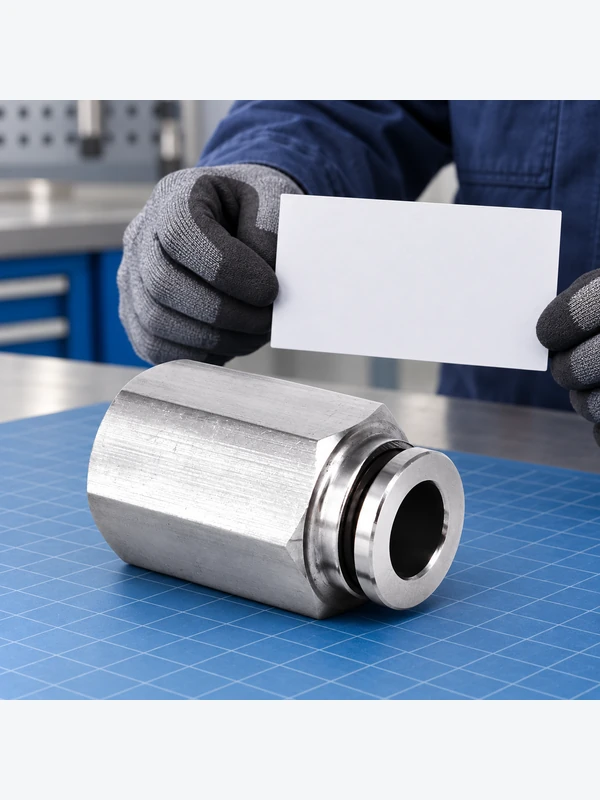
ابتدا اندازه اسمی لوله را از قطر خارجی سنجیده شده جدا کنید. اندازه اسمی لوله یک نامگذاری است، نه وعدهای که هر قطر سنجیده شده 1 اینچ باشد. طرح قطعه ملحقه، نامگذاری رشته و الزامات اتصال را تأیید کنید. برای رشتههای لوله مخروطی، ASME B1.20.1 شامل ابعاد و اندازهگیری رشتههای لوله اینچی کاربرد عمومی است؛ از گیجهای کالیبره شده فرونشستنی و حلقهای یا ارزیابی معادل ثبت شده توسط تأمینکننده استفاده کنید، نه اینکه تنها با تعداد چرخشهای دستی مناسب بودن را قضاوت کنید.
در نصبهای فشردهسازی هوا، کیفیت هوا، فشار، بار چرخهای، ارتعاش و دسترسی برای نگهداری را تأیید کنید. خریداران میتوانند موارد مرتبط را مقایسه کنند. قطعات پنوماتیک در چارچوب مجموعه کامل.
قبل از تأیید جایگزین، قطعات مربوط به یکدیگر را با هم مقایسه کنید.
انواع اتصال مختلف را در آغاز سؤال جدا کنید. یک اتصال لولهای فلزی با خراش، یک اتصال جوشی با سوراخ، یک اتصال شیاردار و یک اتصال سریع هوایی، توصیفات قابل عوض کردن محصول نیستند. حتی وقتی دو قطعه در همان فهرست محصولات, ، ابعاد معتبر و مدارک پذیرش میتوانند متفاوت باشند. اتصال نصبشده را از روی نقشه، علائم و ثبتنام تجهیزات شناسایی کنید و قبل از انتخاب جایگزین، هر گونه عدم قطعیت را برطرف کنید.
برای اتصال خراشیده، اندازه اسمی، نامگذاری کامل خراش، پیکربندی مرد یا ماده، فضای اتصال و نحوه محکمسازی را مشخص کنید. ماده منفذ مطابق و هر سطح محکمسازی یا واشر جداگانهای را ثبت کنید. برای اتصال لولهای با جوش سوکت یا دیگر اتصالات فیکس شده لوله، از نقشههای طراحی و تولید معتبر استفاده کنید تا هندسه انتهای لوله، الزامات ضخامت دیواره و فاصله مونتاژ را تأیید کنید. این جزئیات را از قطر بیرونی بدنه اتصال استنباط نکنید.
یک ارتقا نیز نیازمند بررسی فضای نصب است. طول کلی، دسترسی به ابزار گشتاورگیر، شاخههای نزدیک و امکان چرخش هر یک از لولهها را تأیید کنید. نصب یک اتصال با مشابهت هندسی ممکن است بین دو سر لوله ثابت غیرممکن باشد؛ در این صورت ممکن است به یک اتصال معتبر یا نحوهی جمعبندی متفاوت نیاز باشد. آن تغییر را از طریق تأیید مهندسی تعیین کنید، نه اینکه طی یک قطع برنامهریزینشده، خط لوله را تغییر دهید.
یک مقایسه دوستوانه از مشخصات نصبشده و جایگزین پیشنهادی را حفظ کنید. هر فیلد حلنشده را بهعنوان یک موضوع باز با مسئول تعیینشده، نه بهعنوان یک تطابق فرضی، درج کنید. مقالهی رفع اشکال با برش مستقیم در مواردی که یک پروژه شامل اتصالات سیستم فشار هوایی است، این روش مفید است، اما نباید جایگزین بازنگری طراحی لولههای فشاری شود. در مرحله تأیید، باید کد دقیق قطعه و نسخه نقشه مشخص شوند، تا تیم خرید به صورت غیرعمدی یک عضو دیگر از همان خانواده کاتالوگ را جایگزین نکند.
اطلاعات ماده، هندسه و فشار را مشخص کنید
فولاد کربن ممکن است در محیطهای داخلی تحت کنترل مناسب باشد، زیرا محافظت ضد زنگ و نوع محیط مناسب هستند؛ گزینههای فولاد ضدزنگ اغلب در مواردی ارزیابی میشوند که رطوبت، شستشوی مستمر یا قرار گرفتن در معرض مواد خورنده، پروفایل خطر را تغییر میدهد. با این حال، تنها ذکر نام آلیاژ کافی نیست تا مناسب بودن آن را ثابت کند. خریدار باید درجات، سطح پوشش یا رنگ (در صورت لزوم)، نوع محیط، آلایندهها و دامنه دماهای انتظاری را مشخص کند. قابل ردیابی مواد ممکن است برای خدمات تحت نظارت یا حیاتی مهم باشد، اما شکل مورد نیاز آن به مشخصات پروژه بستگی دارد.
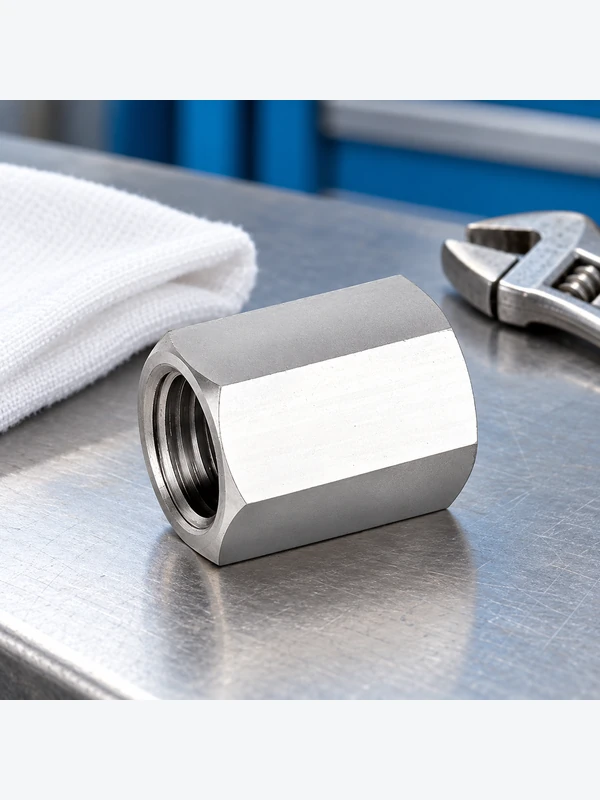
هندسه، نحوه نصب و جریان را تعیین میکند. یک اتصال کامل معمولاً از طول خودش اتصال ایجاد میکند؛ یک اتصال تقلیلی دو اندازه اسمی مختلف را به هم متصل میکند؛ و یک اتصال نیمهای، یک خروجی موضوعی کوتاهتر ایجاد میکند. برای مدارهای با جریان بالا، کاهش فشار در سراسر خط کامل، از جمله اتصالات آن، محاسبه کنید. به عنوان یک بررسی توضیحی، حداقل قطر داخلی اتصال را با خط متصل مقایسه کنید و محدودیتهای ناگهانی را بررسی کنید.
| نقطه تصمیمگیری | چه چیزی باید مشخص شود | اثر عملی | تأیید |
|---|---|---|---|
| شکل ریسمان | NPT, BSPT/ISO 7-1, BSPP/ISO 228-1، یا سیستم دیگری که ذکر شده است | کنترل هندسه جفتشدن و روش پیچیدن | Drawing review; plug/ring gauge inspection |
| مواد | Declared steel grade and any coating or finish | Influences corrosion allowance and life-cycle maintenance | Material documentation where required |
| Pressure/temperature | Working limit for the exact configuration and service | Prevents a rating being transferred from an unlike fitting | Data-sheet review; system pressure test as applicable |
| Seal method | Thread sealant, gasket, or O-ring arrangement as designed | Affects leak tightness and serviceability | Assembly instruction and leak test |
Match the coupling to the actual fluid and installation
The required pipe coupling specifications should reflect actual duty. A dry compressed-air branch and a line exposed to condensate may share a nominal size yet need different material, sealant, and documentation. Include installation time, inspection, downtime exposure, and replacement access in the cost comparison.
| شرایط سرویس | Primary selection focus | Useful evidence | Common procurement caution |
|---|---|---|---|
| Indoor compressed air | Thread system, pressure range, air quality, vibration | Connection drawing; leak-test requirement | Assuming every “pipe thread” is interchangeable |
| Humid or washdown area | Corrosion mechanism, grade, surface condition | Declared material and service-environment review | Selecting by appearance rather than alloy and exposure |
| Maintenance retrofit | Exact mating geometry and tool clearance | Measured sample or controlled drawing | Using nominal size without thread confirmation |
| Project-controlled piping | Code, test pressure, traceability, approved documents | Project ITP and approved submittal | Treating a standard reference as a product approval |
What a coupling’s pressure class means at the operating temperature
A pressure class is a designation within a defined standard and product scope; it is not automatically a pressure value in psi or bar. ASME’s B16.11 scope covers ratings, dimensions, tolerances, marking and material requirements for forged socket-welding and threaded fittings. The official description distinguishes class designations for the two end types. Do not copy a class number onto an unrelated quick-release air fitting or assume it establishes the complete line’s allowable operating condition.
Ask which document governs the offered fitting, then verify material grade, applicable pressure-temperature basis, pipe or wall assumptions and service medium. The system designer must account for the weakest relevant component and the applicable piping requirements. A room-temperature catalogue value does not settle elevated-temperature operation, corrosion exposure, cyclic duty or compatibility of a seal used elsewhere in the assembly.
Request inspection evidence proportionate to the project: dimensional checks, thread gaging where applicable, material or lot traceability and the agreed test record. A material certificate identifies material evidence; a thread-gage result addresses the inspected interface; a pressure or leakage test addresses the stated test conditions. None should be described as a universal approval for all fluids, all temperatures or any mating port.
Have the responsible engineer review a proposed substitute before purchase. Note changes in material, thread, sealant, end connection or supplier instructions, and obtain the required approval before release. If delivery pressure forces a proposed alternative, communicate the unresolved fields rather than calling the item equivalent. Buyers can review related pneumatic parts for a separate air circuit while keeping the coupling’s design basis, documented rating and installation inspection distinct.
Check which piping and fitting standards apply
Standards answer different questions. ASME B1.20.1 defines dimensions and gaging for general-purpose inch pipe threads; ISO 7-1 addresses threads where pressure-tight joints are made on the threads; ISO 228-1 addresses pipe threads where pressure-tight joints are not made on the threads. These documents help establish thread compatibility, but citing one does not certify a specific coupling, prove the suitability of sealant, or approve the entire piping system.
ASME B16.11 covers forged-fitting requirements, including material, dimensions, marking, and pressure-temperature ratings within its scope. ASME B31.3 is a process-piping code with testing provisions, not a certificate for every pneumatic fitting. OSHA’s 29 CFR 1910.169 governs U.S. air receivers, not coupling material. Destination market, installation type, and contractual claims determine applicability; unsupported compliance language creates bid risk.
Four checks before ordering a replacement coupling
- Freeze the mating interface: nominal size, male/female configuration, thread designation, and seal method.
- State the full service envelope: medium, normal and maximum pressure, temperature, contaminants, cycle duty, and environment.
- Request the configuration-specific data sheet, dimensional drawing, material declaration, and agreed inspection records; specify thread gaging and pressure or leak testing when the project requires them.
- Approve a controlled sample or first-article check when a retrofit, safety-critical line, or mixed thread family creates uncertainty.
ANMASPC / Microduct Connector can support buyers who need configurable pneumatic connection components and clear sourcing communication. For a quotation or drawing review, use the صفحه ارتباطی and provide the mating-thread callout, medium, and required documents.
سوالات متداول
کوپلینگ لوله فولادی چیست؟
A steel pipe coupling is a fitting used to join two pipe ends, most often with compatible threaded ends in smaller industrial lines. The correct type depends on its geometry, material, connection standard, and the conditions of the complete system.
How do you choose the right pipe coupling size?
Match the nominal pipe size and, more importantly, the exact mating-thread designation and gender. Verify the drawing or a measured sample because nominal size alone does not identify the thread profile, pitch, or sealing method.
What is the difference between a coupling and a union?
A coupling normally joins pipe sections without an intended quick separation point. A union is designed to allow disconnection without rotating the connected pipe, which can simplify maintenance where access and alignment are constrained.
Are stainless steel couplings suitable for compressed air?
For compressed air, stainless steel fittings can be suitable when their material, pressure-temperature limits, thread form, and seal method match the service. Check air quality and condensate exposure; material choice does not replace system-level leak testing.
How do NPT and BSP threads differ?
NPT is an inch pipe-thread system covered by ASME B1.20.1 and uses a 60-degree thread angle. BSP thread systems use the 55-degree Whitworth profile; BSPT commonly relates to ISO 7-1 and BSPP to ISO 228-1. Do not force one into the other: confirm the exact callout and sealing arrangement.
What specifications should a pipe coupling data sheet include?
It should identify the part configuration, dimensions, thread designation, material, applicable working pressure and temperature limits, intended media, seal arrangement, and relevant inspection information. Add project-specific requirements such as marking, traceability, gauge inspection, and test records where they are contractually required.
What does ASME B16.11 actually tell a buyer?
It is a forged fittings standard covering the stated threaded and socket-welding scope, including dimensions, tolerances, ratings, marking and material-related requirements. It does not decide the complete piping design or certify every supplier’s product automatically.
Should a coupling be selected by pressure class alone?
No. Match pressure and temperature with the pipe, thread or weld end, material, corrosion conditions, design code and inspection requirements. Ask for the exact product documentation before approving a substitution.
Does a Class 3000 coupling automatically have a 3000 psi working pressure?
No. A class designation must be interpreted through the applicable standard, material, temperature and connection basis. Verify the exact product documentation and complete piping design rather than treating the class number as a universal gauge-pressure value.
Can a grooved coupling replace a threaded coupling of the same nominal size?
Not without an engineered change. The pipe-end preparation, dimensions, restraint, sealing and installation procedure differ. Confirm the approved assembly and system requirements before changing the connection type; nominal size alone does not establish interchangeability.
مراجع
- ASME B16.11 — Forged Fittings, Socket-Welding and Threaded, official scope
- ASME B1.20.1 — Pipe Threads, General Purpose (Inch), official scope
خلاصه
A replacement coupling must match the installed connections, operating conditions and approved design. Identify the connection type first, then compare nominal size, end geometry, material, seal arrangement, installation space and the applicable rating basis. Interpret a pressure class through its governing standard rather than as a stand-alone pressure value. Keep material, dimensional, thread and test records tied to the exact offered configuration, and resolve every difference before the part is released. Record the approved part code and drawing revision for engineering, purchasing and maintenance. Similar catalogue dimensions alone are insufficient to approve a substitute.



